A self-made suspension trainer as a tool for core muscle activation and motivation in a girl with cognitive and motor impairments: a case report
Volodymyr Maksym

TL;DR
A homemade suspension trainer helped a girl with cognitive and motor impairments improve core muscle activation and therapy engagement.
Contribution
A low-cost, therapist-made suspension trainer was used to improve engagement and task performance in a child with complex neurodevelopmental needs.
Findings
The suspension trainer led to increased repetitions and reduced need for assistance during therapy sessions.
The child showed improved engagement and task performance with the new training approach.
Qualitative observations suggest potential benefits for children with neurodevelopmental impairments.
Abstract
Children with combined cognitive and motor impairments often experience persistent difficulties with postural control, core muscle function, and motivation for rehabilitation. Low-cost, engaging approaches may be particularly relevant in resource-limited settings. This case report describes a 13-year-old girl with a history of perinatal hypoxic-ischemic brain injury and early-onset seizures, who had severe cognitive and motor impairment. Caregiver-provided clinical documentation indicated severe intellectual disability (ICD-10: F72.0) and degree II–III activity limitations (as graded within national rehabilitation documentation) across domains including self-care, mobility, communication, behavioral regulation, and learning-related functioning. Clinically, she demonstrated marked core and scapular weakness, a rounded upper back posture, and reduced motivation after years of…
Genes, proteins, chemicals, diseases, species, mutations and cell lines named across the full text — each resolved to its canonical identifier and authoritative record.
Click any figure to enlarge with its caption.
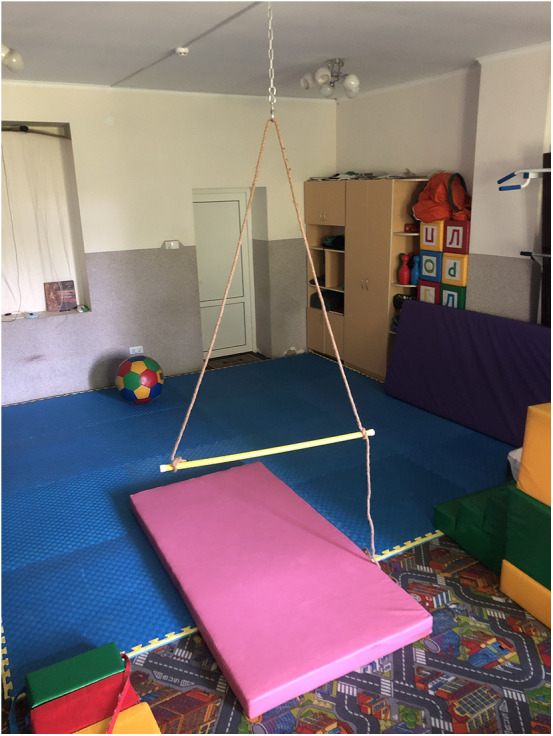 Figure 1
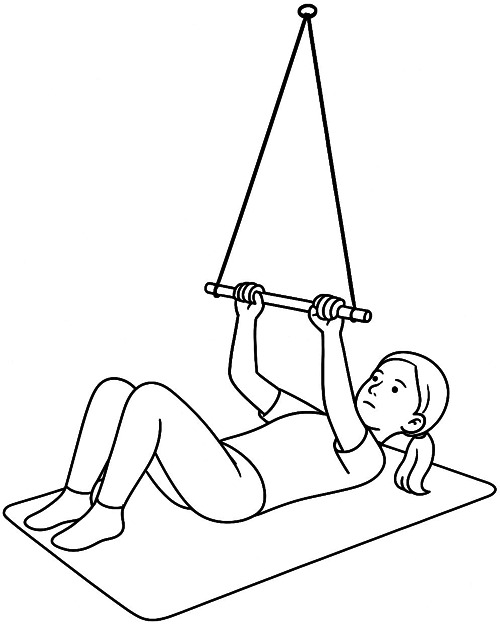 Figure 2
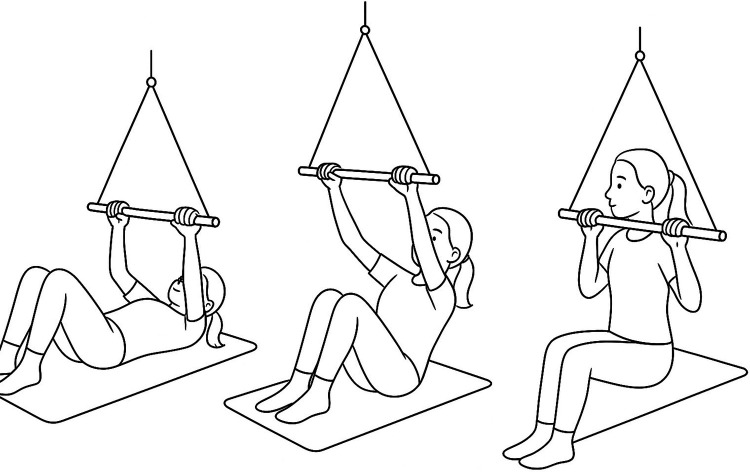 Figure 3
Peer Reviews
No public reviews on file for this paper yet. If you reviewed it on a platform where reviews are public (OpenReview, ICLR, NeurIPS, ICML), you can paste yours below so the community can read it here.
Videos
No videos yet. Explain this paper in a talk, walkthrough, or lecture? Add one.
Taxonomy
TopicsCerebral Palsy and Movement Disorders · Infant Development and Preterm Care · Neurogenetic and Muscular Disorders Research