From raw data to actionable insights: preprocessing real-world data for machine learning in diabetes care
Marco Montagna, Aleksandar Svilenov Rabadzhiev, Alberto Traverso, Emanuela Setola, Edoardo Draetta, Alessio Dimonte, Simone Barbieri, Bruno Fabiani, Lorenzo Piemonti, Antonio Esposito, Carlo Tacchetti, Patrizia Rovere Querini

TL;DR
This study shows how preprocessing real-world diabetes data affects machine learning models, finding that worse baseline health predicts better HbA1c improvement.
Contribution
The study evaluates the impact of different preprocessing pipelines on ML models for diabetes care using real-world data.
Findings
56% of patients had a HbA1c decrease after three years, with higher baseline HbA1c and BMI.
ML model performance was stable across preprocessing methods, with DTC benefiting from missing data imputation.
Worse baseline values predicted HbA1c improvement, confirmed by both EDA and SHAP explanations.
Abstract
Machine Learning (ML) applied to healthcare Real World Data (RWD) may improve patient management. RWD, however, requires extensive preprocessing to make it ML-ready. Our aim was to explore the impact of preprocessing on ML models applied to RWD from 20 years of type 2 diabetes patients visits. Our cohort consisted of patients with at least two glycated hemoglobin (HbA1c) measurements three years apart. We set up three different experimental settings consisting of different data preprocessing pipelines. Logistic Regression (LR), XGBoost and a Decision Tree Classifier (DTC) were then applied and tuned to optimize precision. The final dataset comprised 12 variables from 1,651 patients treated between 2003 and 2023. 921 (56%) patients had a HbA1c decrease at three years. This group had a higher baseline HbA1c, higher BMI and shorter first visit gap from the date of diagnosis (p < 0.0001).…
Genes, proteins, chemicals, diseases, species, mutations and cell lines named across the full text — each resolved to its canonical identifier and authoritative record.
Click any figure to enlarge with its caption.
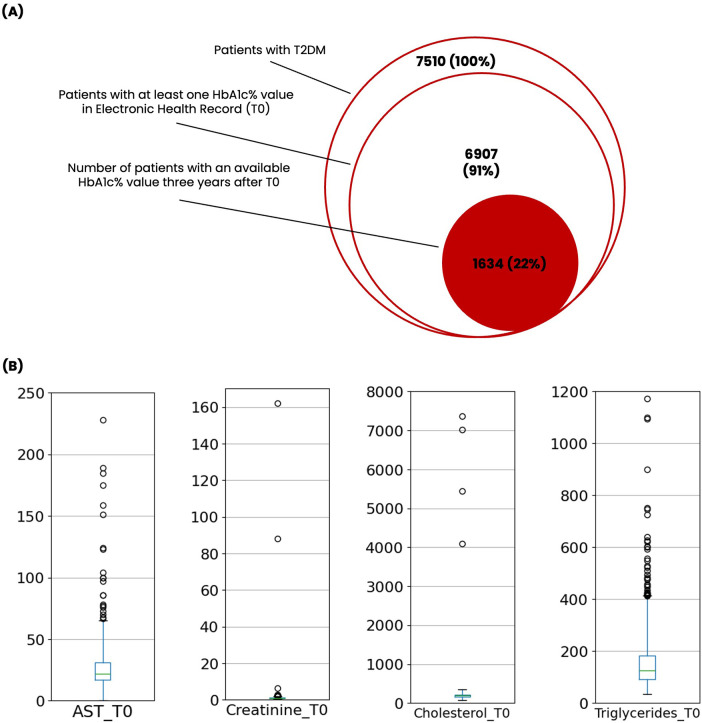 Figure 1
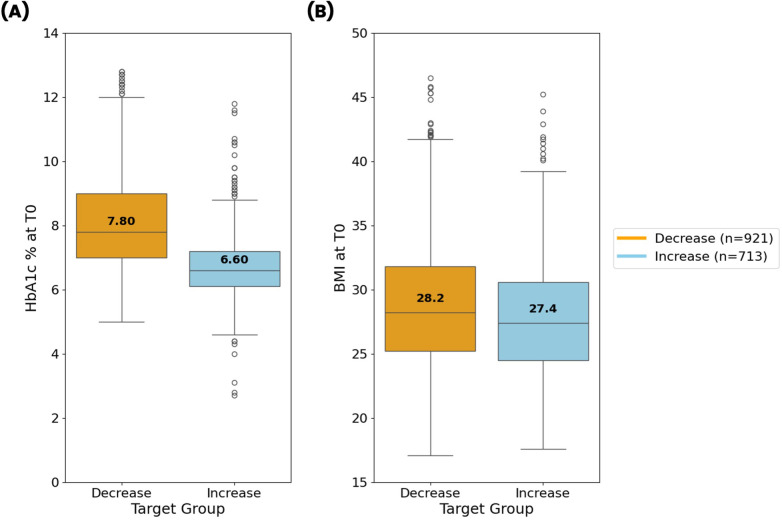 Figure 2
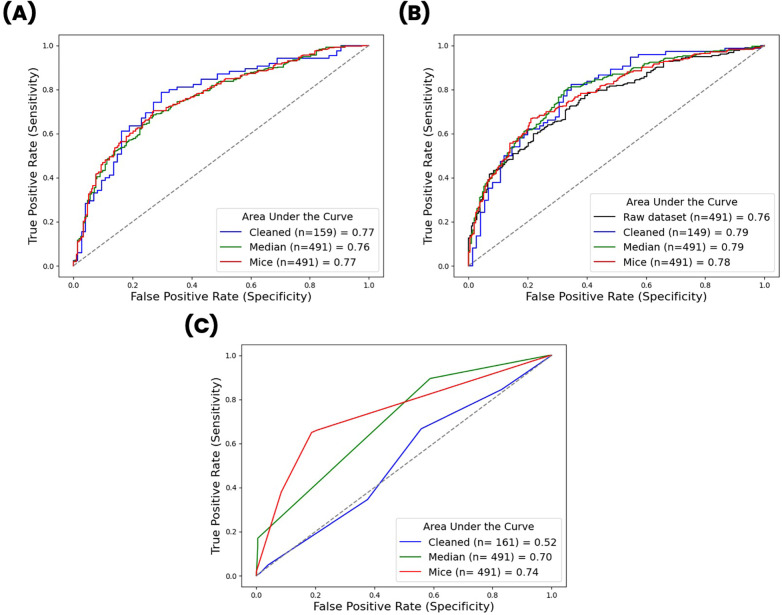 Figure 3
Peer Reviews
No public reviews on file for this paper yet. If you reviewed it on a platform where reviews are public (OpenReview, ICLR, NeurIPS, ICML), you can paste yours below so the community can read it here.
Videos
No videos yet. Explain this paper in a talk, walkthrough, or lecture? Add one.
Taxonomy
TopicsMachine Learning in Healthcare · Artificial Intelligence in Healthcare · Artificial Intelligence in Healthcare and Education