The impact of CSF1R inhibitor-mediated microglial depletion in rodent models of Alzheimer’s and Parkinson’s disease: a systematic review and meta-analysis
Ana Flavia F. Ferreira, Ana Caroline Santos-Silva, Beatriz Gangale Muratori, Luiz Roberto Britto

TL;DR
This review and meta-analysis explores the effects of microglial depletion using CSF1R inhibitors in rodent models of Alzheimer’s and Parkinson’s disease, finding mixed but potentially beneficial outcomes.
Contribution
The study systematically evaluates the impact of microglial depletion in preclinical models of AD and PD, highlighting variability and key research gaps.
Findings
Most PD studies showed neuroprotective effects from microglial depletion, though some reported detrimental outcomes.
AD models often showed reduced neuroinflammation, improved cognition, and decreased amyloid-beta and tau pathology.
Meta-analyses found no overall reduction in dopaminergic neuron loss in PD or amyloid-beta levels in AD.
Abstract
Microglia are central nervous system immune cells that support brain homeostasis but can adopt harmful roles in neurodegenerative diseases such as Alzheimer’s disease (AD) and Parkinson’s disease (PD), depending on the disease stage and progression. Thus, targeting microglia through depletion has emerged as a potential therapeutic approach. This systematic review and meta-analysis aim to evaluate the effects of microglial depletion using colony-stimulating factor 1 receptor (CSF1R) inhibitors, such as PLX3397 and PLX5622, in preclinical models of AD and PD. Twenty-six AD and seventeen PD preclinical studies were selected. In PD models, most studies reported neuroprotective effects after microglial depletion, though a few showed detrimental outcomes, particularly with shorter depletion protocols. Notably, almost all studies induced microglial depletion prior to or during disease onset,…
Genes, proteins, chemicals, diseases, species, mutations and cell lines named across the full text — each resolved to its canonical identifier and authoritative record.
Click any figure to enlarge with its caption.
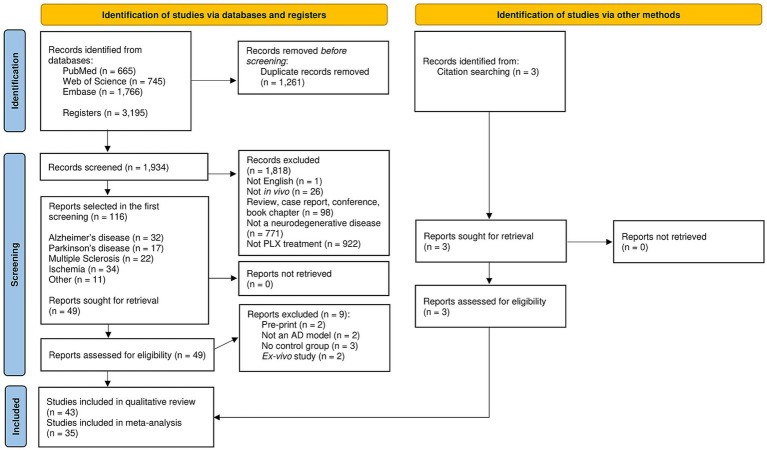 Figure 1
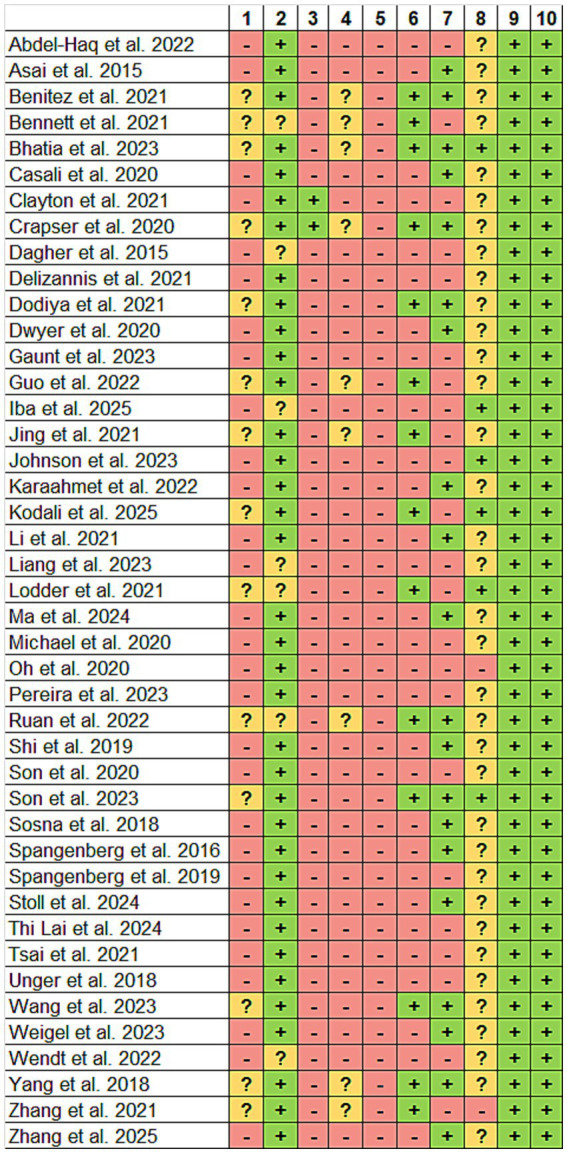 Figure 2
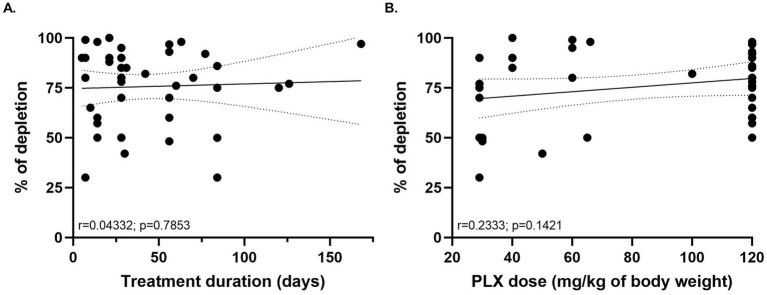 Figure 3
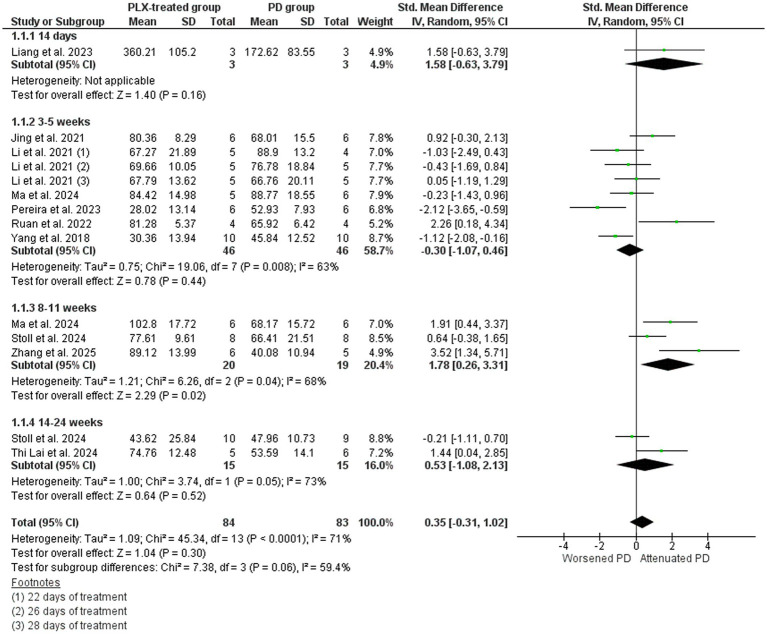 Figure 4
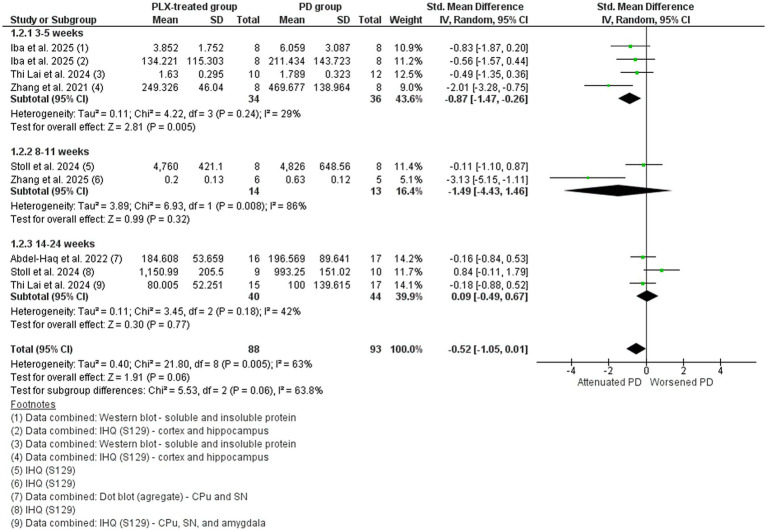 Figure 5
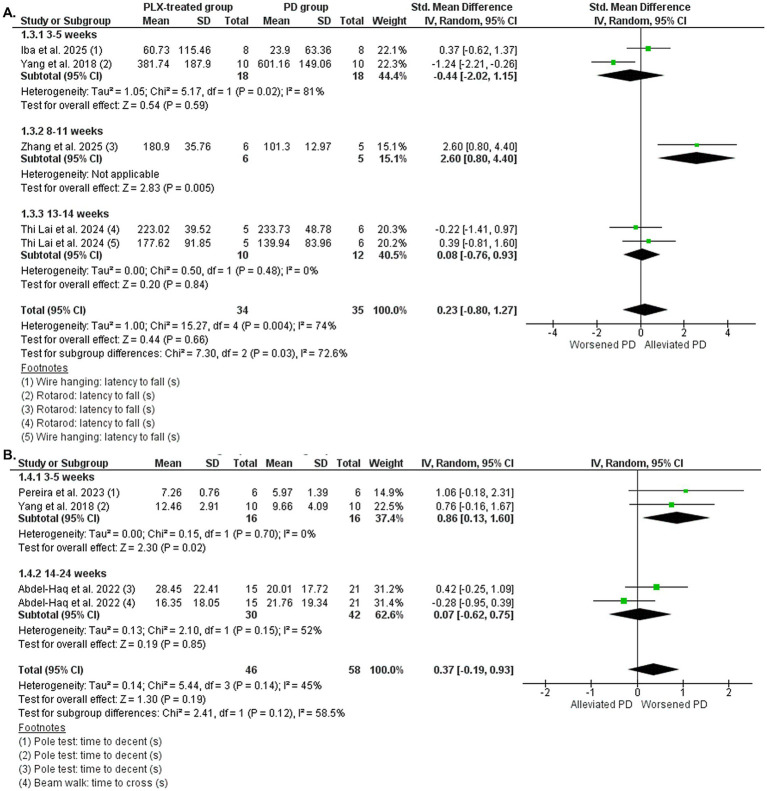 Figure 6
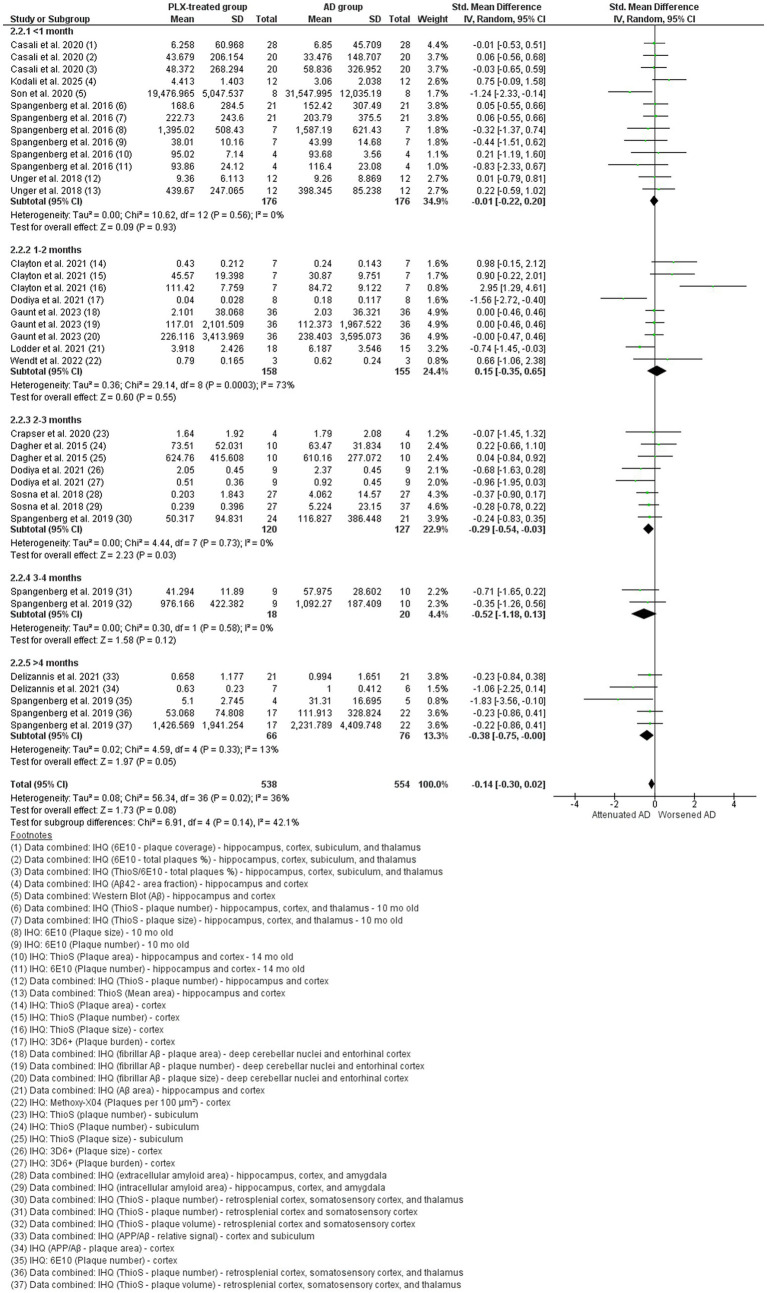 Figure 7
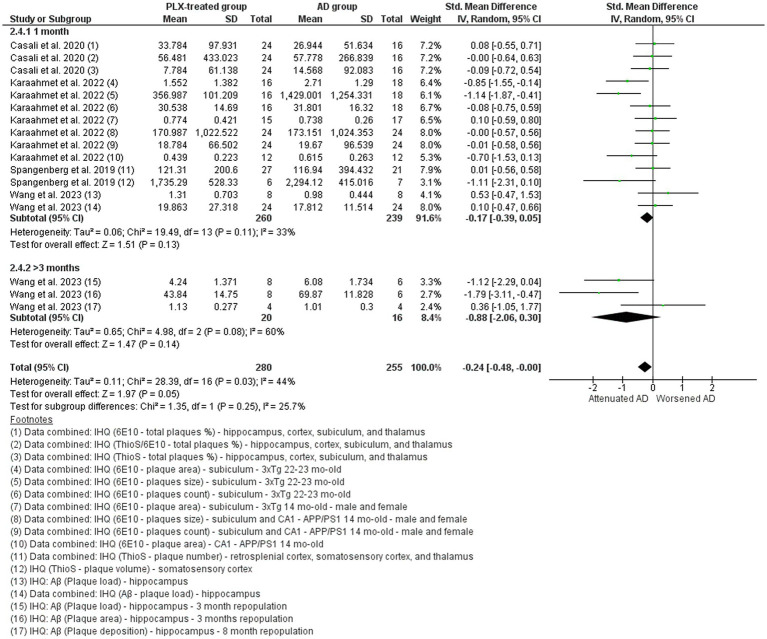 Figure 8
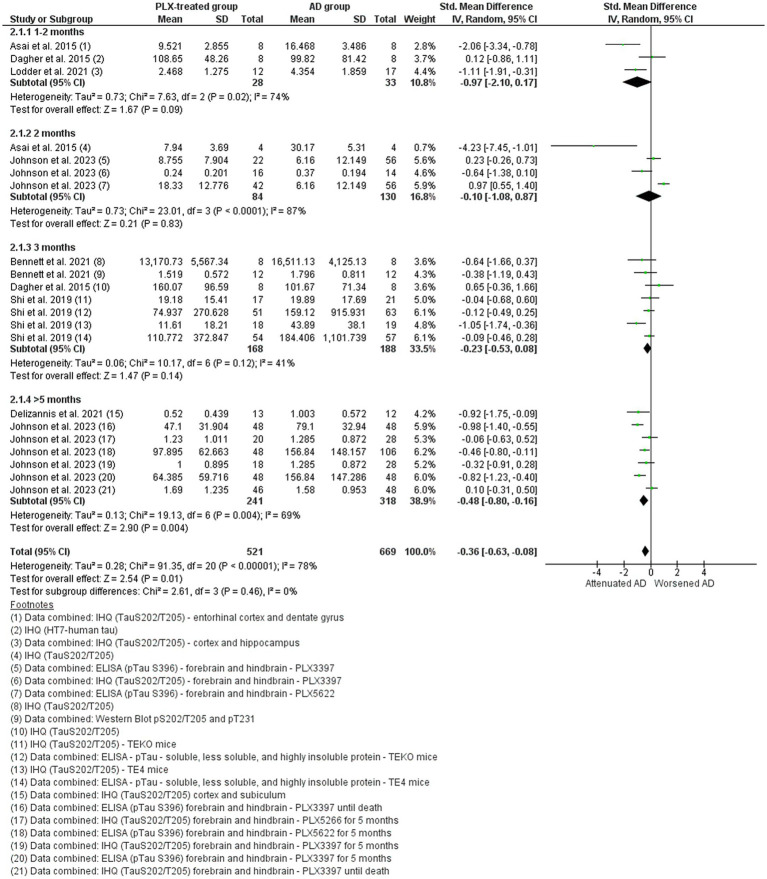 Figure 9
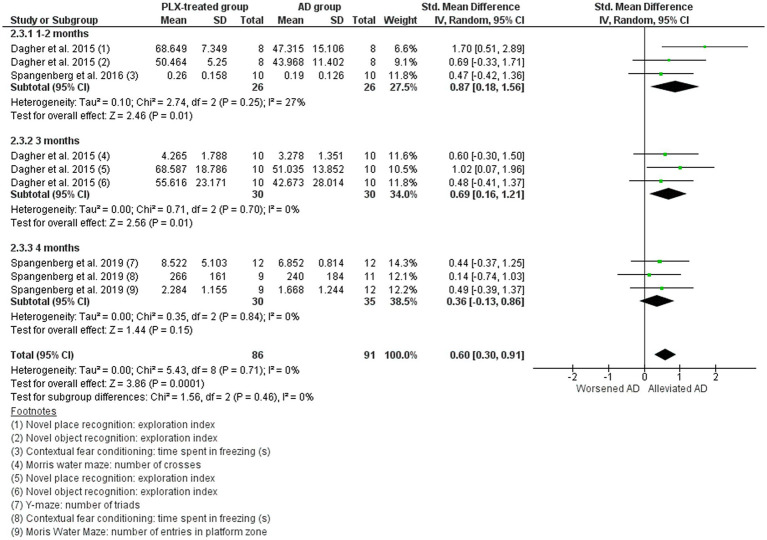 Figure 10
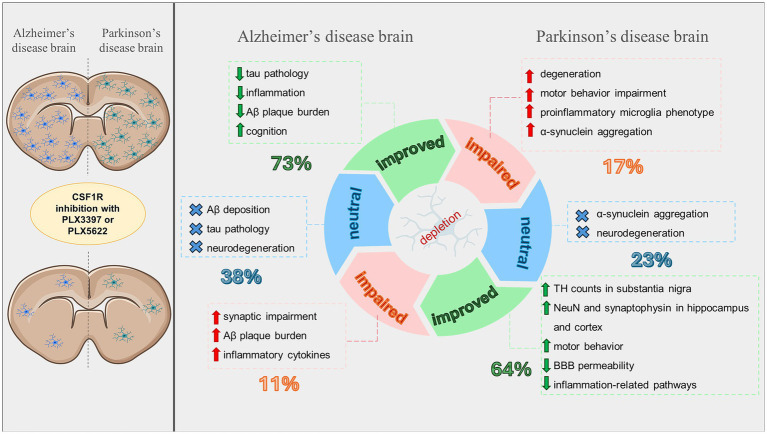 Figure 11
Peer Reviews
No public reviews on file for this paper yet. If you reviewed it on a platform where reviews are public (OpenReview, ICLR, NeurIPS, ICML), you can paste yours below so the community can read it here.
Videos
No videos yet. Explain this paper in a talk, walkthrough, or lecture? Add one.
Taxonomy
TopicsNeuroinflammation and Neurodegeneration Mechanisms · Alzheimer's disease research and treatments · Parkinson's Disease Mechanisms and Treatments