Systems biology insights into the molecular drivers of childhood stunting and implications for intervention
Genevieve Dable-Tupas, Ariane Blanch A. Maraon, Lorraine Joy L. Bernolo, Nelly Grace F. Toñacao, April Dawn M. Taylaran, Maria Angelica C. Plata, Jason C. Alcano, Richelle D. Björvang, Shamsul Mohd Zain, Vladimer Kobayashi, Melkamu Berhane Arefayine, Alemayehu Teklu Toni

TL;DR
This paper reviews how systems biology helps understand the molecular causes of childhood stunting and suggests ways to develop better interventions.
Contribution
The paper provides new insights into molecular pathways linked to stunting and highlights potential biomarkers for targeted interventions.
Findings
Disrupted mTOR signaling and tryptophan-kynurenine pathways are linked to stunting.
One-carbon metabolism and chronic inflammation contribute to stunting mechanisms.
Gut microbiome dysbiosis and environmental enteric dysfunction are key factors.
Abstract
Childhood stunting is a condition resulting from chronic malnutrition affecting millions globally, with lasting consequences for growth, cognition, and productivity. This review explores the molecular mechanisms underlying stunting, focusing on evidence obtained from systems biology to uncover biochemical pathways and potential biomarkers for early detection and targeted interventions. Key findings highlight the role of disrupted pathways such as the mechanistic target of rapamycin (mTOR) signaling, the tryptophan-kynurenine pathway, one-carbon metabolism, and chronic inflammation associated with environmental enteric dysfunction and dysbiosis of the gut microbiome. These insights emphasize the multifactorial nature of stunting, influenced by nutrition, infections, socioeconomic and maternal factors. Integrating systems biology to support public health strategies may provide avenues for…
Genes, proteins, chemicals, diseases, species, mutations and cell lines named across the full text — each resolved to its canonical identifier and authoritative record.
Click any figure to enlarge with its caption.
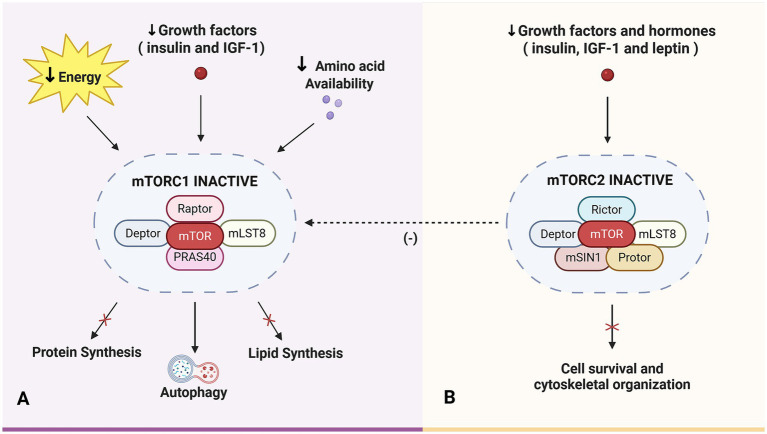 Figure 1
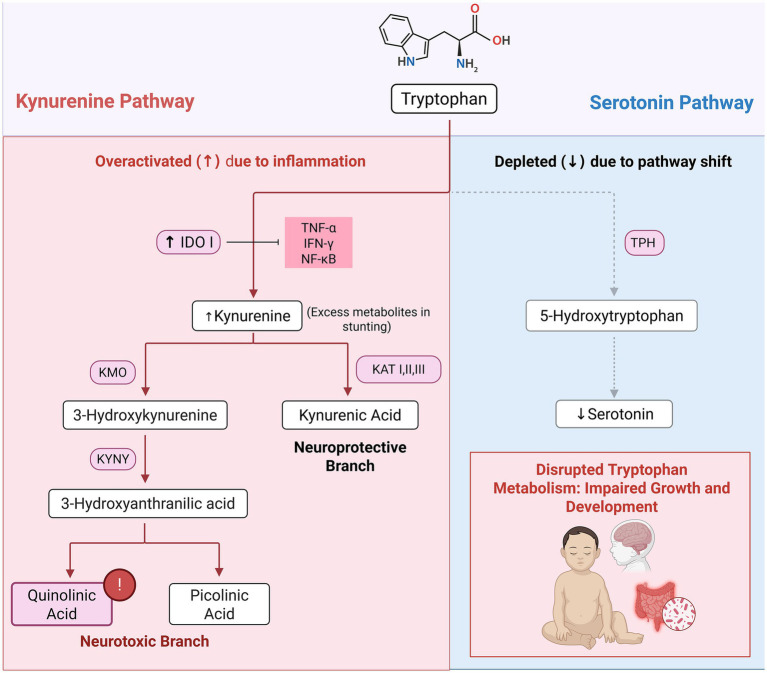 Figure 2
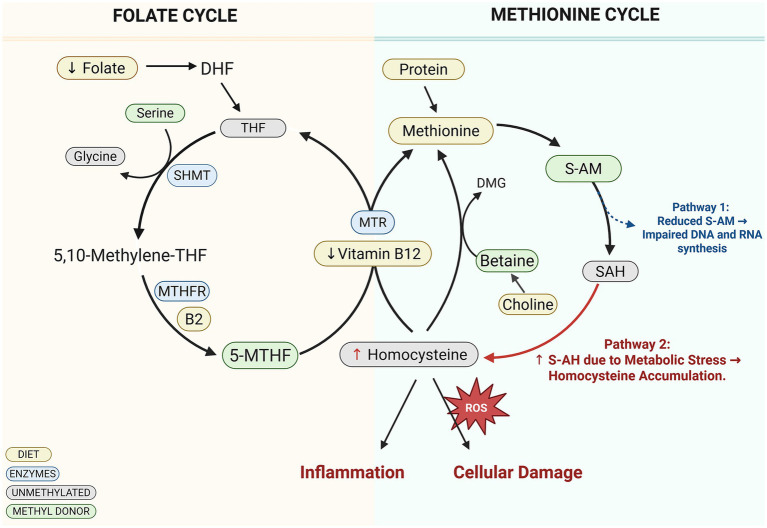 Figure 3
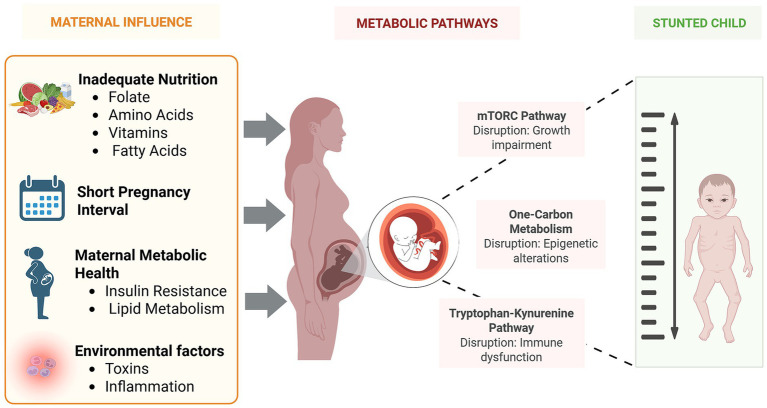 Figure 4
Peer Reviews
No public reviews on file for this paper yet. If you reviewed it on a platform where reviews are public (OpenReview, ICLR, NeurIPS, ICML), you can paste yours below so the community can read it here.
Videos
No videos yet. Explain this paper in a talk, walkthrough, or lecture? Add one.
Taxonomy
TopicsChild Nutrition and Water Access · Breastfeeding Practices and Influences · Child Nutrition and Feeding Issues