Danggui Shaoyao San ameliorates neuroinflammation in a D-galactose-induced Alzheimer’s disease rat model by suppressing the JAK2/STAT3 pathway and modulating Th17/Treg -related immune dysregulation
Gangying Fu, Shuyao Tang, Xin Sun, Jiajun Tong, Mengfen Zhou, Ping Li, Pan Meng, Shaowu Cheng, Zhenyan Song

TL;DR
This study shows that Danggui Shaoyao San, a traditional Chinese herbal formula, can reduce brain inflammation and improve memory in a rat model of Alzheimer's disease.
Contribution
The study reveals a new mechanism by which Danggui Shaoyao San ameliorates Alzheimer's disease through immunomodulation and JAK2/STAT3 pathway inhibition.
Findings
DSS treatment reduced neuronal damage and neuroinflammation in AD rats.
DSS modulated Th17/Treg-related immune dysregulation in the brain and periphery.
DSS inhibited JAK2/STAT3 phosphorylation and suppressed pro-inflammatory cytokine production.
Abstract
This study investigates the therapeutic potential of Danggui Shaoyao San (DSS), a traditional Chinese herbal formula, focusing on its effects on Th17/Treg -associated immune regulation and the JAK2/STAT3 signaling pathway. Forty male Sprague-Dawley rats were randomly divided into five groups: control, AD model, low-dose DSS (12 g/kg/day, raw herbal materials), high-dose DSS (24 g/kg/day, raw herbal materials), and donepezil (0.5 mg/kg/day). AD models were established by intraperitoneal injection of D-galactose (100 mg/kg/day) for 8 consecutive weeks. Behavioral tests, flow cytometry, biochemical assays, histological analyses, qPCR, and Western blotting were used to evaluate DSS’s effects. Untargeted metabolomics profiled metabolic alterations, while network pharmacology and molecular docking were integrated to predict key targets and pathways. DSS treatment significantly alleviated…
Genes, proteins, chemicals, diseases, species, mutations and cell lines named across the full text — each resolved to its canonical identifier and authoritative record.
Click any figure to enlarge with its caption.
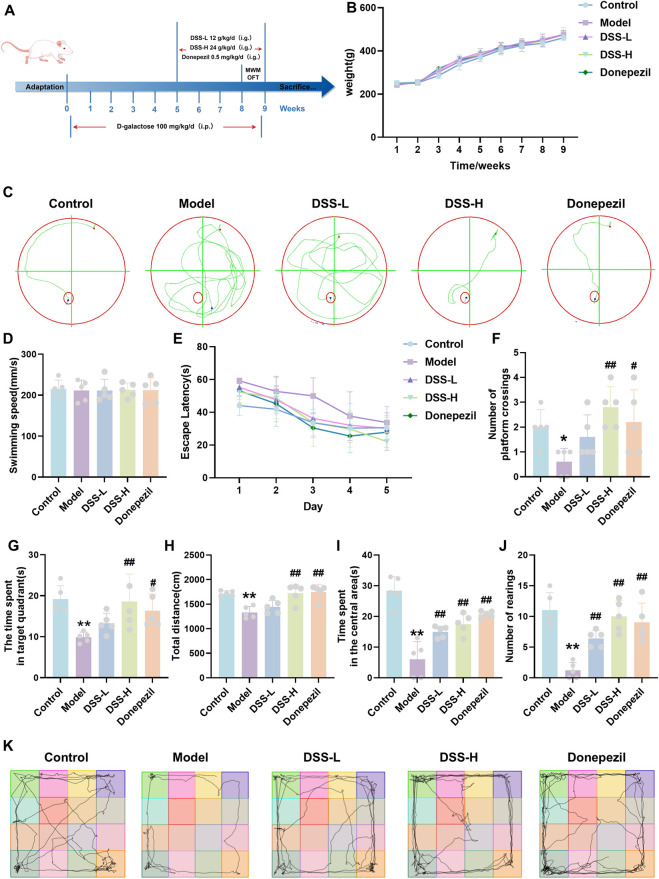 Figure 1
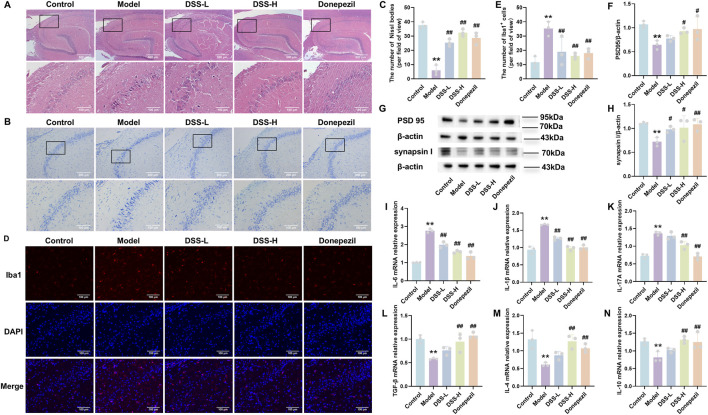 Figure 2
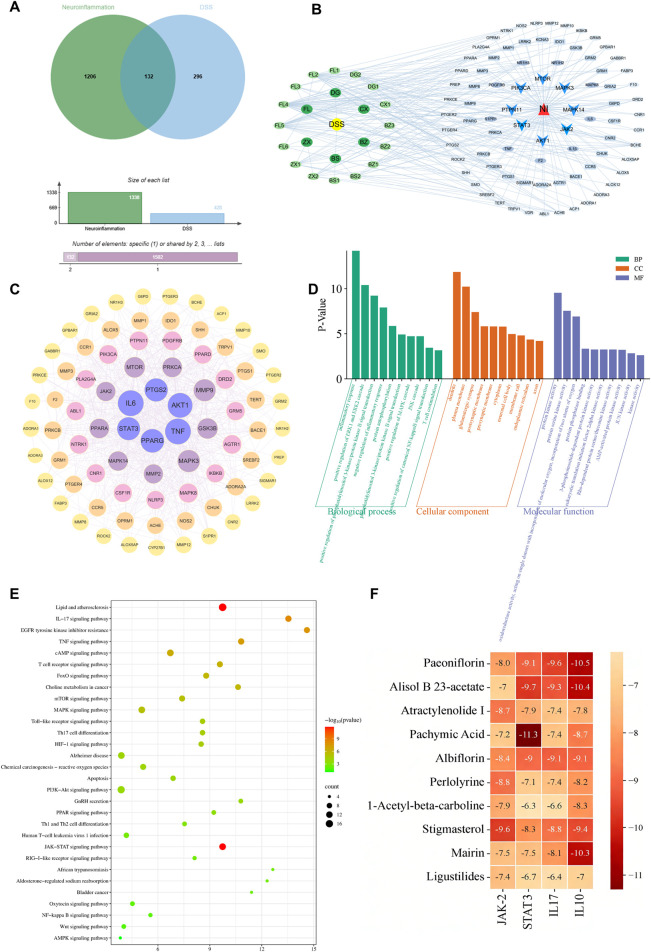 Figure 3
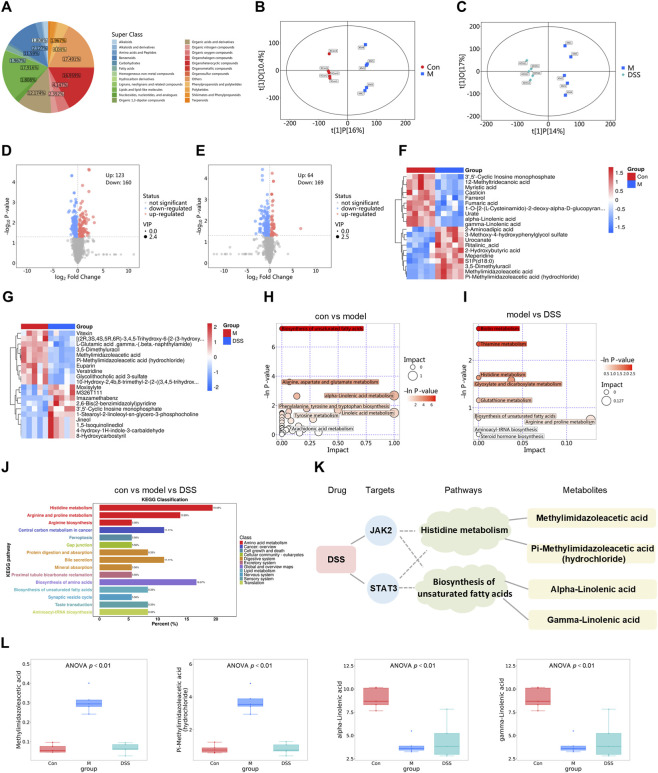 Figure 4
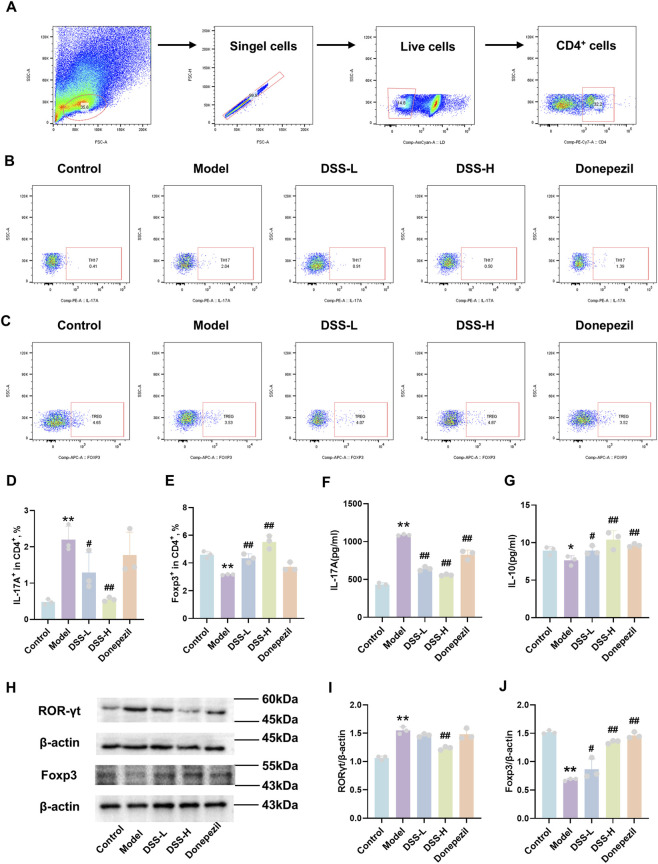 Figure 5
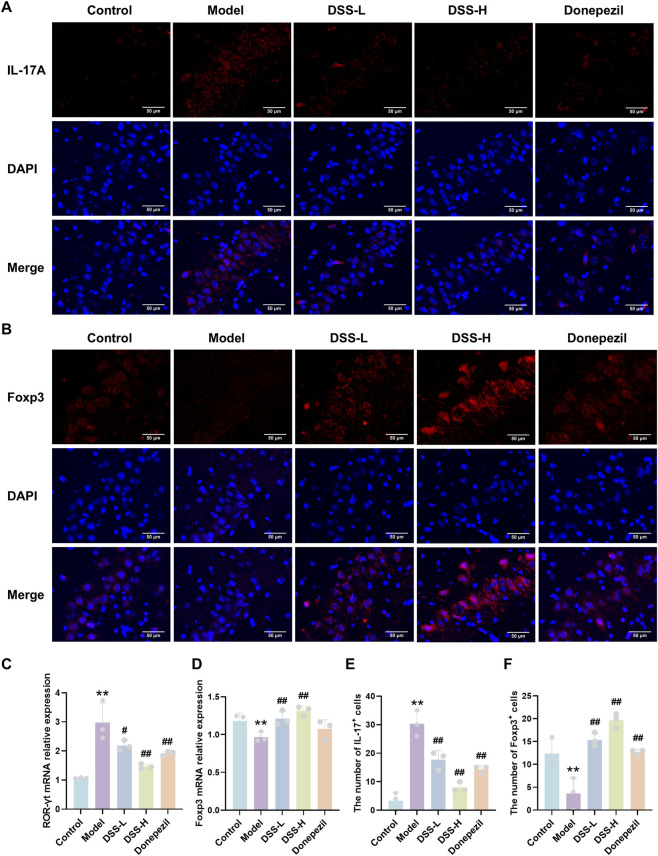 Figure 6
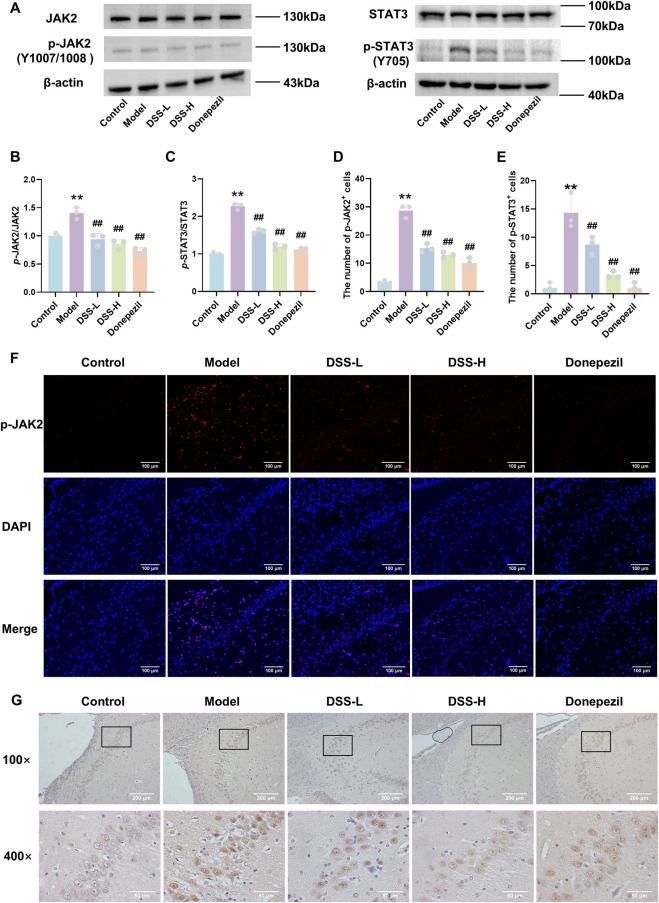 Figure 7
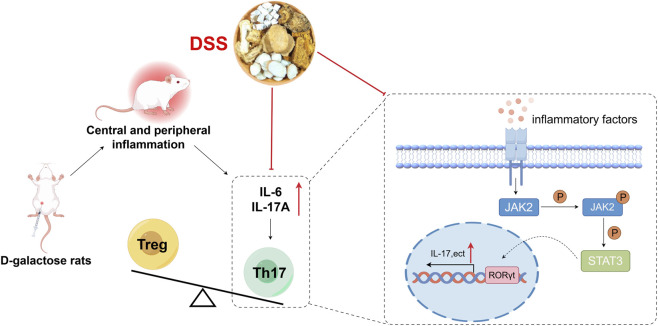 Figure 8
Peer Reviews
No public reviews on file for this paper yet. If you reviewed it on a platform where reviews are public (OpenReview, ICLR, NeurIPS, ICML), you can paste yours below so the community can read it here.
Videos
No videos yet. Explain this paper in a talk, walkthrough, or lecture? Add one.
Taxonomy
TopicsAntioxidants, Aging, Portulaca oleracea · Medicinal Plants and Bioactive Compounds · Tryptophan and brain disorders