The role of event understanding in guiding attentional selection in real-world scenes: The Scene Perception & Event Comprehension Theory (SPECT)
Lester C. Loschky, Maverick E. Smith, Prasanth Chandran, John P. Hutson, Tim J. Smith, Joseph P. Magliano

TL;DR
This paper introduces the SPECT theory, which explains how understanding ongoing events influences where people direct their attention in real-world scenes.
Contribution
The novel contribution is the SPECT framework, which integrates event comprehension with attentional selection processes in dynamic scenes.
Findings
Event models influence attentional selection alongside visual saliency and task-driven control.
A hierarchy of factors affecting attention includes task-driven control, visual saliency, and event models.
The paper proposes mechanisms for how event models guide attention during scene perception.
Abstract
Your understanding of what you see now surely influences what you will look at next. Yet this simple concept has only recently begun to be systematically studied and elaborated within theoretical frameworks. The Scene Perception & Event Comprehension Theory (SPECT) distinguishes between front-end and back-end processes that occur while viewers perceive and comprehend dynamic real-world events. Front-end processes occur during each eye fixation (information extraction, attentional selection) and back-end processes occur in memory (the current event model, the stored event model, prior knowledge, and executive processes). We begin with a selective review of the scene perception literature on bottom-up and top-down effects on attentional selection in scenes, and highlight unanswered questions regarding the impact of the viewer’s event model–their understanding of what is happening now.…
Genes, proteins, chemicals, diseases, species, mutations and cell lines named across the full text — each resolved to its canonical identifier and authoritative record.
Click any figure to enlarge with its caption.
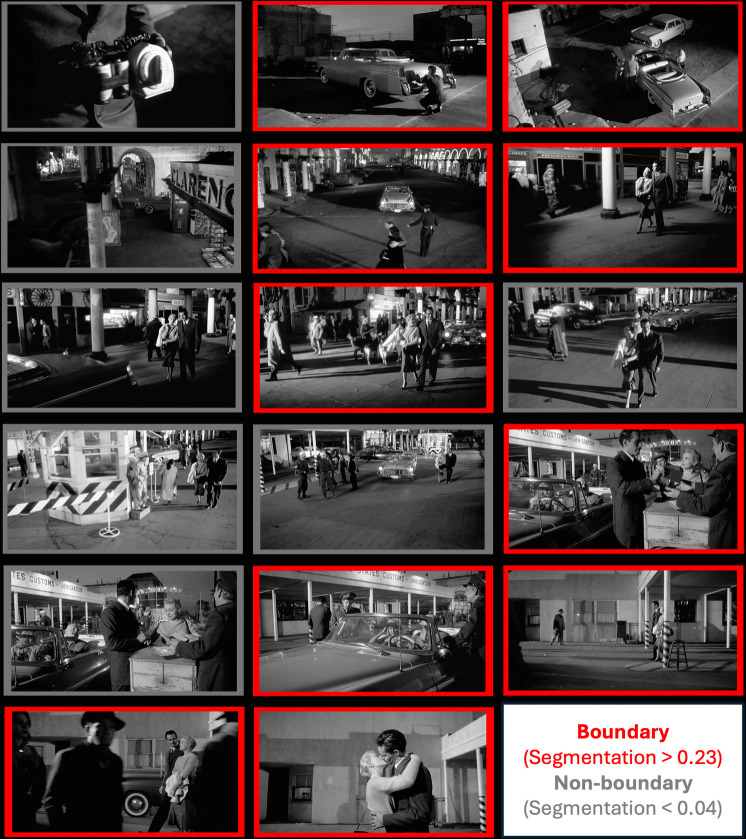 Figure 1
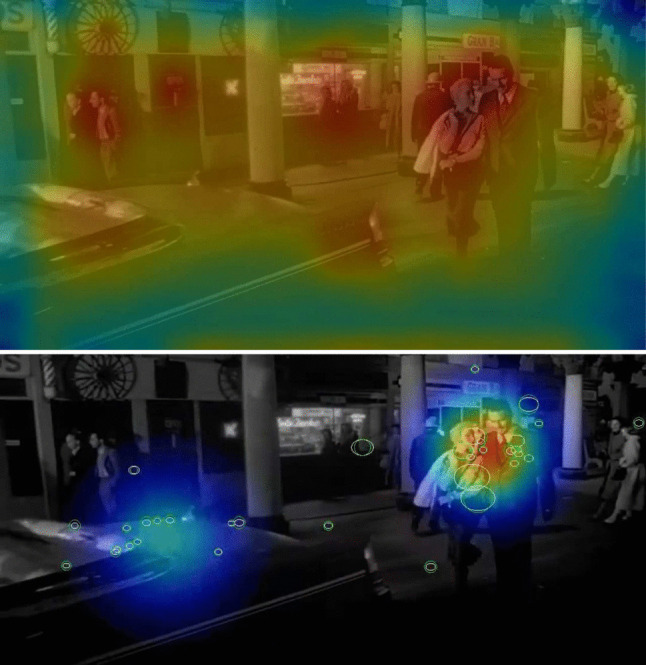 Figure 2
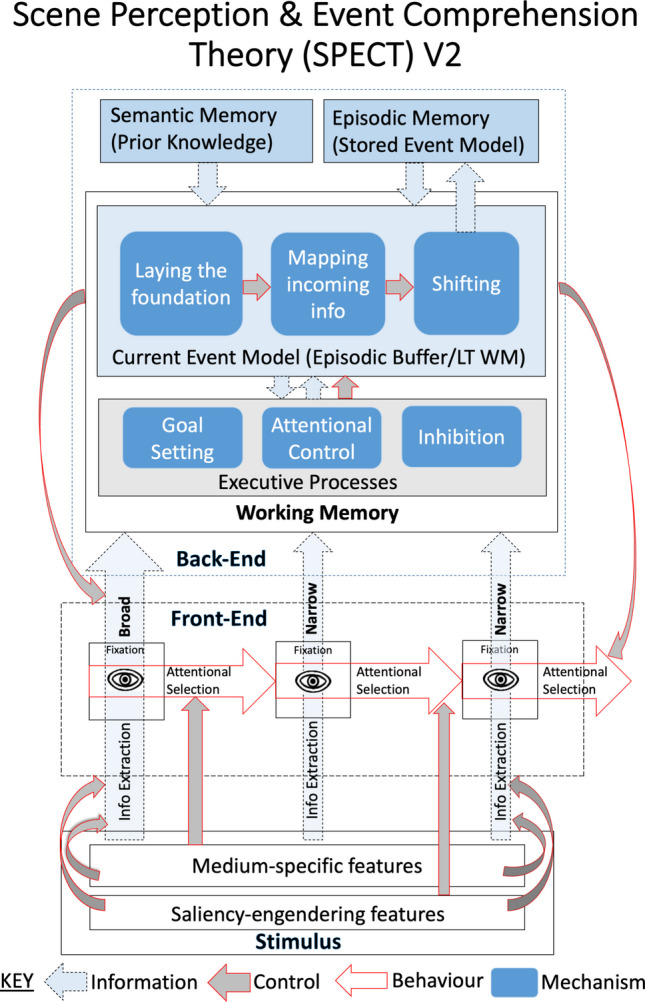 Figure 3
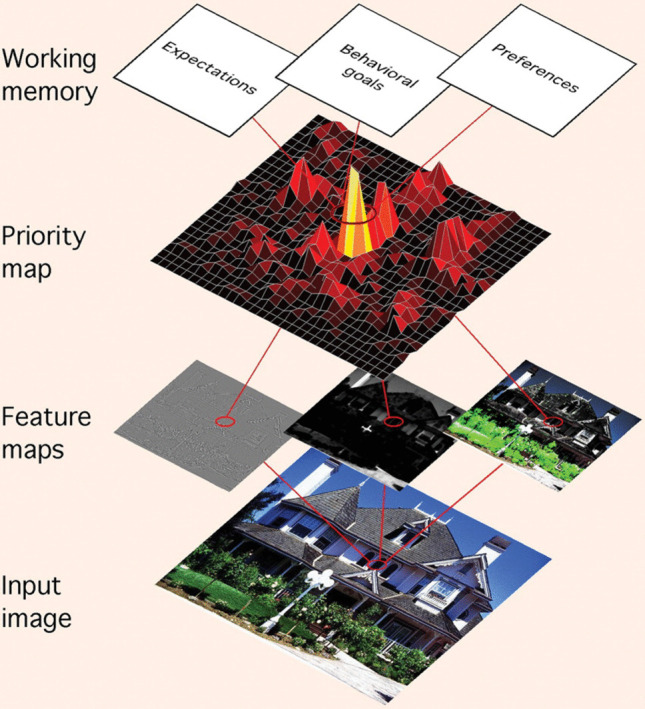 Figure 4
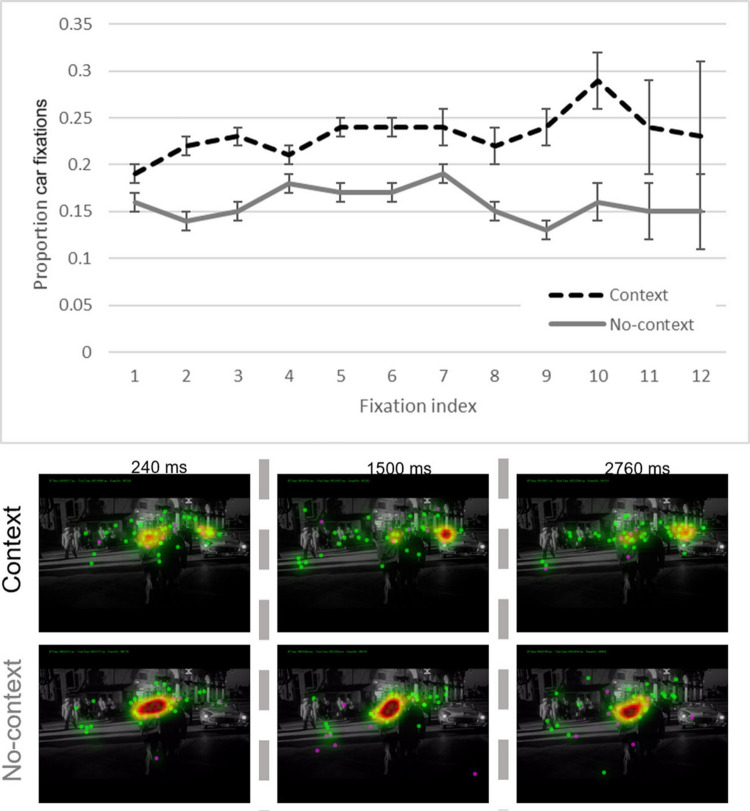 Figure 5
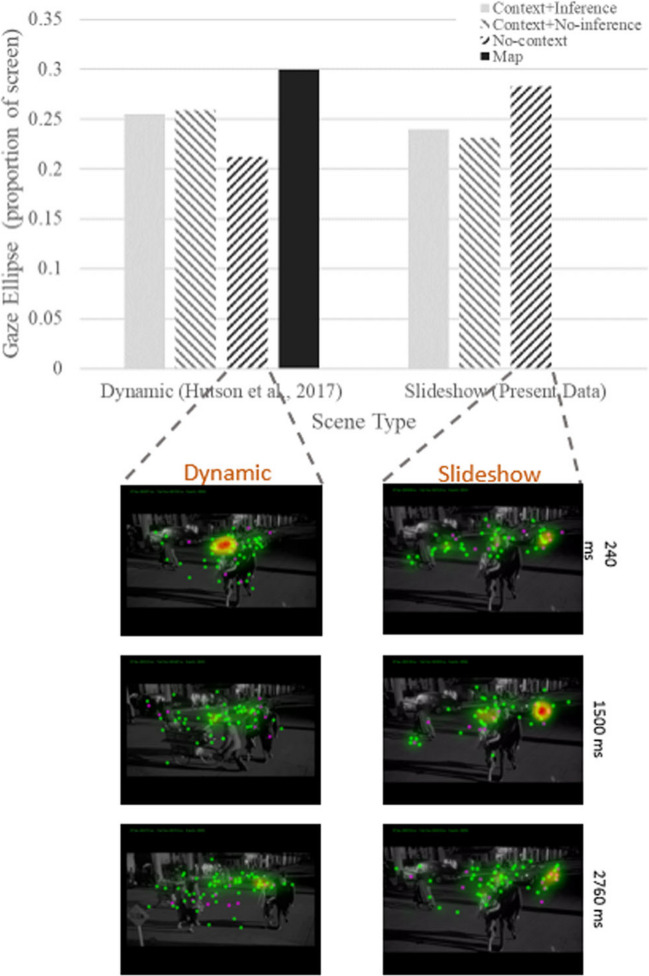 Figure 6
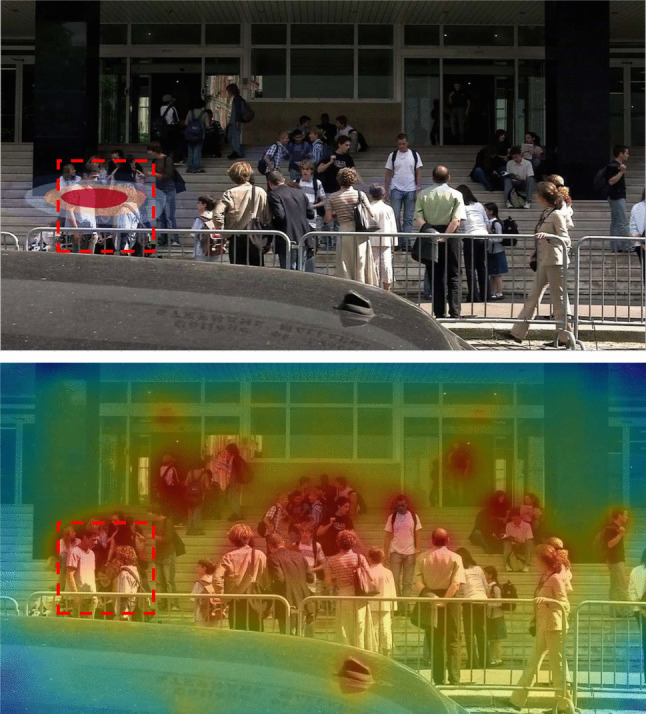 Figure 7
Peer Reviews
No public reviews on file for this paper yet. If you reviewed it on a platform where reviews are public (OpenReview, ICLR, NeurIPS, ICML), you can paste yours below so the community can read it here.
Videos
No videos yet. Explain this paper in a talk, walkthrough, or lecture? Add one.
Taxonomy
TopicsVisual Attention and Saliency Detection · Aesthetic Perception and Analysis · Neural and Behavioral Psychology Studies