Optimal duration between drainage for obstructing renal or ureteral stones associated with infection and ureteroscopic lithotripsy: a randomized controlled trial
Mahmoud E. Helal, Ahmed R. EL-Nahas, Mahmoud Laymon, Amr A. Elsawy, Yasser Osman

TL;DR
This study found that waiting 14-21 days after kidney drainage for an infection before lithotripsy reduces post-surgery infections compared to waiting only 7 days.
Contribution
The study identifies an optimal 14-21 day interval for ureteroscopic lithotripsy after kidney drainage to minimize infectious complications.
Findings
Early ureteroscopy (7 days) had higher postoperative infectious complications (56.8%) compared to delayed (14-21 days, 30.8%).
Delayed group had more unplanned hospital visits during the waiting period (36.5% vs. 11.4%).
Hospital stays and stone-free rates were similar between the two groups.
Abstract
This study was done to determine the optimal interval between drainage of obstructed infected kidney and ureteroscopic lithotripsy. This randomized controlled trial was conducted between May 2023 and July 2024. Inclusion criteria were adult patients with obstructed infected kidneys by renal or ureteric stones. After drainage of the kidney, they were randomized into early and delayed groups. In the early group, ureteroscopy was done after 7 days while in the delayed group, ureteroscopy was done after 14–21 days of drainage. The primary outcome was the difference in incidence of postoperative infectious complications. Infectious complications were defined as having one of the criteria of systemic inflammatory response syndrome (SIRS) with infected urine culture. Secondary outcomes were unplanned visits during the waiting period, hospital stay and stone-free rates (SFR). The study…
Genes, proteins, chemicals, diseases, species, mutations and cell lines named across the full text — each resolved to its canonical identifier and authoritative record.
Click any figure to enlarge with its caption.
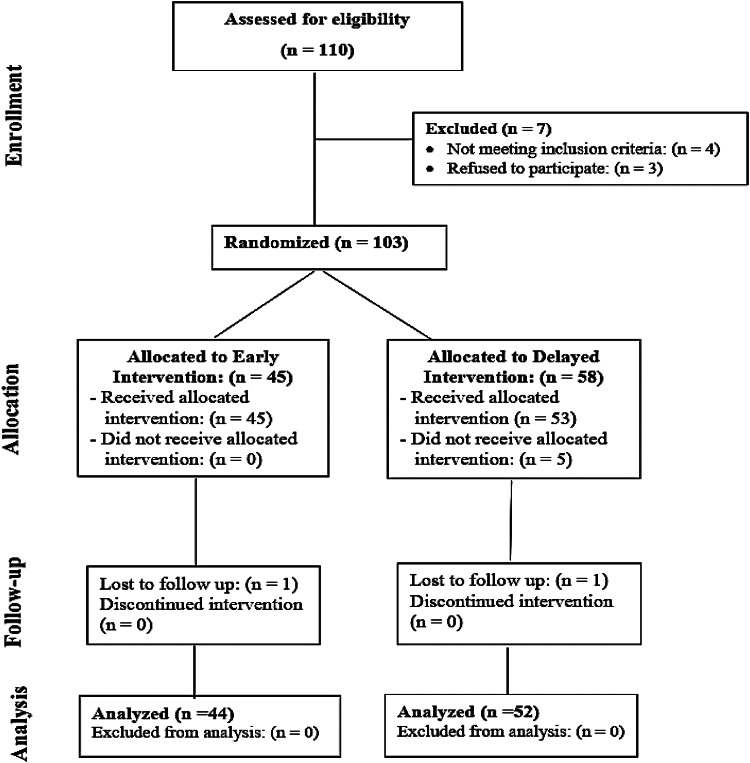 Figure 1
Peer Reviews
No public reviews on file for this paper yet. If you reviewed it on a platform where reviews are public (OpenReview, ICLR, NeurIPS, ICML), you can paste yours below so the community can read it here.
Videos
No videos yet. Explain this paper in a talk, walkthrough, or lecture? Add one.
Taxonomy
TopicsKidney Stones and Urolithiasis Treatments · Pediatric Urology and Nephrology Studies · Gallbladder and Bile Duct Disorders