The PERK inhibitor GSK2606414 evokes developmental defects in zebrafish consistent with Wolcott-Rallison syndrome phenotypes
Liliana M. Almeida, Leonor Pereira Lima, Nuno A. S. Oliveira, Rui F. O. Silva, Bruno Sousa, José Bessa, Brígida R. Pinho, Jorge M. A. Oliveira

TL;DR
This study shows that a PERK inhibitor causes developmental defects in zebrafish similar to those seen in Wolcott-Rallison Syndrome, suggesting zebrafish could be a useful model for studying this condition.
Contribution
Demonstrates that zebrafish can model Wolcott-Rallison Syndrome phenotypes through PERK inhibition, offering a scalable platform for drug screening.
Findings
GSK2606414 induces WRS-like skeletal and neuromuscular defects in zebrafish.
The drug reduces β-cell mass and glucose uptake, mimicking diabetic-like features.
Zebrafish PERK shares critical residues with human PERK, supporting functional similarity.
Abstract
Protein kinase RNA-like endoplasmic reticulum kinase (PERK) is an endoplasmic reticulum stress kinase whose loss of function disturbs human development, leading to skeletal dysplasia and permanent neonatal diabetes, as in the Wolcott-Rallison Syndrome (WRS). The lack of effective, less invasive therapies for developmental diseases highlights the need for animal models that replicate complex pathological phenotypes, while allowing scalable drug screening. Zebrafish high fecundity and rapid development enable efficient in vivo drug testing. We assessed zebrafish’s potential for studying PERK and its pharmacological modulation in developmental diseases like WRS. To assess the similarity between human and zebrafish PERK we used bioinformatic analyses. To inhibit PERK we used GSK2606414. To evaluate effects on skeletal, neuromuscular, and cardiac development we combined behavioural and…
Genes, proteins, chemicals, diseases, species, mutations and cell lines named across the full text — each resolved to its canonical identifier and authoritative record.
Click any figure to enlarge with its caption.
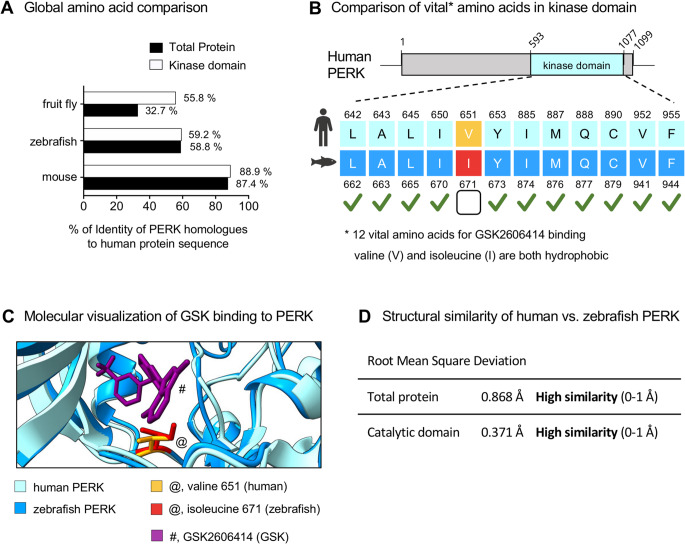 Figure 1
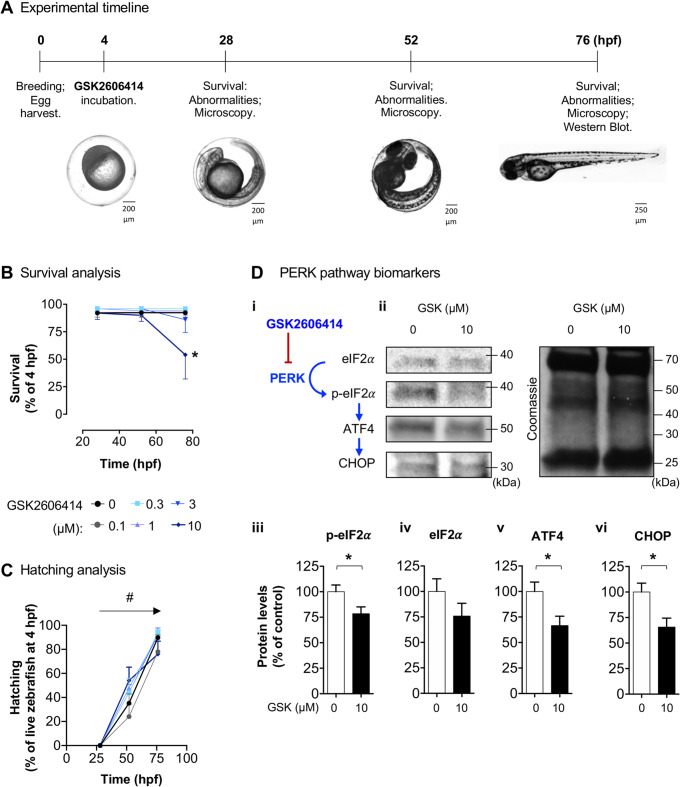 Figure 2
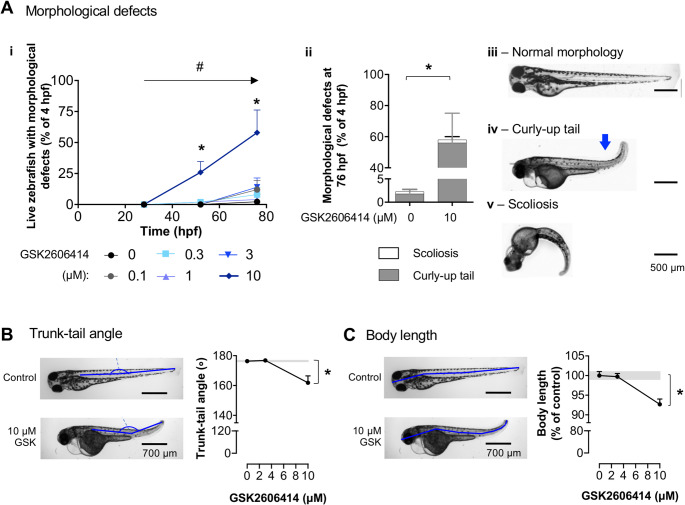 Figure 3
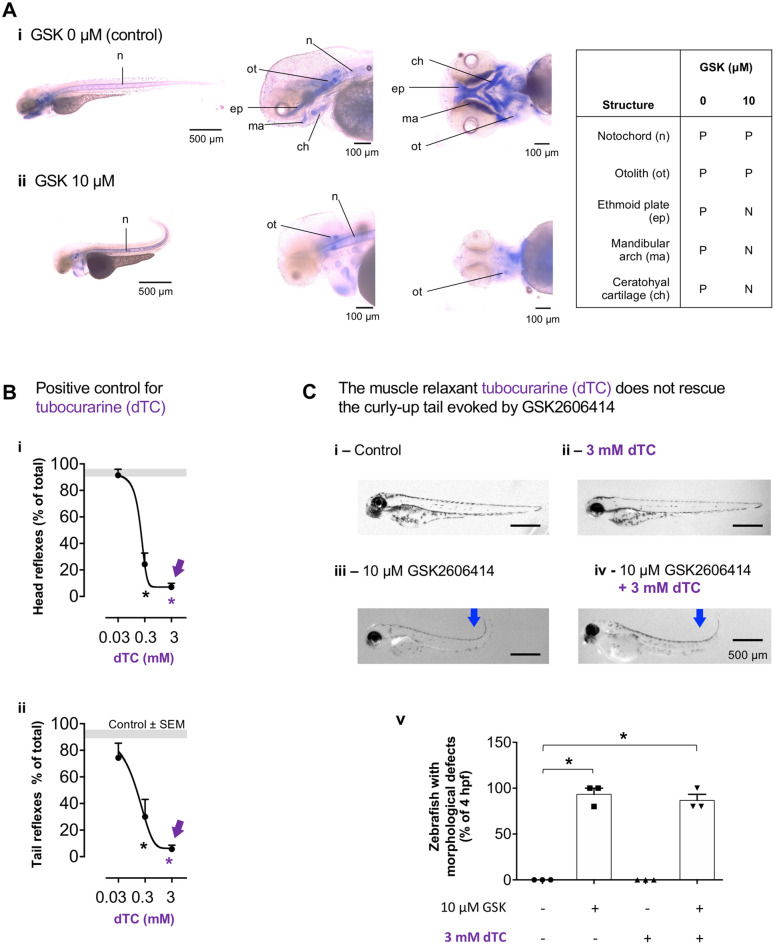 Figure 4
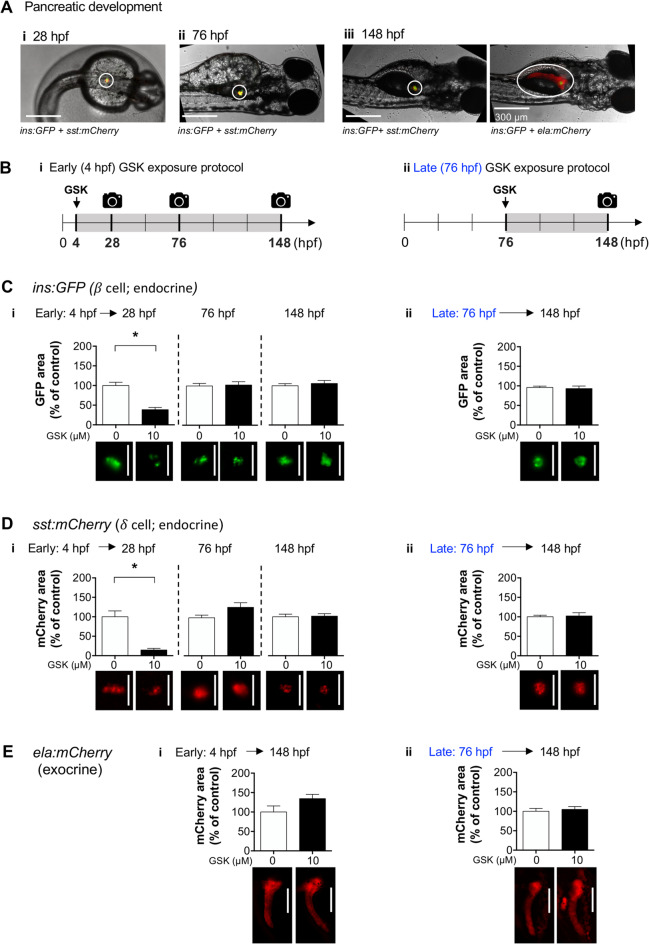 Figure 5
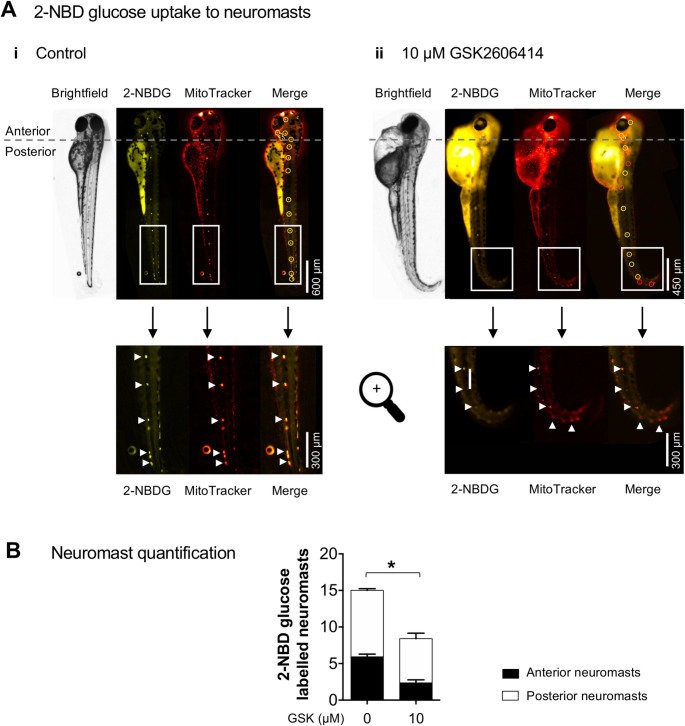 Figure 6
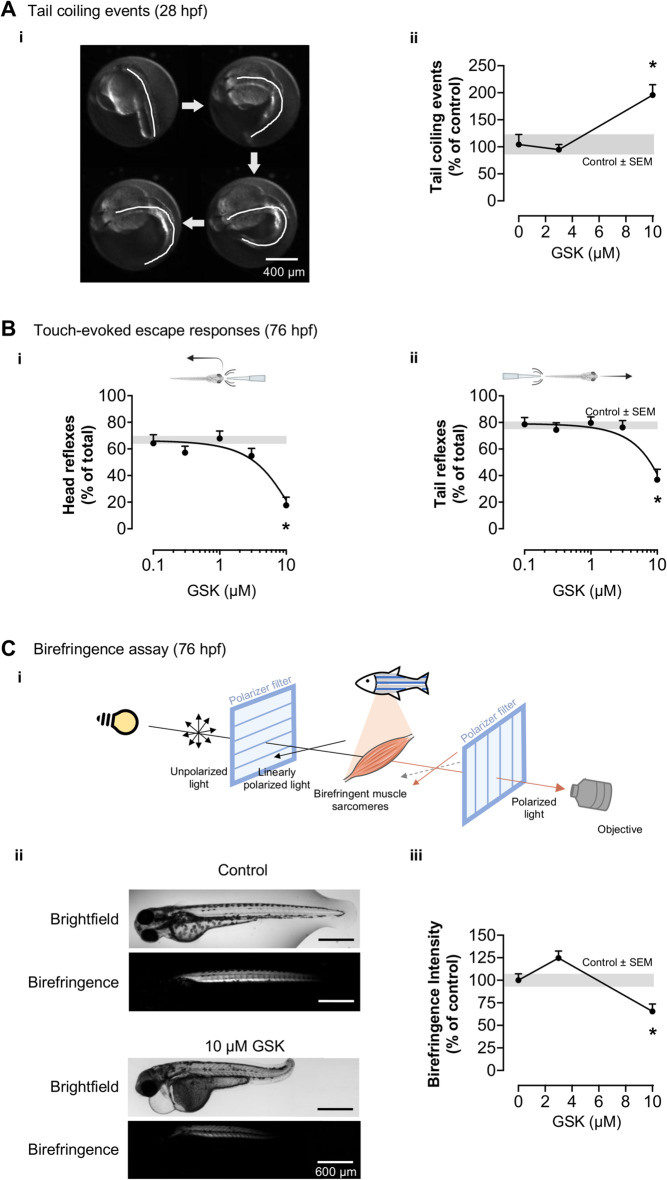 Figure 7
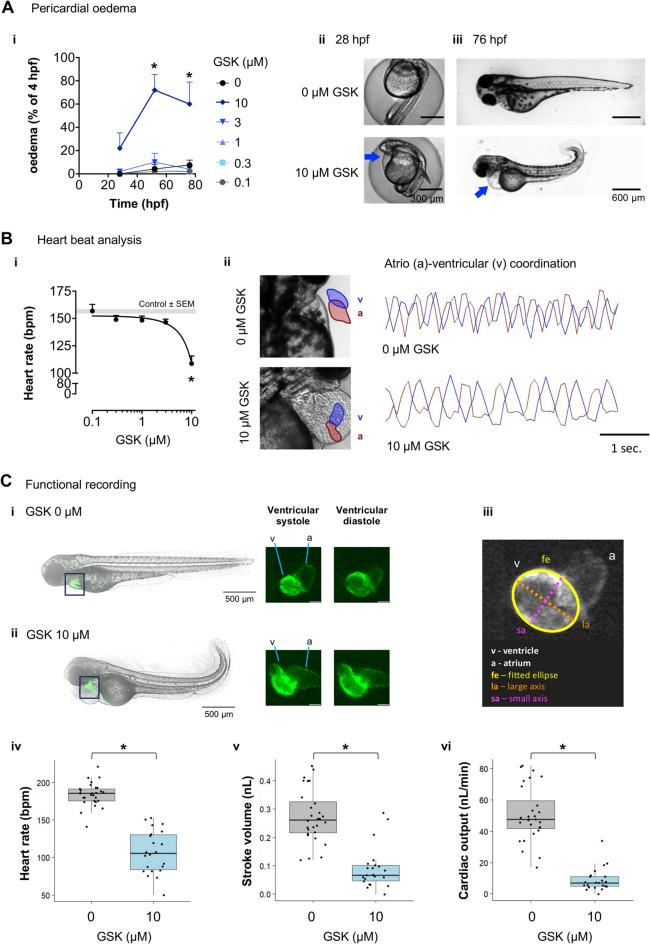 Figure 8
Peer Reviews
No public reviews on file for this paper yet. If you reviewed it on a platform where reviews are public (OpenReview, ICLR, NeurIPS, ICML), you can paste yours below so the community can read it here.
Videos
No videos yet. Explain this paper in a talk, walkthrough, or lecture? Add one.
Taxonomy
TopicsConnective tissue disorders research · Genomics and Rare Diseases · Genetics and Neurodevelopmental Disorders