Mass drug administration of praziquantel lowers the susceptibility of school-aged children to Schistosoma mansoni in endemic areas
Justin Komguep Nono, Bernard Marie Bitye Zambo, Mireille Kameni Poumeni, Etienne Borel Soh Bayeck, Leonel Meyo Kamguia, Marie Madeleine Noubissi Fotseu, Vincent Brice Owona Ayissi, Thomas Spangenberg, Claudia Demarta-Gatsi

TL;DR
Regular use of praziquantel in children in schistosomiasis-endemic areas may help build immunity against reinfection and improve health and academic outcomes.
Contribution
Demonstrates that repeated praziquantel treatment promotes protective immunity in children against Schistosoma mansoni.
Findings
Regular praziquantel administration reduces parasite burden and improves hemoglobin levels in school-aged children.
Repeated treatment is linked to heightened arginine/proline metabolism and increased protective IgE levels.
Praziquantel treatment is associated with better academic performance but not reduced liver fibrosis.
Abstract
Schistosomiasis remains a significant public health challenge in endemic regions, leading to substantial morbidity. While regular mass drug administration (MDA) of praziquantel (PZQ) is a cornerstone schistosomiasis control programs in endemic areas, emerging evidence suggests that its benefits may extend beyond mere parasite killing. we sought to determine whether sustained PZQ MDA promotes the development of protective immunity in school-aged children. Building on previous observations in animal models where repeated cycles of S. mansoni infection followed by PZQ treatment enhanced host resistance to reinfection, we hypothesized that repeated MDA of PZQ in endemic settings similarly promotes the development of protective anti-schistosome immunity. Accordingly, this study aimed to translate these observations into real-world evidence and investigate the broader association between…
Genes, proteins, chemicals, diseases, species, mutations and cell lines named across the full text — each resolved to its canonical identifier and authoritative record.
Click any figure to enlarge with its caption.
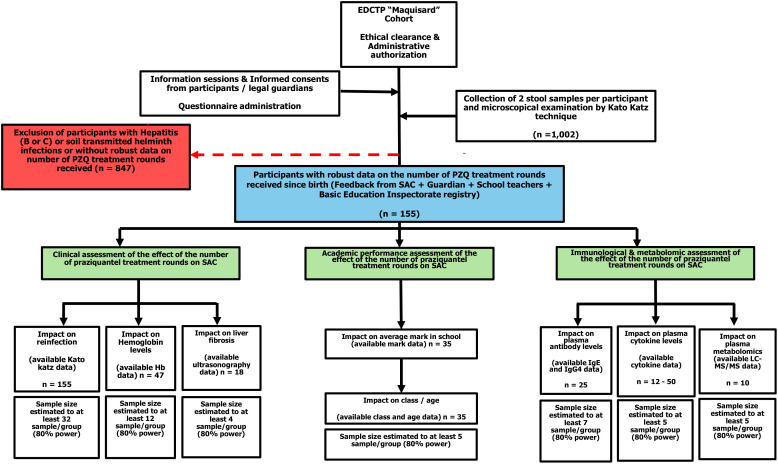 Figure 1
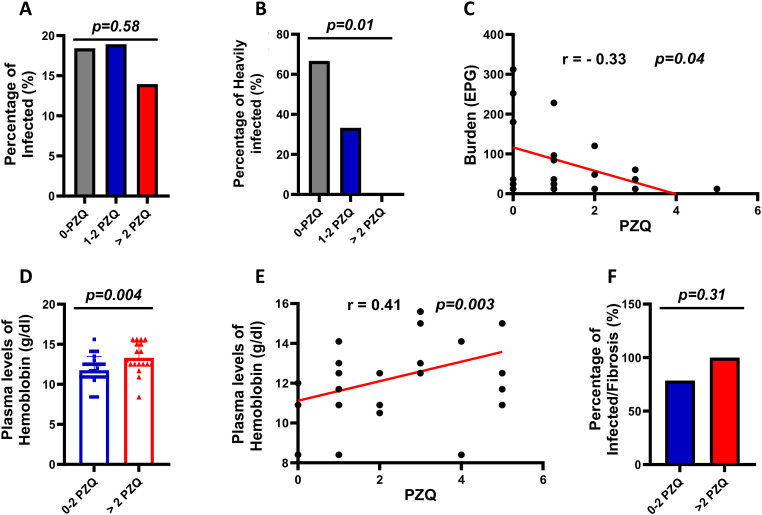 Figure 2
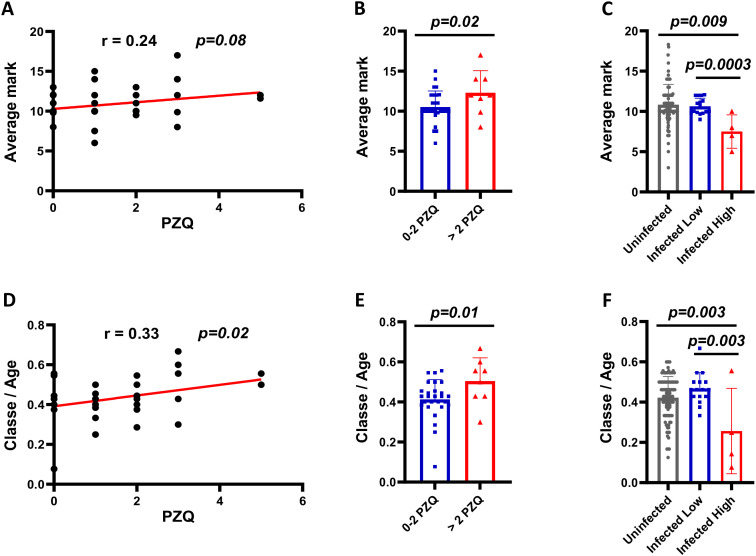 Figure 3
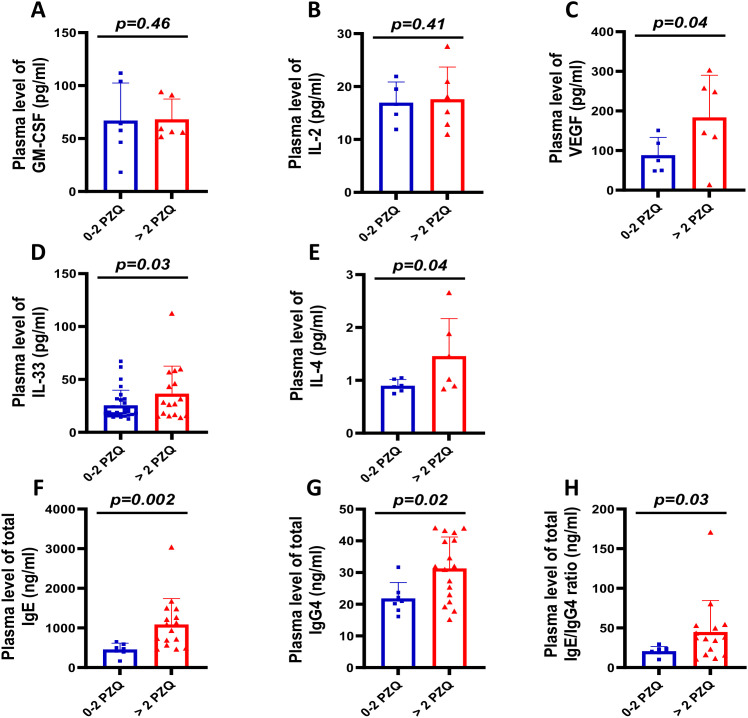 Figure 4
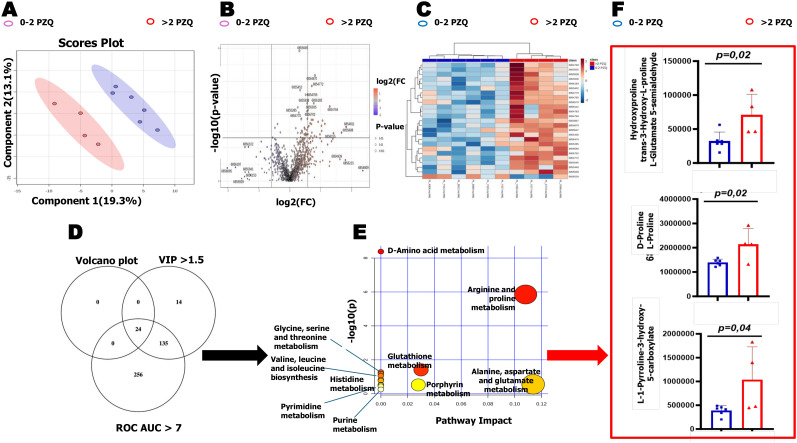 Figure 5
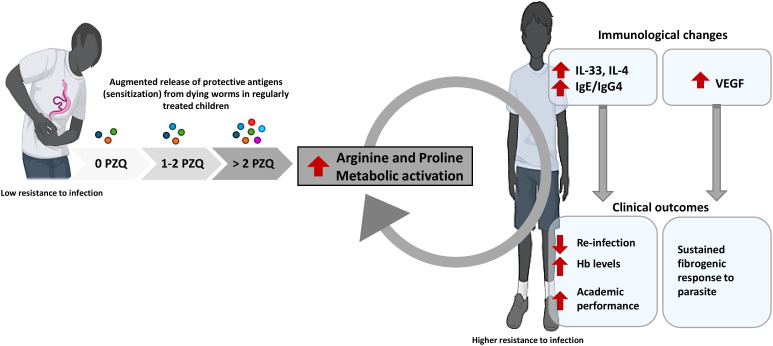 Figure 6
Peer Reviews
No public reviews on file for this paper yet. If you reviewed it on a platform where reviews are public (OpenReview, ICLR, NeurIPS, ICML), you can paste yours below so the community can read it here.
Videos
No videos yet. Explain this paper in a talk, walkthrough, or lecture? Add one.
Taxonomy
TopicsParasites and Host Interactions · Parasite Biology and Host Interactions · Zoonotic diseases and public health