Natural products as kinase inhibitors in lung cancer: molecular mechanisms, therapeutic potential, and clinical trials
Adil Farooq Wali, Sirajunisa Talath, Rasha Babiker, Mohamed El-Tanani, Imran Rashid Rangraze, Walaa Ibraheem, Yusra Al Aldhaheri, Shakta Mani Satyam, Yahia El-Tanani

TL;DR
Natural products may offer safer and more effective lung cancer treatments by targeting multiple kinases involved in tumor growth and resistance.
Contribution
This review highlights the potential of natural kinase inhibitors as multi-targeted, less toxic alternatives to synthetic drugs in lung cancer therapy.
Findings
Natural kinase inhibitors like curcumin and resveratrol modulate key cancer pathways such as EGFR and MAPK.
Preclinical and emerging clinical evidence supports the use of natural products as adjuncts or alternatives to conventional therapies.
Challenges include poor solubility and limited clinical validation, requiring formulation optimization and large-scale trials.
Abstract
Lung cancer remains a leading cause of cancer mortality worldwide, with current treatments often limited by toxicity and resistance. Dysregulated kinase signaling particularly involving EGFR, PI3K/AKT/mTOR, MAPK, and ALK pathways drives tumor growth, survival, and metastasis. While synthetic kinase inhibitors have improved outcomes, their use is constrained by adverse effects and acquired resistance. Natural kinase inhibitors (NKIs) derived from plants, marine organisms, and microorganisms offer a promising alternative due to their multi-targeted action, lower toxicity, and potential to overcome resistance. This review aims to evaluate the molecular mechanisms, therapeutic potential, and clinical relevance of NKIs in lung cancer management. Key compounds such as curcumin, resveratrol, quercetin, genistein, and epigallocatechin gallate inhibit critical kinases, modulating pathways that…
Genes, proteins, chemicals, diseases, species, mutations and cell lines named across the full text — each resolved to its canonical identifier and authoritative record.
Click any figure to enlarge with its caption.
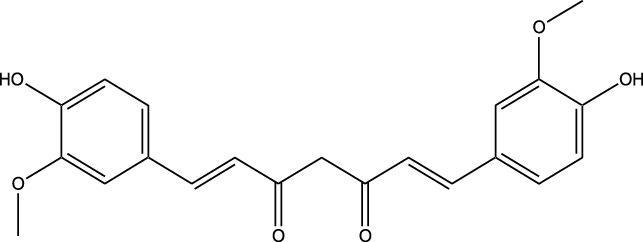 Figure 1
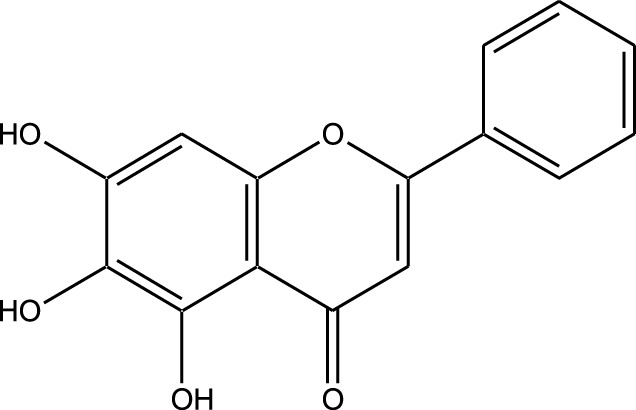 Figure 2
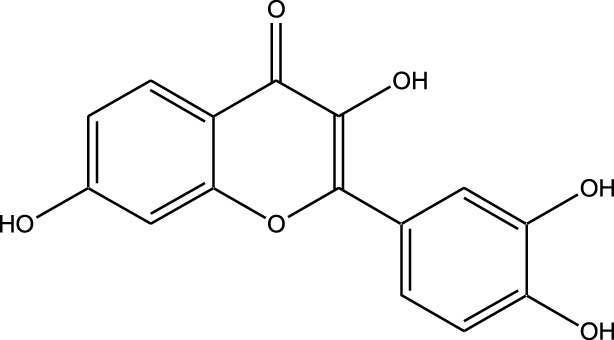 Figure 3
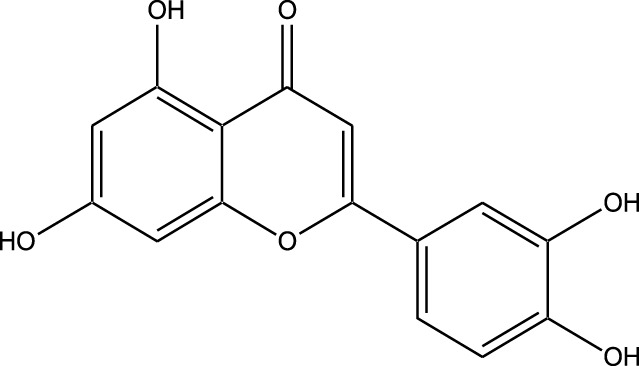 Figure 4
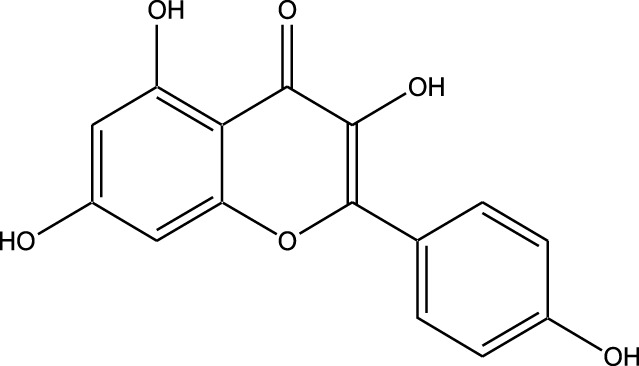 Figure 5
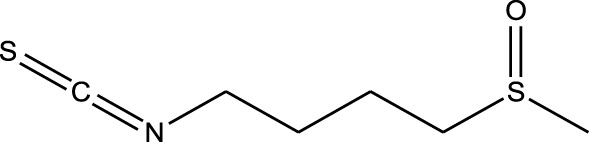 Figure 6
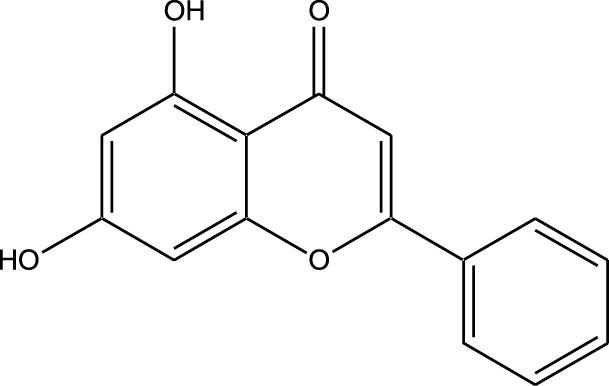 Figure 7
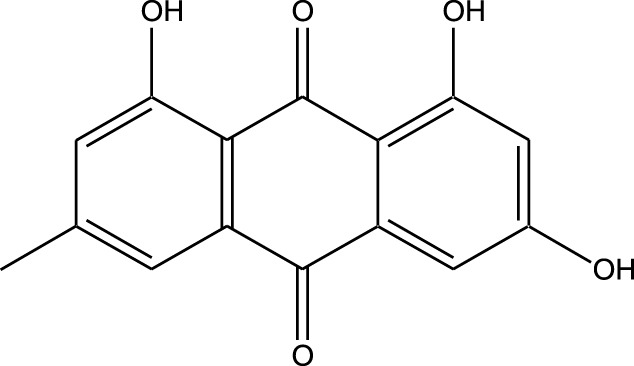 Figure 8
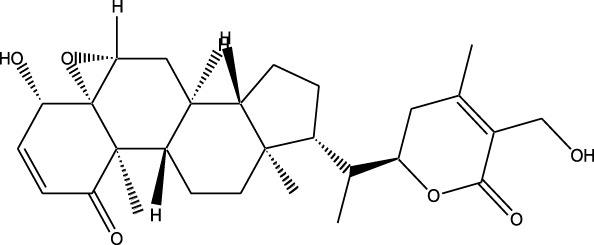 Figure 9
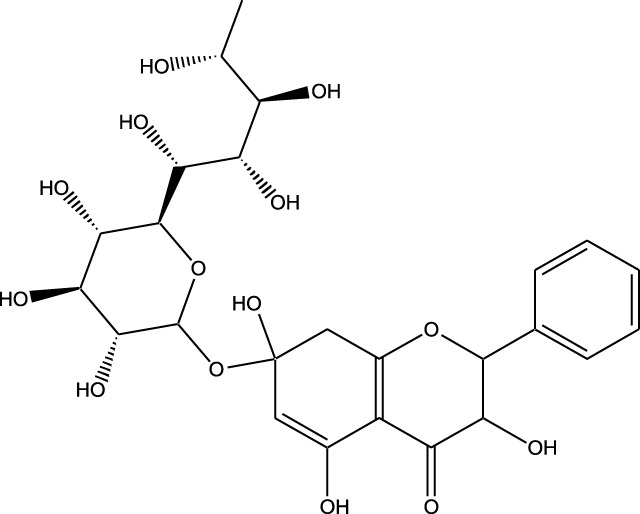 Figure 10
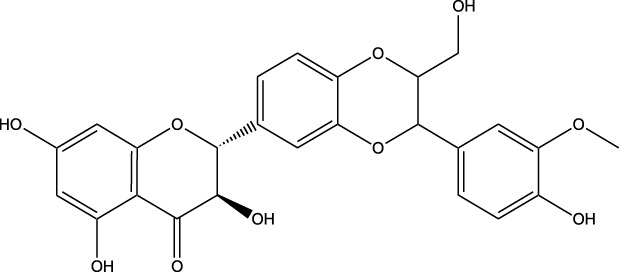 Figure 11
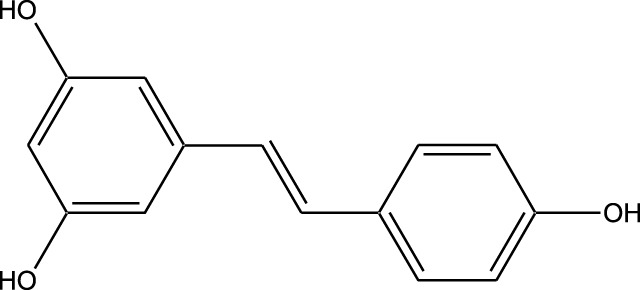 Figure 12
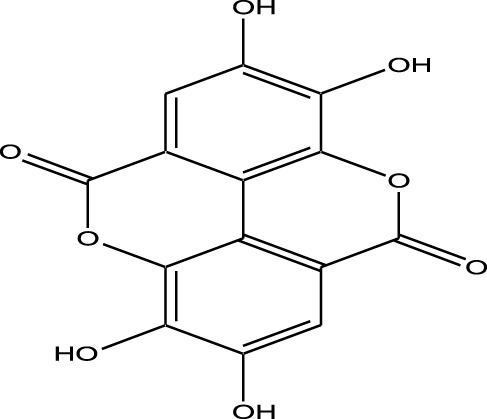 Figure 13
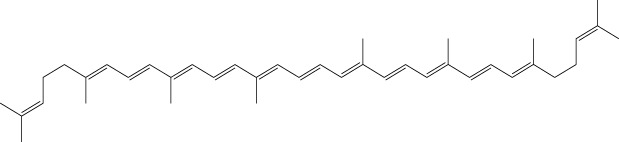 Figure 14
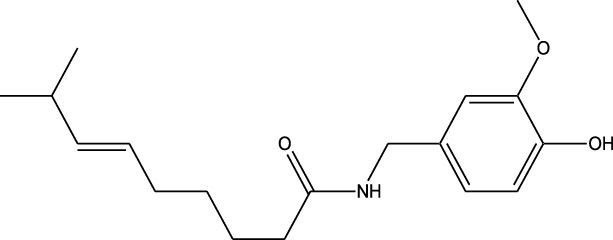 Figure 15
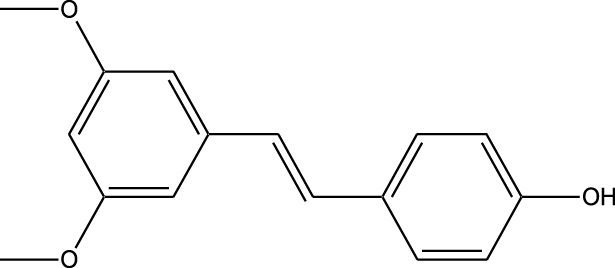 Figure 16
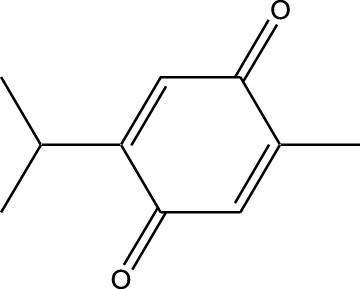 Figure 17
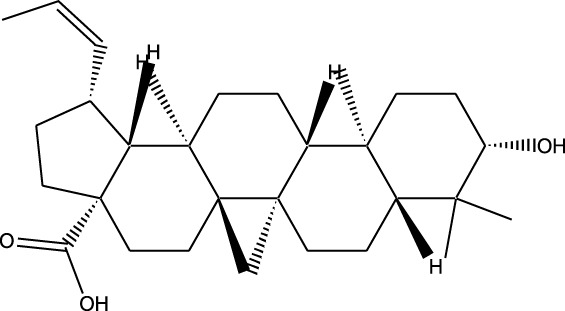 Figure 18
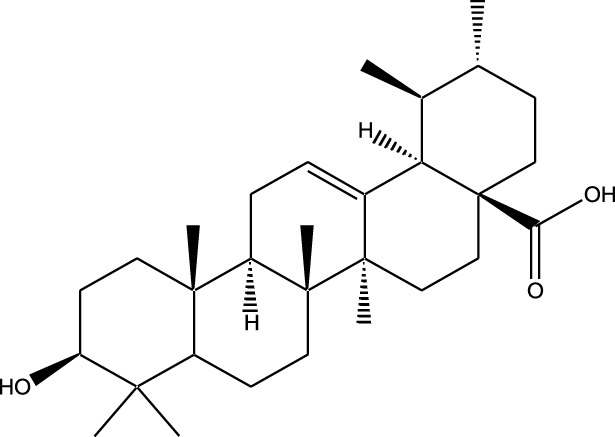 Figure 19
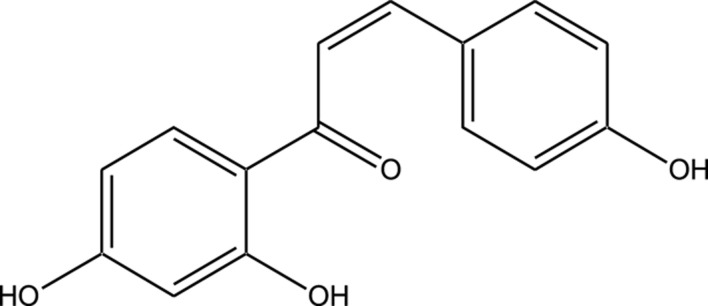 Figure 20
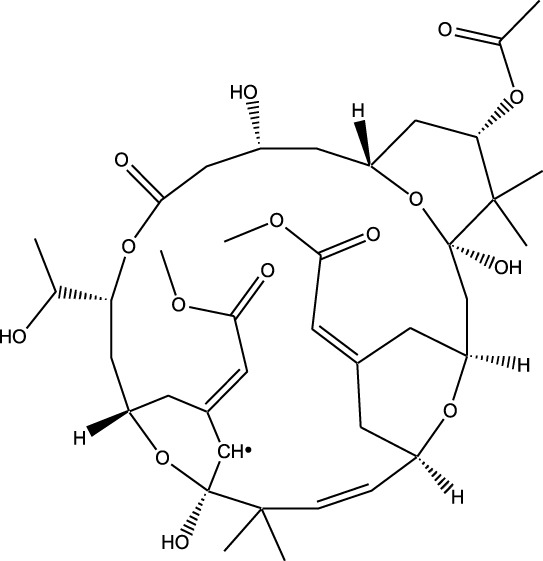 Figure 21
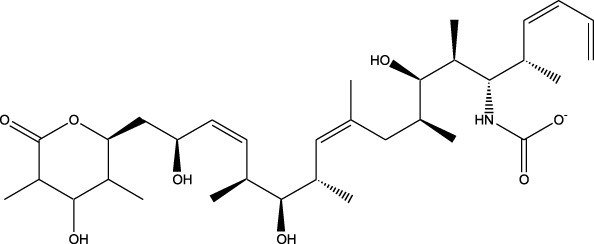 Figure 22
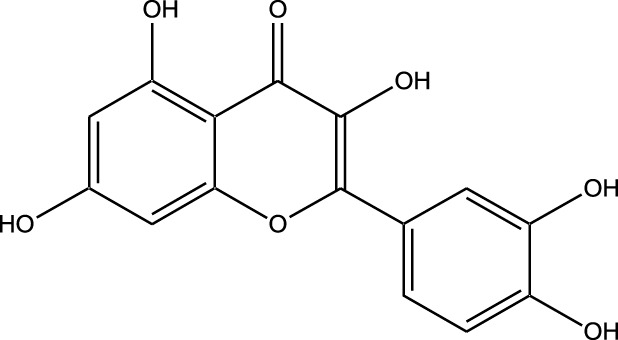 Figure 23
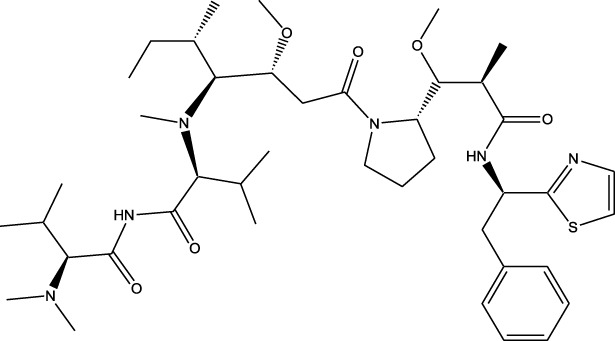 Figure 24
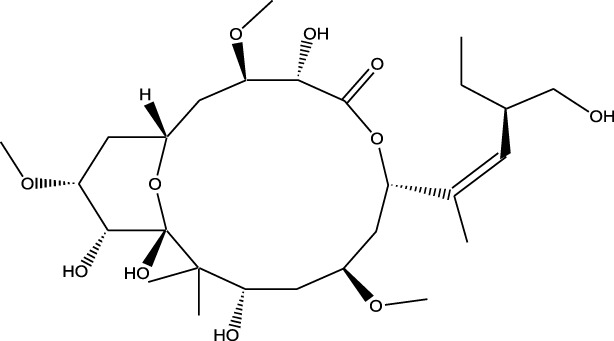 Figure 25
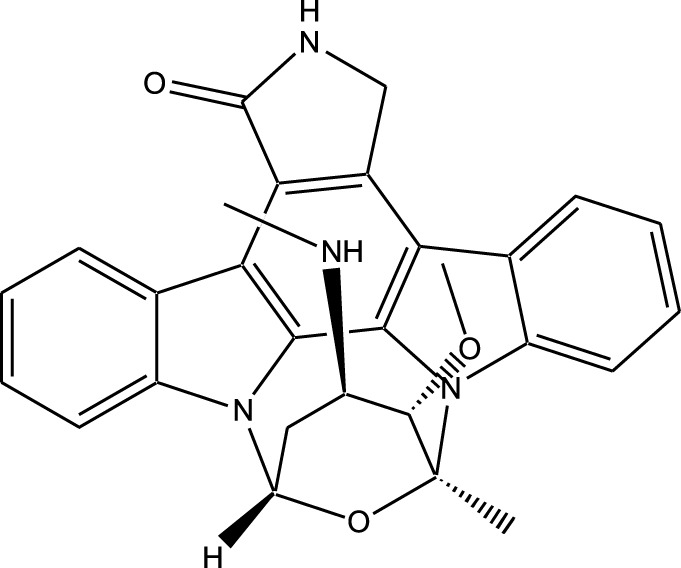 Figure 26
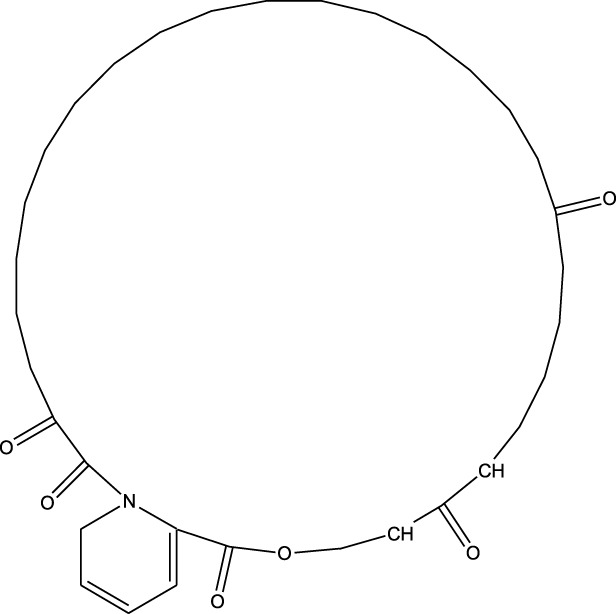 Figure 27
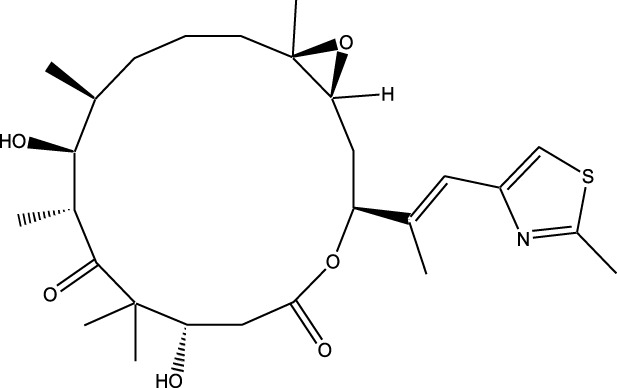 Figure 28
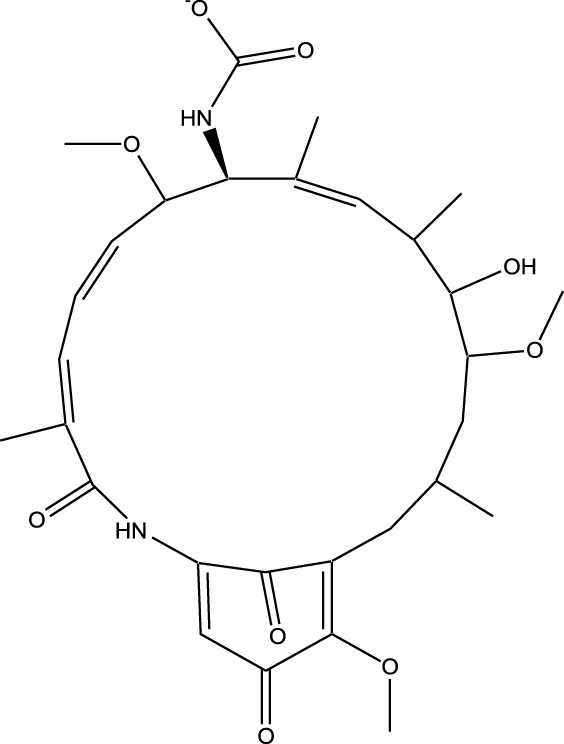 Figure 29
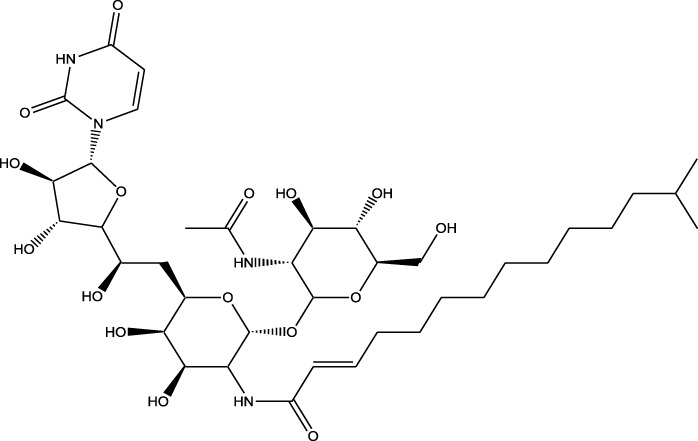 Figure 30
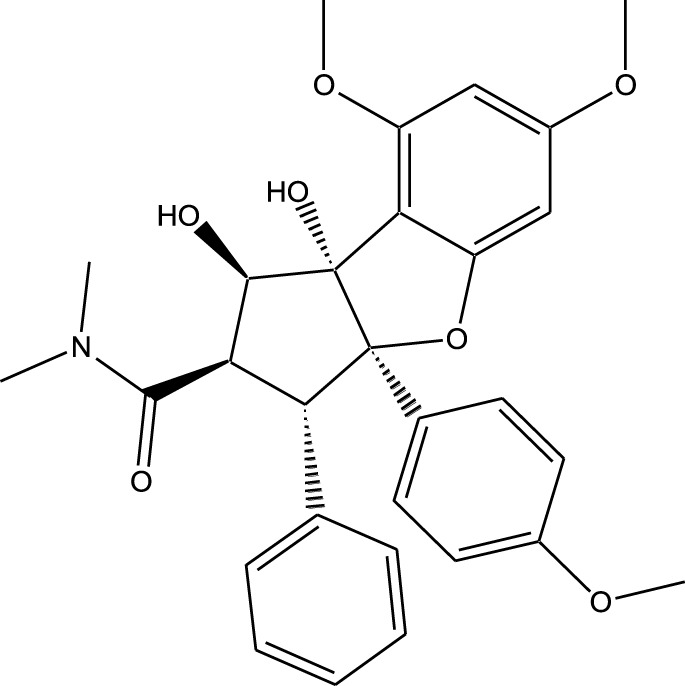 Figure 31
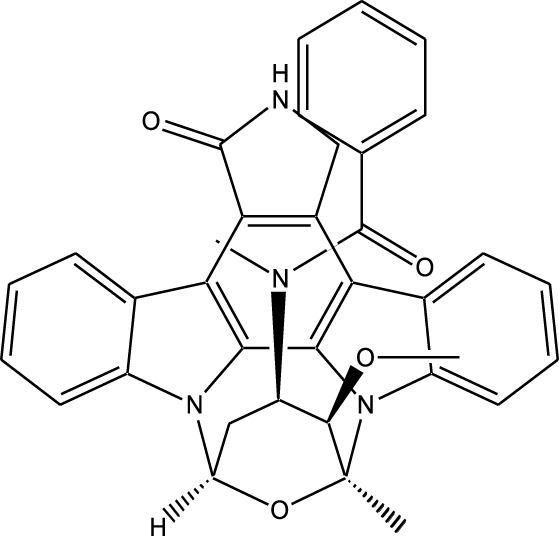 Figure 32
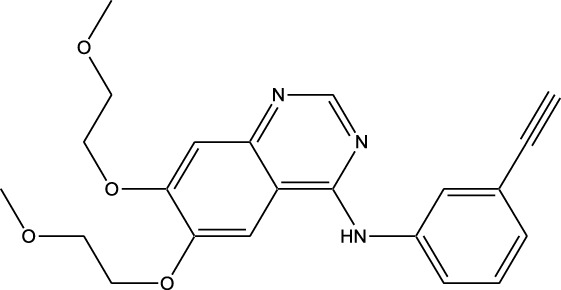 Figure 33
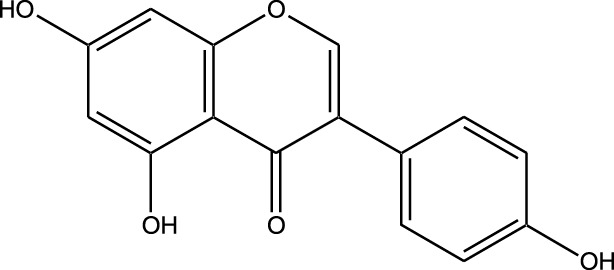 Figure 34
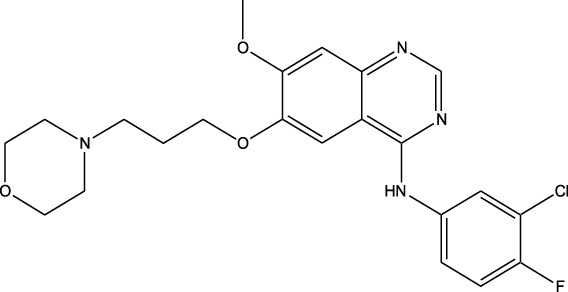 Figure 35
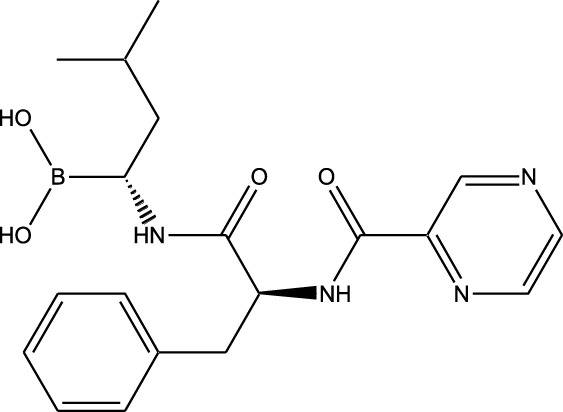 Figure 36
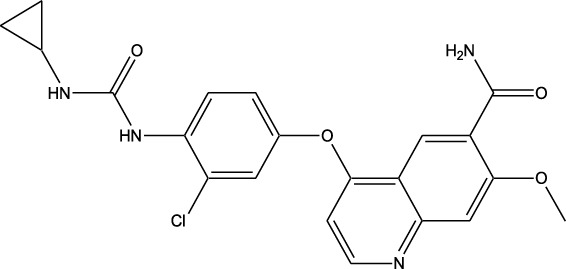 Figure 37
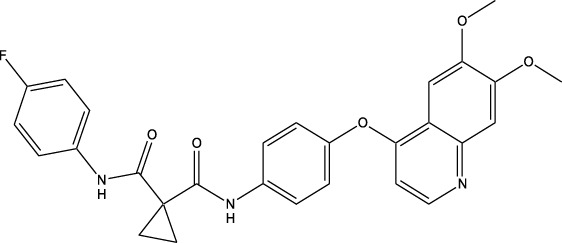 Figure 38
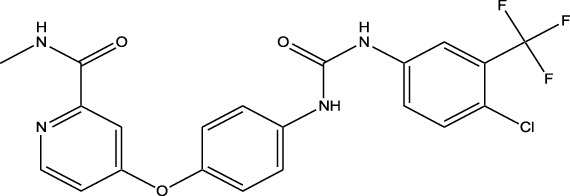 Figure 39
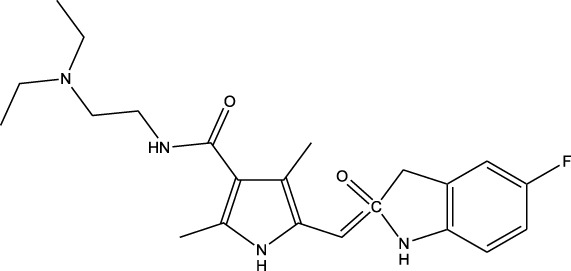 Figure 40
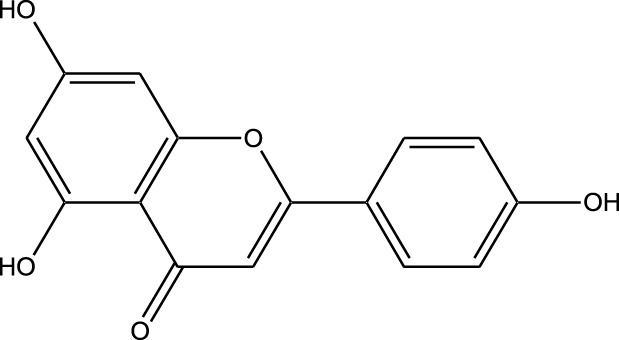 Figure 41
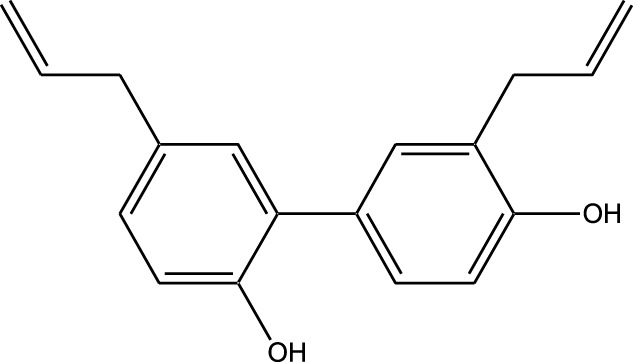 Figure 42
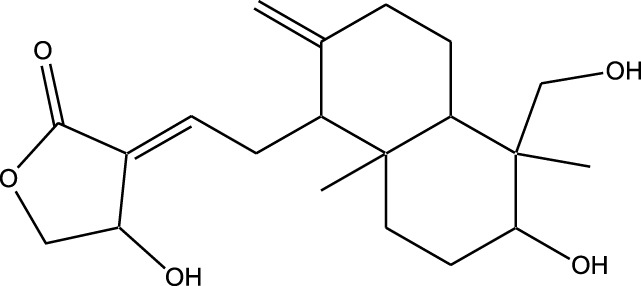 Figure 43
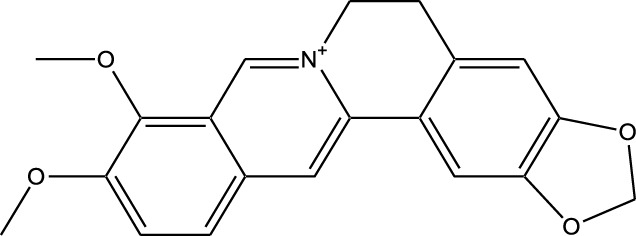 Figure 44
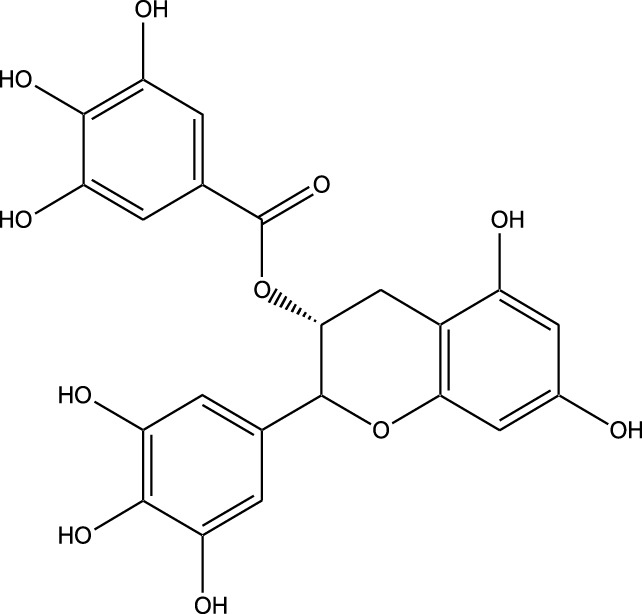 Figure 45
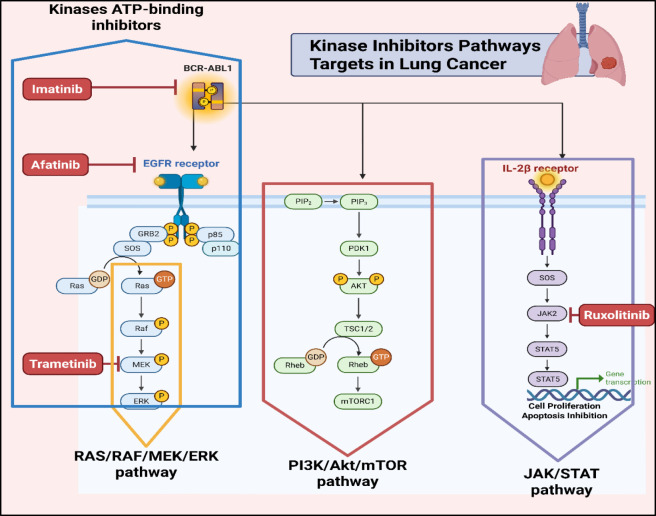 Figure 46
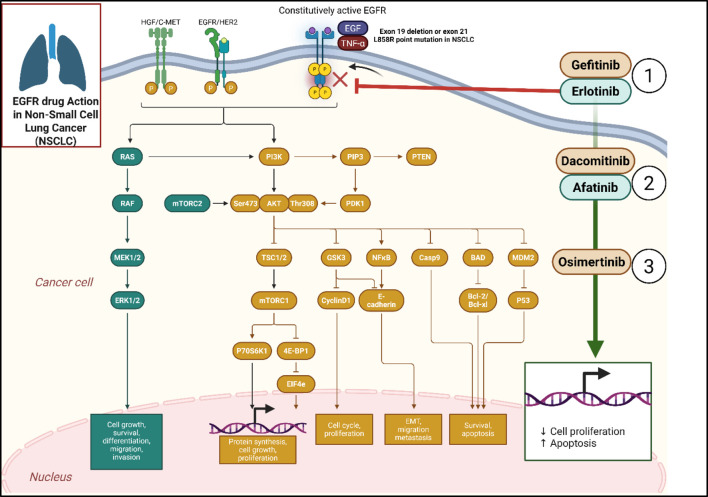 Figure 47
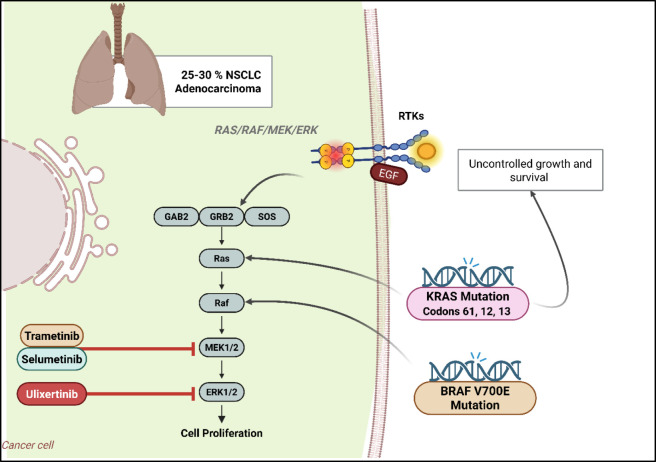 Figure 48
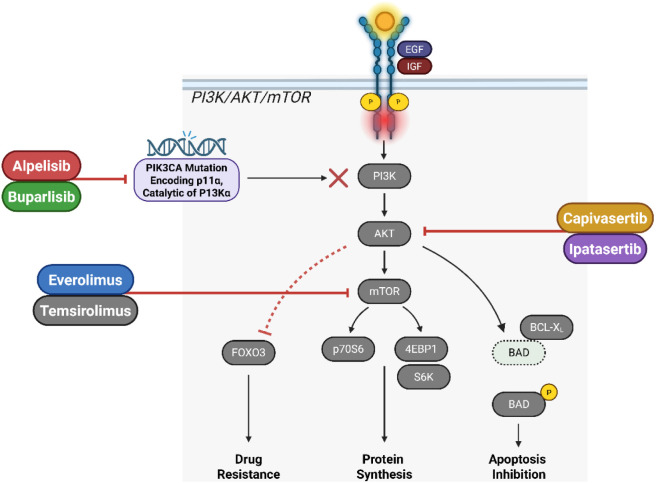 Figure 49
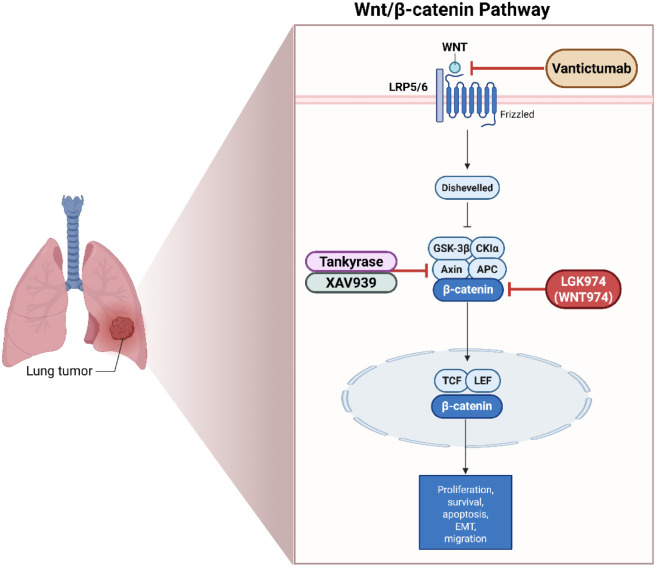 Figure 50
Peer Reviews
No public reviews on file for this paper yet. If you reviewed it on a platform where reviews are public (OpenReview, ICLR, NeurIPS, ICML), you can paste yours below so the community can read it here.
Videos
No videos yet. Explain this paper in a talk, walkthrough, or lecture? Add one.
Taxonomy
TopicsTannin, Tannase and Anticancer Activities · Curcumin's Biomedical Applications · Biological Research and Disease Studies