The mitochondrial and chloroplast genomes of Lagerstroemia suprareticulata revealed a convergent genome morphology in genetic material evolution
Bo Qin, Xin Huang, Rihong Jiang, Yaoheng Huang, Kaidao Sun, Jianling Li, Gangmin Zhang

TL;DR
This study reveals the mitochondrial genome of Lagerstroemia suprareticulata and its evolutionary patterns, offering insights into genetic material evolution in the Lythraceae family.
Contribution
The paper presents the first complete mitochondrial genome of L. suprareticulata and identifies convergent genome morphology in genetic evolution.
Findings
The mitochondrial genome is a 364,645 bp single cyclic structure with 46.20% GC content.
Gene rearrangement and homologous sequences suggest lineage-specific evolutionary patterns in Lagerstroemia.
Phylogenetic analysis confirms a close relationship between L. suprareticulata and L. indica.
Abstract
To investigate the mitochondrial genome characteristics and evolutionary dynamics of Lagerstroemia suprareticulata, we performed complete assembly and annotation of its mitochondrial genome, followed by comparative genomic analyses with related species. This research presents the initial comprehensive mitogenome of L. suprareticulata, a 364,645 bp independent single cyclic structure with a whole average GC content of 46.20%, twice the size of the chloroplast genome and an approximately similar tetrad structure. It comprised 62 functional genes and 386 open reading frames. Besides two long repeats above 800 bp, simple sequence repeat analysis revealed a predominance of mono-nucleotide and tetra-nucleotide repeats, which is consistent with patterns observed in most Lythraceae species. A total of 480 C-to-U RNA editing sites were predicted in 36 protein-coding genes, with the highest…
Genes, proteins, chemicals, diseases, species, mutations and cell lines named across the full text — each resolved to its canonical identifier and authoritative record.
Click any figure to enlarge with its caption.
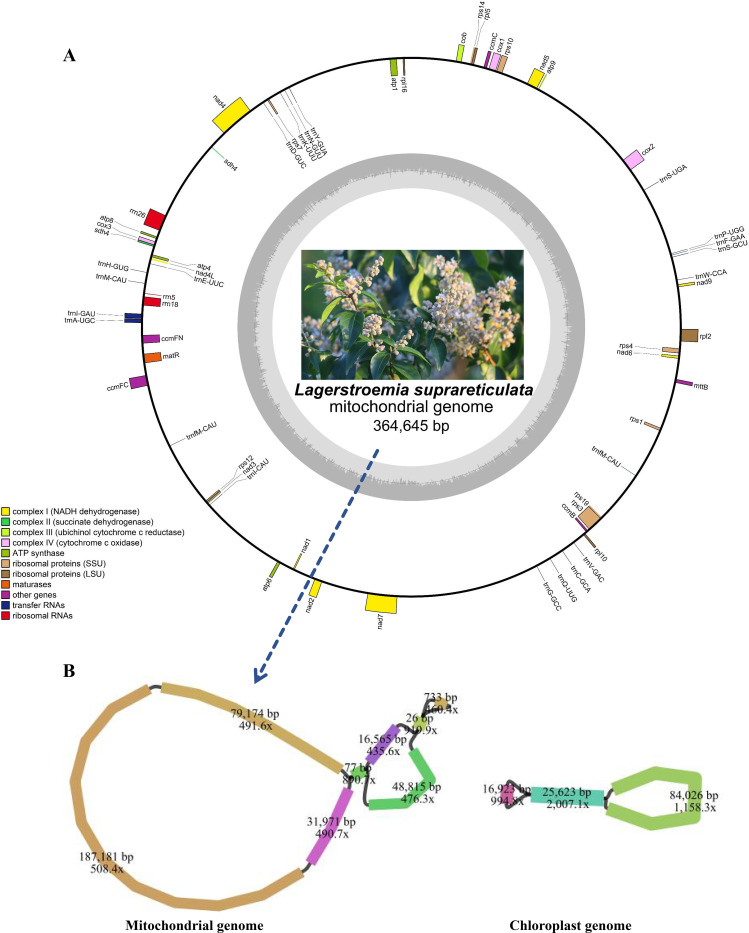 Figure 1
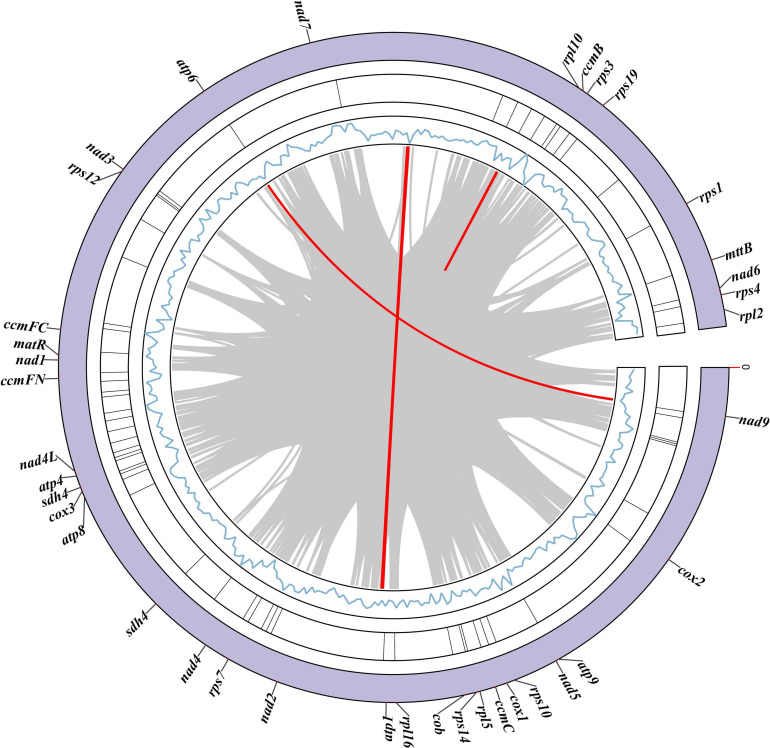 Figure 2
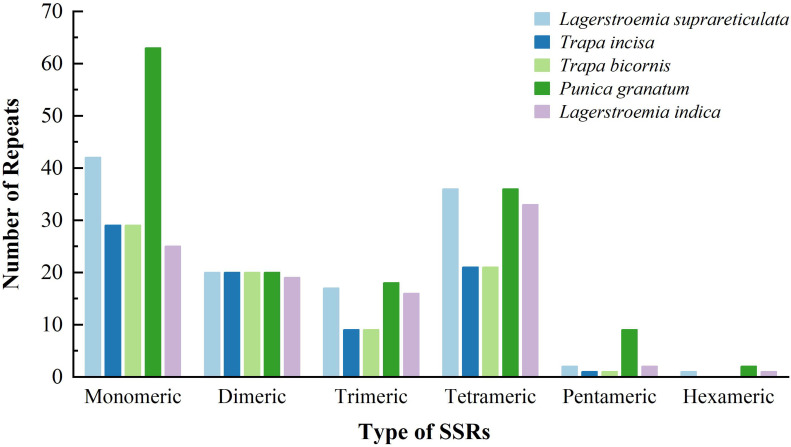 Figure 3
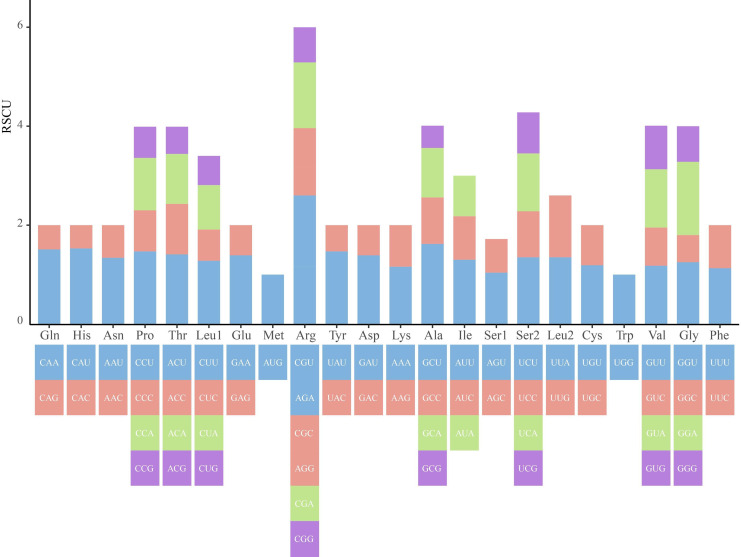 Figure 4
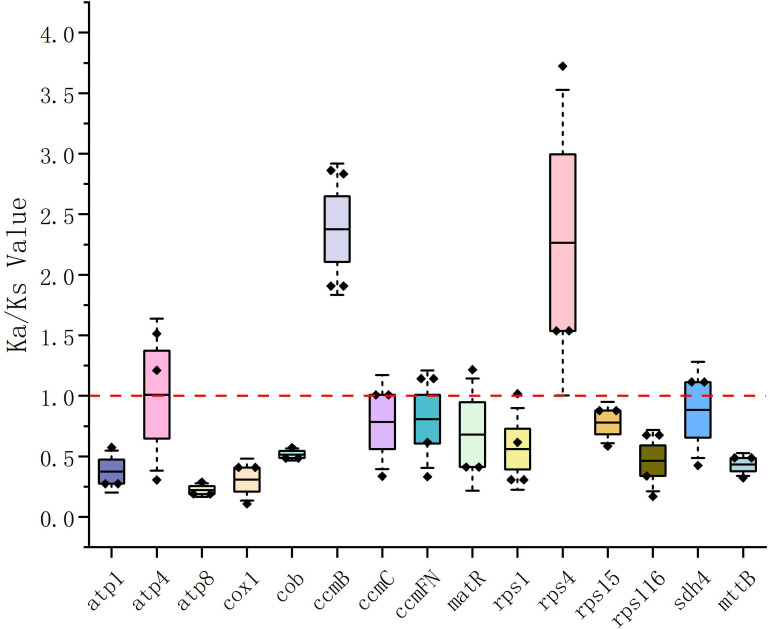 Figure 5
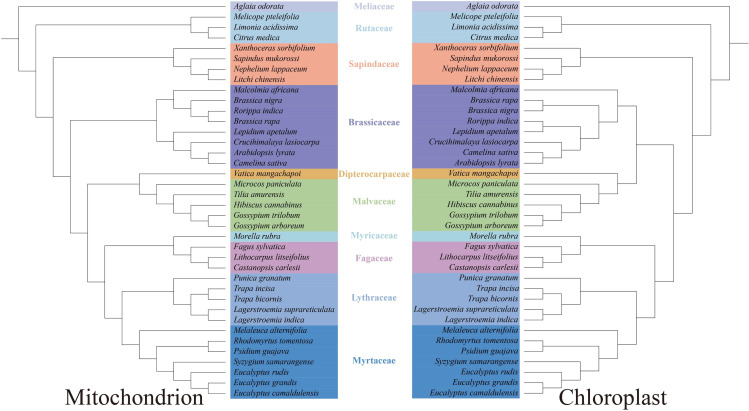 Figure 6
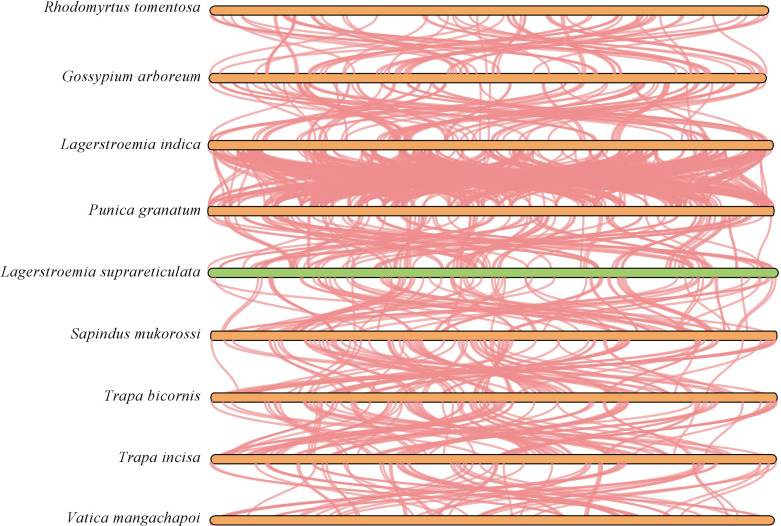 Figure 7
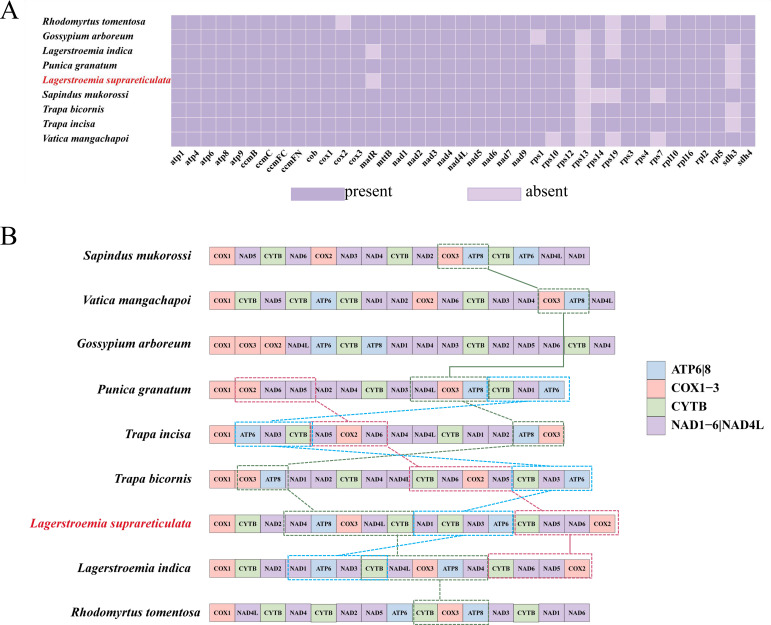 Figure 8
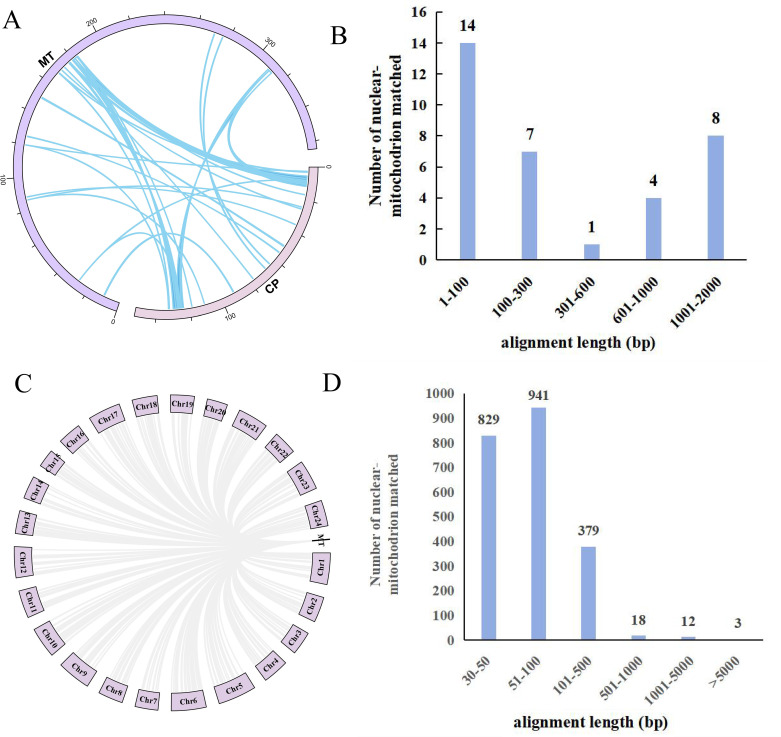 Figure 9
Peer Reviews
No public reviews on file for this paper yet. If you reviewed it on a platform where reviews are public (OpenReview, ICLR, NeurIPS, ICML), you can paste yours below so the community can read it here.
Videos
No videos yet. Explain this paper in a talk, walkthrough, or lecture? Add one.
Taxonomy
TopicsGenomics and Phylogenetic Studies · Photosynthetic Processes and Mechanisms · Protist diversity and phylogeny