Dose-dependent effects of dietary quercetin on performance, egg quality, metabolic health, and antioxidant defense in laying hens: A systematic review and meta-analysis
Slamet Hartanto, Heru Ponco Wardono, Heri Kurnianto, Franciscus Rudi Prasetyo Hantoro, Amrih Prasetyo, Bambang Haryanto, Rini Nur Hayati, Dini Dwi Ludfiani, Rita Purwasih, Aan Andri Yano, Joko Sujiwo, Aera Jang, Sugiharto Sugiharto

TL;DR
This study finds that adding quercetin to laying hens' diets improves egg quality, health, and productivity, with best results at doses of 400–600 mg/kg.
Contribution
The study quantifies dose-dependent effects of quercetin on laying hens and identifies optimal supplementation levels.
Findings
Quercetin improved laying rate, egg weight, and yolk color while reducing feed-to-egg ratio.
Optimal quercetin doses for maximum benefits were found to be 400–600 mg/kg.
Quercetin reduced blood cholesterol and increased antioxidant levels in hens.
Abstract
Quercetin is a plant-derived flavonoid known for its antioxidant and metabolic regulatory properties. Many studies have assessed its effects on laying hen performance, egg quality, blood metabolites, and oxidative status; however, the results have been inconsistent, mainly due to differences in dosage, duration, hen age, and quercetin form. This meta-analysis aims to quantitatively synthesize the available evidence and examine the dose–response relationships of dietary quercetin supplementation on productive performance, egg quality traits, blood metabolites, and antioxidant defenses in laying hens. A systematic literature search of Scopus and Web of Science identified 27 eligible studies published in English. Effect sizes were calculated as mean differences (MDs) using a restricted maximum likelihood random-effects model. Subgroup and meta-regression analyses were conducted to…
Genes, proteins, chemicals, diseases, species, mutations and cell lines named across the full text — each resolved to its canonical identifier and authoritative record.
Click any figure to enlarge with its caption.
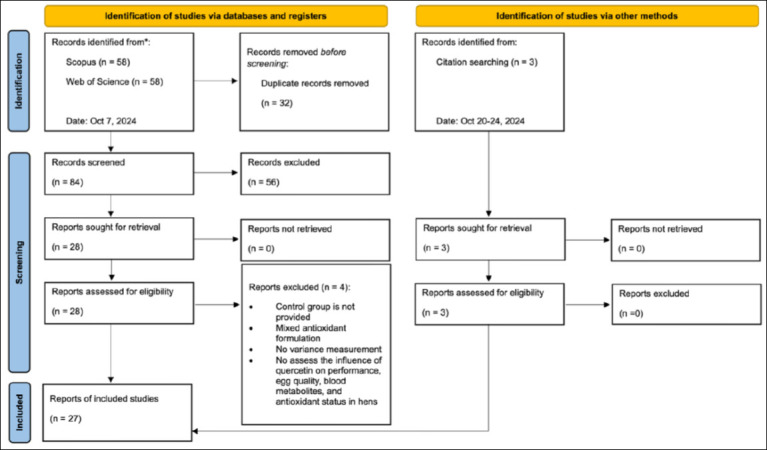 Figure 1
 Figure 2
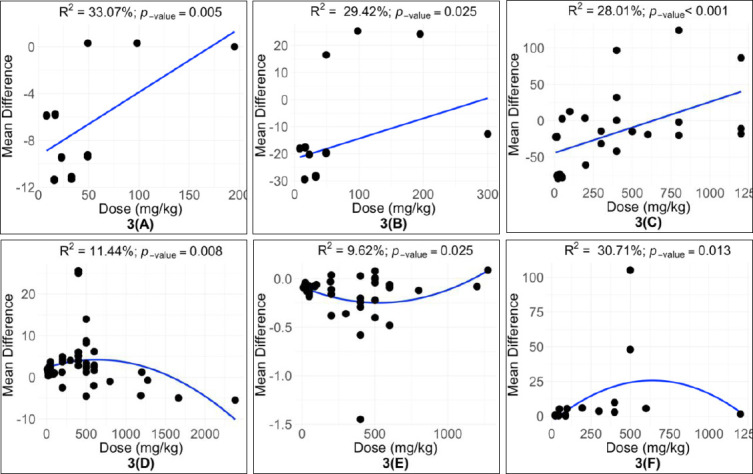 Figure 3
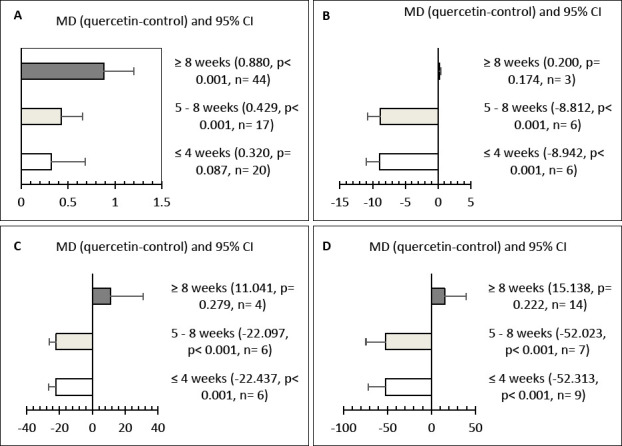 Figure 4
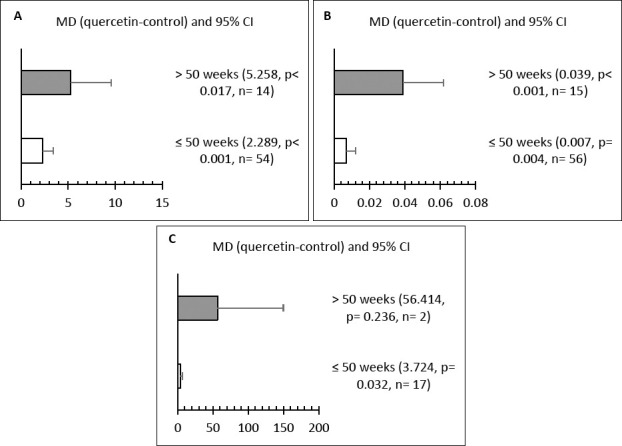 Figure 5
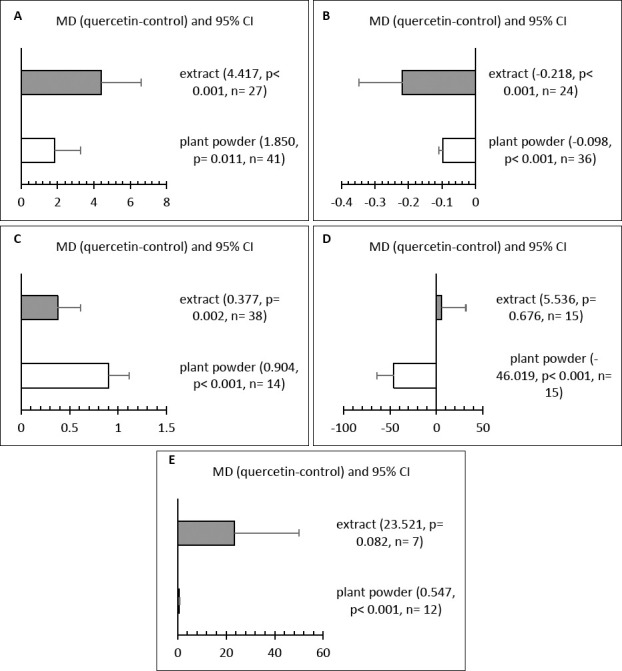 Figure 6
Peer Reviews
No public reviews on file for this paper yet. If you reviewed it on a platform where reviews are public (OpenReview, ICLR, NeurIPS, ICML), you can paste yours below so the community can read it here.
Videos
No videos yet. Explain this paper in a talk, walkthrough, or lecture? Add one.
Taxonomy
TopicsAnimal Nutrition and Physiology · Antioxidant Activity and Oxidative Stress · Coccidia and coccidiosis research