Proteomic signatures of cervical mucus associated with fertility in Bali heifers (Bos javanicus): Implications for biomarker-based selection in artificial insemination programs
Muhammad Yusuf, Abdul Latief Toleng, Hasrin Hasrin, Abdullah Baharun, Athhar Manabi Diansyah, Santoso Santoso, Rahmat Rahmat, Andi Muhammad Alfian, Masturi Masturi, Sahiruddin Sahiruddin, Muhammad Fajar Amrullah, Ahmad Alfaruqi Syahrandi Adam, Miftahul Jannah

TL;DR
This study identifies specific proteins in cervical mucus linked to fertility in Bali heifers, offering new biomarkers to improve artificial insemination success.
Contribution
The study provides the first proteomic analysis of cervical mucus in relation to fertility in Bali cattle, identifying novel biomarkers for improved artificial insemination.
Findings
Thirteen proteins showed significant differential abundance between good and poor cervical mucus groups.
NT5E, lactoferrin, and SCGB1D were enriched in good mucus, while CFI, haptoglobin, and MUC5AC were enriched in poor mucus.
NT5E, CFI, and haptoglobin demonstrated excellent discriminative performance for fertility status.
Abstract
Despite strong adaptive traits, the reproductive efficiency of Bali cattle (Bos javanicus) remains suboptimal, with low conception rates following artificial insemination (AI). Cervical mucus (CM) is a critical factor in sperm transport and fertilization; however, its molecular basis in relation to fertility has not been elucidated in this indigenous breed. This study aimed to characterize the proteomic profile of CM in Bali heifers and to identify protein biomarkers associated with fertility-related mucus quality. The study was conducted between February and August 2024 in South Sulawesi, Indonesia. Forty clinically healthy Bali heifers (2–3 years old) were sampled during natural oestrus and divided into good CM (GCM; n = 20) and poor CM (PCM; n = 20) groups using a validated five-parameter biophysical scoring system. CM proteins were extracted and analyzed using one-dimensional…
Genes, proteins, chemicals, diseases, species, mutations and cell lines named across the full text — each resolved to its canonical identifier and authoritative record.
Click any figure to enlarge with its caption.
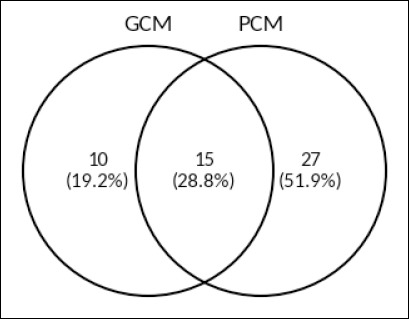 Figure 1
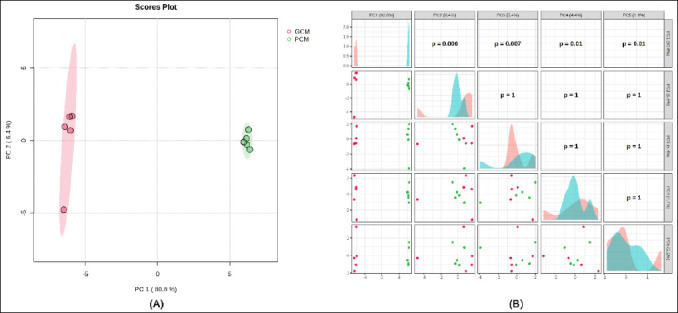 Figure 2
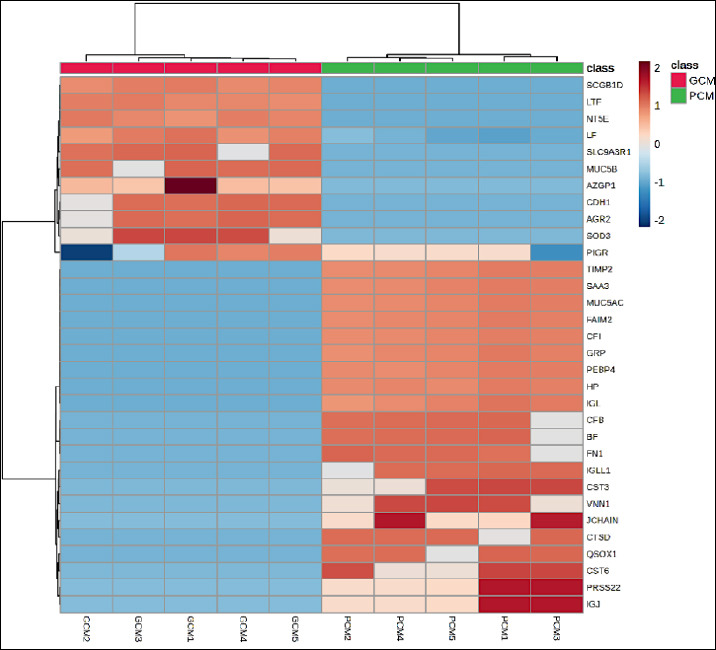 Figure 3
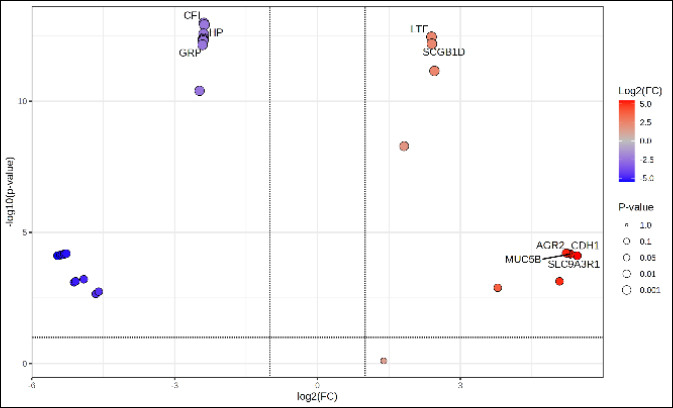 Figure 4
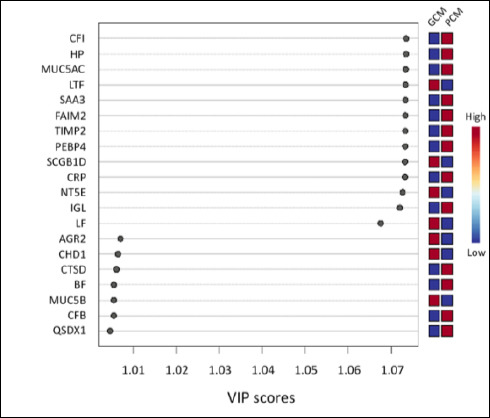 Figure 5
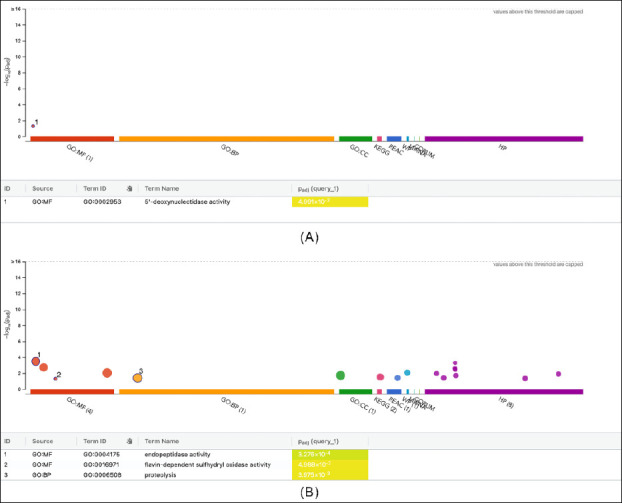 Figure 6
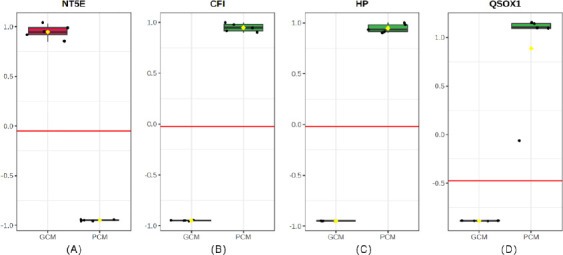 Figure 7
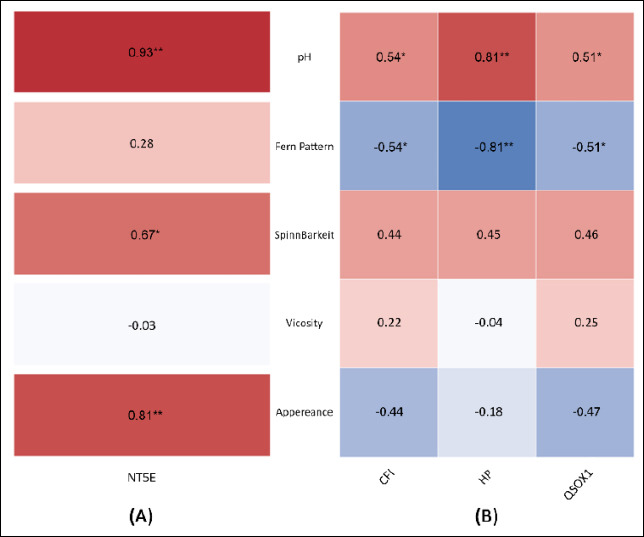 Figure 8
Peer Reviews
No public reviews on file for this paper yet. If you reviewed it on a platform where reviews are public (OpenReview, ICLR, NeurIPS, ICML), you can paste yours below so the community can read it here.
Videos
No videos yet. Explain this paper in a talk, walkthrough, or lecture? Add one.
Taxonomy
TopicsReproductive Physiology in Livestock · Sperm and Testicular Function · Reproductive Biology and Fertility