Fifteen-day topical ketorolac tromethamine, with and without benzalkonium chloride, alters tear function, goblet cell density, and meibomian gland integrity in healthy cats
Bruna Carvalho Silveira, Alexandre Pinto Ribeiro, Matheus Anthony Mendes, Maria Gabriela de Mendonça Mazetti, Douglas Lisboa Ramalho, Anderson Oliveira Souza, Nathalia de Assis Pereira, Nataliê Ecker

TL;DR
Long-term use of ketorolac eye drops in cats can cause dry eye symptoms and damage to eye tissues, especially when preservatives are included.
Contribution
The study is the first to evaluate the effects of ketorolac formulations on feline ocular surface health over 15 days.
Findings
Both ketorolac formulations reduced tear production and goblet cell density in cats.
BACKT caused more meibomian gland loss and higher lipid peroxidation compared to FKT.
No significant corneal staining or hyperemia was observed in any group.
Abstract
Topical nonsteroidal anti-inflammatory drugs are commonly used in feline ophthalmology, especially for long-term management of uveitis after cataract surgery. However, there is very limited data on how they affect the feline ocular surface, particularly the conjunctival tissue, goblet cell density (GCD), meibomian glands (MGs), and oxidative stress. This study assessed whether 15-day, thrice-daily application of 0.45% preservative-free ketorolac tromethamine (FKT) or 0.4% benzalkonium chloride (BAC)–preserved ketorolac tromethamine (BACKT) influences ocular surface disease scores, tear film parameters, GCD, MG morphology, matrix metalloproteinase-9 (MMP-9), and oxidative stress biomarkers (OSB) in healthy cats. A prospective, randomized, double-masked, crossover design was used with 13 healthy cats. Each cat received FKT in one eye and BACKT in the other eye every 8 h for 15 days,…
Genes, proteins, chemicals, diseases, species, mutations and cell lines named across the full text — each resolved to its canonical identifier and authoritative record.
Click any figure to enlarge with its caption.
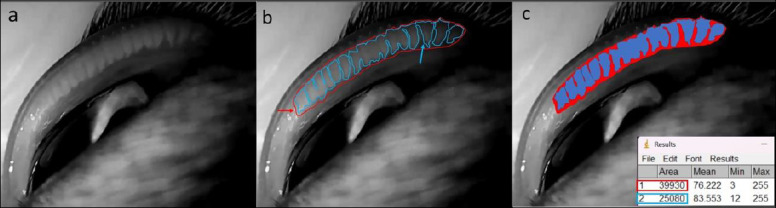 Figure 1
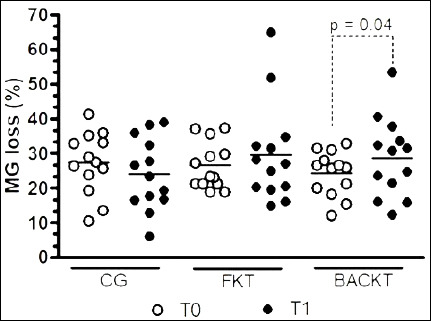 Figure 2
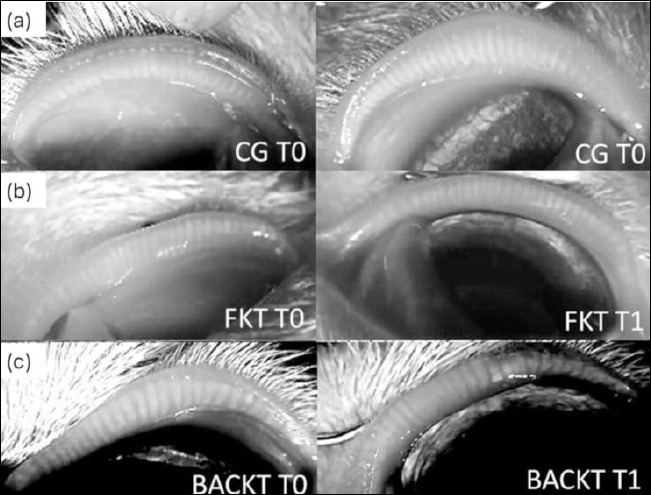 Figure 3
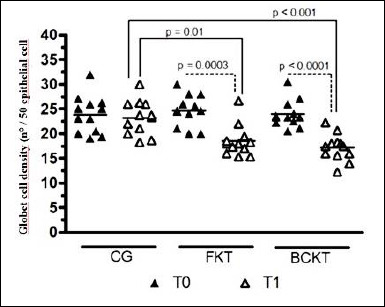 Figure 4
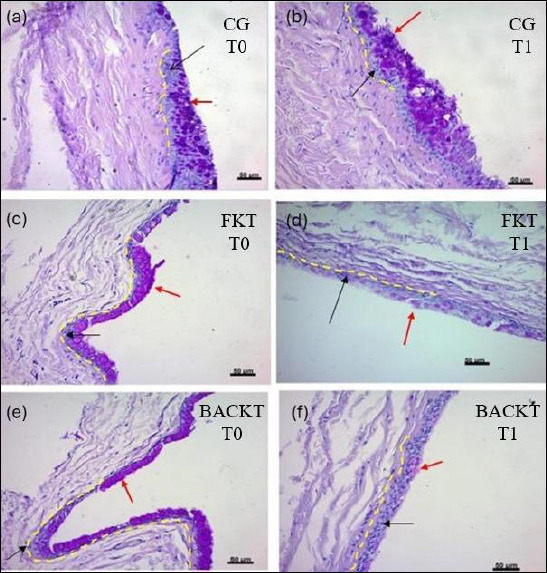 Figure 5
Peer Reviews
No public reviews on file for this paper yet. If you reviewed it on a platform where reviews are public (OpenReview, ICLR, NeurIPS, ICML), you can paste yours below so the community can read it here.
Videos
No videos yet. Explain this paper in a talk, walkthrough, or lecture? Add one.
Taxonomy
TopicsOcular Surface and Contact Lens · Ocular Infections and Treatments · Nasolacrimal Duct Obstruction Treatments