Dietary 5-aminolevulinic acid modulates gut microbiota, reduces oxidative stress, and enhances immune status in weanling piglets: An 8-week exploratory study
Shodai Ishikawa, Kiyonori Kawasaki², Kiminobu Yano, Kimiko Kazumura, Takamitsu Tsukahara, Shin Taniguchi, Hiroto Miura, Ryo Inoue

TL;DR
Adding 5-aminolevulinic acid to piglet diets changed gut bacteria, reduced oxidative stress, and boosted immunity, suggesting potential benefits for pig health.
Contribution
This study is the first to show that 5-ALA supplementation modulates gut microbiota and improves immune-oxidative profiles in weanling piglets.
Findings
5-ALA enriched gut bacteria linked to short-chain fatty acid production, such as Coprococcus and Phascolarctobacterium.
5-ALA reduced oxidative stress markers in leukocytes and increased plasma IgG levels in piglets.
Changes in gut microbiota correlated with improved immune and oxidative status in supplemented piglets.
Abstract
Five-aminolevulinic acid (5-ALA), a precursor in heme biosynthesis, has gained attention as a functional feed additive due to its reported benefits on metabolism, redox balance, and immunity. Although supplementation in sows and broilers has demonstrated favorable physiological outcomes, its effects on the gut microbiota and immune–oxidative profiles of weanling piglets remain unclear. This study aimed to evaluate whether 5-ALA supplementation modifies fecal microbiota composition and influences oxidative stress and immune parameters in piglets during the post-weaning period. Twelve 28-day-old piglets were randomly allocated to a control or 5-ALA group (20 mg/kg feed) for 56 days. Body weight (BW), fecal samples, and blood samples were collected at 28, 56, and 84 days of age. Fecal microbiota was characterized by 16S rRNA sequencing (QIIME2). Oxidative stress and inflammatory markers…
Genes, proteins, chemicals, diseases, species, mutations and cell lines named across the full text — each resolved to its canonical identifier and authoritative record.
Click any figure to enlarge with its caption.
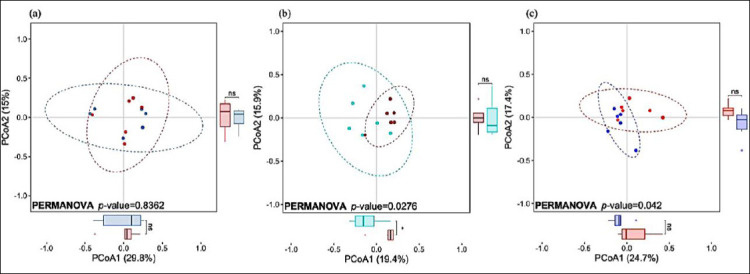 Figure 1
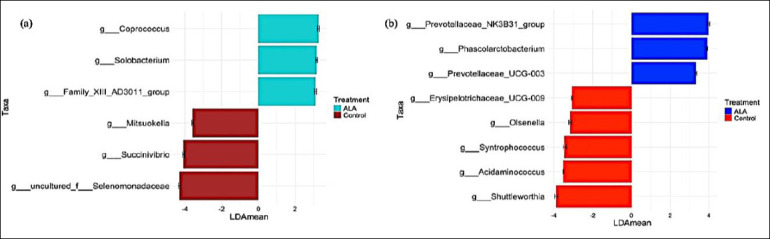 Figure 2
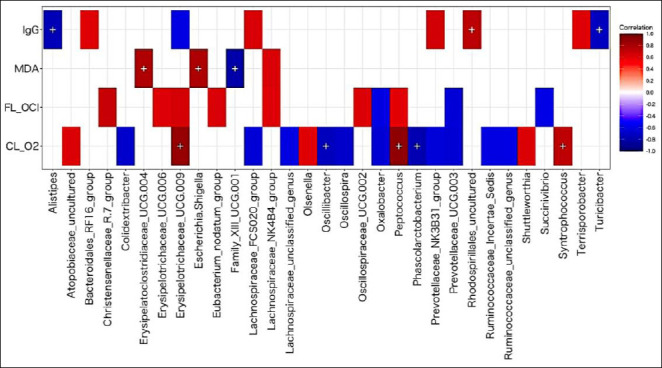 Figure 3
Peer Reviews
No public reviews on file for this paper yet. If you reviewed it on a platform where reviews are public (OpenReview, ICLR, NeurIPS, ICML), you can paste yours below so the community can read it here.
Videos
No videos yet. Explain this paper in a talk, walkthrough, or lecture? Add one.
Taxonomy
TopicsPlant Toxicity and Pharmacological Properties · Porphyrin Metabolism and Disorders · Heme Oxygenase-1 and Carbon Monoxide