Eccentric treadmill training and skeletal muscle immunometabolic responses in HFD-induced insulin resistance
Wei Luo, Yuanyuan Wang, Siyi He, Shijin Zhao, Yue Zhou, Lei Ai

TL;DR
Eccentric treadmill training improves insulin resistance in mice, possibly by reducing inflammation through AKT signaling.
Contribution
This study reveals that eccentric treadmill training reduces insulin resistance via AKT-mediated anti-inflammatory effects in skeletal muscle.
Findings
Eccentric treadmill training reversed HFD-induced insulin resistance and inflammation in skeletal muscle.
AKT activation suppressed M1 macrophage polarization and increased anti-inflammatory markers in vitro.
Phospho-AKT levels correlated with reduced pro-inflammatory cytokines and improved glucose metabolism.
Abstract
In recent years, repeated eccentric exercise has gained increasing attention as a potentially superior intervention for ameliorating insulin resistance (IR). However, the underlying mechanisms responsible for these effects remain incompletely understood. This study aims to investigate the effects and underlying mechanisms of moderate-intensity eccentric treadmill training on skeletal muscle IR. A mouse model of IR was established using a high-fat diet (HFD) for 12 weeks, followed by an 8-week eccentric treadmill training. In vitro, RAW264.7 macrophages under high-glucose conditions were treated with the AKT agonist SC79 or inhibitor MK2206. Comprehensive assessments included protein localization and expression (immunofluorescence, Western blot), macrophage polarization status (flow cytometry), inflammatory infiltration (H&E staining), cytokine profiles (ELISA), and cellular viability…
Genes, proteins, chemicals, diseases, species, mutations and cell lines named across the full text — each resolved to its canonical identifier and authoritative record.
Click any figure to enlarge with its caption.
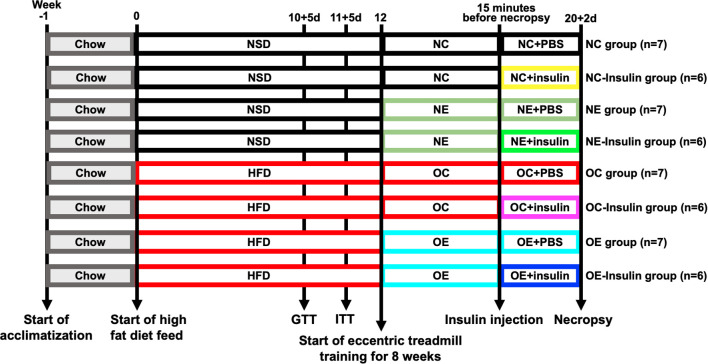 Figure 1
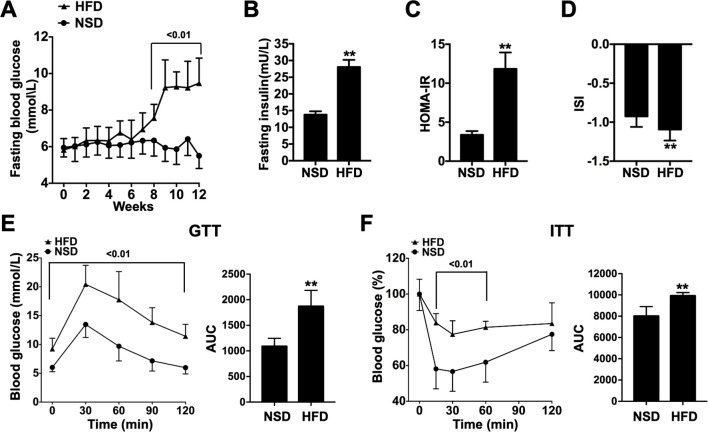 Figure 2
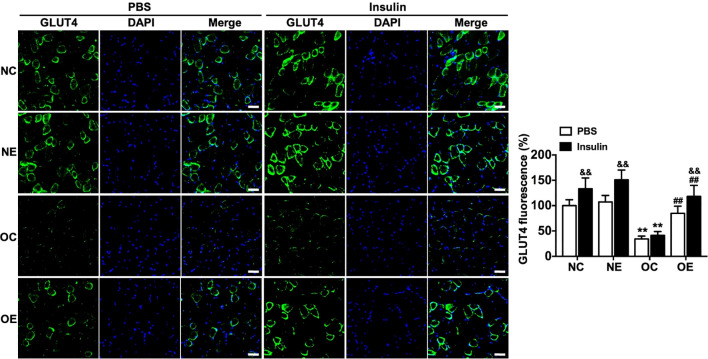 Figure 3
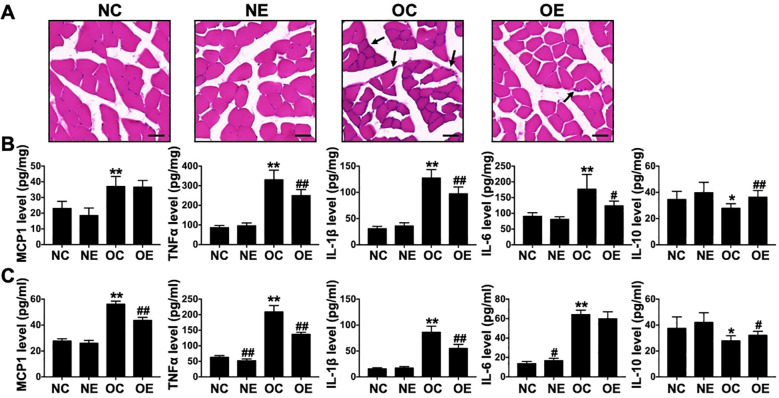 Figure 4
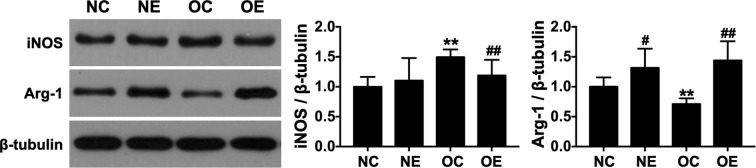 Figure 5
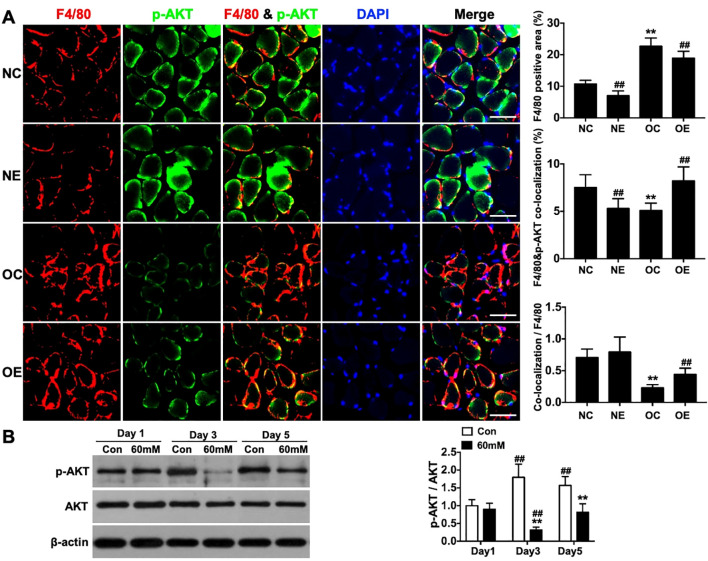 Figure 6
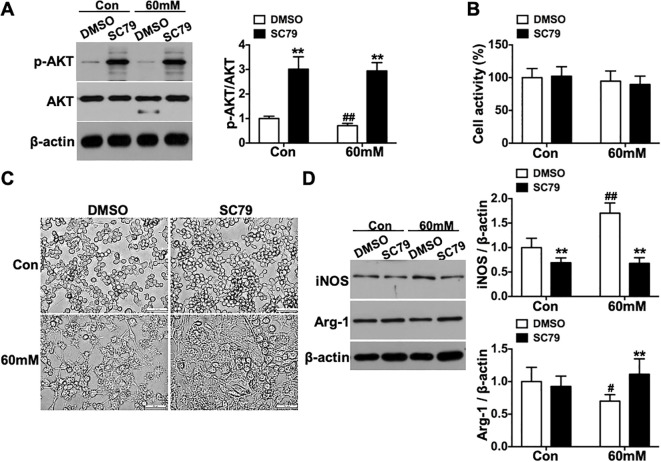 Figure 7
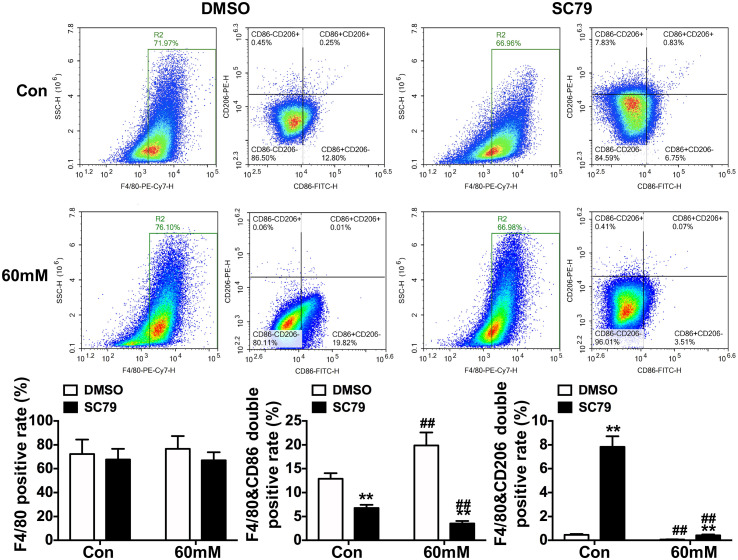 Figure 8
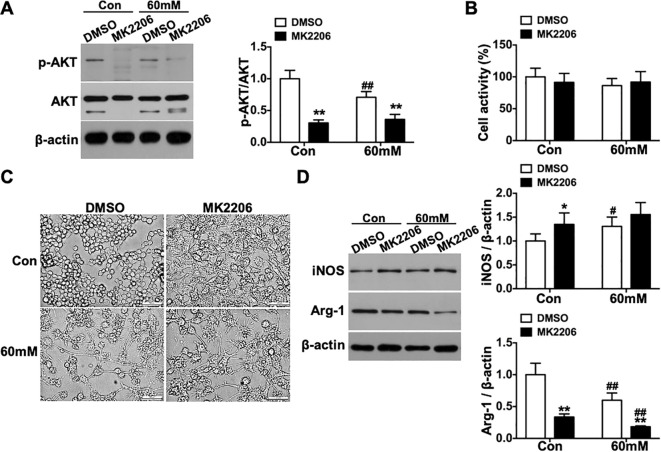 Figure 9
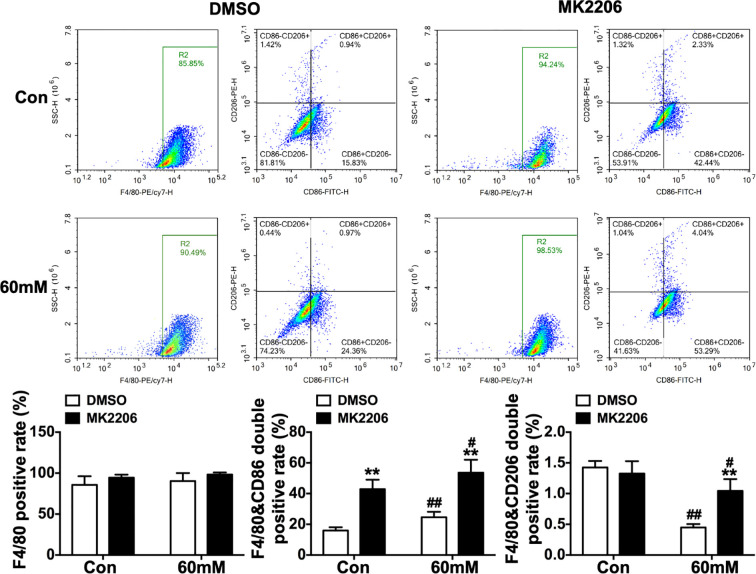 Figure 10
Peer Reviews
No public reviews on file for this paper yet. If you reviewed it on a platform where reviews are public (OpenReview, ICLR, NeurIPS, ICML), you can paste yours below so the community can read it here.
Videos
No videos yet. Explain this paper in a talk, walkthrough, or lecture? Add one.
Taxonomy
TopicsExercise and Physiological Responses · Adipokines, Inflammation, and Metabolic Diseases · Adipose Tissue and Metabolism