Rising antifungal resistance in Trichophyton species—the bleak future for treatment of dermatomycosis?
Anke Burmester, Jörg Tittelbach, Silke Uhrlass, Pietro Nenoff, Mario Fabri, Cornelia Wiegand

TL;DR
Trichophyton fungal infections are becoming harder to treat due to rising antifungal resistance, requiring new drugs and better treatment strategies.
Contribution
Highlights the growing threat of multidrug-resistant Trichophyton species and emphasizes the need for antifungal stewardship and novel therapies.
Findings
Multidrug-resistant Trichophyton indotineae is a major concern due to resistance mechanisms like efflux pumps and genetic mutations.
Current antifungal treatments are limited by poor tissue penetration and subtherapeutic drug levels.
Combination therapies and efflux pump inhibitors may improve outcomes for resistant infections.
Abstract
Dermatophyte infections, particularly those caused by Trichophyton species, represent a significant global health concern due to their high prevalence and increasing resistance to commonly used antifungal agents. While traditionally regarded as treatable with topical or systemic antifungals such as terbinafine and azoles, recent epidemiological shifts and misuse of antifungal medications have led to the emergence of multidrug-resistant strains, most notably Trichophyton indotineae (T. mentagrophytes subtype VIII). Resistance is often associated with genetic mutations in target enzymes and overexpression of efflux pumps. Inadequate treatment regimens, prolonged monotherapies, and combination with corticosteroids further exacerbate the selection of resistant isolates. Antifungal stewardship (AFS) is essential to combat resistance development. This includes targeted therapy based on…
Genes, proteins, chemicals, diseases, species, mutations and cell lines named across the full text — each resolved to its canonical identifier and authoritative record.
Click any figure to enlarge with its caption.
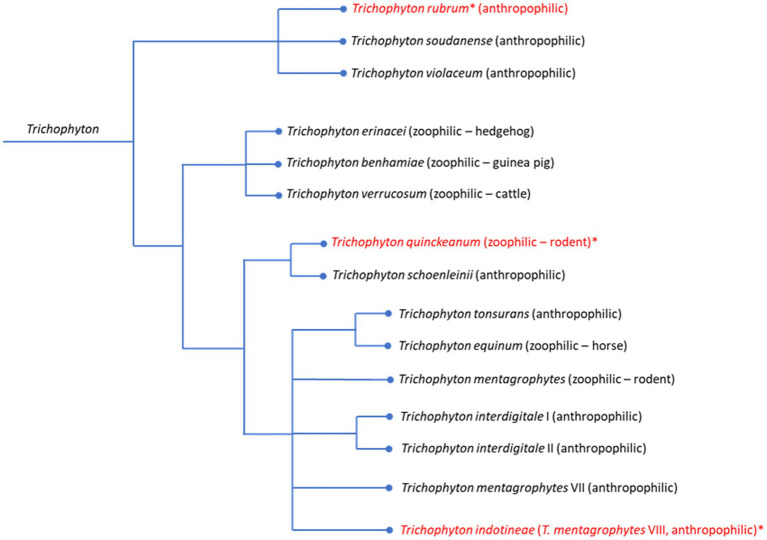 Figure 1
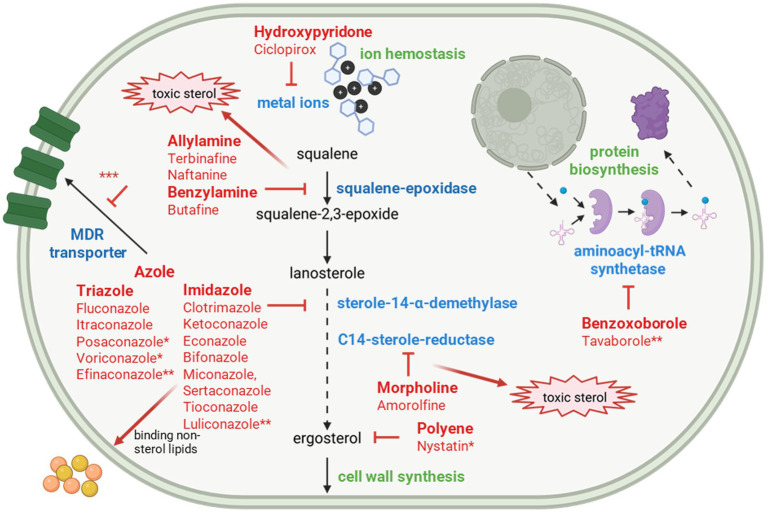 Figure 2
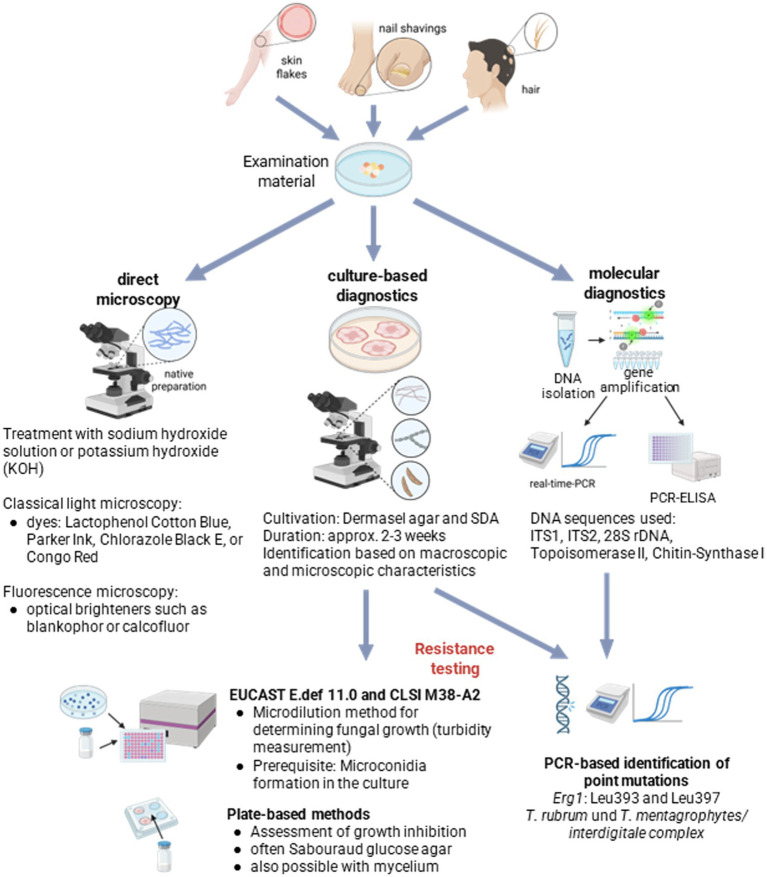 Figure 3
Peer Reviews
No public reviews on file for this paper yet. If you reviewed it on a platform where reviews are public (OpenReview, ICLR, NeurIPS, ICML), you can paste yours below so the community can read it here.
Videos
No videos yet. Explain this paper in a talk, walkthrough, or lecture? Add one.
Taxonomy
TopicsNail Diseases and Treatments · Dermatology and Skin Diseases · Acne and Rosacea Treatments and Effects