Polygenic score for C-reactive protein is linked to faster cortical thinning and psychopathology risk in adolescents
Haixia Zheng, Jonathan Savitz, Ebrahim Haroon, Jonathan Ahern, Robert J. Loughnan, Firas Naber, Bohan Xu, Katherine L. Forthman, Robin L. Aupperle, Leanne M. Williams, Martin P. Paulus, Chun Chieh Fan, Wesley K. Thompson

TL;DR
This study finds that genetic predisposition to inflammation is linked to faster brain changes and higher risk of mental health issues in adolescents.
Contribution
The study introduces a novel link between polygenic scores for C-reactive protein and adolescent brain development and psychopathology.
Findings
Higher PGS-CRP is associated with accelerated cortical thinning in medial temporal and insular regions.
PGS-CRP is linked to increased externalizing symptoms, partially mediated by cortical thinning.
Cortical effects of PGS-CRP show regional similarity to neurotransmitter systems.
Abstract
Adolescence is a sensitive period of brain development marked by rapid cortical thinning and increased risk for psychiatric disorders, yet the biological drivers of atypical trajectories remain unclear. Here, using longitudinal data from the Adolescent Brain Cognitive Development Study, we examined whether genetic predisposition to systemic inflammation, indexed by polygenic scores for C-reactive protein (PGS-CRP), influences brain development and psychopathology. Higher PGS-CRP was associated with accelerated cortical thinning, particularly in medial temporal and insular regions, and with increased externalizing symptoms. Early-life infections independently predicted greater depressive and externalizing symptoms but did not interact with genetic risk. Mediation analyses indicated that cortical thinning partially accounted for the association between PGS-CRP and externalizing…
Genes, proteins, chemicals, diseases, species, mutations and cell lines named across the full text — each resolved to its canonical identifier and authoritative record.
Click any figure to enlarge with its caption.
 Figure 1
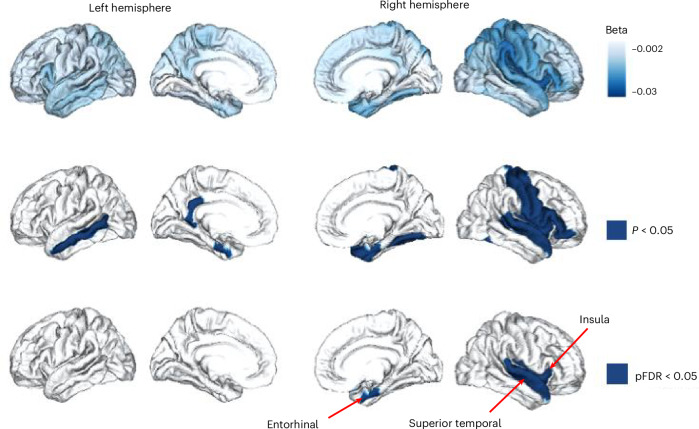 Figure 2
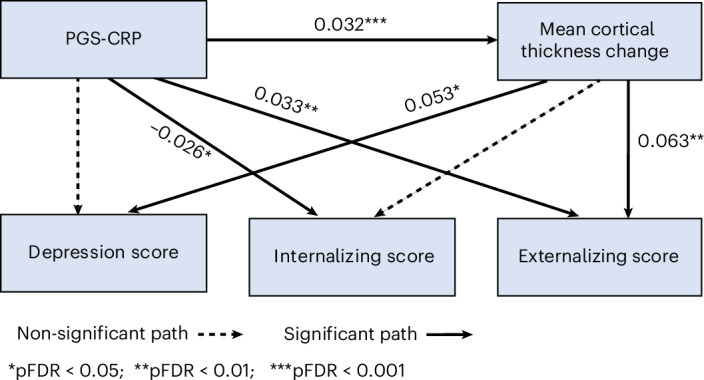 Figure 3
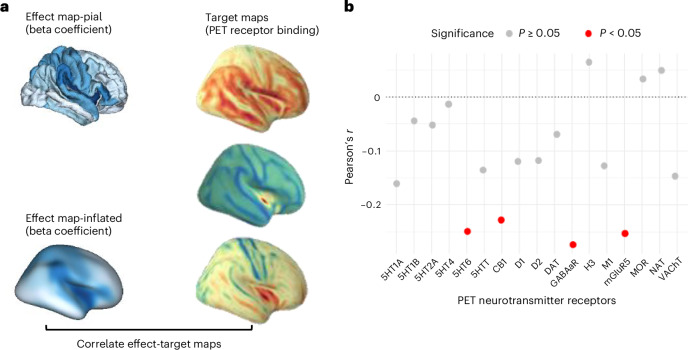 Figure 4
Peer Reviews
No public reviews on file for this paper yet. If you reviewed it on a platform where reviews are public (OpenReview, ICLR, NeurIPS, ICML), you can paste yours below so the community can read it here.
Videos
No videos yet. Explain this paper in a talk, walkthrough, or lecture? Add one.
Taxonomy
TopicsTryptophan and brain disorders · Stress Responses and Cortisol · Mental Health Research Topics