Multi-target neuroprotection of carbon dots derived from Crinis Carbonisatus in multiple acute epilepsy model
Kai Cheng, Jie Hu, Xiaoke Wang, Yifan Zhang, Xinrong Tian, Yan Huang, Chenxin He, Xiwen Zhang, Peng Zou, Jinyu Ma, Xiaohan Qu, Yue Zhang, Hui Kong, Yan Zhao

TL;DR
This paper shows that carbon dots made from human hair can reduce seizures and brain damage in mice, offering a new potential treatment for epilepsy.
Contribution
The study demonstrates the antiepileptic and neuroprotective effects of carbon dots derived from Crinis Carbonisatus in multiple acute epilepsy models.
Findings
CrCi-CDs significantly reduced seizure severity and brain damage in PTZ, PILO, and PNC models.
CrCi-CDs mitigated oxidative stress and neuroinflammation through multiple pathways.
The carbon dots showed favorable safety and therapeutic potential for epilepsy treatment.
Abstract
Epilepsy remains a prevalent neurological disorder characterized by spontaneous, recurrent seizures. Despite available treatments, there is a critical lack of safe and effective strategies for long-term management and control. Crinis Carbonisatus (CrCi), the carbonized product of human hair, has been utilized for millennia to manage epilepsy and hemorrhagic disorders in Traditional Chinese Medicine. In our previous work, we successfully isolated Carbon Dots (CrCi-CDs) from CrCi and demonstrated their neuroprotective activity against ischemic stroke. Extending this rationale to seizure management, the present study investigates the potential antiepileptic efficacy of CrCi-CDs in acute epilepsy models. CrCi-CDs were synthesized via the calcination of human hair at 350 °C, followed by aqueous extraction and purification. To evaluate their antiepileptic potential, acute epilepsy models…
Genes, proteins, chemicals, diseases, species, mutations and cell lines named across the full text — each resolved to its canonical identifier and authoritative record.
Click any figure to enlarge with its caption.
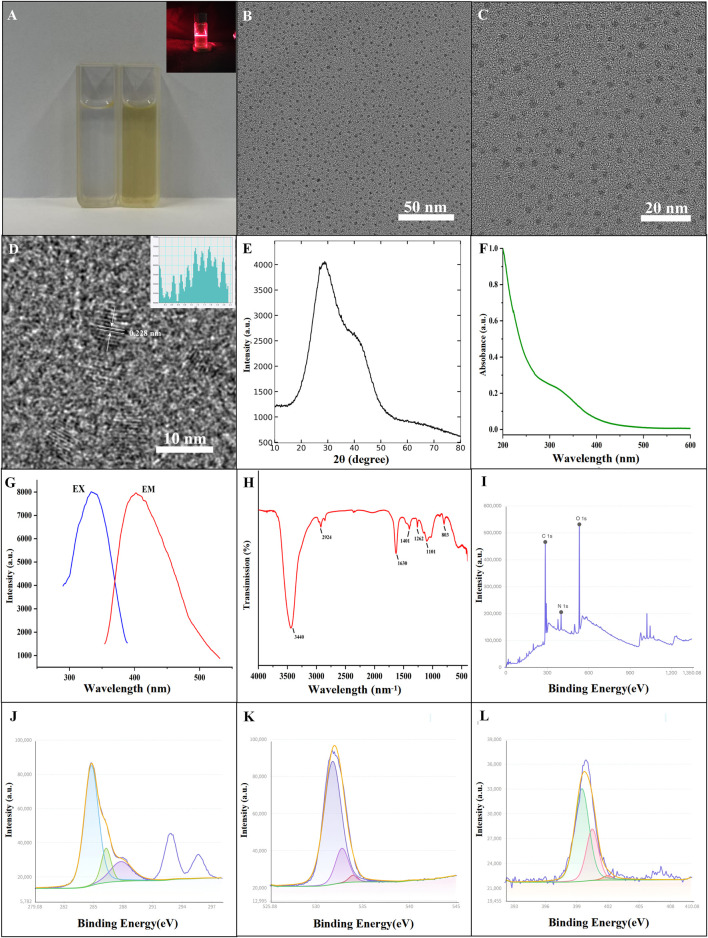 Figure 1
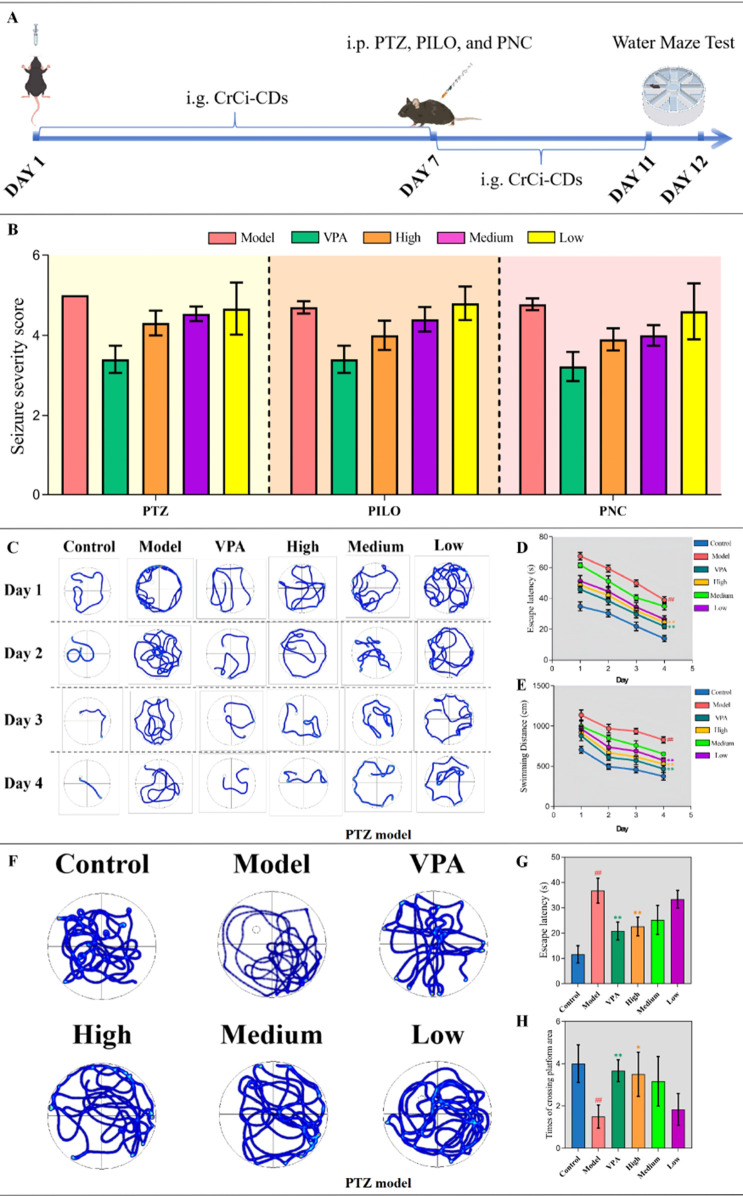 Figure 2
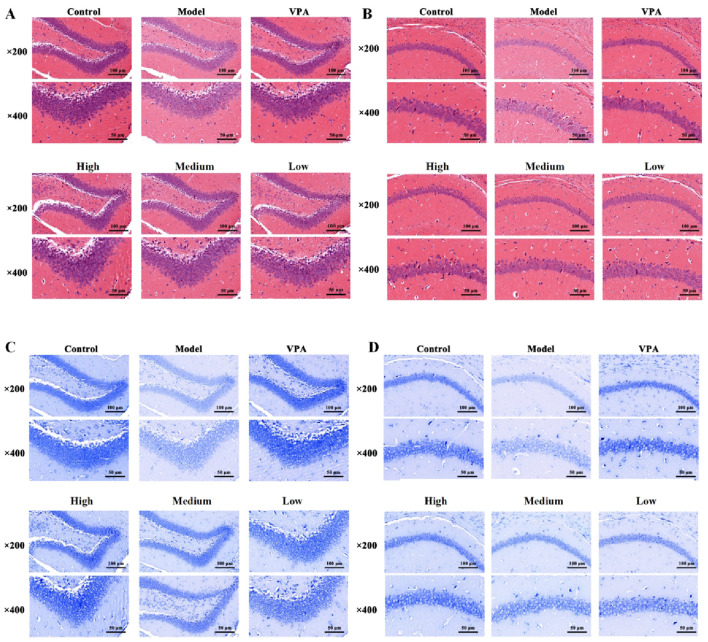 Figure 3
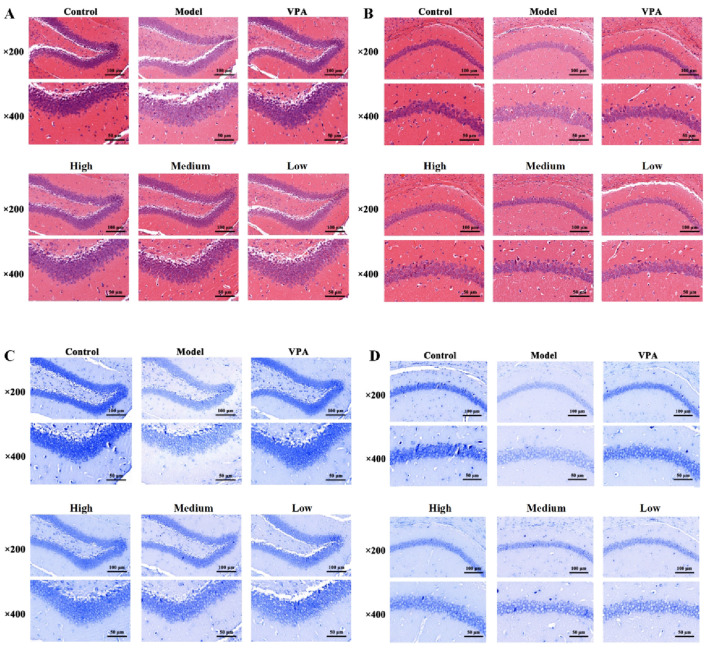 Figure 4
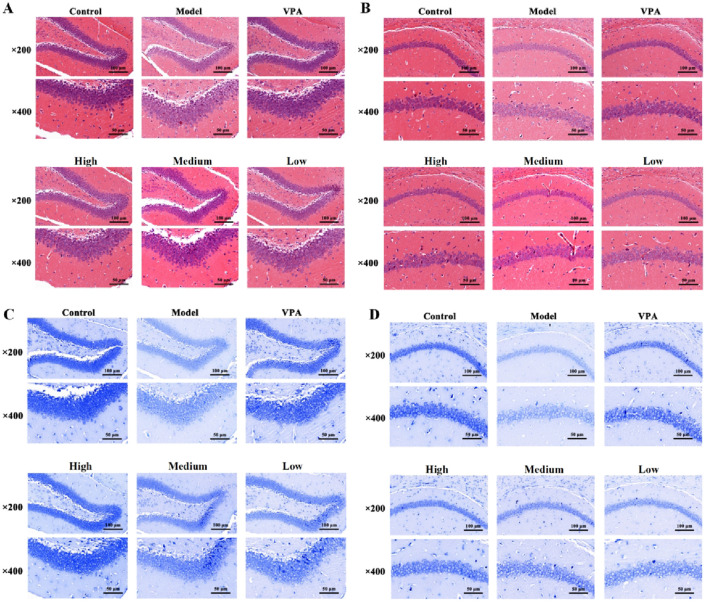 Figure 5
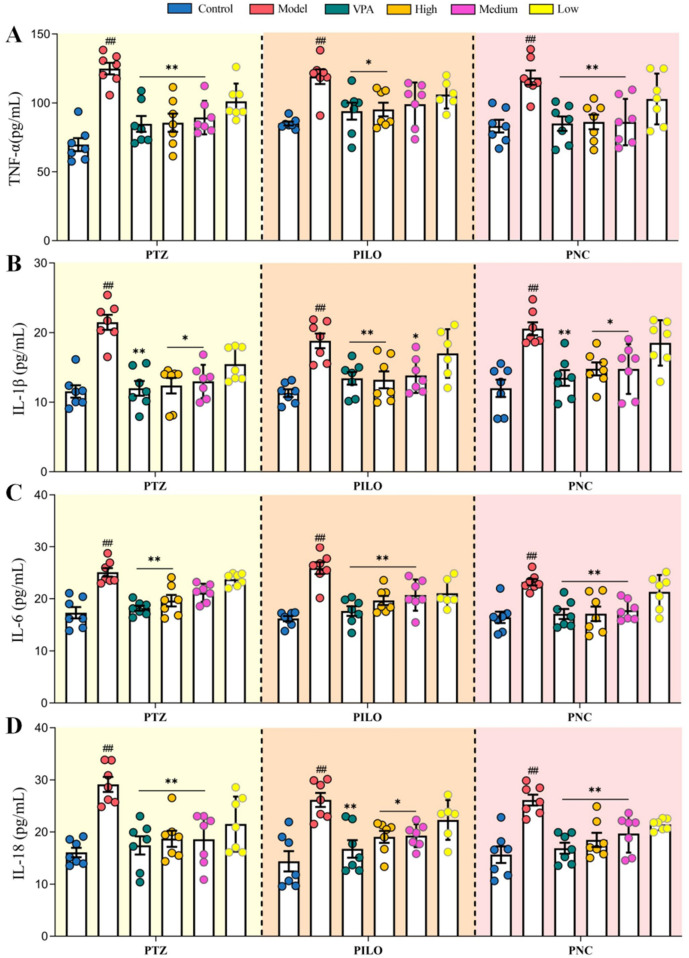 Figure 6
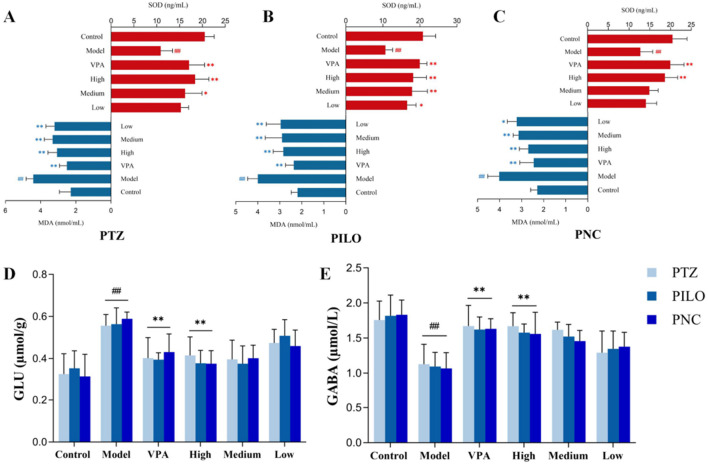 Figure 7
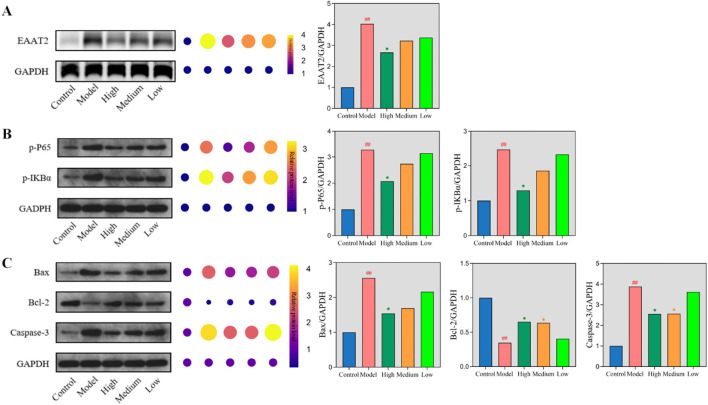 Figure 8
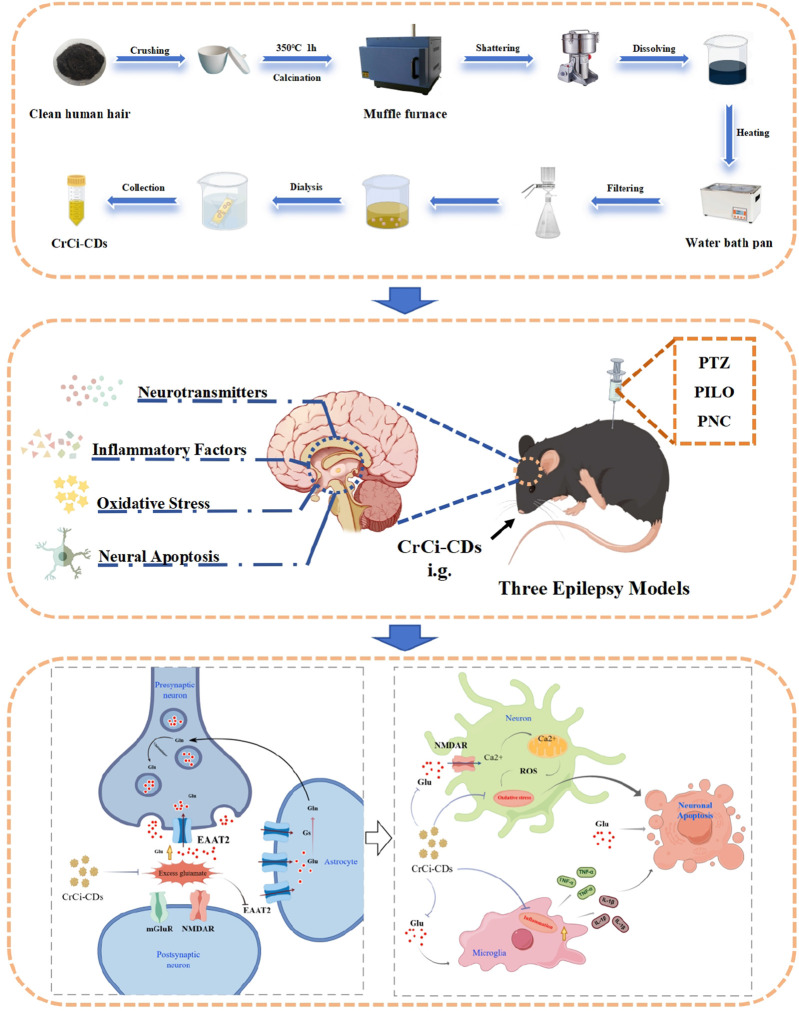 Figure 9
Peer Reviews
No public reviews on file for this paper yet. If you reviewed it on a platform where reviews are public (OpenReview, ICLR, NeurIPS, ICML), you can paste yours below so the community can read it here.
Videos
No videos yet. Explain this paper in a talk, walkthrough, or lecture? Add one.
Taxonomy
TopicsCarbon and Quantum Dots Applications · Electrochemical sensors and biosensors · Advanced Nanomaterials in Catalysis