A single-centre, randomised comparison of the performance and safety of a novel mechanomyography sensor with electromyography
Anna S. Scholze, Bernhard Ulm, Nadine Kretsch, Bettina Jungwirth, Manfred Blobner, Flora T. Scheffenbichler

TL;DR
This study compares a new mechanomyography sensor with electromyography for neuromuscular monitoring in patients, finding it noninferior in precision during baseline but needing improvement for full recovery.
Contribution
The study introduces and evaluates a novel mechanomyography sensor for clinical neuromuscular monitoring, demonstrating its potential for routine use.
Findings
The TOF3D mechanosensor showed noninferior precision to electromyography during baseline measurements.
Mechanomyography had higher repeatability coefficients than electromyography at all measured TOF intervals.
Better hand fixation is needed to improve mechanomyography precision after full recovery.
Abstract
Quantitative neuromuscular monitoring is crucial to ensure patient safety when using neuromuscular blocking agents. Although historically considered as the research standard for neuromuscular monitoring, currently, no certified mechanomyography device is available for routine clinical use. This study aimed to investigate noninferiority in precision of a newly developed mechanomyography (TOF3D mechanosensor; MIPM, Mammendorf, Germany) compared with electromyography. We conducted a prospective, interventional, single-centre agreement study comparing electromyography and mechanomyography in 33 anaesthetised adult patients. Devices were randomly installed on opposite arms. Train-of-four (TOF) ratios were measured beginning before administration of rocuronium 0.45 mg kg−1 i.v. until spontaneous recovery and after additional administration of sugammadex 2 mg kg−1 i.v. The primary endpoint…
Genes, proteins, chemicals, diseases, species, mutations and cell lines named across the full text — each resolved to its canonical identifier and authoritative record.
Click any figure to enlarge with its caption.
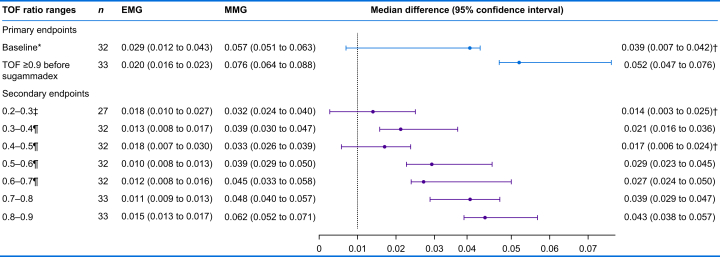 Figure 1
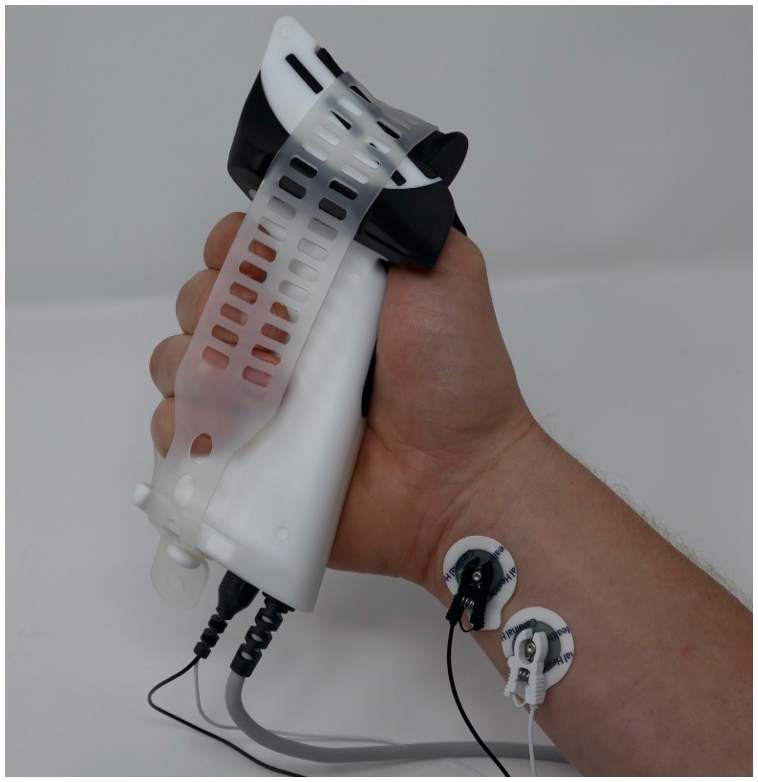 Figure 2
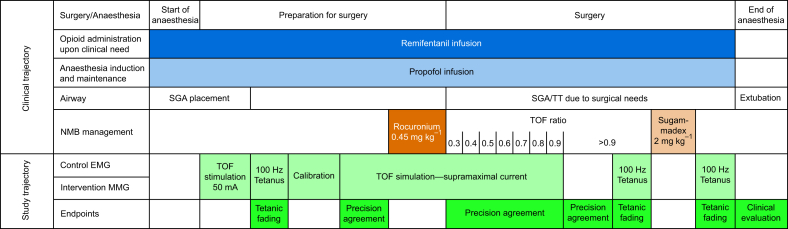 Figure 3
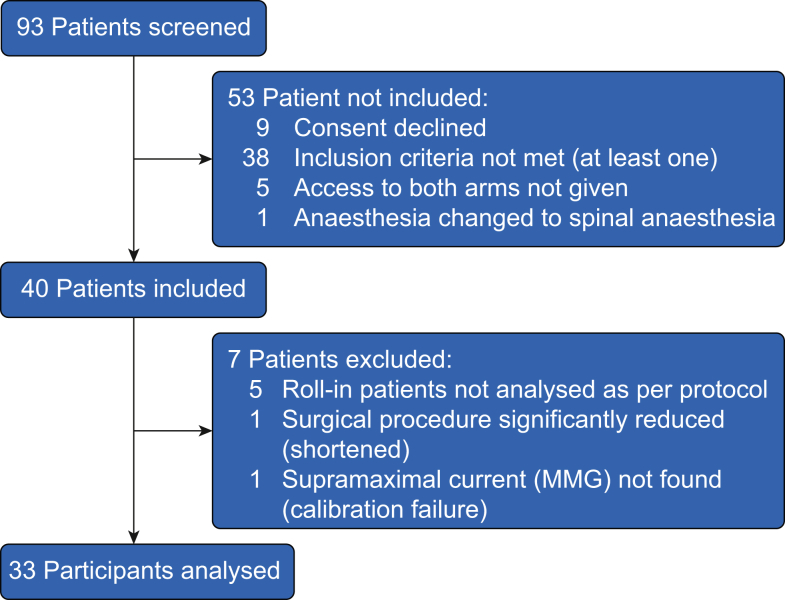 Figure 4
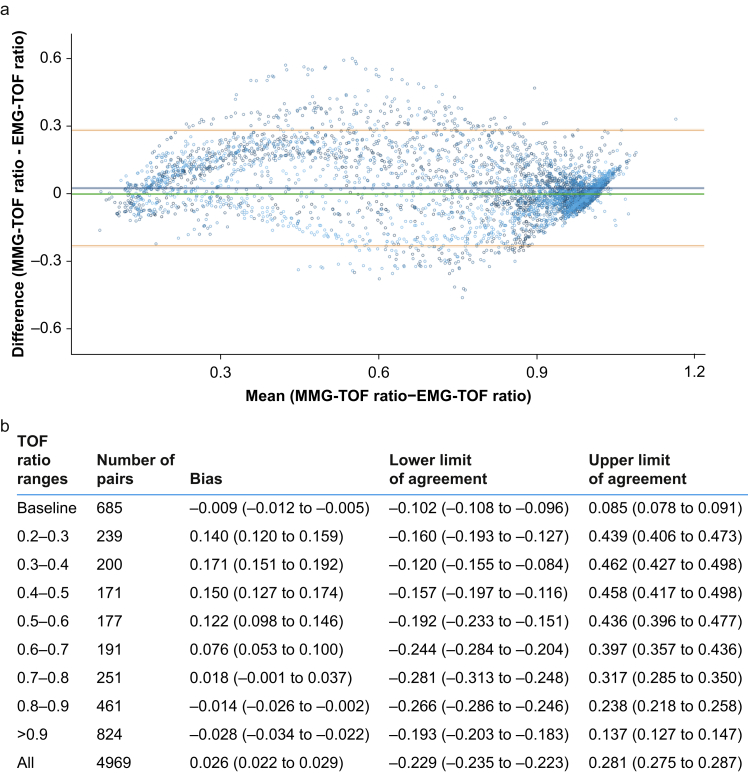 Figure 5
Peer Reviews
No public reviews on file for this paper yet. If you reviewed it on a platform where reviews are public (OpenReview, ICLR, NeurIPS, ICML), you can paste yours below so the community can read it here.
Videos
No videos yet. Explain this paper in a talk, walkthrough, or lecture? Add one.
Taxonomy
TopicsMuscle activation and electromyography studies · Advanced Sensor and Energy Harvesting Materials · Muscle and Compartmental Disorders