Mutation of PXR phosphorylation motif at Ser347 disrupts lipid and bile acid homeostasis in diet-induced metabolic dysfunction–associated steatohepatitis in mice
Veronia Basaly, Zakiyah R. Henry, Rulaiha E. Taylor, Bo Kong, Ill Yang, Anita Brinker, Zhenning Yang, Peihong Zhou, Laurie B. Joseph, Lauren Aleksunes, Brian Buckley, Masahiko Negishi, Grace L. Guo

TL;DR
A mutation in the PXR phosphorylation site in mice worsens fatty liver disease and disrupts bile acid and lipid balance, suggesting a new role for PXR in liver health.
Contribution
The study reveals a novel role of PXR phosphorylation in regulating lipid and bile acid homeostasis in metabolic liver disease.
Findings
PXR Ser347 phosphorylation is critical for maintaining bile acid and lipid metabolism in mice.
Phosphodeficient PXR mice show increased hepatic steatosis and altered bile acid profiles on a high-fat diet.
Loss of PXR phosphorylation contributes to worsened hepatotoxicity in metabolic dysfunction–associated steatohepatitis.
Abstract
The pregnane X receptor (PXR), a ligand-activated transcription factor, regulates the expression of genes involved in endobiotic and xenobiotic metabolism, inflammation, and fibrosis. Disruption of PXR functions can affect processes critical to metabolic dysfunction–associated steatohepatitis (MASH) progression. Although ligand-dependent PXR functions are well studied, its regulation by post-translational modification, particularly phosphorylation, remains unclear. PXR has a conserved phosphorylation motif within its ligand binding domain (Ser347 in mice; Ser350 in humans). In vitro studies showed that this site mutation impairs human PXR transcriptional activity; however, the mechanism remains elusive. To investigate this phosphorylation site role in MASH development, wild-type and PXR Ser347Ala knock-in mutation (PXR-KI) mice were fed either a high-fat diet or a control chow diet for…
Genes, proteins, chemicals, diseases, species, mutations and cell lines named across the full text — each resolved to its canonical identifier and authoritative record.
Click any figure to enlarge with its caption.
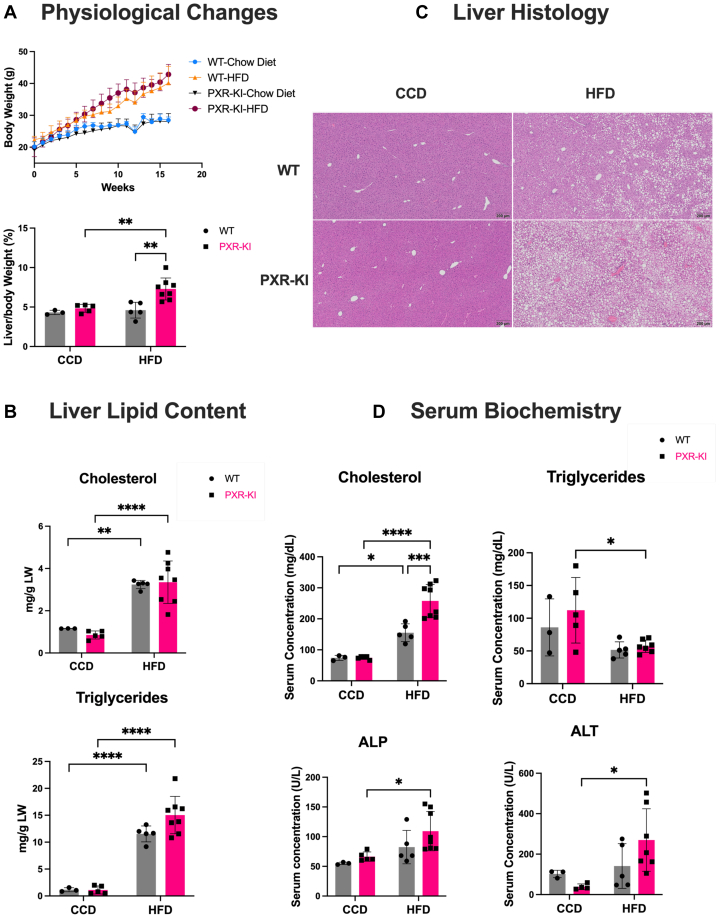 Figure 1
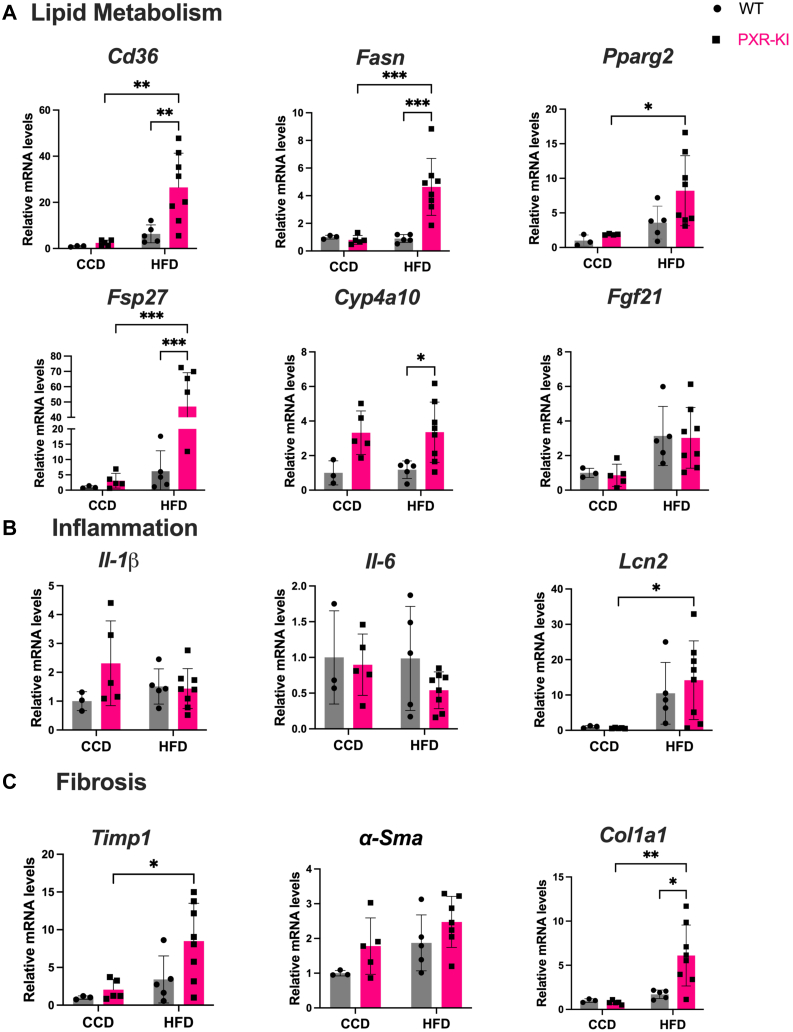 Figure 2
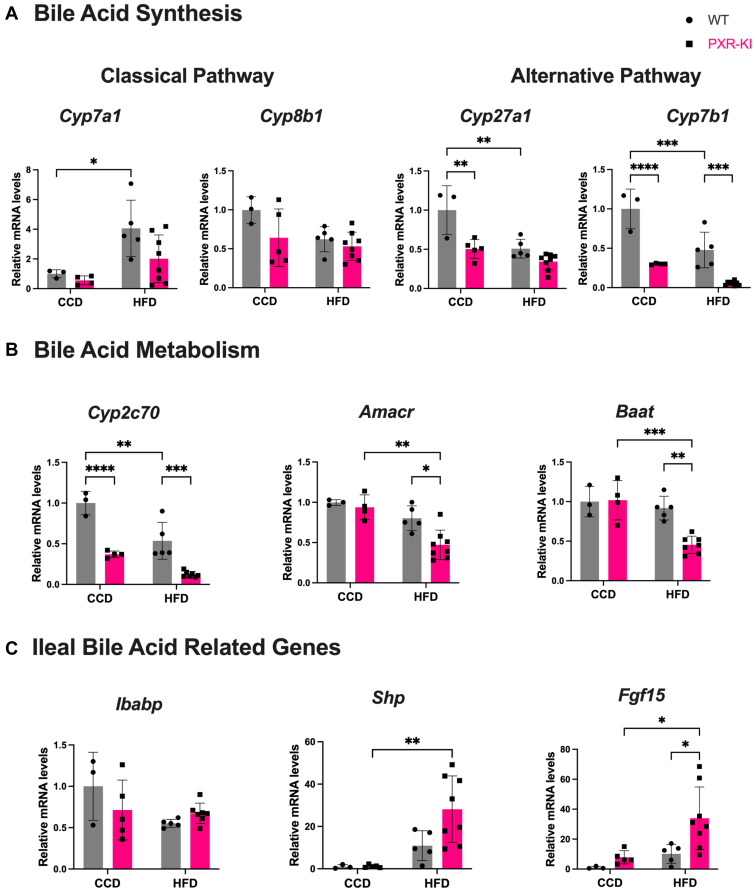 Figure 3
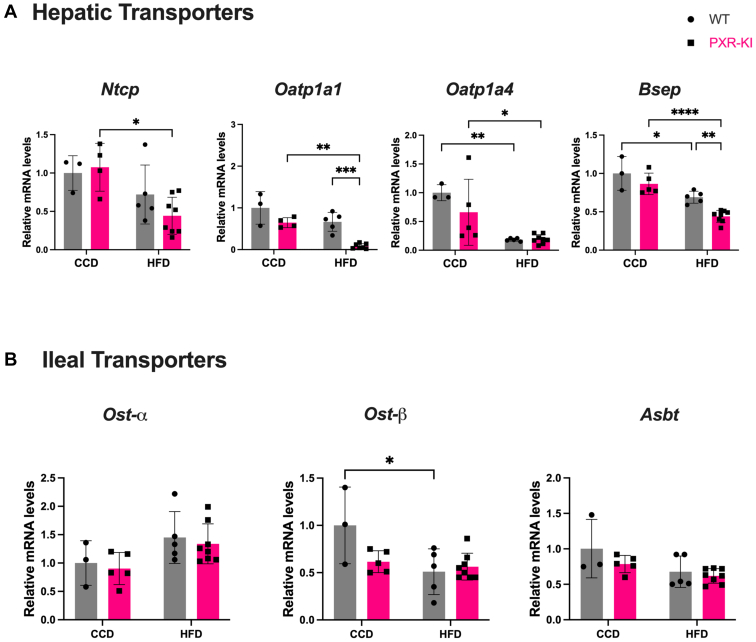 Figure 4
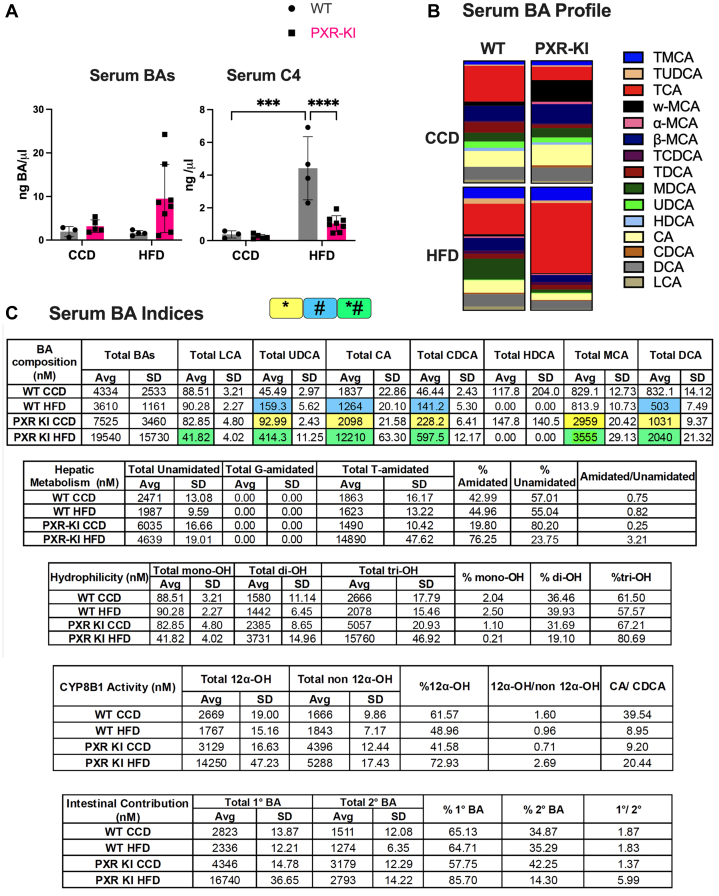 Figure 5
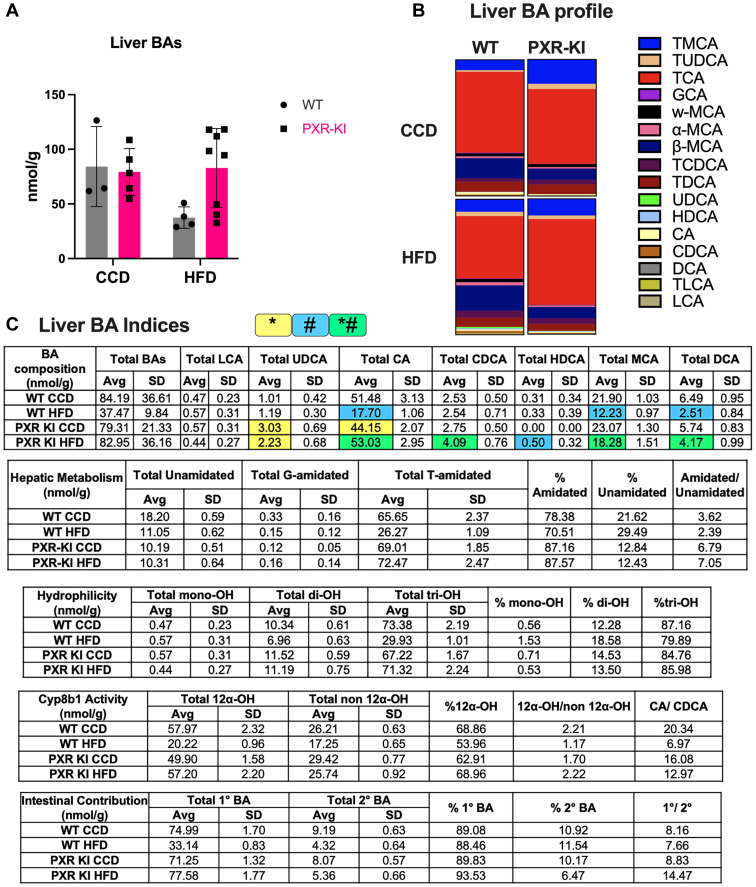 Figure 6
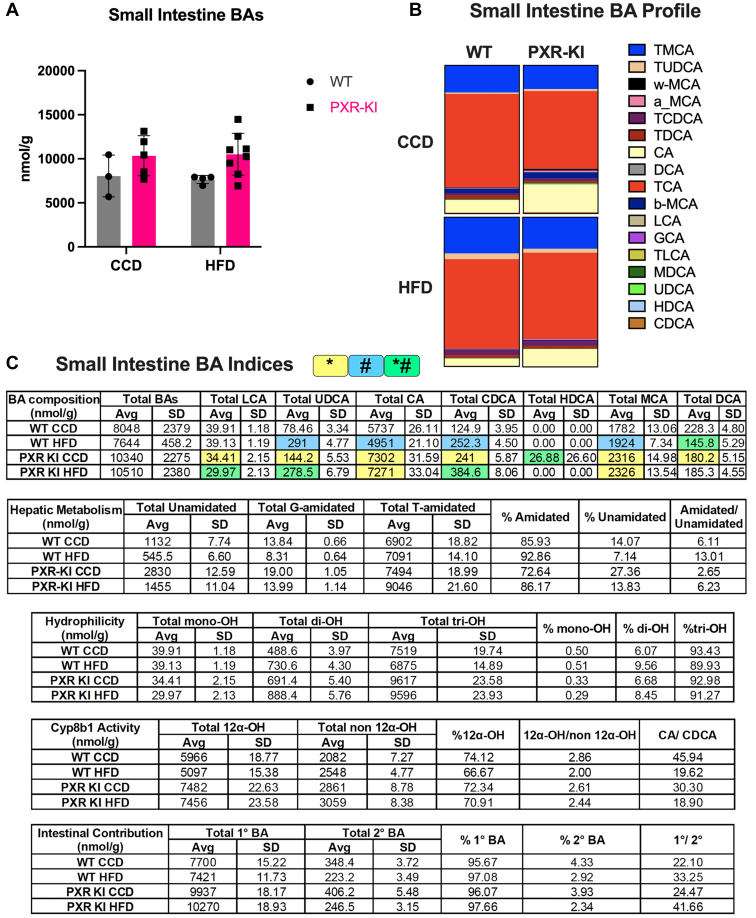 Figure 7
Peer Reviews
No public reviews on file for this paper yet. If you reviewed it on a platform where reviews are public (OpenReview, ICLR, NeurIPS, ICML), you can paste yours below so the community can read it here.
Videos
No videos yet. Explain this paper in a talk, walkthrough, or lecture? Add one.
Taxonomy
TopicsDrug Transport and Resistance Mechanisms · Liver Disease Diagnosis and Treatment · Pharmacogenetics and Drug Metabolism