Paroxysmal Nocturnal Hemoglobinuria as a Rare Cause of Chronic Asymptomatic Hemolysis: A Case Report
Patrícia Araújo, Iara Fazenda, Ana Frederica Parente, António Cardoso Fernandes, Carmélia Rodrigues

TL;DR
A rare blood disorder called PNH was diagnosed in an asymptomatic patient after standard tests failed to find a cause for his blood issues.
Contribution
This case report emphasizes the importance of considering rare conditions like PNH in patients with unexplained blood abnormalities.
Findings
PNH was diagnosed in a 66-year-old asymptomatic male using flow cytometry.
Standard diagnostic tests were inconclusive, highlighting the need for a systematic approach to anemia.
The case underscores the importance of considering rare hematologic disorders in differential diagnosis.
Abstract
Paroxysmal nocturnal hemoglobinuria (PNH) is a rare acquired clonal hematologic disorder characterized by complement-mediated intravascular hemolysis, bone marrow failure, and an increased risk of thrombosis. Clinical presentation is heterogeneous, ranging from severe symptomatic disease to indolent and asymptomatic forms, which may delay diagnosis. We report the case of a 66-year-old asymptomatic male with long-standing hematologic abnormalities and an otherwise negative diagnostic workup, in whom PNH was diagnosed by flow cytometry. This case highlights the importance of a systematic approach to anemia and the need to consider rare etiologies when standard investigations are inconclusive.
Genes, proteins, chemicals, diseases, species, mutations and cell lines named across the full text — each resolved to its canonical identifier and authoritative record.
Click any figure to enlarge with its caption.
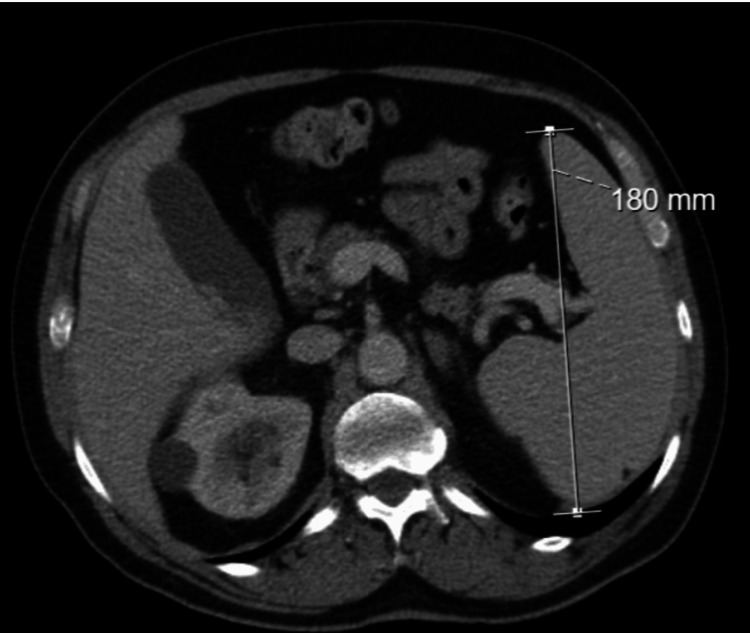 Figure 1
Peer Reviews
No public reviews on file for this paper yet. If you reviewed it on a platform where reviews are public (OpenReview, ICLR, NeurIPS, ICML), you can paste yours below so the community can read it here.
Videos
No videos yet. Explain this paper in a talk, walkthrough, or lecture? Add one.
Taxonomy
TopicsComplement system in diseases · Blood groups and transfusion · Hemoglobinopathies and Related Disorders