m6AHD: a new framework for identifying abnormal N6-methyladenosine (m6A) in heart diseases based on sequencing features
Jiajie Lu, Yanan Li, Yuxiang Hong, Dongshan Liao, Guanhua Fang

TL;DR
This paper introduces m6AHD, a new framework for predicting abnormal m6A RNA modifications in heart diseases, offering insights into potential drug targets.
Contribution
The first predictive framework for multi-condition cardiac m6A dysregulation using epitranscriptome data and validated in zebrafish models.
Findings
m6AHD achieved AUROC scores between 0.728 and 0.880 in predicting m6A dysregulation across cardiac pathologies.
Aberrant m6A patterns are consistent across different heart diseases and linked to similar regulatory factors.
Zebrafish experiments confirmed m6A dysregulation in drug-induced cardiotoxicity, showing methyltransferase complex downregulation.
Abstract
Cardiovascular disease (CVD) is a major threat to health, with high incidence rates and a trend toward younger age groups. RNA modifications are an important component of epigenetics, widely present and indispensable in cells. Increasing evidence suggests that RNA modifications are key regulatory factors involved in cardiac physiological and pathological changes. Understanding the role of RNA modifications in heart-related diseases can help us to identify new drug targets. To systematically investigate the role of m6A modification in different cardiac diseases, we integrated m6A epitranscriptome profiles from five cardiac pathological conditions (three drug-induced cardiac toxicity models—Evodiamine, Matrine, and TKI, hypertrophy, and heart calcification) and their control groups to construct the first predictive model for abnormal m6A modification in cardiac diseases. We constructed…
Genes, proteins, chemicals, diseases, species, mutations and cell lines named across the full text — each resolved to its canonical identifier and authoritative record.
Click any figure to enlarge with its caption.
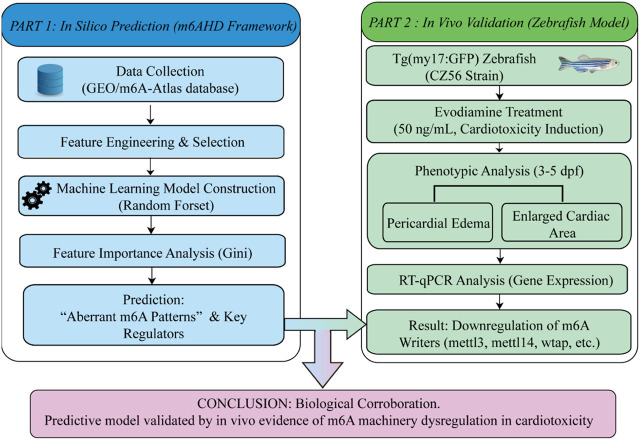 Figure 1
 Figure 2
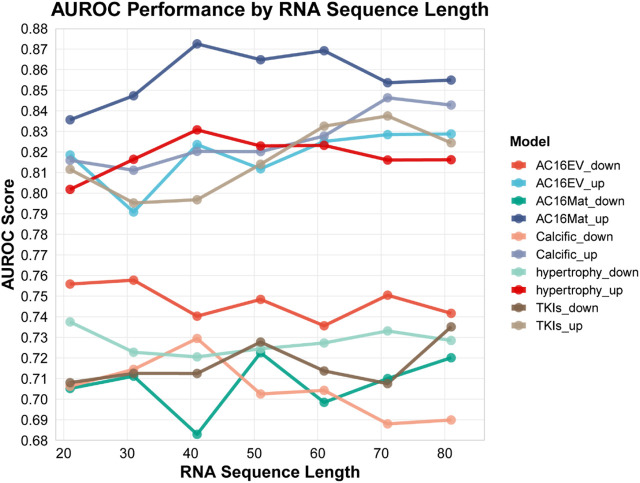 Figure 3
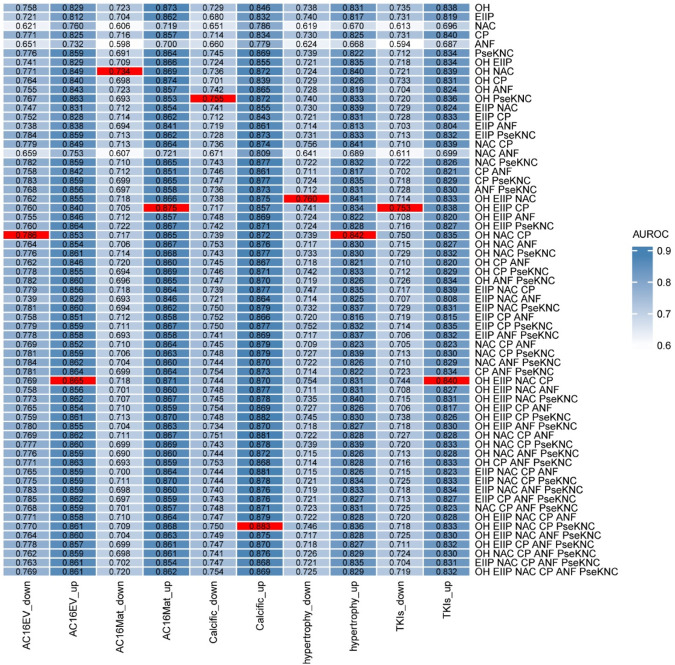 Figure 4
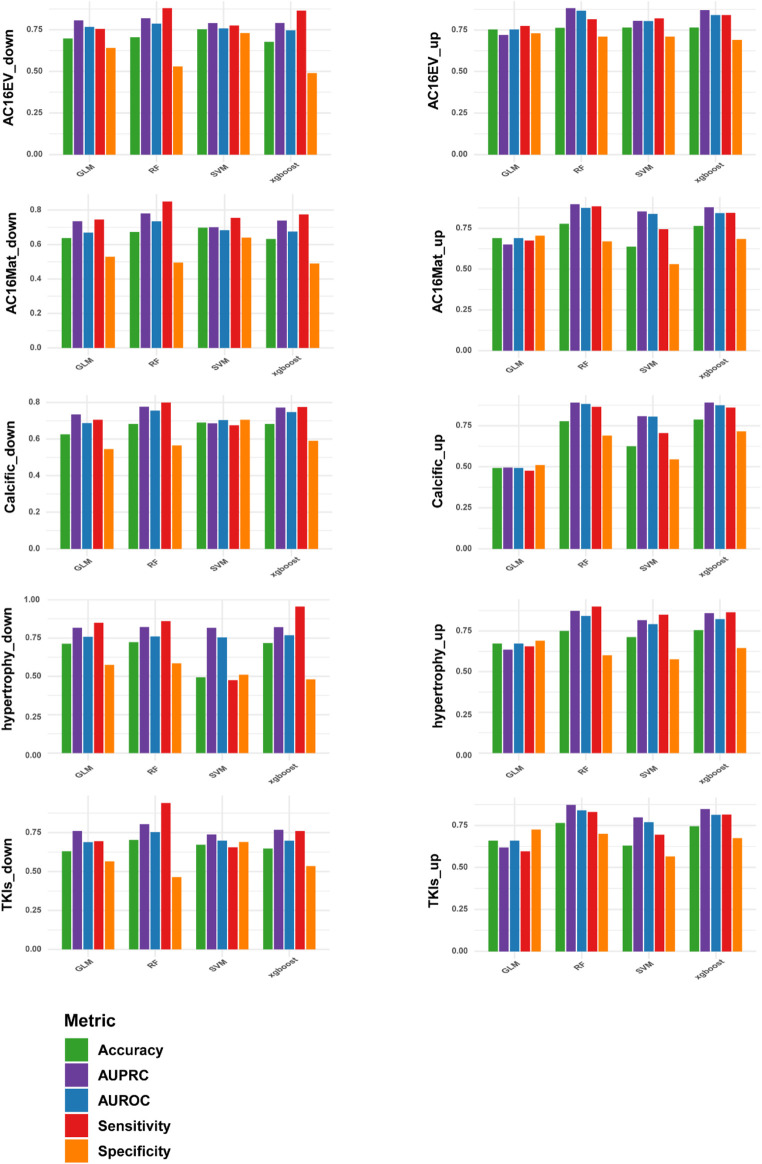 Figure 5
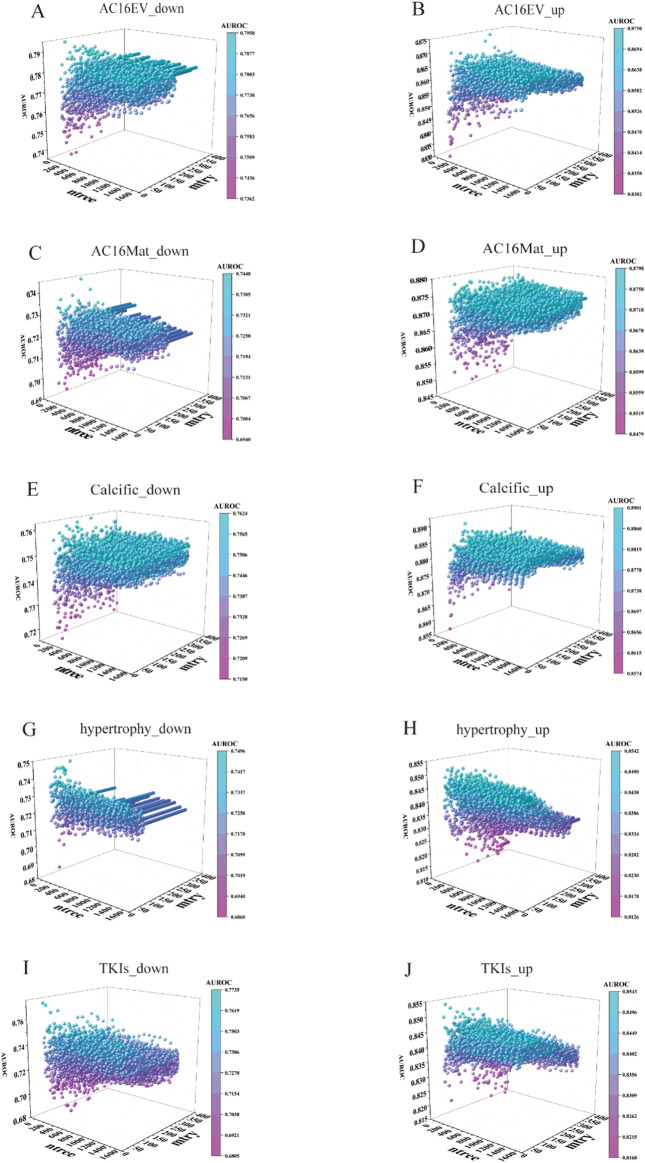 Figure 6
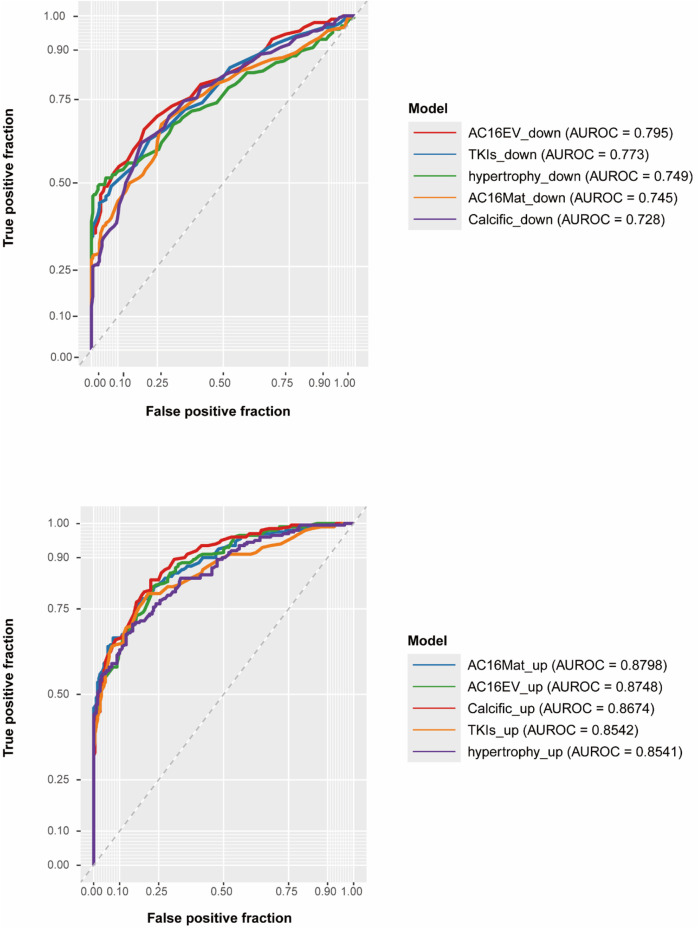 Figure 7
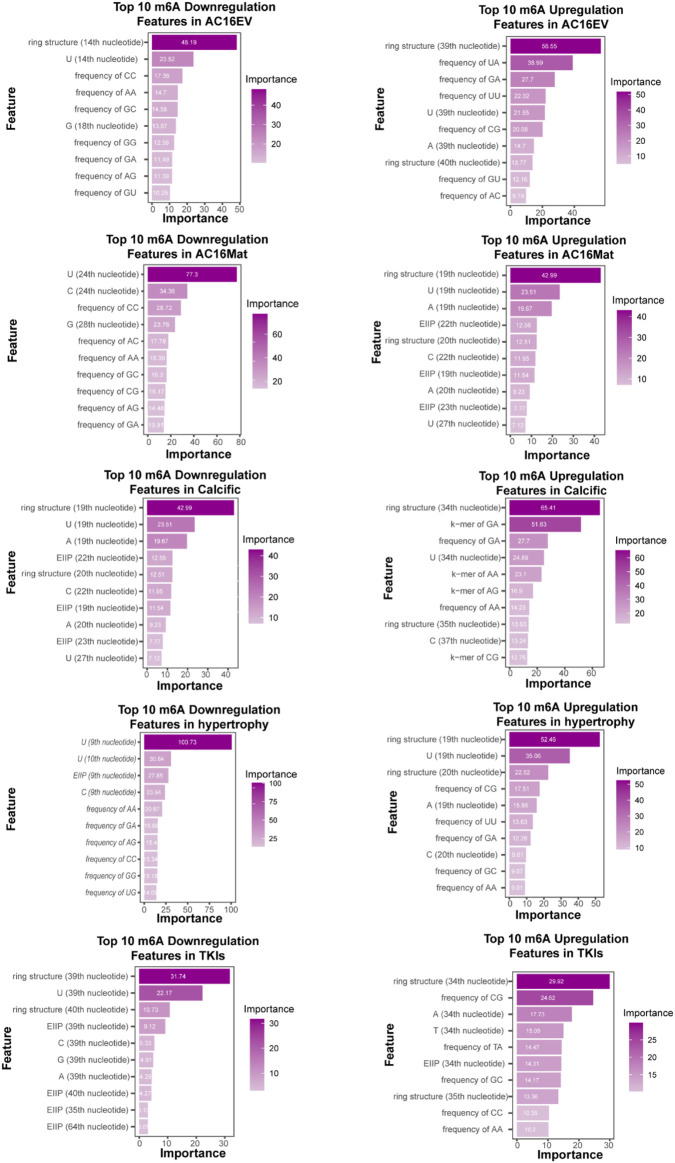 Figure 8
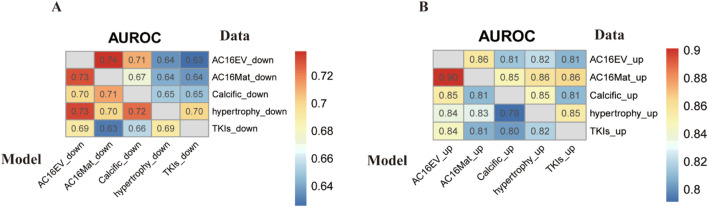 Figure 9
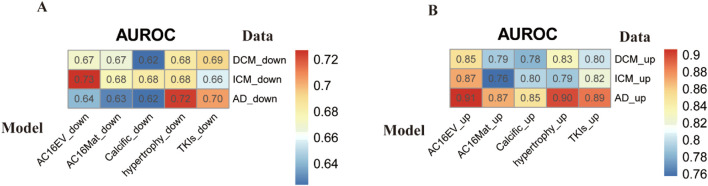 Figure 10
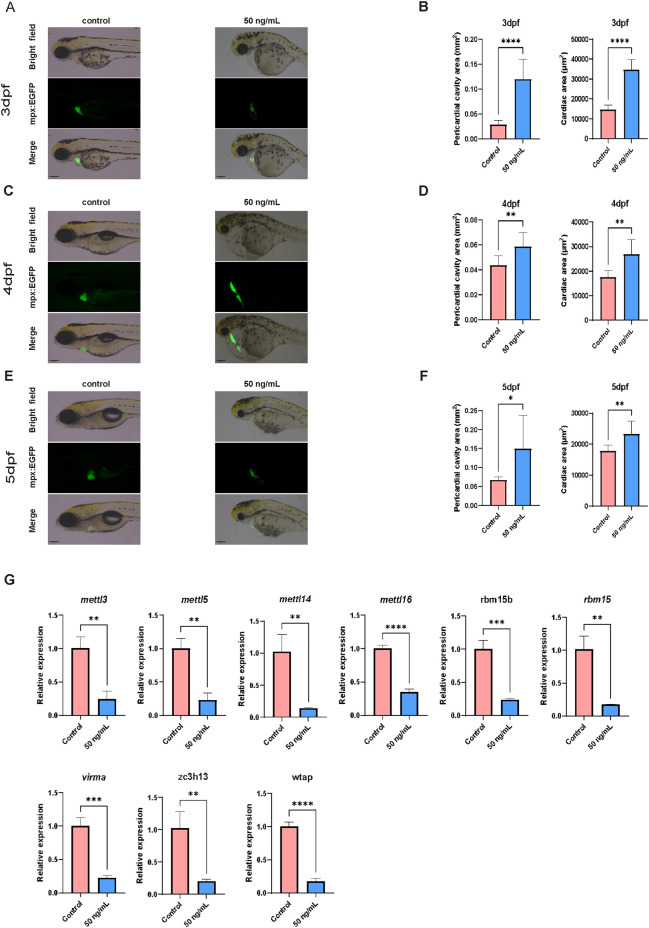 Figure 11
Peer Reviews
No public reviews on file for this paper yet. If you reviewed it on a platform where reviews are public (OpenReview, ICLR, NeurIPS, ICML), you can paste yours below so the community can read it here.
Videos
No videos yet. Explain this paper in a talk, walkthrough, or lecture? Add one.
Taxonomy
TopicsRNA modifications and cancer · Cancer-related gene regulation · RNA and protein synthesis mechanisms