Effects of Internet-Based Dementia Risk Reduction Education on Risk and Protective Factor Knowledge, Intentions, and Health Behaviors: Randomized Controlled Trial
Anthony J Levinson, Stephanie Ayers, Sandra Clark, Rebekah Woodburn, Amy Schneeberg, Dima Hadid, Nick Kates, Gillian Strudwick, Roland Grad, Alexandra Papaioannou, Maureen Dobbins, Henry Siu, Dante Duarte, Karen Saperson, Sharon Marr, Doug Oliver, Sarah Neil-Sztramko

TL;DR
An online dementia risk education program improved knowledge and physical activity, especially among less-educated individuals.
Contribution
The study demonstrates that internet-based education can effectively increase dementia risk knowledge and promote physical activity.
Findings
The intervention group showed significantly higher dementia knowledge scores compared to the control group.
Self-reported physical activity increased more in the intervention group than in the control group.
The program was particularly effective for participants with lower educational attainment.
Abstract
Dementia prevention through the reduction of modifiable risk factors is gaining attention as a public health strategy. However, public knowledge of dementia risk and protective factors remains low. Web-based education offers a potential solution to raise awareness and promote risk-reduction behaviors. This randomized controlled trial evaluated the effectiveness of DementiaRisk.ca, an internet-based multimedia educational intervention, in increasing knowledge of dementia risk factors, intentions to engage in risk reduction behaviors, and changes in health behaviors. A 2-arm randomized controlled trial was conducted with 510 participants (265 in the intervention group and 245 in the control group). Participants were randomized to receive either the e-learning about dementia risk and promoting brain health, which included a multimedia lesson and microlearning emails, or a control…
Genes, proteins, chemicals, diseases, species, mutations and cell lines named across the full text — each resolved to its canonical identifier and authoritative record.
Click any figure to enlarge with its caption.
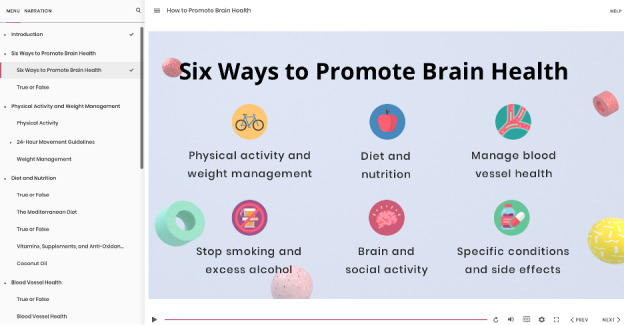 Figure 1
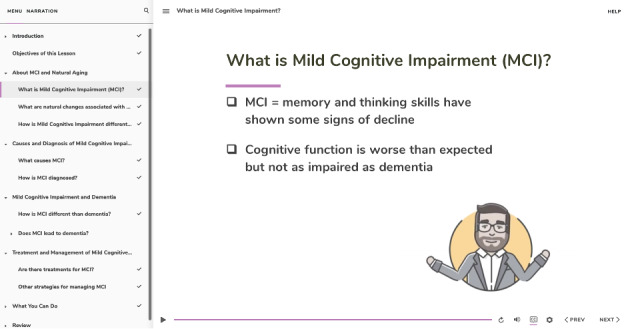 Figure 2
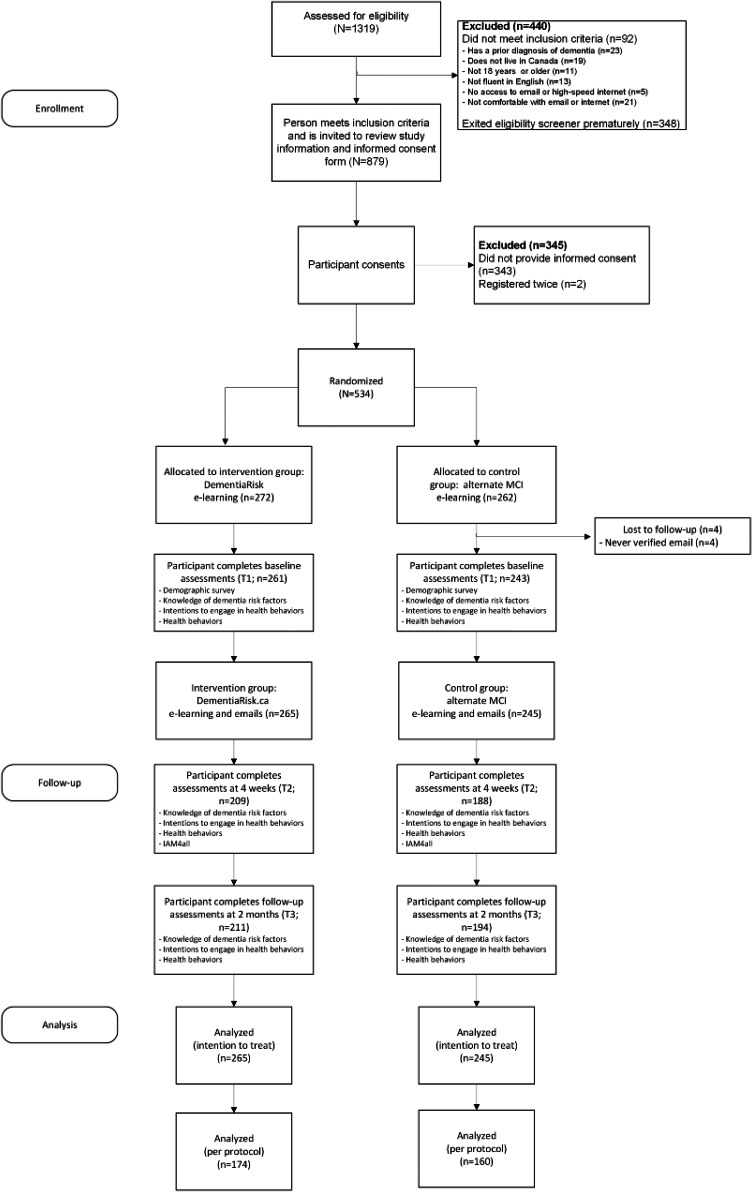 Figure 3
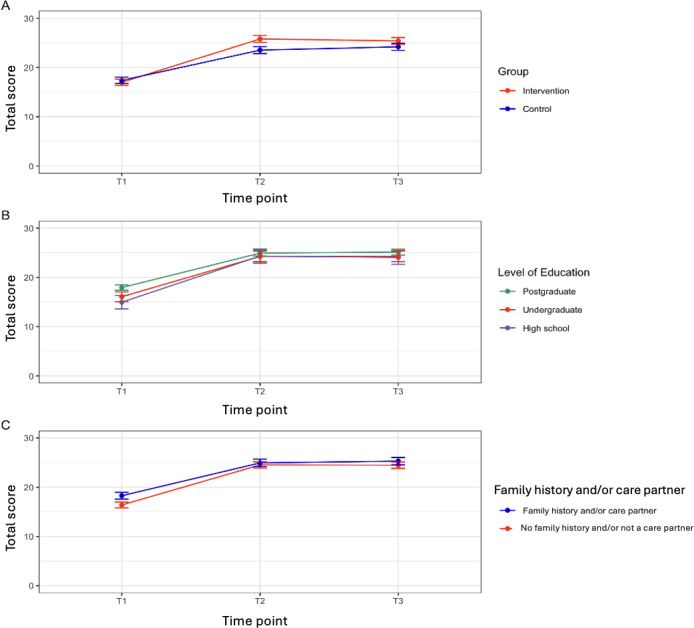 Figure 4
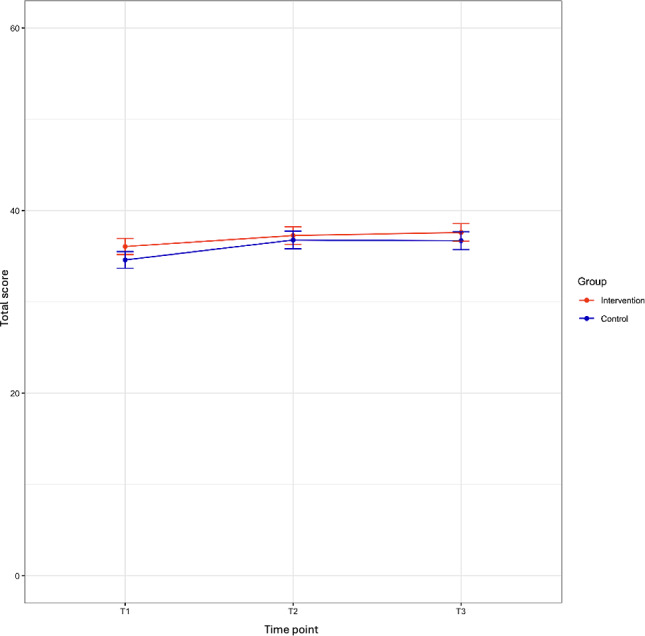 Figure 5
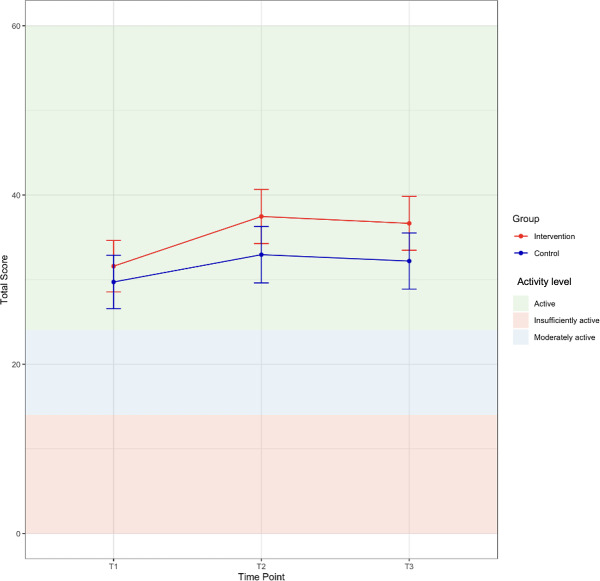 Figure 6
Peer Reviews
No public reviews on file for this paper yet. If you reviewed it on a platform where reviews are public (OpenReview, ICLR, NeurIPS, ICML), you can paste yours below so the community can read it here.
Videos
No videos yet. Explain this paper in a talk, walkthrough, or lecture? Add one.
Taxonomy
TopicsTechnology Use by Older Adults · Dementia and Cognitive Impairment Research · Health Literacy and Information Accessibility