Diagnosis and management of mirror syndrome: a case series with emphasis on the potential role of the sFLT-1/PlGF ratio in clinical practice
Gabrielle Soares Behenck, Fernanda Curtois, Patrícia El Beitune, Mirela Foresti Jimenez, Janete Vettorazzi, Marcelo Brandão da Silva, Betania Muller, Lucas Teixeira, Carolina Longo, Gustavo Yano Callado, Edward Araujo Júnior, Talita Micheletti

TL;DR
This study examines mirror syndrome in pregnant women, highlighting the potential use of the sFLT-1/PlGF ratio to help diagnose and manage the condition.
Contribution
The study introduces the potential clinical utility of the sFLT-1/PlGF ratio in differentiating mirror syndrome from preeclampsia.
Findings
Mirror syndrome often presents with maternal hypertension, proteinuria, and fetal hydrops.
An elevated sFLT-1/PlGF ratio was associated with maternal complications or fetal death in most cases.
Biomarker normalization after fetal loss allowed safe continuation of a twin pregnancy.
Abstract
To characterize the maternal clinical, ultrasound, and laboratory parameters, maternal and perinatal outcomes of mirror syndrome, and to discuss the role of sFlt-1/PlGF biomarkers in diagnosis and management. We conducted a case series including all cases of mirror syndrome diagnosed at a tertiary reference center in Brazil. Clinical, laboratory, ultrasound, and biomarker data were collected, along with maternal and perinatal outcomes. Nine cases of mirror syndrome were identified, with a mean gestational age at diagnosis of 27+6 weeks. The most frequent maternal findings were lower limb edema (n=7), hypertension (n=8), and proteinuria (n=8). Ultrasound demonstrated fetal hydrops (n=7), polyhydramnios (n=6), and placentomegaly (n=7). Laboratory abnormalities included abnormal proteinuria/creatinuria ratio in 5/8 women tested, elevated 24-hour proteinuria in all 5, anemia in 7,…
Genes, proteins, chemicals, diseases, species, mutations and cell lines named across the full text — each resolved to its canonical identifier and authoritative record.
Click any figure to enlarge with its caption.
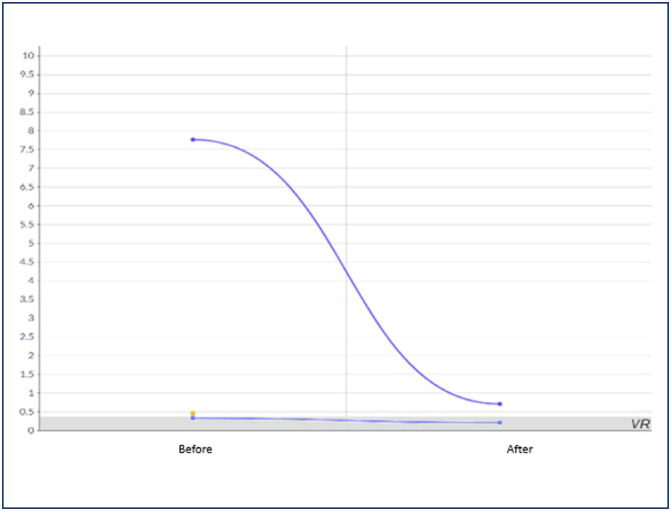 Figure 1
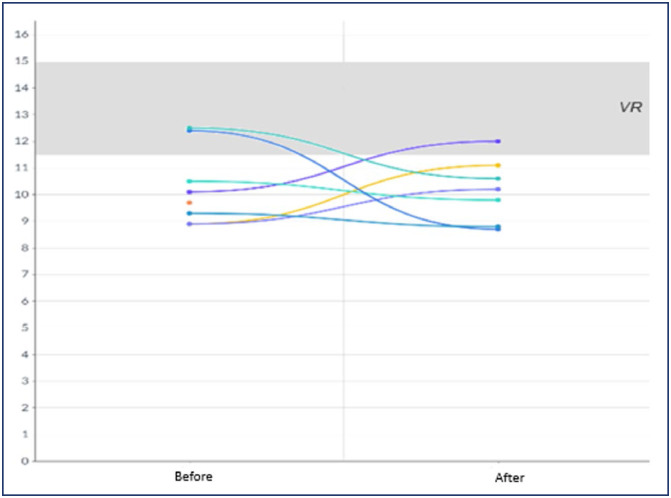 Figure 2
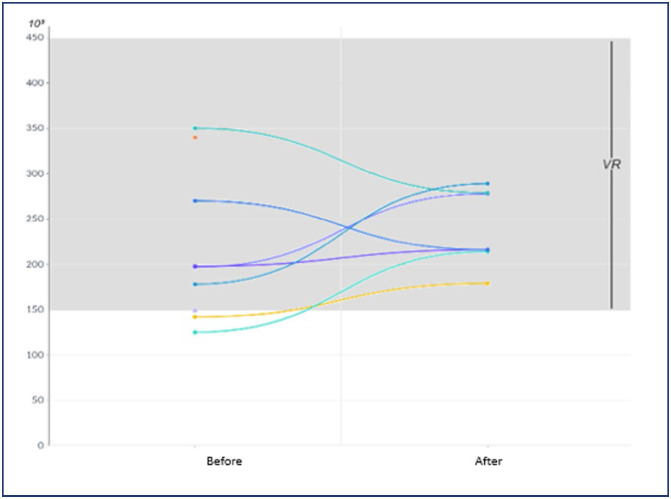 Figure 3
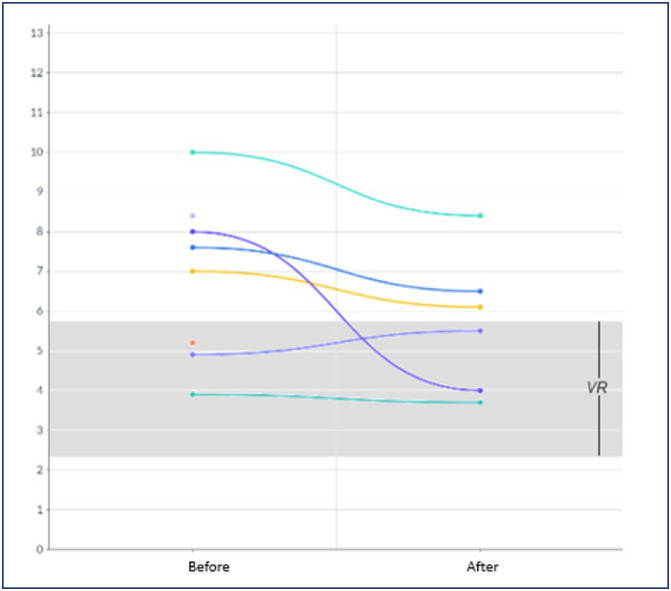 Figure 4
Peer Reviews
No public reviews on file for this paper yet. If you reviewed it on a platform where reviews are public (OpenReview, ICLR, NeurIPS, ICML), you can paste yours below so the community can read it here.
Videos
No videos yet. Explain this paper in a talk, walkthrough, or lecture? Add one.
Taxonomy
TopicsShoulder Injury and Treatment · Facial Nerve Paralysis Treatment and Research · Trigeminal Neuralgia and Treatments