The Performance of Wearable Device–Based Artificial Intelligence in Detecting Depression: Systematic Review and Meta-Analysis
Jiawen Liu, Junhui Wang, Zhaobin Wu, Mohamad Ibrani Shahrimin Bin Adam Assim

TL;DR
This study reviews how well wearable devices with AI can detect depression and predict depressive episodes, finding high accuracy but noting limitations in generalizability.
Contribution
The study provides a systematic review and meta-analysis of wearable AI for depression detection, highlighting performance metrics and influencing factors.
Findings
Wearable AI models achieved high pooled sensitivity (0.89) and specificity (0.93) for depression detection.
Random forest models showed the best performance with an AUC of 0.97 for depression detection.
Predictive accuracy for depressive episodes was moderate with pooled specificity of 0.65.
Abstract
In recent years, advances in wearable sensor technology and artificial intelligence (AI) have provided new possibilities for detecting and monitoring depression. This study systematically reviewed and meta-analyzed the diagnostic and predictive performance of wearable device–based AI models for detecting depression and predicting depressive episodes and explored factors influencing outcomes. Following PRISMA-DTA (Preferred Reporting Items for a Systematic Review and Meta-Analysis of Diagnostic Test Accuracy) guidelines, the PubMed, Embase, Web of Science, and PsycINFO databases were searched from inception to May 27, 2025. Eligible studies used AI algorithms on wearable device data for depression detection or episode prediction. Sensitivity, specificity, diagnostic odds ratio, and area under the curve (AUC) were pooled using a bivariate random effects model. Risk of bias was assessed…
Genes, proteins, chemicals, diseases, species, mutations and cell lines named across the full text — each resolved to its canonical identifier and authoritative record.
Click any figure to enlarge with its caption.
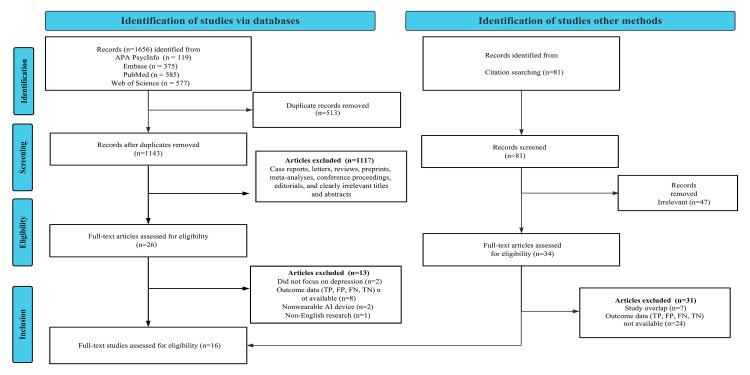 Figure 1
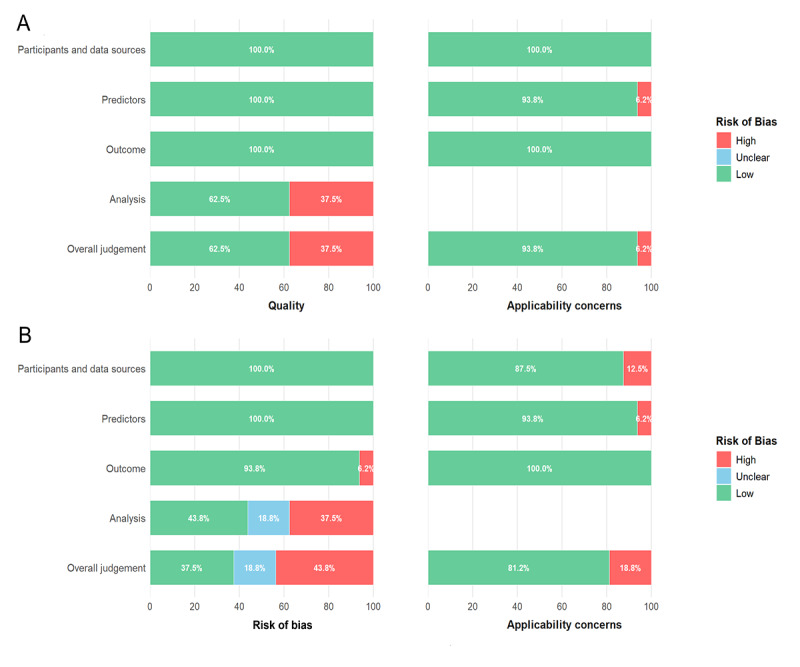 Figure 2
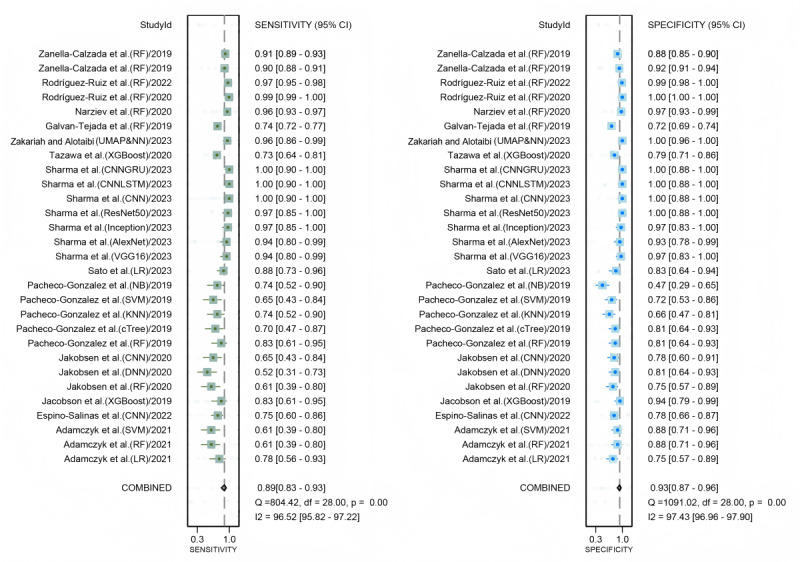 Figure 3
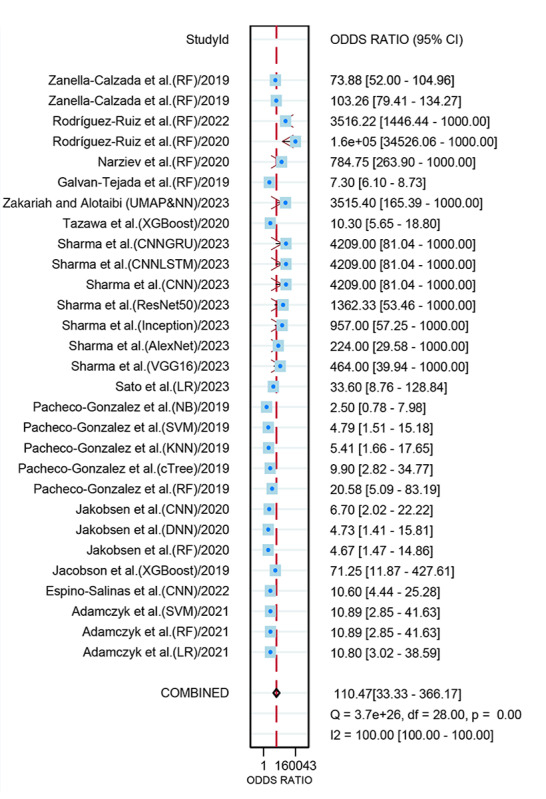 Figure 4
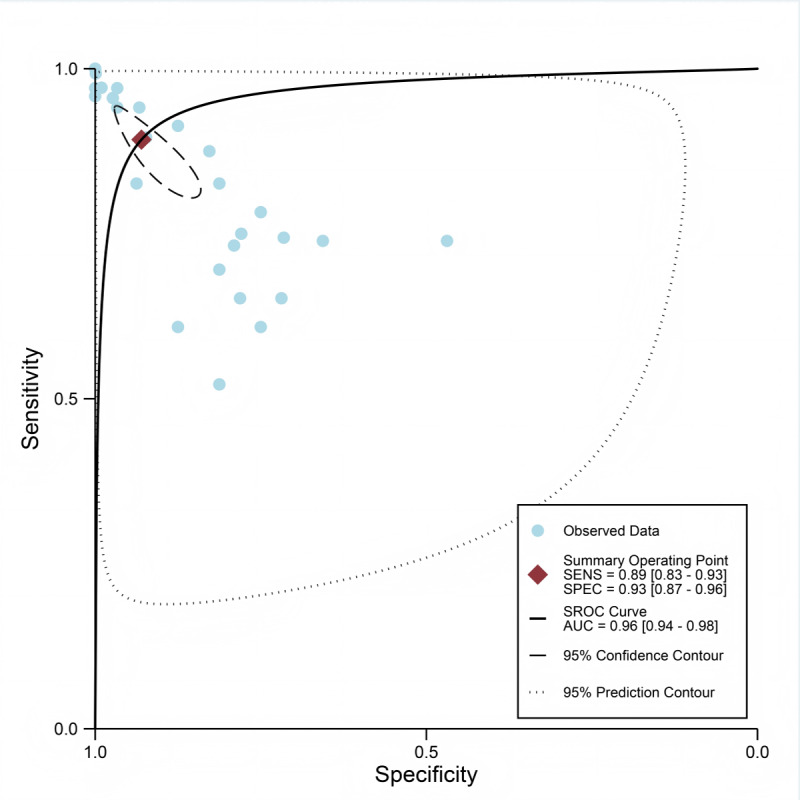 Figure 5
 Figure 6
Peer Reviews
No public reviews on file for this paper yet. If you reviewed it on a platform where reviews are public (OpenReview, ICLR, NeurIPS, ICML), you can paste yours below so the community can read it here.
Videos
No videos yet. Explain this paper in a talk, walkthrough, or lecture? Add one.
Taxonomy
TopicsDigital Mental Health Interventions · Mental Health via Writing · Emotion and Mood Recognition