The retrieval of previously learned motor memories is facilitated by the reinstatement of default mode network manifold structures
Ali Rezaei, Corson N. Areshenkoff, Daniel J. Gale, Emily R. Oby, Jonathan Smallwood, J. Randall Flanagan, Jeffrey D. Wammes, Jason P. Gallivan, Christian Schnell, PhD, Christian Schnell, PhD, Christian Schnell, PhD, Christian Schnell, PhD

TL;DR
The brain retrieves motor skills by reactivating past neural patterns in the default mode network, which helps in faster relearning.
Contribution
The study identifies the default mode network's role in reinstating neural patterns for motor memory retrieval.
Findings
Savings in motor relearning are linked to the reinstatement of cortical manifold structures from initial learning.
The default mode network shows specific activity dynamics tied to learning and relearning differences between individuals.
This neural mechanism aligns with reinstatement principles in other memory domains and computational models.
Abstract
Motor learning induces alterations in neural activity that can persist long after the effects of such learning have faded. These persistent neural alterations are thought to manifest behaviorally as “savings,” or faster relearning, via access to a latent motor memory. How the human brain forms and retrieves these latent memories, and the specific neural systems involved, remains unresolved. Here, using human functional MRI and a two-day sensorimotor adaptation paradigm, we show that savings are associated with the reinstatement of a large-scale cortical manifold structure formed during initial learning. Notably, this neural reinstatement effect was not observed across sensorimotor systems but was localized to regions of the default mode network (DMN). Moreover, the specific dynamics of DMN activity were linked to inter-subject differences in patterns of learning and relearning across…
Genes, proteins, chemicals, diseases, species, mutations and cell lines named across the full text — each resolved to its canonical identifier and authoritative record.
Click any figure to enlarge with its caption.
 Figure 1
 Figure 2
 Figure 3
 Figure 4
 Figure 5
 Figure 6
 Figure 7
 Figure 8
 Figure 9
 Figure 10
 Figure 11
 Figure 12
 Figure 13
 Figure 14
 Figure 15
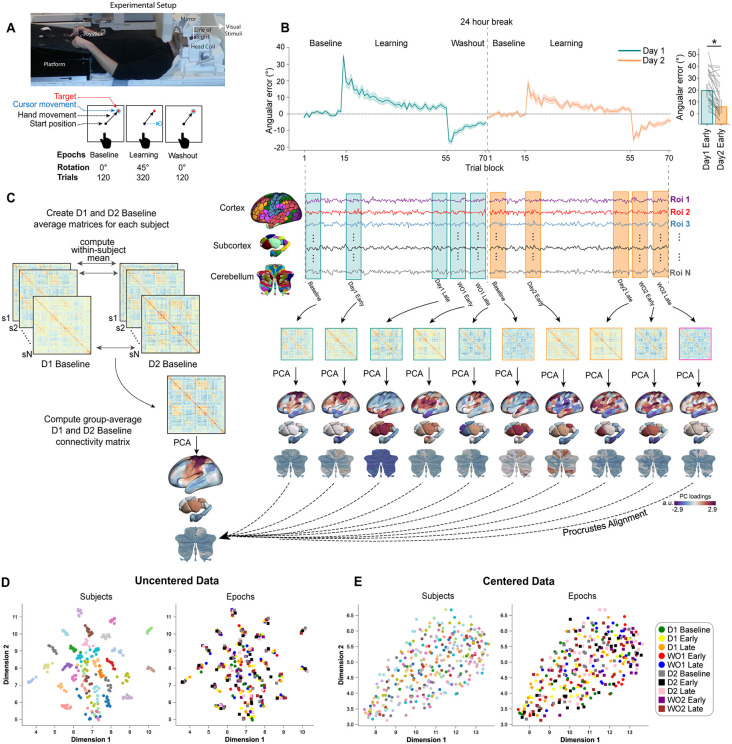 Figure 16
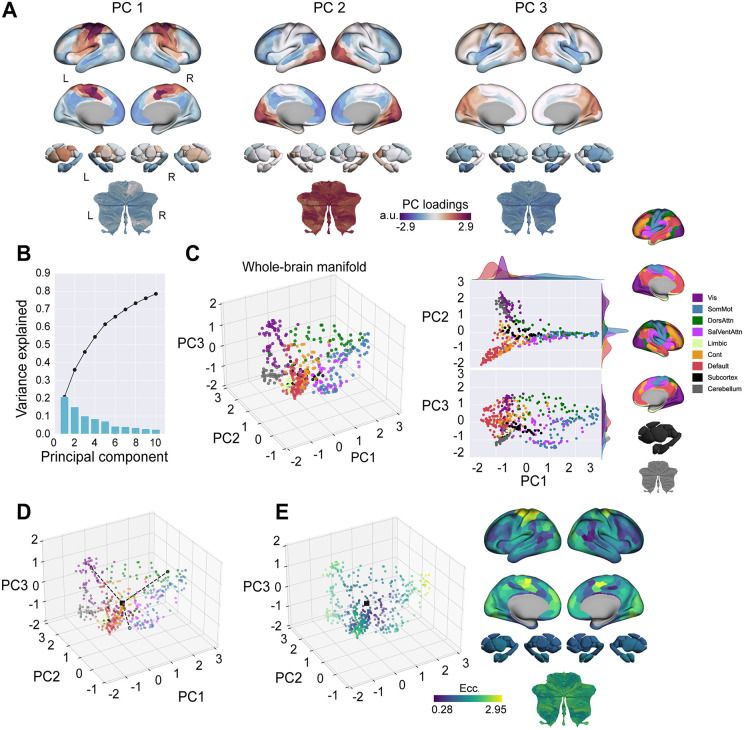 Figure 17
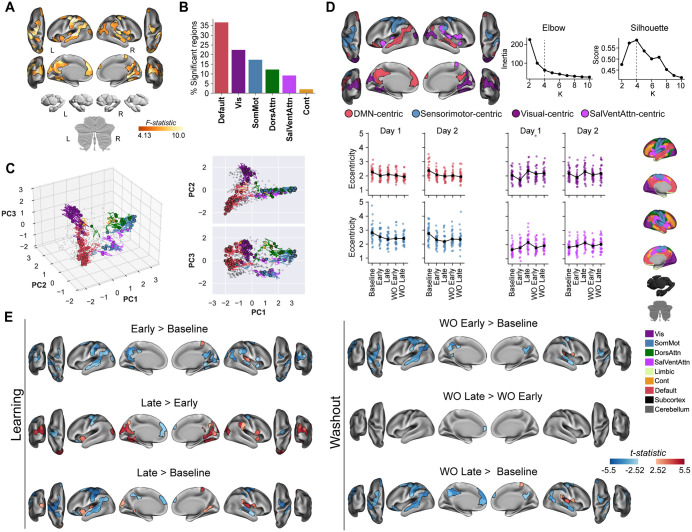 Figure 18
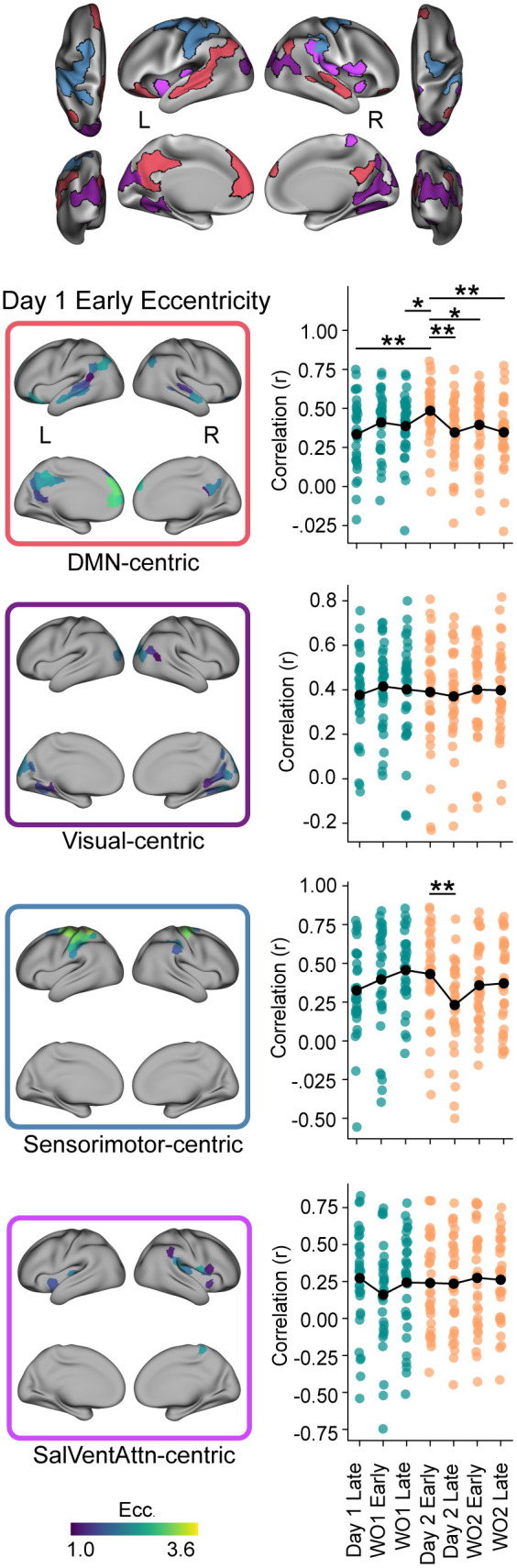 Figure 19
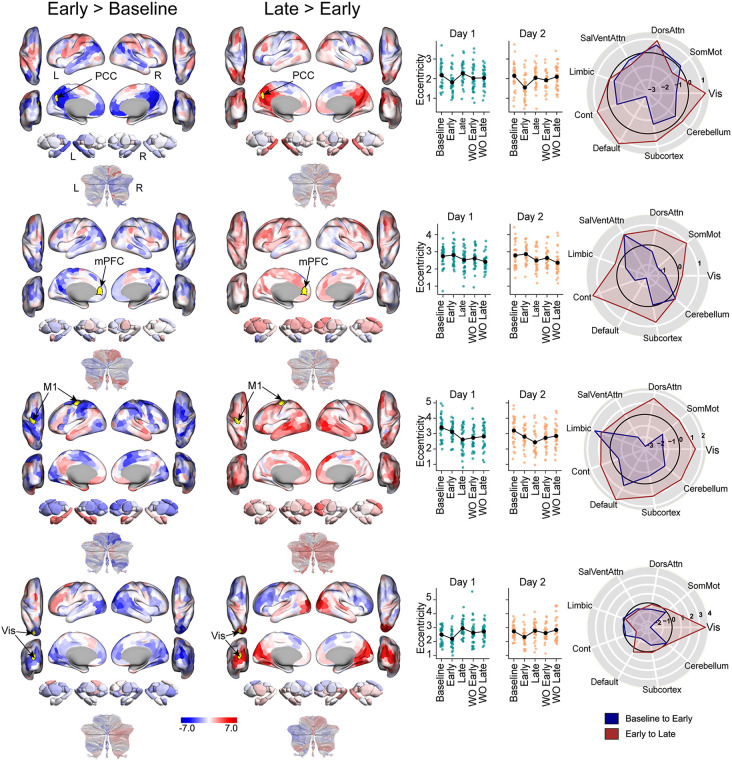 Figure 20
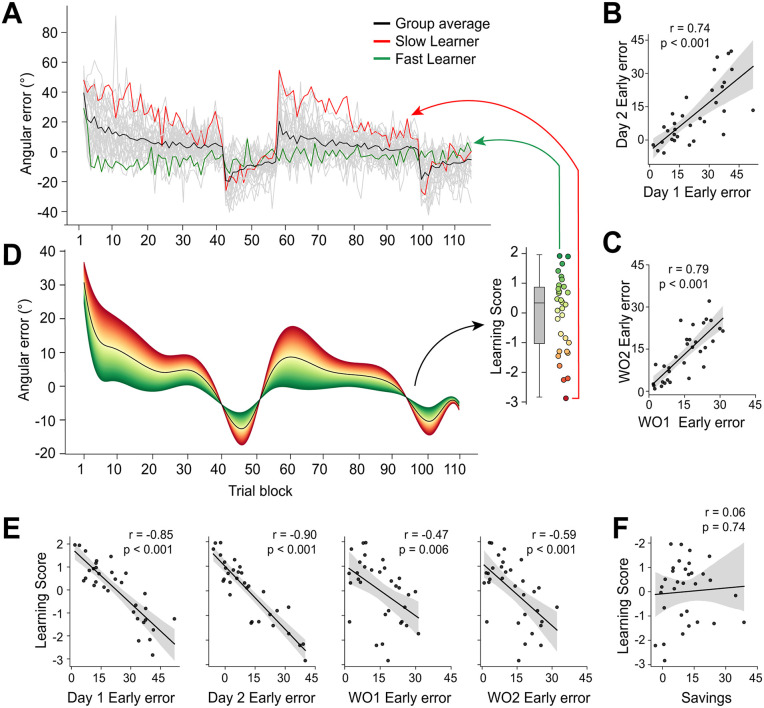 Figure 21
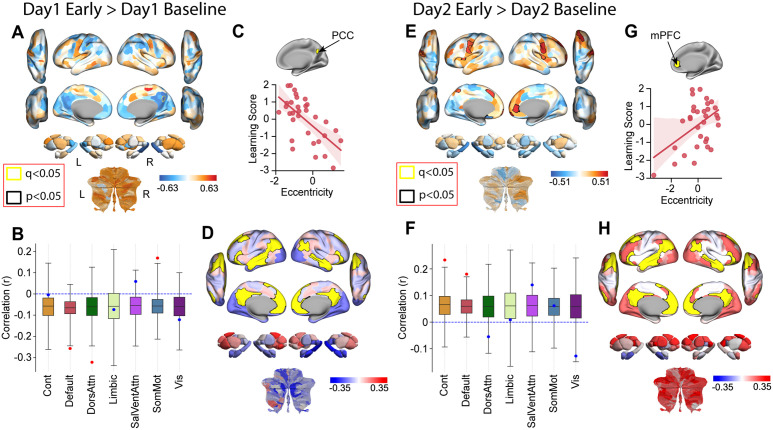 Figure 22
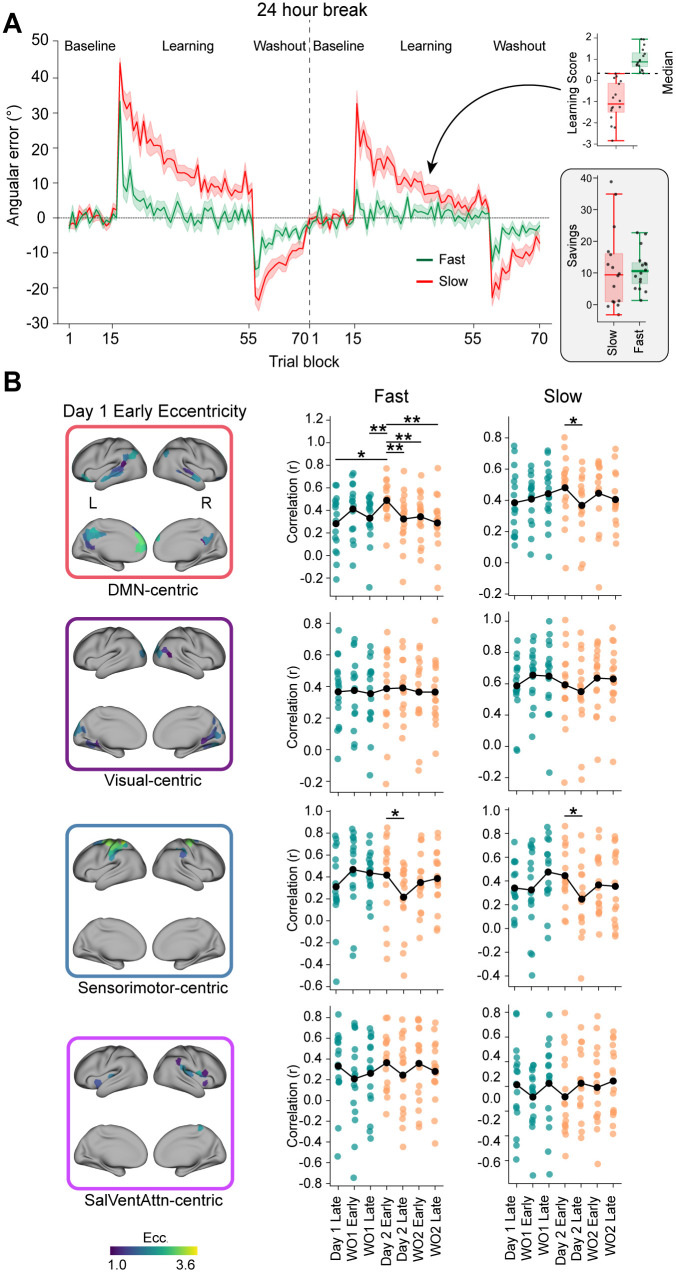 Figure 23
Peer Reviews
No public reviews on file for this paper yet. If you reviewed it on a platform where reviews are public (OpenReview, ICLR, NeurIPS, ICML), you can paste yours below so the community can read it here.
Videos
No videos yet. Explain this paper in a talk, walkthrough, or lecture? Add one.
Taxonomy
TopicsMotor Control and Adaptation · Action Observation and Synchronization · Transcranial Magnetic Stimulation Studies