Measuring representation in clinical trials: Simulations demonstrating how current methods fail in the context of precision medicine
Andrew Friedson, Abigail Humphreys, June Cha

TL;DR
This paper shows that current methods for measuring how well clinical trials represent diverse populations fail when applied to precision medicine, where treatments target specific subgroups.
Contribution
The paper introduces simulations to demonstrate how existing representativeness metrics break down when comparing to demographically distinct populations in precision medicine.
Findings
24%, 40%, and 32% of trials gave different representativeness results with 5 percentage point demographic shifts for sex, race, and ethnicity.
Larger demographic differences between registry and simulated populations led to worse performance of representativeness metrics.
Current methods are inaccurate for precision medicine contexts targeting specific subgroups.
Abstract
Clinical trial representativeness is vital for the evaluation of intervention performance and study generalizability. Current methods for evaluating representativeness are limited by the quality of the disease registry data used and may not appropriately evaluate studies aimed at precision cohorts. This study evaluates the sensitivity of existing methods for measuring study representation to differences between the population targeted by the clinical intervention and the closest available population in a patient registry. Using records for U.S.-based cancer clinical trials registered to ClinicalTrials.gov from 2017–2023 and the U.S. Cancer Statistics Public Use Database we calculated representativeness measures by comparing the demographic mix (based on sex, race, and ethnicity) in each clinical trial to the demographic mix for the same form of cancer in the U.S. Cancer Statistics…
Genes, proteins, chemicals, diseases, species, mutations and cell lines named across the full text — each resolved to its canonical identifier and authoritative record.
Click any figure to enlarge with its caption.
 Figure 1
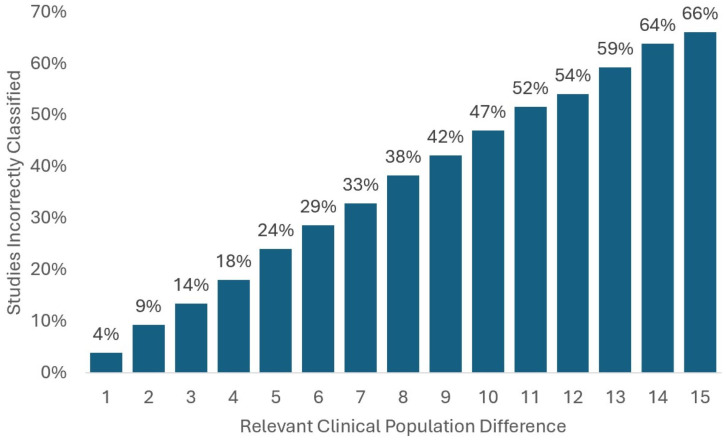 Figure 2
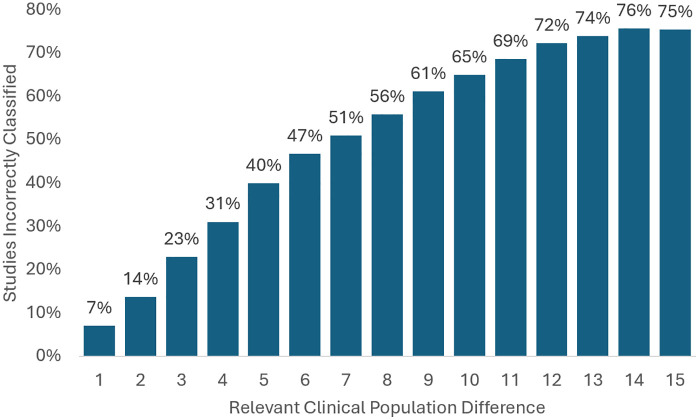 Figure 3
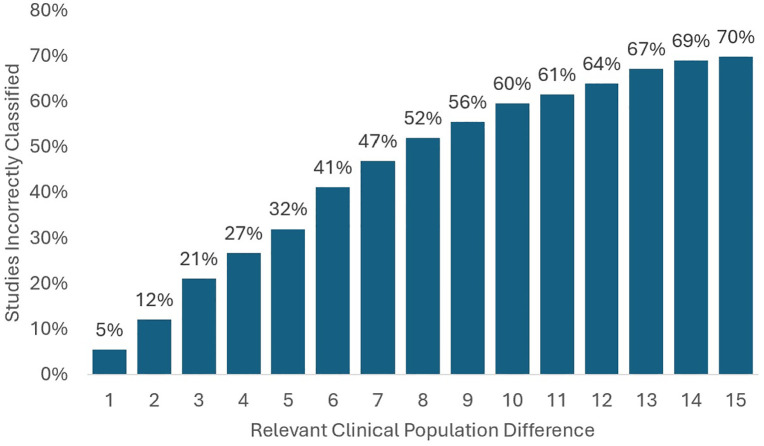 Figure 4
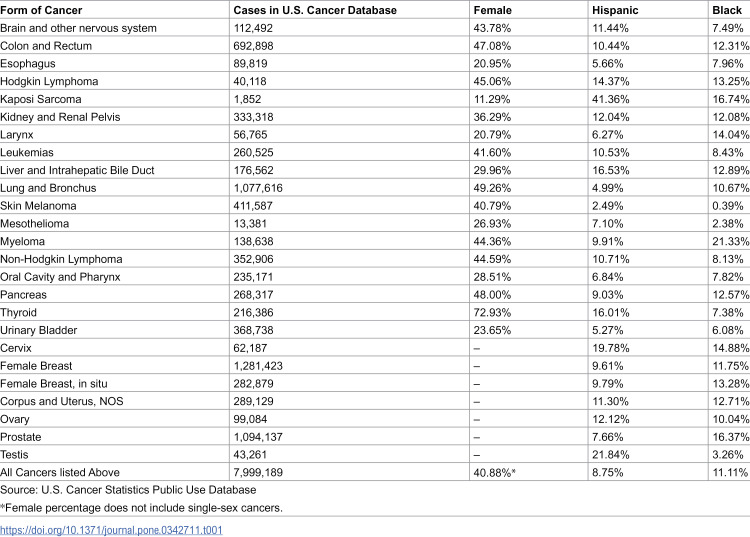 Figure 5
Peer Reviews
No public reviews on file for this paper yet. If you reviewed it on a platform where reviews are public (OpenReview, ICLR, NeurIPS, ICML), you can paste yours below so the community can read it here.
Videos
No videos yet. Explain this paper in a talk, walkthrough, or lecture? Add one.
Taxonomy
TopicsEthics in Clinical Research · Statistical Methods in Clinical Trials · Cancer Genomics and Diagnostics