Scrub and murine typhus seroprevalence among blood donors in Laos
Weerawat Phuklia, Jantana Wongsantichon, Chantala Souksakhone, Ampai Tanganuchitcharnchai, Mavuto Mukaka, Kaisone Padith, Koukeo Phommasone, Mayfong Mayxay, Stuart D. Blacksell, Audrey Dubot-Pérès, Matthew T. Robinson, Elizabeth A. Ashley, Joseph Vinetz, Joseph Vinetz

TL;DR
This study found that scrub typhus and murine typhus are widespread in Laos, with higher exposure in northern provinces.
Contribution
The study provides the first nationwide seroprevalence data for scrub and murine typhus among blood donors in Laos.
Findings
STG seroprevalence was highest in northern provinces like Huaphan, Oudomxay, and Xiangkhuang.
TG seroprevalence was found in both northern and southern provinces, including Oudomxay and Attapue.
No significant association with age was found, but gender differences were observed for each infection.
Abstract
Scrub typhus and murine typhus, caused by Orientia tsutsugamushi and Rickettsia typhi, respectively, are important causes of febrile illness in Laos. Although several studies have assessed rickettsial infection in selected provinces, the nationwide distribution remains unclear. This study aimed to estimate exposure to scrub typhus group (STG) and typhus group (TG) across twelve provinces of Laos and identify potential hotspots. We screened 1,200 serum samples from blood donors (100 per province) for STG and TG IgG antibodies using enzyme-linked immunosorbent assays (ELISA). Samples with optical density ≥ 0.5 were confirmed by immunofluorescence assays (IFA). Overall seroprevalence was 7.26% (95%CI:5.93-8.87) for STG and 4.09% (95% CI:3.11-5.37) for TG. STG seroprevalence was highest in Huaphan (27%), Oudomxay (19%) and Xiangkhuang (17%), all in northern Laos. TG seroprevalence was 10%…
Genes, proteins, chemicals, diseases, species, mutations and cell lines named across the full text — each resolved to its canonical identifier and authoritative record.
Click any figure to enlarge with its caption.
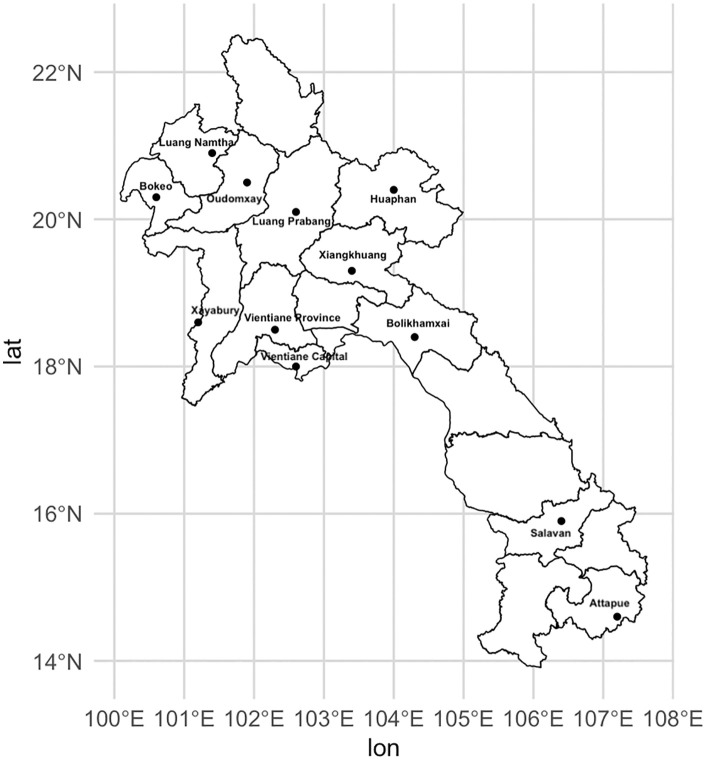 Figure 1
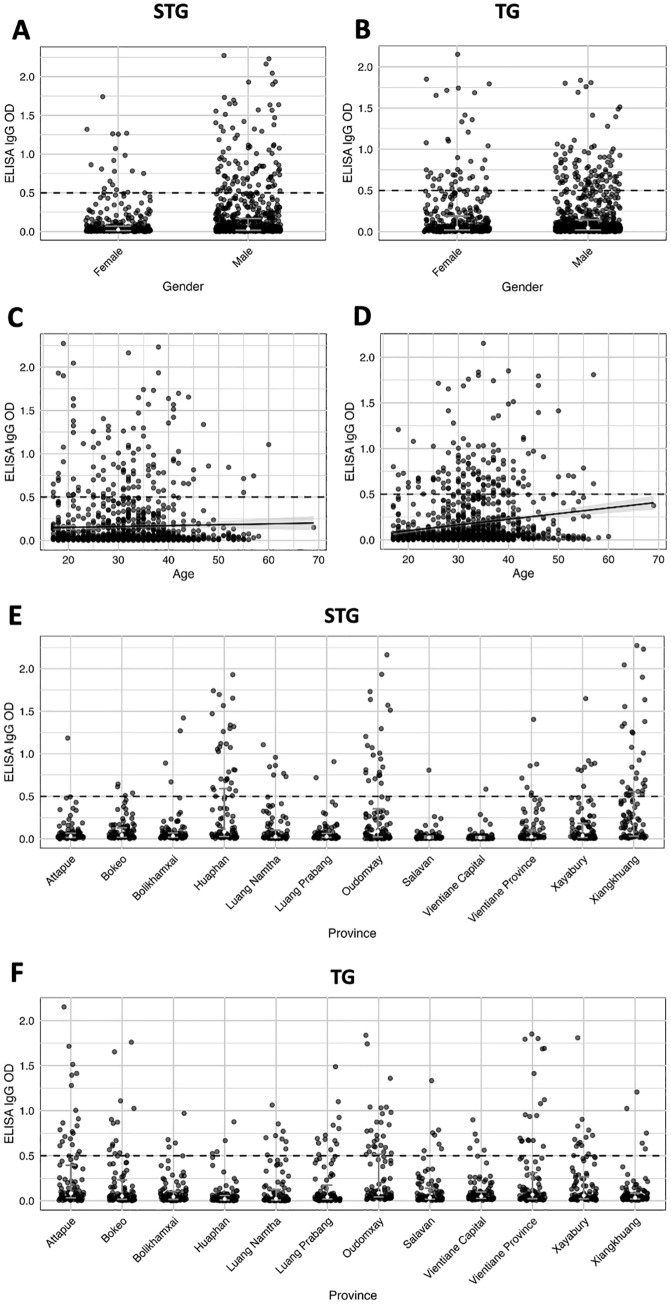 Figure 2
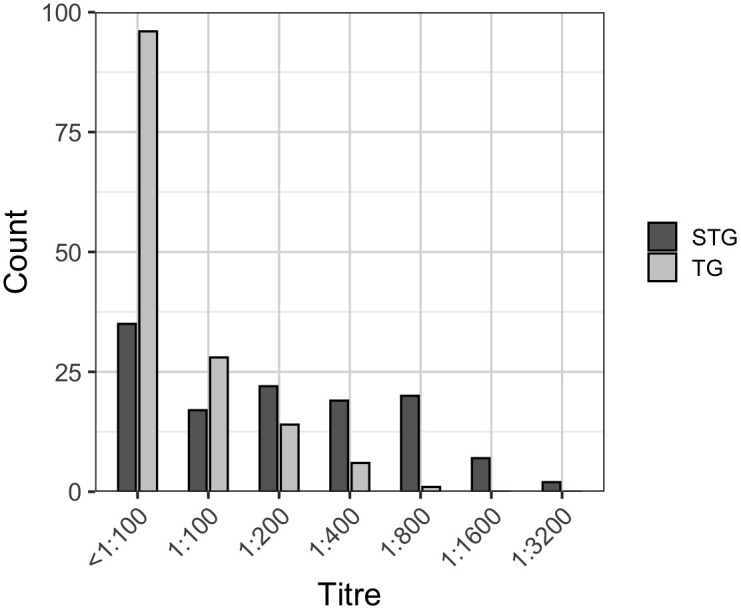 Figure 3
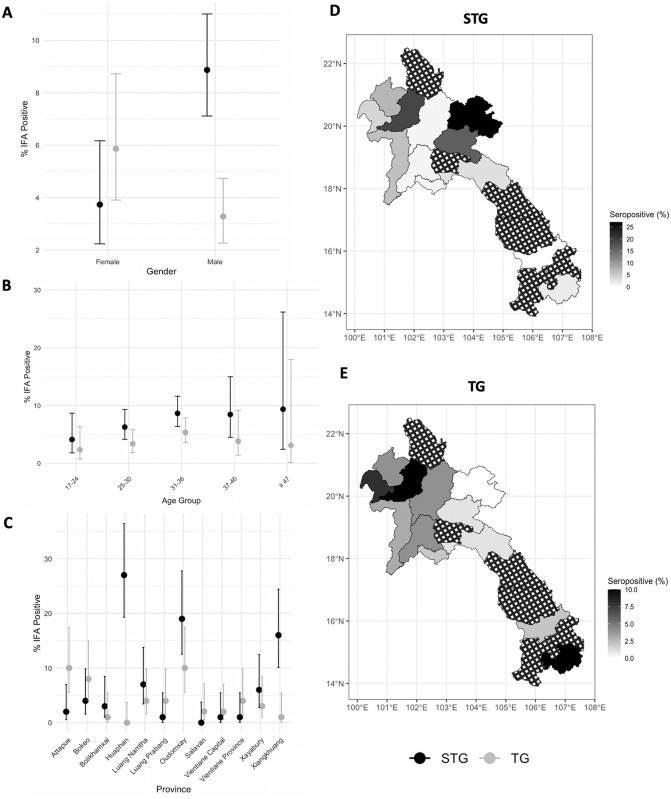 Figure 4
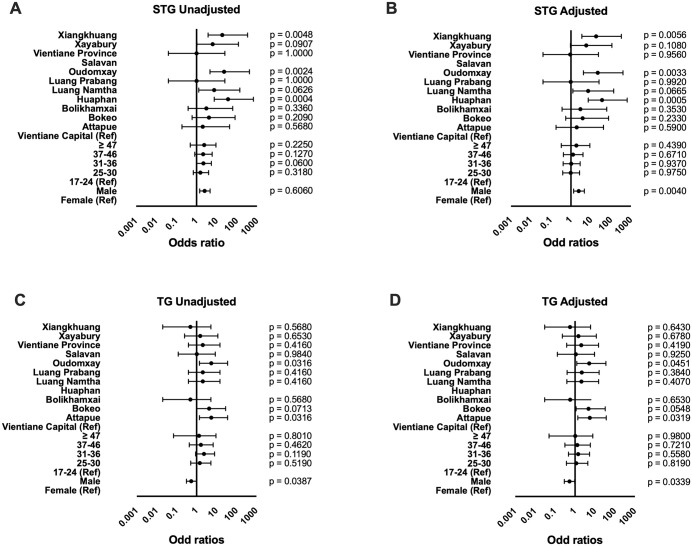 Figure 5
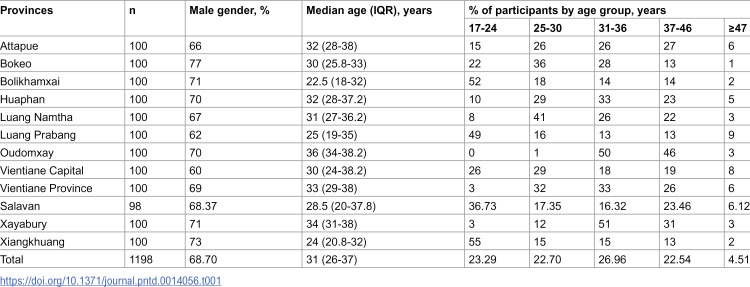 Figure 6
Peer Reviews
No public reviews on file for this paper yet. If you reviewed it on a platform where reviews are public (OpenReview, ICLR, NeurIPS, ICML), you can paste yours below so the community can read it here.
Videos
No videos yet. Explain this paper in a talk, walkthrough, or lecture? Add one.
Taxonomy
TopicsVector-borne infectious diseases · Viral Infections and Immunology Research · Bartonella species infections research