Computational fluid dynamics analysis of middle ear pressure dynamics: Evidence for efficient pressure equalization during partial eustachian tube opening
Yanzhuo Zhang, Fang Guo, Hua Liang, Yuetang Wang, Lan Su, Xin Yang, Ranran Liu, Xin-ge Lu, Yongtao Tian, Chunhua Wang, Jin Wang

TL;DR
This study uses computational fluid dynamics to show that partial opening of the eustachian tube can still effectively equalize middle ear pressure, which could help in managing related ear disorders.
Contribution
The study demonstrates that partial eustachian tube opening can achieve pressure equilibration comparable to full opening in most cases.
Findings
Partial eustachian tube opening at 50% achieved complete pressure equilibration in 75% of ears.
Airflow velocity peaks at the narrow isthmus of the eustachian tube, causing a localized pressure drop.
Effective pressure equilibration was observed during pressurization, stabilization, and depressurization phases with partial openings.
Abstract
Eustachian tube (ET) dysfunction is associated with middle ear pathologies; however, the quantitative relationship between ET opening and pressure equalization remains insufficiently characterized. Computational fluid dynamics (CFD) offers a robust tool for analyzing middle ear pressure dynamics, particularly in elucidating pressure equilibrium mechanisms under partial ET opening conditions. This study aimed to investigate pressure dynamics in the tympanic cavity, mastoid antrum, and air cells during ET opening using CFD, to compare pressure distributions between full and partial openings, and to determine whether partial opening can achieve equilibration equivalent to full opening. Eight normal temporal bones were reconstructed from high-resolution computed tomography scans of four healthy adults. ET openings were simulated at 10%, 30%, 50%, and 100% patency using CFD, and results…
Genes, proteins, chemicals, diseases, species, mutations and cell lines named across the full text — each resolved to its canonical identifier and authoritative record.
Click any figure to enlarge with its caption.
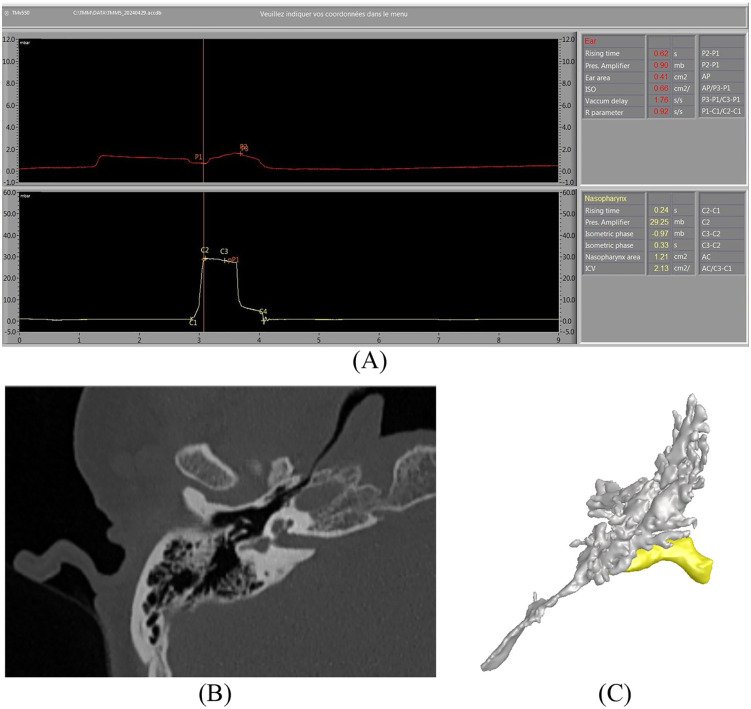 Figure 1
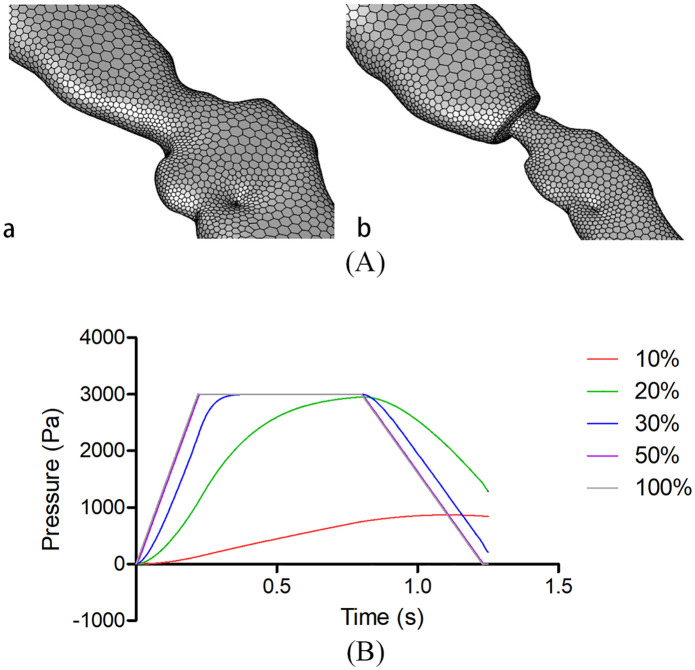 Figure 2
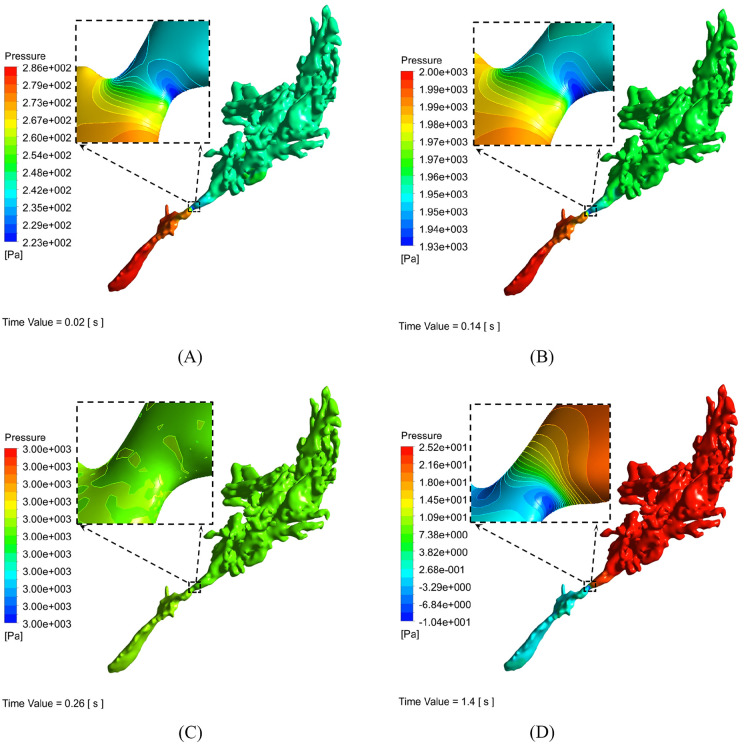 Figure 3
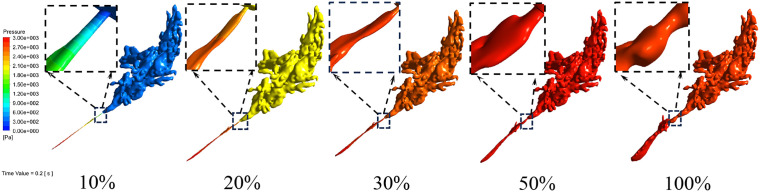 Figure 4
 Figure 5
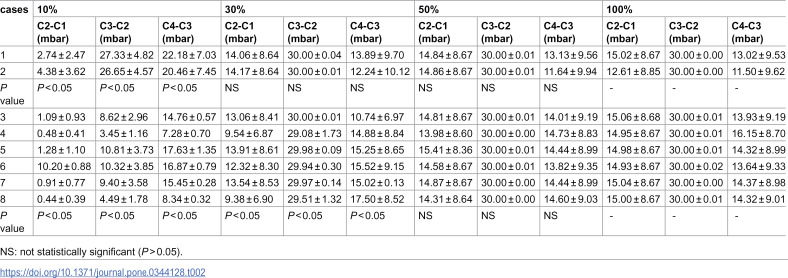 Figure 6
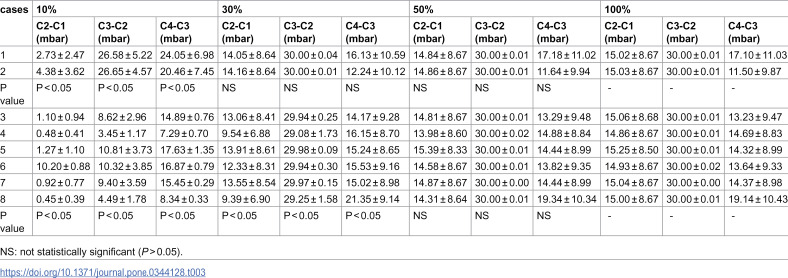 Figure 7
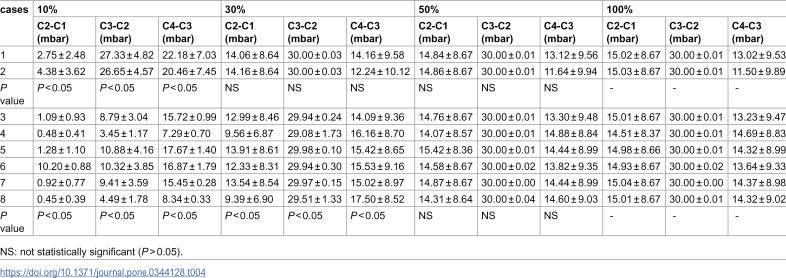 Figure 8
Peer Reviews
No public reviews on file for this paper yet. If you reviewed it on a platform where reviews are public (OpenReview, ICLR, NeurIPS, ICML), you can paste yours below so the community can read it here.
Videos
No videos yet. Explain this paper in a talk, walkthrough, or lecture? Add one.
Taxonomy
TopicsEar Surgery and Otitis Media · Vestibular and auditory disorders · Nasal Surgery and Airway Studies