A bacterial ecocline in Klebsiella pneumoniae may explain its backboned phylogeny
Siqi Liu, Sarah L. Svensson, Daniel Falush, Roland Roberts, Roland Roberts, Roland Roberts, Roland Roberts

TL;DR
The phylogenetic backbone of Klebsiella pneumoniae may reveal diversifying selection on an unknown trait, suggesting a new way to interpret bacterial evolution.
Contribution
The study proposes a bacterial ecocline as an explanation for the phylogenetic backbone in Klebsiella pneumoniae, linking genetic structure to diversifying selection.
Findings
The first principal component in KP PCA explains 16.8% of total variation, suggesting a bacterial ecocline.
Simulations of polygenic traits with diversifying selection recapitulate KP's genetic diversity and phylogenetic backbone.
Genes associated with PC1 hint at Kpa fimbriae as potentially linked to the trait under selection.
Abstract
The genetic structure of bacterial species is most often interpreted in terms of demographic processes such as clonal descent, but can also reflect natural selection and hence give functional and ecological insight. Klebsiella pneumoniae (KP) disperses effectively around the world and has high recombination rates, which should result in the species having a well-mixed gene pool. Nevertheless, phylogenies based on diverse KP strains contain a “backbone.” This structure reflects a component of variation where the first component in Principal Components Analysis (PCA), PC1, explains 16.8% of the total variation. We propose that the component reflects a “bacterial ecocline” generated by diversifying selection on a quantitative genetic trait. We simulated the evolution of a bacterial population with a polygenic quantitative trait, where strains with the most extreme trait values have a small…
Genes, proteins, chemicals, diseases, species, mutations and cell lines named across the full text — each resolved to its canonical identifier and authoritative record.
Click any figure to enlarge with its caption.
 Figure 1
 Figure 2
 Figure 3
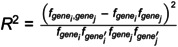 Figure 4
 Figure 5
 Figure 6
 Figure 7
 Figure 8
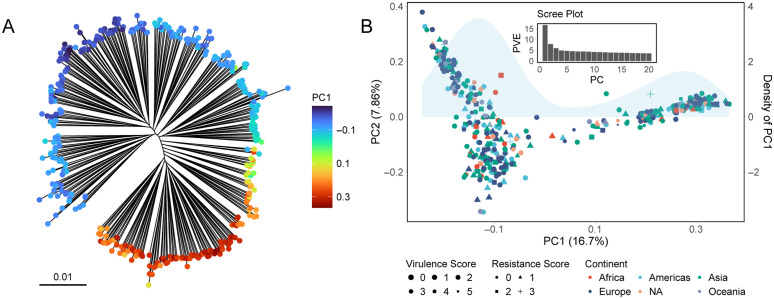 Figure 9
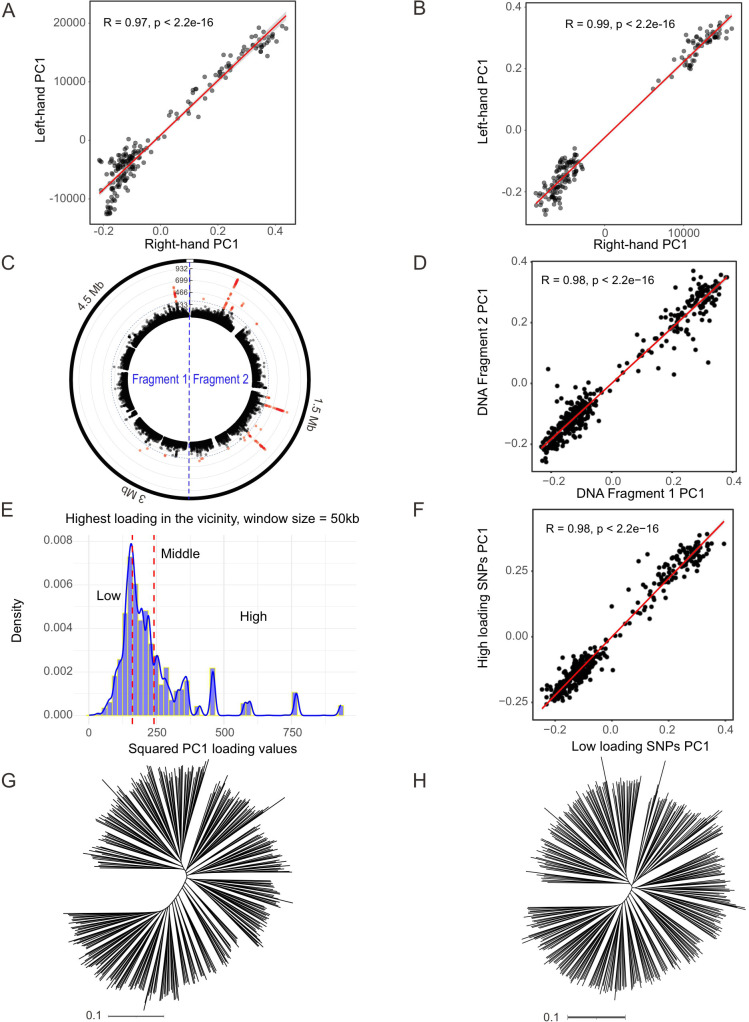 Figure 10
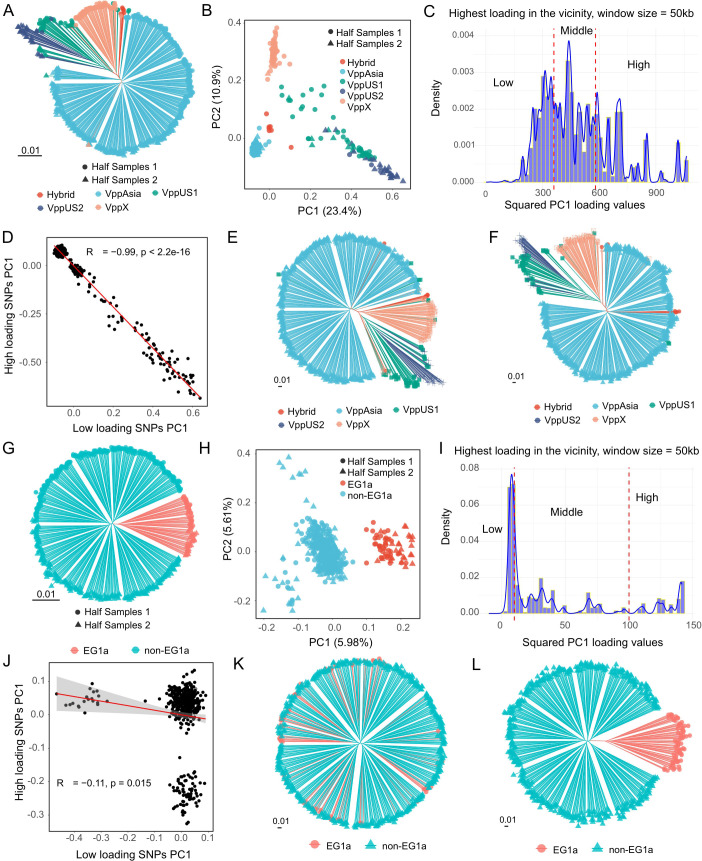 Figure 11
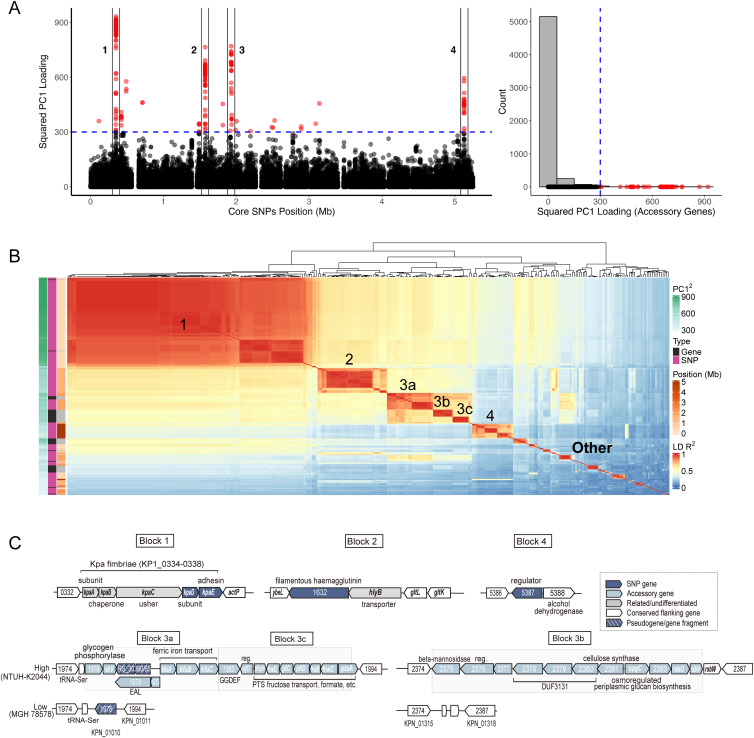 Figure 12
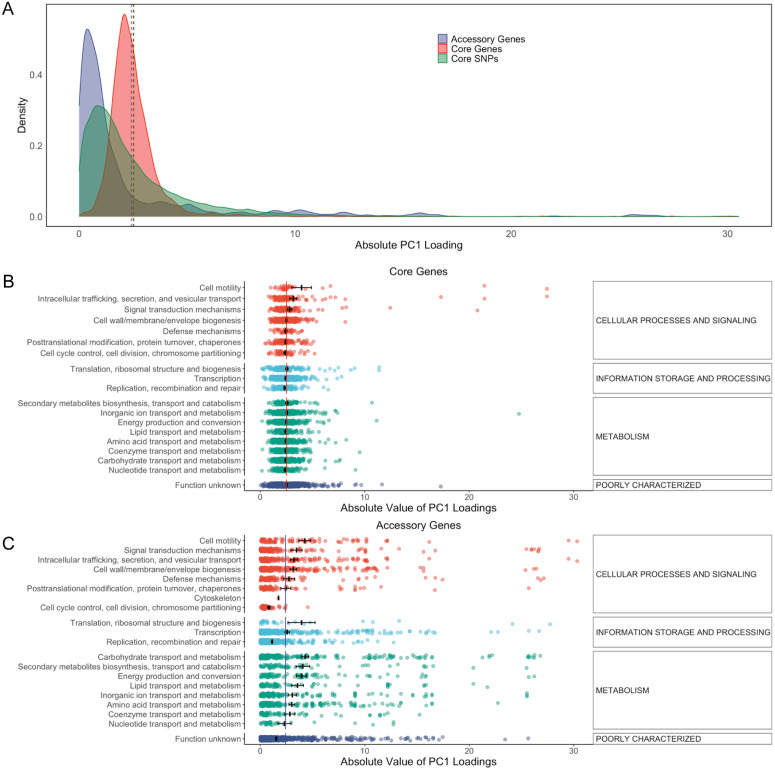 Figure 13
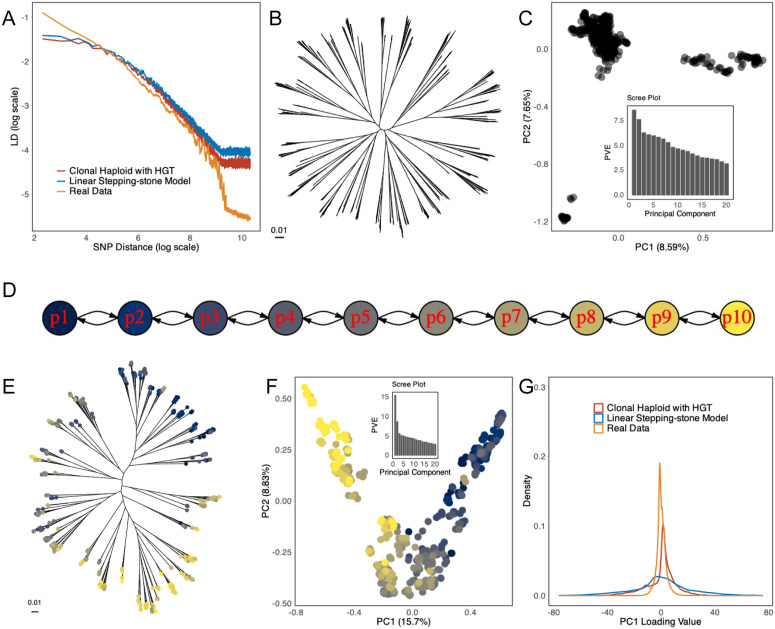 Figure 14
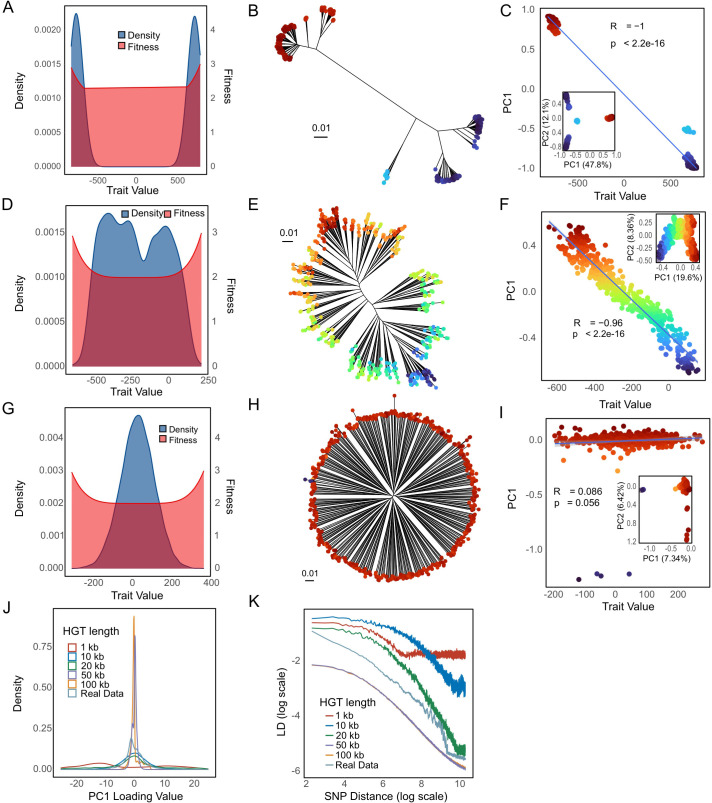 Figure 15
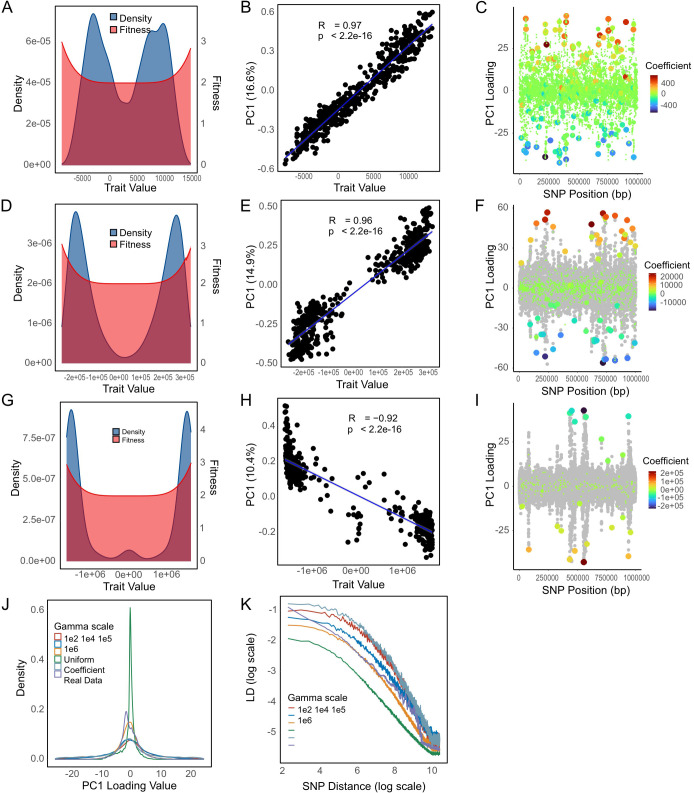 Figure 16
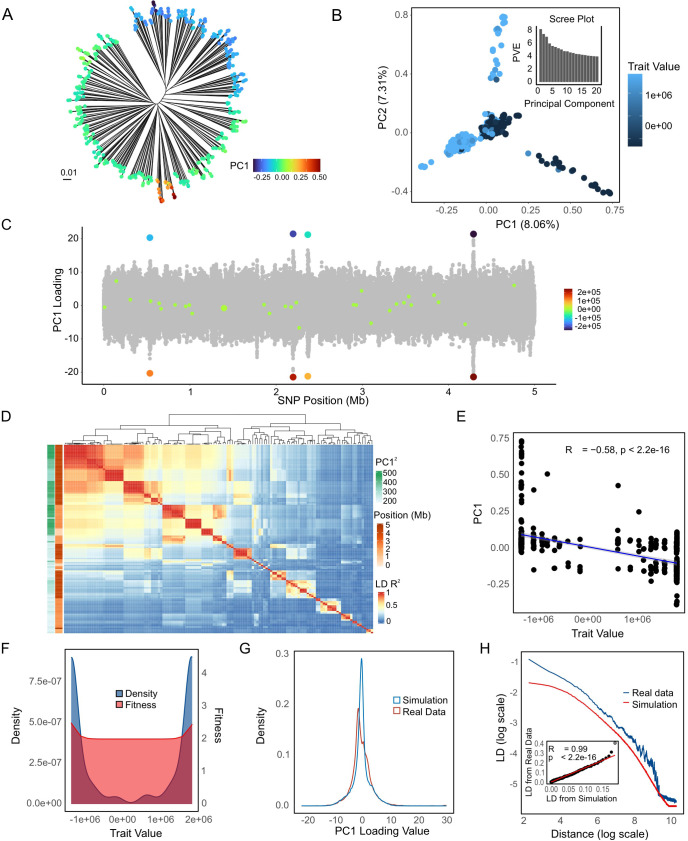 Figure 17
Peer Reviews
No public reviews on file for this paper yet. If you reviewed it on a platform where reviews are public (OpenReview, ICLR, NeurIPS, ICML), you can paste yours below so the community can read it here.
Videos
No videos yet. Explain this paper in a talk, walkthrough, or lecture? Add one.
Taxonomy
TopicsEvolution and Genetic Dynamics · Antibiotic Resistance in Bacteria · Pharmaceutical and Antibiotic Environmental Impacts