Effectiveness of adding inspiratory muscle training to a cardiac rehabilitation program in people with acute myocardial infarction revascularized by percutaneous coronary intervention (CARDIOINSPIRE): Study protocol for a randomized controlled trial
Jose M. Zuazagoitia-Lama-Noriega, A. M. Gómez-González, Jose A. Moral-Munoz, Mansueto Neto, Mansueto Neto, Mansueto Neto

TL;DR
This study will test if adding breathing exercises to heart rehab improves recovery in patients who had a heart attack and stent placement.
Contribution
This is the first trial to evaluate the impact of inspiratory muscle training on biopsychosocial outcomes in post-PCI AMI patients.
Findings
Improvements in cardiorespiratory fitness and inspiratory muscle strength are expected.
The study will clarify how breathing training affects psychological and social recovery outcomes.
Results may guide future cardiac rehabilitation protocols to include IMT.
Abstract
This study aims to analyze the effectiveness of adding inspiratory muscle training (IMT) to a cardiac rehabilitation program (CRP) in people with acute myocardial infarction (AMI) revascularized by percutaneous coronary intervention (PCI) after 16 sessions. The biopsychosocial profile and the sex differences of this population will also be evaluated. Triple-blind, parallel-group, low-risk randomized controlled trial. 72 patients diagnosed with AMI will be enrolled and randomly assigned to two groups. The control group will complete the usual CRP with the addition of IMT at 5% of the maximal inspiratory pressure (MIP) (sham load). The intervention group will perform the same CRP but will add an IMT program at 70% of MIP. Outcomes will be collected at baseline and post-intervention. The main outcome will be cardiorespiratory fitness (CF) measured in metabolic equivalent of task (MET),…
Genes, proteins, chemicals, diseases, species, mutations and cell lines named across the full text — each resolved to its canonical identifier and authoritative record.
Click any figure to enlarge with its caption.
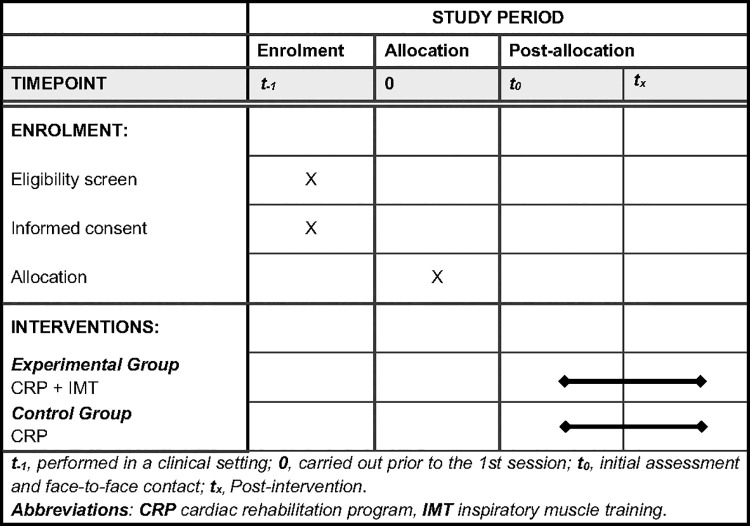 Figure 1
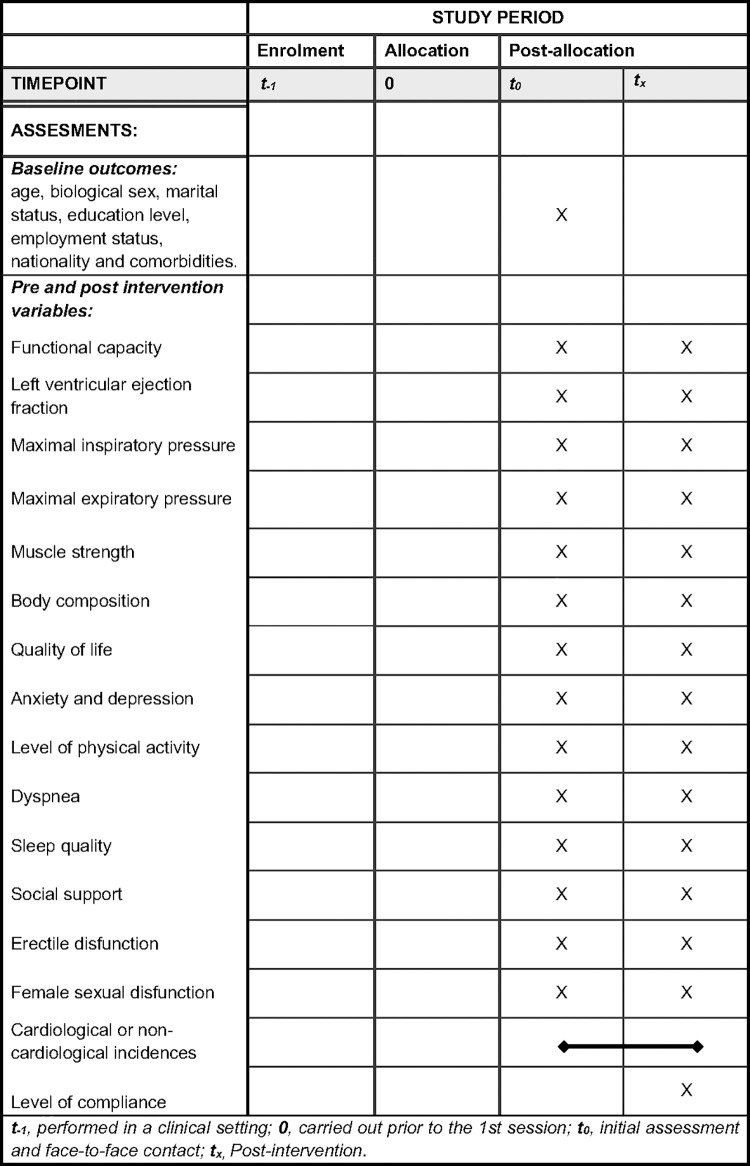 Figure 2
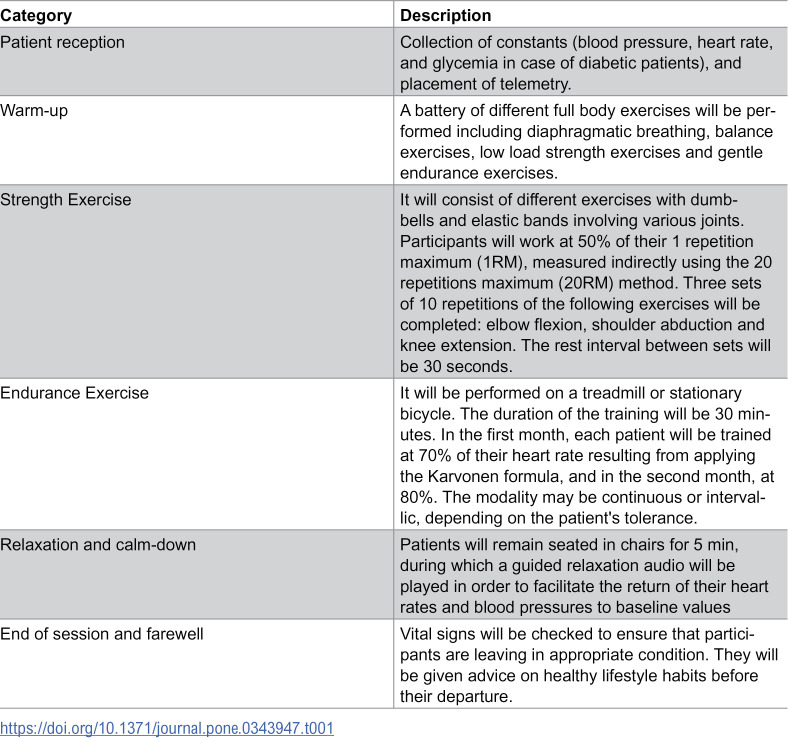 Figure 3
Peer Reviews
No public reviews on file for this paper yet. If you reviewed it on a platform where reviews are public (OpenReview, ICLR, NeurIPS, ICML), you can paste yours below so the community can read it here.
Videos
No videos yet. Explain this paper in a talk, walkthrough, or lecture? Add one.
Taxonomy
TopicsCardiac Health and Mental Health · Cardiovascular and exercise physiology · Intensive Care Unit Cognitive Disorders