Metabolic and behavioral effects of neurofibromin result from differential recruitment of MAPK and mTOR signaling
Valentina Botero, Jenifer Barrios, Anneke Knauss, Greta Dahlen, Ethan Rosendahl, Kenneth J. Colodner, Seth M. Tomchik

TL;DR
This study shows that different symptoms of neurofibromatosis type 1 are caused by distinct signaling pathways, suggesting potential for targeted treatments.
Contribution
The study identifies distinct signaling pathways responsible for behavioral and metabolic effects in neurofibromatosis type 1 using a Drosophila model.
Findings
Behavioral effects of neurofibromin are mediated by MEK signaling without requiring Akt.
Metabolic effects require coordinated MEK/ERK and Akt/mTOR/S6K/4E-BP signaling.
Loss of neurofibromin causes metabolic dysregulation in interneurons and muscle, with altered muscle mitochondria.
Abstract
Neurofibromatosis type 1 results from mutations in the NF1 gene and its encoded neurofibromin protein. This condition produces multiple symptoms, including tumors, behavioral alterations, and metabolic changes. Molecularly, neurofibromin mutations affect Ras activity, influencing multiple downstream signaling pathways, including MAPK (Raf/MEK/ERK) and PI3K/Akt/mTOR signaling. This pleiotropy raises the question of which pathways could be targeted to treat the disease symptoms, and whether different phenotypes driven by neurofibromin mutations exhibit similar or diverging dependence on the signaling pathways downstream of Ras. To test this, we examined metabolic and behavioral alterations in the genetically tractable Drosophila neurofibromatosis type 1 model. In vivo genetic analysis revealed that behavioral effects of neurofibromin were mediated by MEK signaling, with no necessity for…
Genes, proteins, chemicals, diseases, species, mutations and cell lines named across the full text — each resolved to its canonical identifier and authoritative record.
Click any figure to enlarge with its caption.
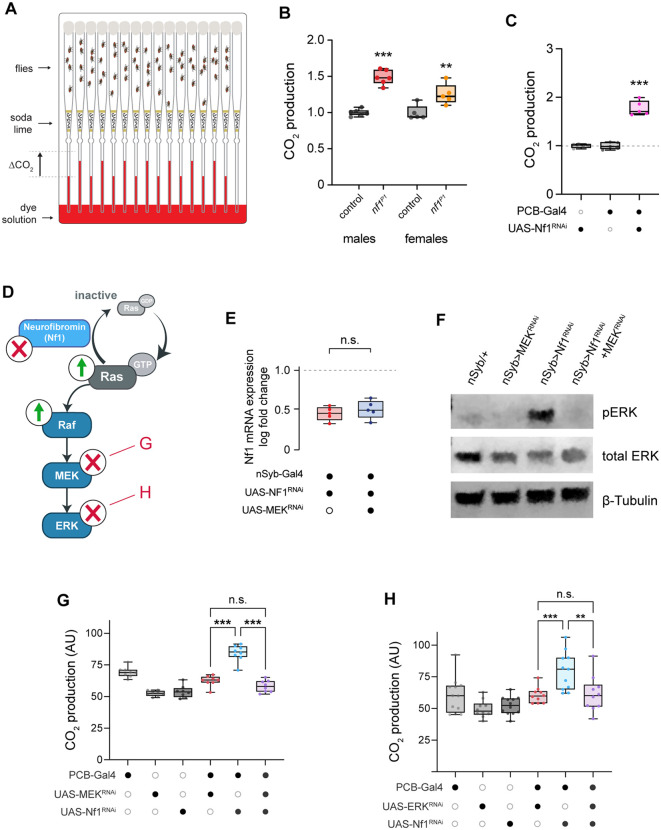 Figure 1
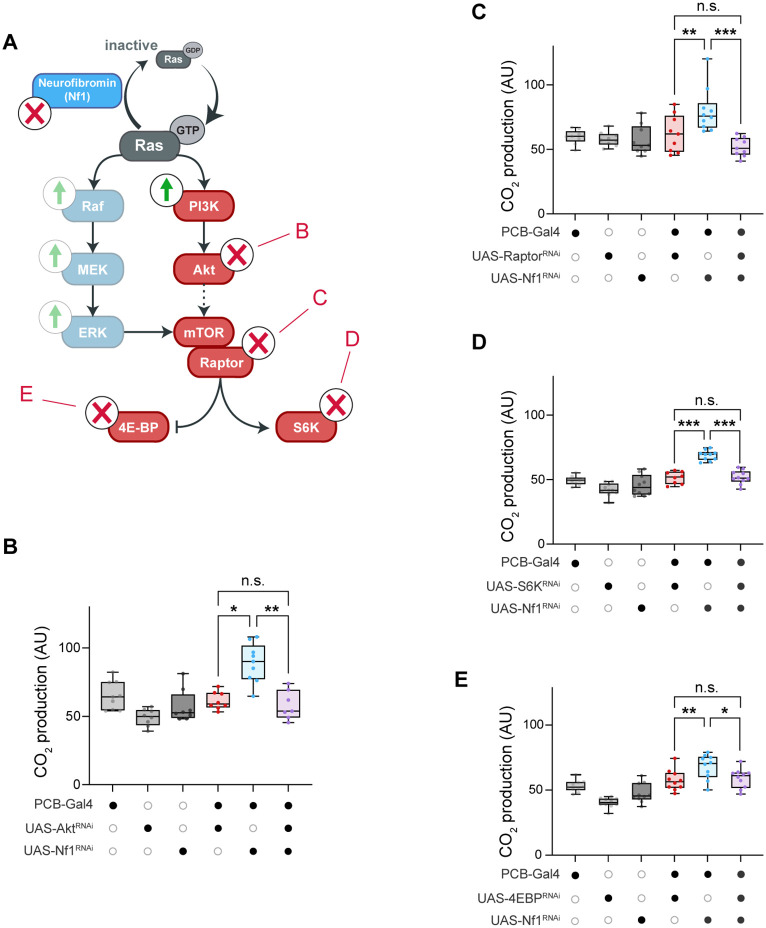 Figure 2
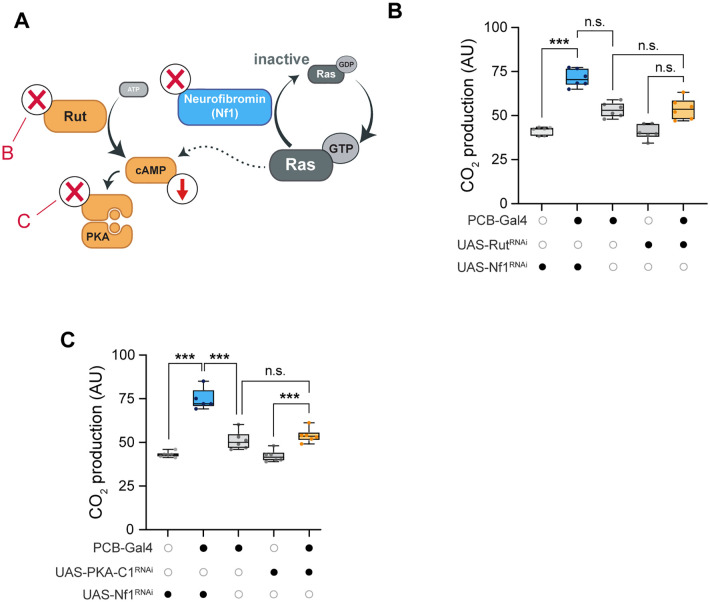 Figure 3
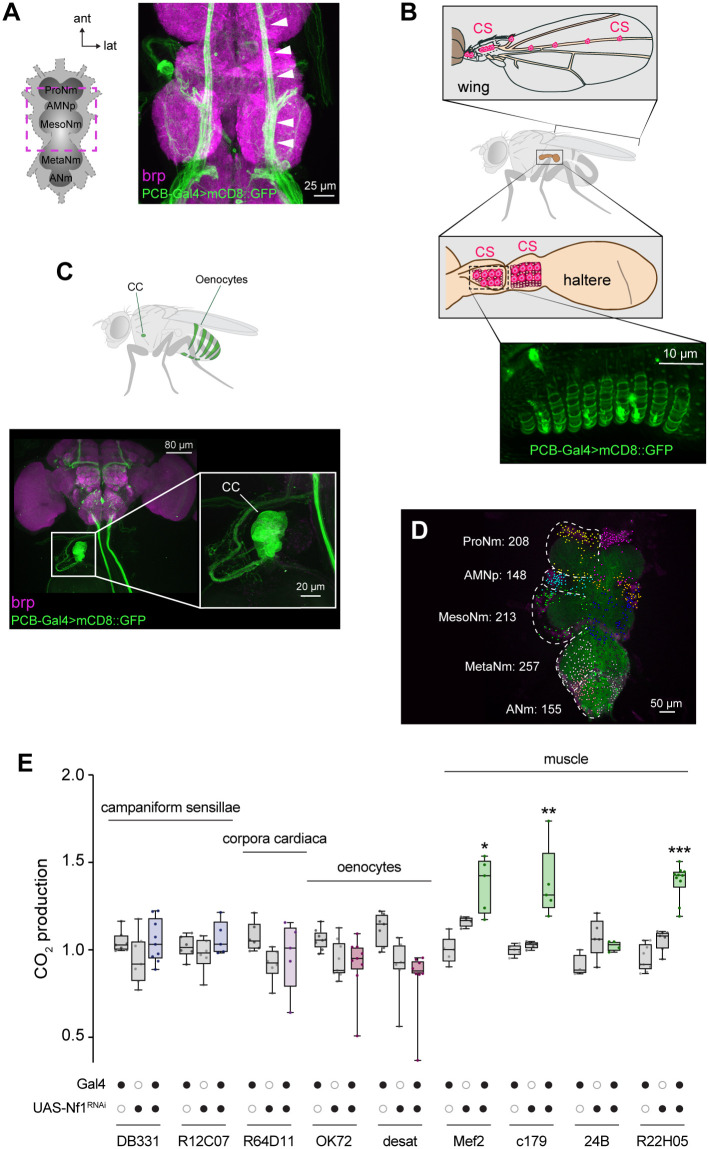 Figure 4
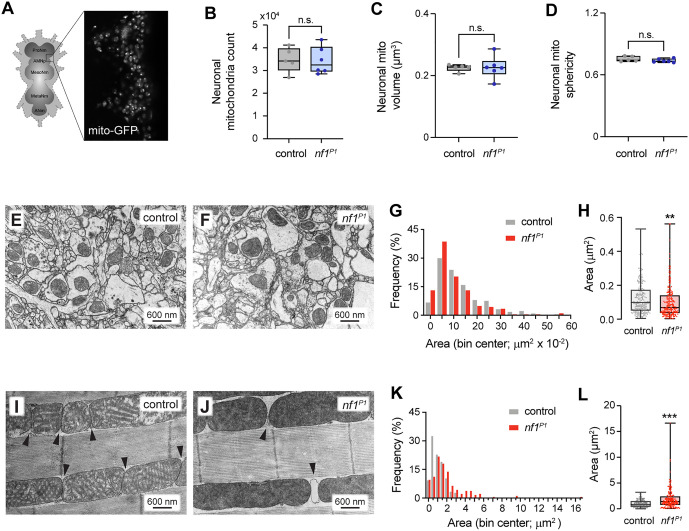 Figure 5
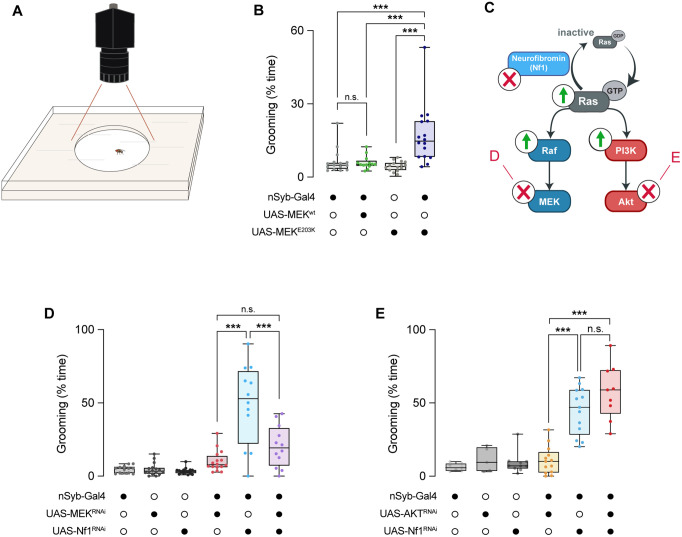 Figure 6
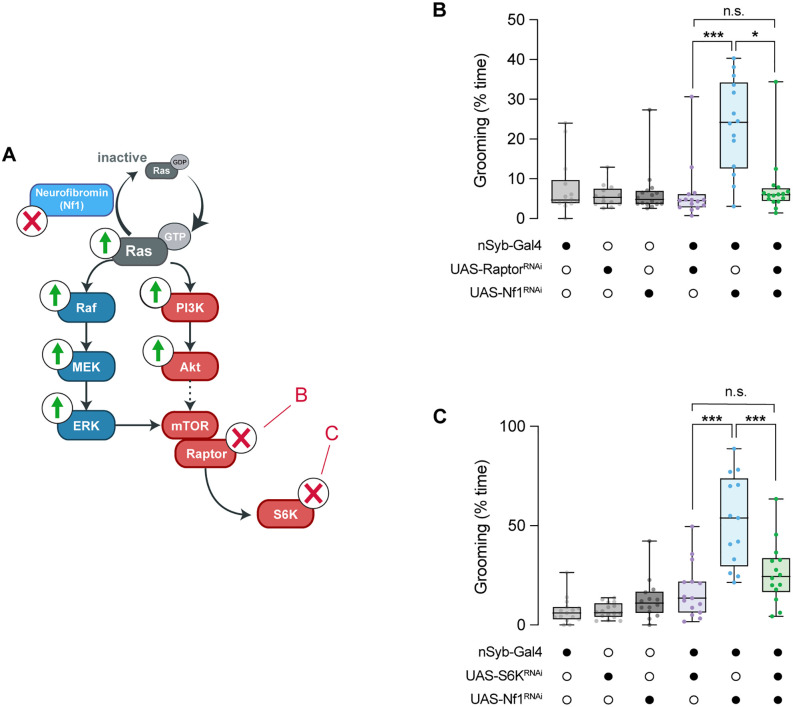 Figure 7
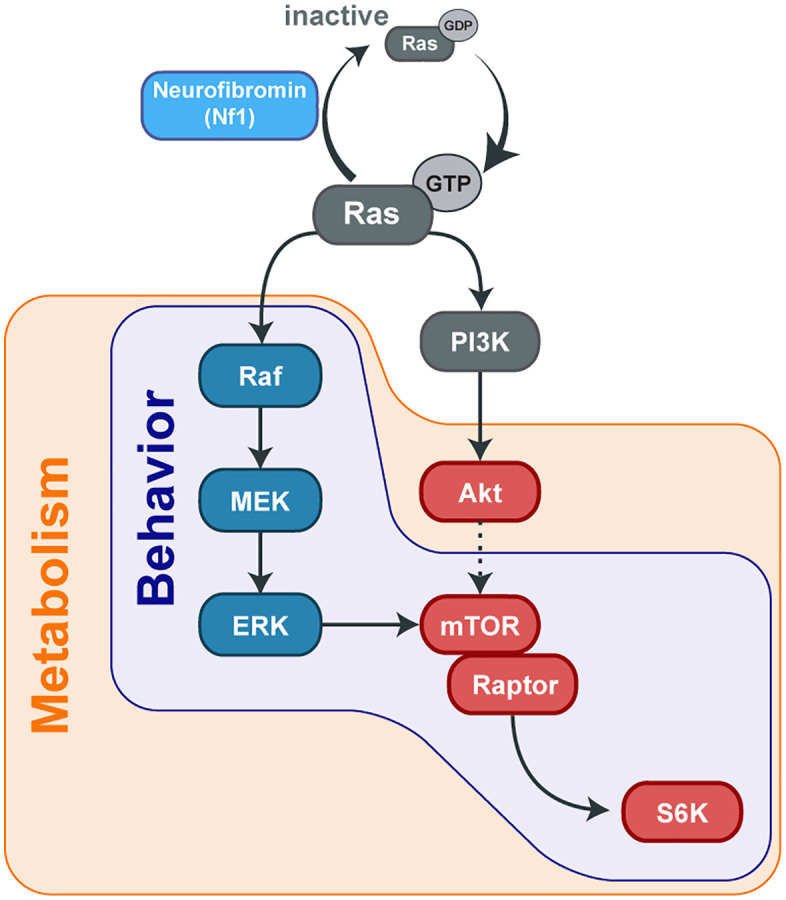 Figure 8
Peer Reviews
No public reviews on file for this paper yet. If you reviewed it on a platform where reviews are public (OpenReview, ICLR, NeurIPS, ICML), you can paste yours below so the community can read it here.
Videos
No videos yet. Explain this paper in a talk, walkthrough, or lecture? Add one.
Taxonomy
TopicsNeurofibromatosis and Schwannoma Cases · Tuberous Sclerosis Complex Research · PI3K/AKT/mTOR signaling in cancer