Effects of co-cultivation with Gracilariopsis lemaneiformis on the explosive growth and photosynthesis of Ulva prolifera
Wei Zhou, Wentao Lu, Yi Hao, Yuyue Zhou, Yuru Yan, Qun Liu, Jiatao Xu, Juntian Xu, Chen Liang, Xincheng Song, Jiahu Xia, Jinguo Wang

TL;DR
This study explores how co-cultivating Gracilariopsis lemaneiformis with Ulva prolifera can suppress green tides in the Yellow Sea through competitive resource use and shading effects.
Contribution
The study reveals how varying light intensity and biomass density ratios influence the competitive suppression of Ulva prolifera by Gracilariopsis lemaneiformis.
Findings
High light intensity enhances the competitive suppression of Ulva prolifera by Gracilariopsis lemaneiformis through shading effects.
A biomass density ratio of 1:4–1:6 (Ulva prolifera: Gracilariopsis lemaneiformis) balances ecological control with the growth of Gracilariopsis lemaneiformis.
Under low light, Ulva prolifera compensates for competition by increasing chlorophyll content.
Abstract
The recurring outbreak of Ulva prolifera green tides in the Yellow Sea poses a serious threat to coastal ecosystems and coastal-related industries, necessitating the development of environmentally friendly control strategies. In this study, in situ experiments were conducted using two light intensity levels and five co-cultivation biomass density combinations to investigate their effects on the growth and photosynthetic physiology of Gracilariopsis lemaneiformis and U. prolifera. The results demonstrated a significant interactive effect of light intensity and biomass density on the competitive outcome between the two species. Specifically, the relative growth rate of U. prolifera significantly decreased with increasing biomass density of G. lemaneiformis–an inhibitory effect that was particularly pronounced under high light intensity. High light enhanced the competitive suppression…
Genes, proteins, chemicals, diseases, species, mutations and cell lines named across the full text — each resolved to its canonical identifier and authoritative record.
Click any figure to enlarge with its caption.
 Figure 1
 Figure 2
 Figure 3
 Figure 4
 Figure 5
 Figure 6
 Figure 7
 Figure 8
 Figure 9
 Figure 10
 Figure 11
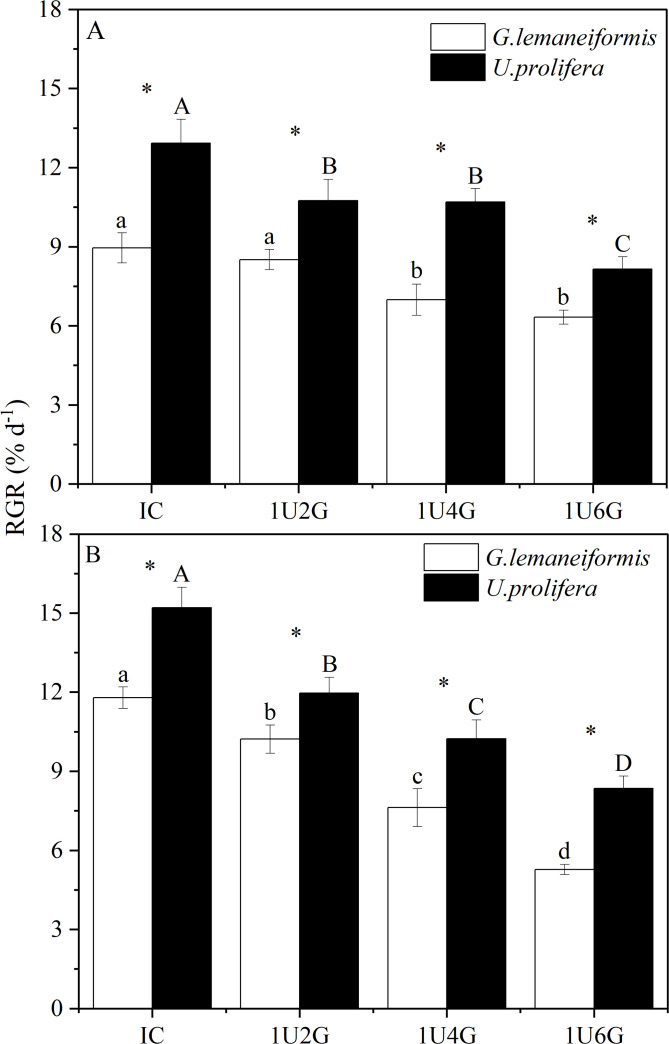 Figure 12
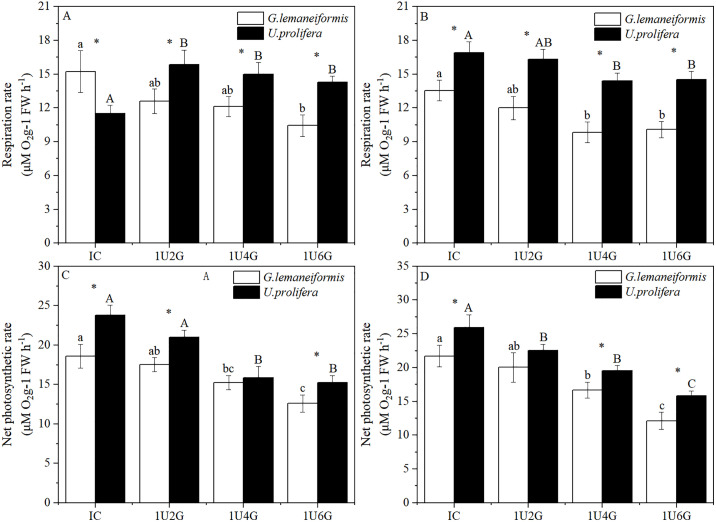 Figure 13
 Figure 14
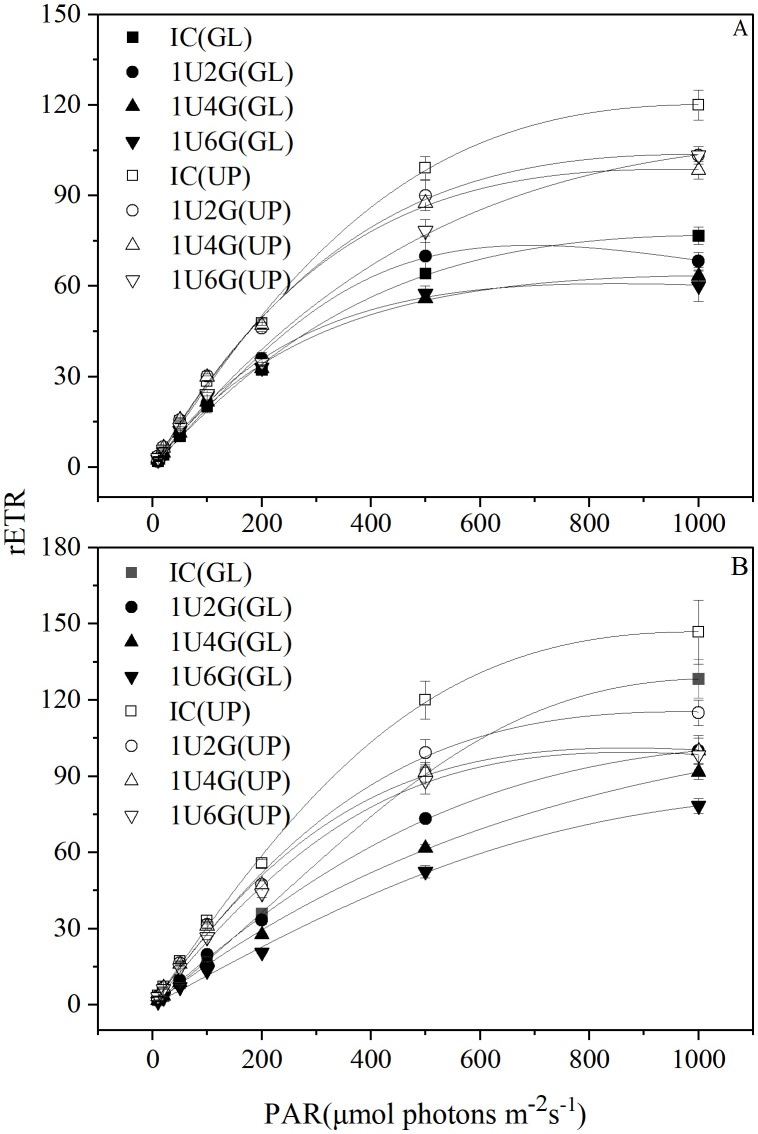 Figure 15
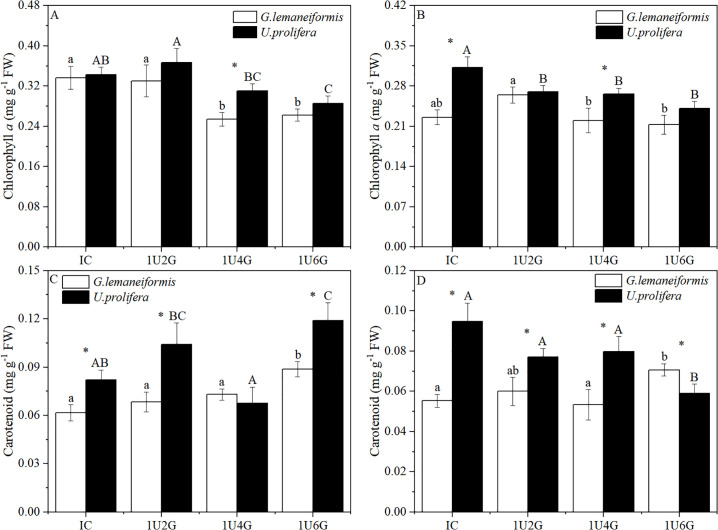 Figure 16
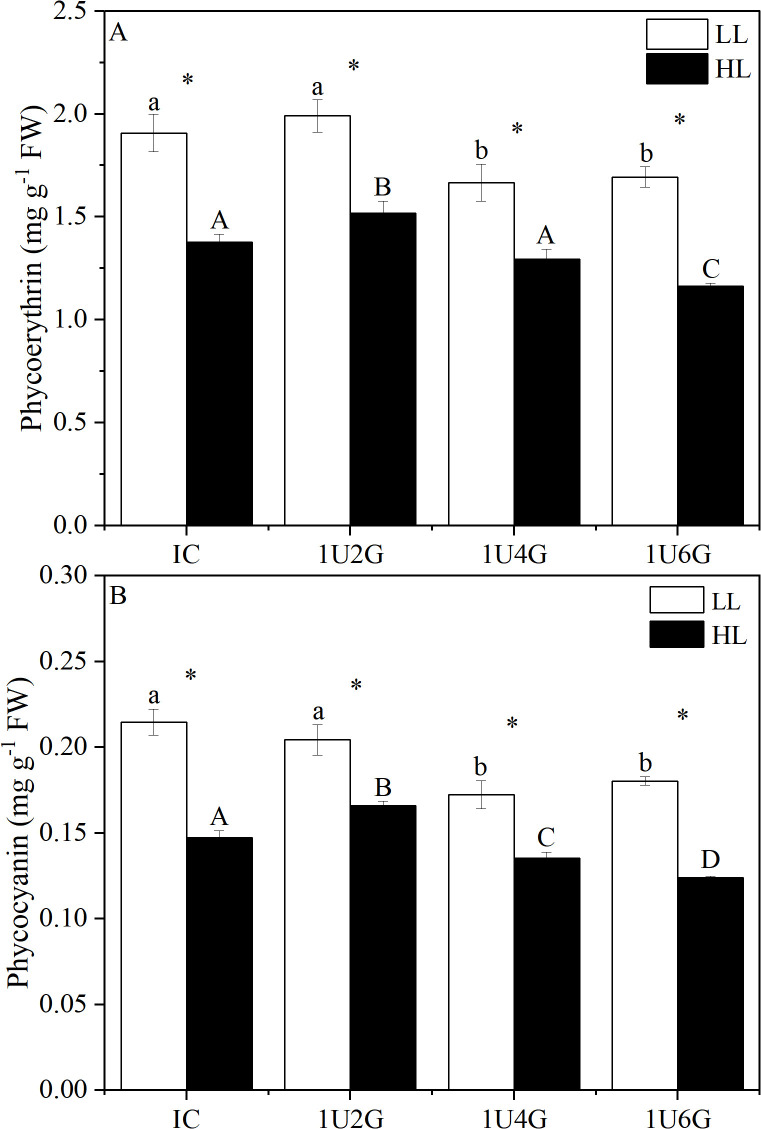 Figure 17
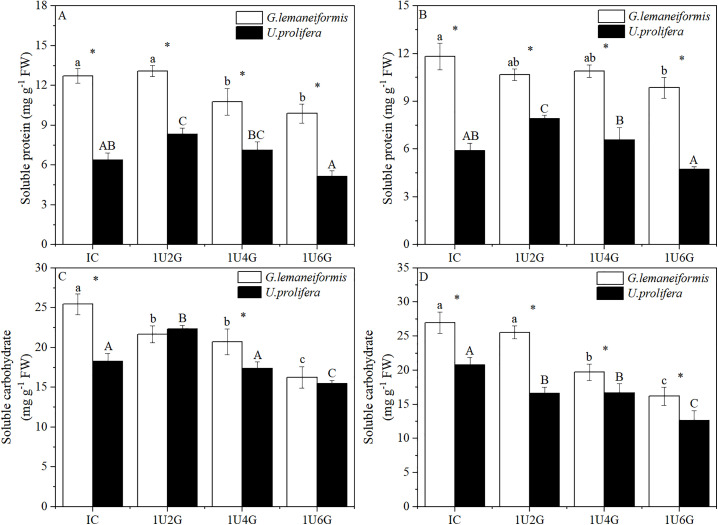 Figure 18
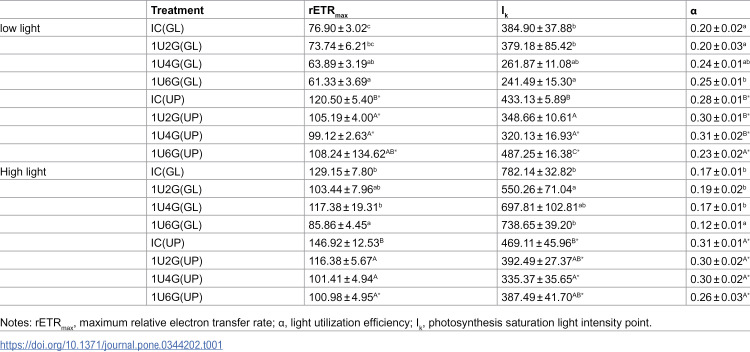 Figure 19
Peer Reviews
No public reviews on file for this paper yet. If you reviewed it on a platform where reviews are public (OpenReview, ICLR, NeurIPS, ICML), you can paste yours below so the community can read it here.
Videos
No videos yet. Explain this paper in a talk, walkthrough, or lecture? Add one.
Taxonomy
TopicsMarine and coastal plant biology · Seaweed-derived Bioactive Compounds · Plant Growth Enhancement Techniques