Anisotropic fracture mechanics of pre-cracked T4,4,4-Graphyne Nanosheets: Effects of crack geometry and temperature
Chuanyuan Tan, Ali Ghasemi

TL;DR
This study explores how pre-cracked T4,4,4-graphyne nanosheets break under tension, showing how crack size, orientation, and temperature affect their strength and toughness.
Contribution
The paper introduces a detailed atomistic analysis of anisotropic fracture mechanics in pre-cracked graphyne nanosheets under varying temperatures and crack geometries.
Findings
Ultimate tensile strength and fracture strain decrease with increasing crack length and temperature.
Toughness and mode I fracture toughness show anisotropic behavior due to ligament bridging and bond rotation under X-loading.
Thermal softening causes near-linear modulus reduction and inversion of directional stiffness at high temperatures.
Abstract
An atomistic study is conducted to elucidate the fracture behavior of pristine and centrally pre-cracked T4,4,4-graphyne nanosheets (150 Å × 150 Å) under uniaxial tension in both X- and Y-directions. Stress–strain responses are analyzed as functions of crack length (30–60 Å), orientation (0°–90°), and temperature (200–1000 K). Elastic modulus degradation is captured by power-law and trigonometric models, yielding high correlation coefficients. Ultimate tensile strength and fracture strain are shown to decline with increasing crack length and temperature, while toughness and mode I fracture toughness illustrate anisotropic energy absorption and crack-tip shielding effects, particularly under X-loading where ligament bridging and bond rotation mechanisms are activated. Thermal softening is modeled via the Wachtman equation, revealing near-linear modulus reduction and an inversion of…
Genes, proteins, chemicals, diseases, species, mutations and cell lines named across the full text — each resolved to its canonical identifier and authoritative record.
Click any figure to enlarge with its caption.
 Figure 1
 Figure 2
 Figure 3
 Figure 4
 Figure 5
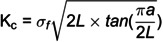 Figure 6
 Figure 7
 Figure 8
 Figure 9
 Figure 10
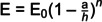 Figure 11
 Figure 12
 Figure 13
 Figure 14
 Figure 15
 Figure 16
 Figure 17
 Figure 18
 Figure 19
 Figure 20
 Figure 21
 Figure 22
 Figure 23
 Figure 24
 Figure 25
 Figure 26
 Figure 27
 Figure 28
 Figure 29
 Figure 30
 Figure 31
 Figure 32
 Figure 33
 Figure 34
 Figure 35
 Figure 36
 Figure 37
 Figure 38
 Figure 39
 Figure 40
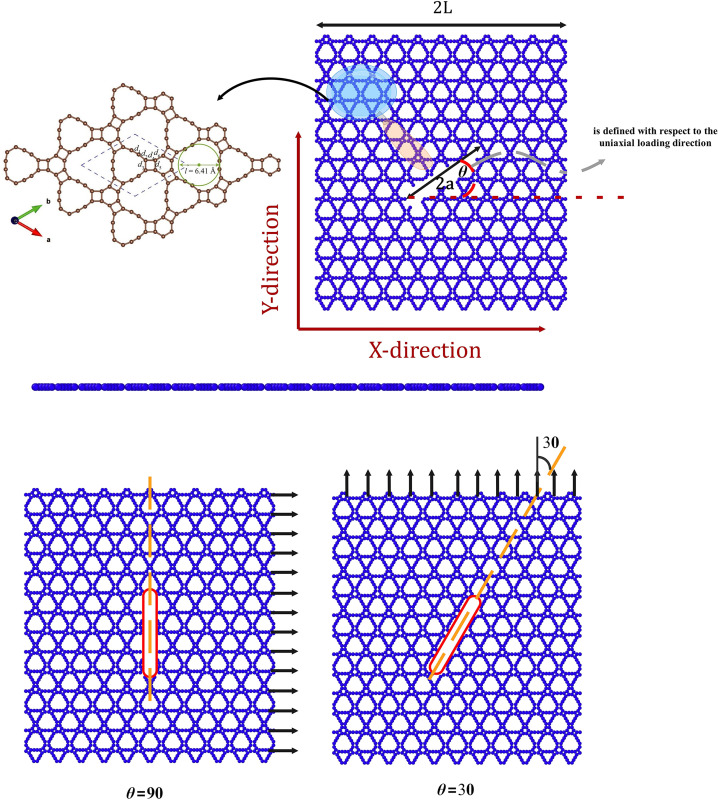 Figure 41
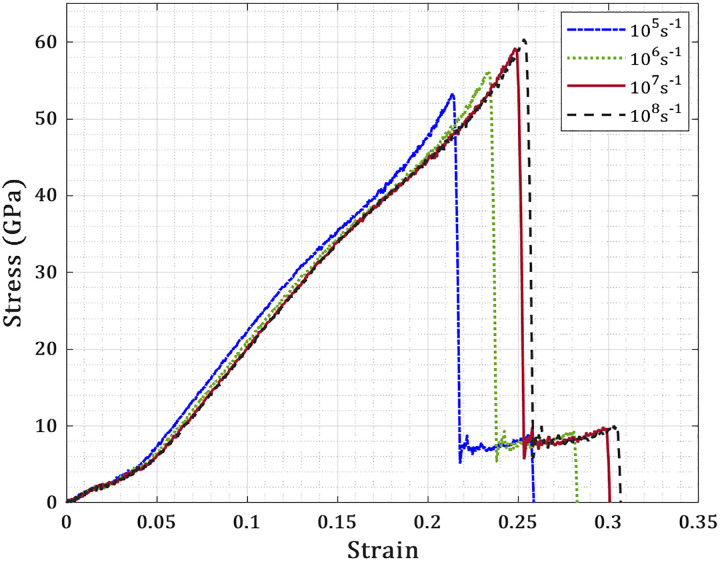 Figure 42
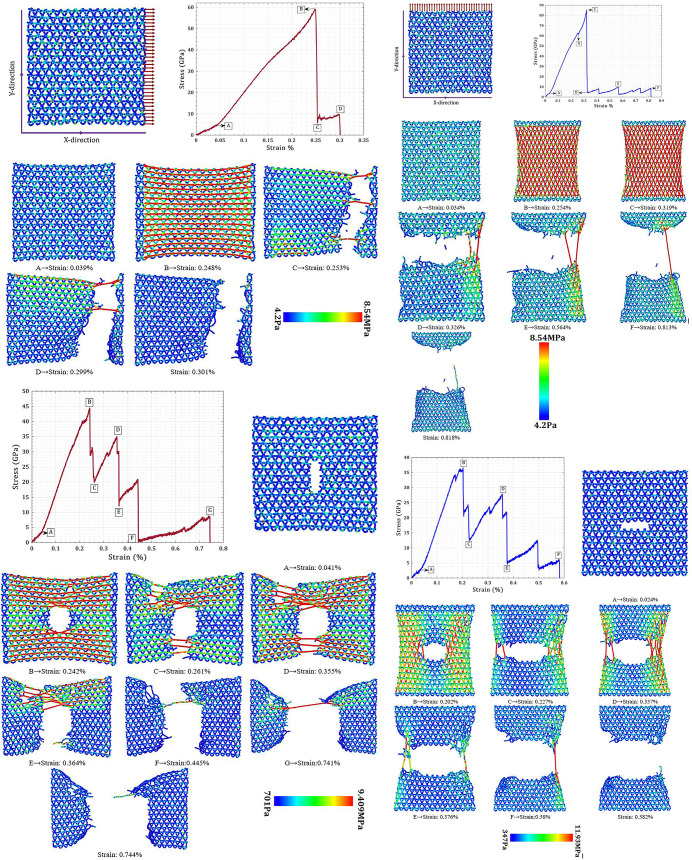 Figure 43
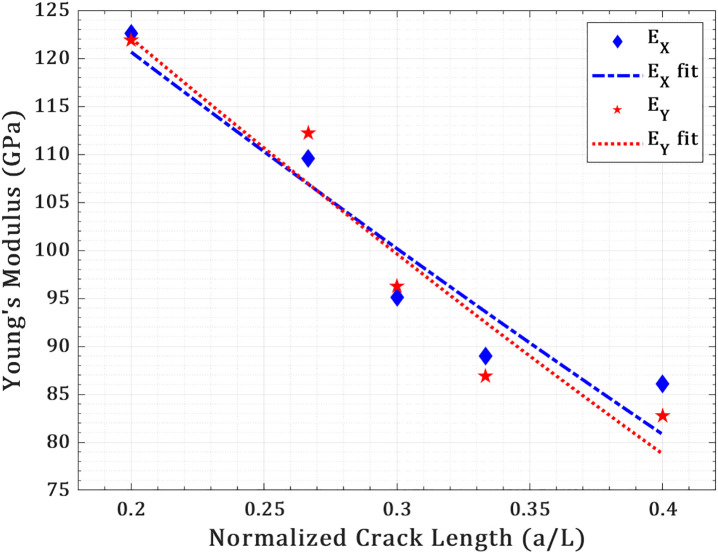 Figure 44
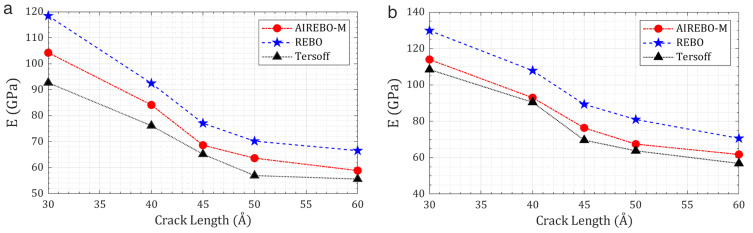 Figure 45
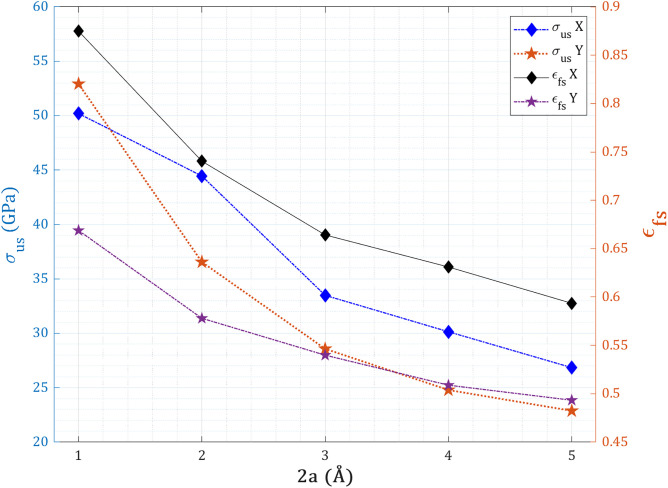 Figure 46
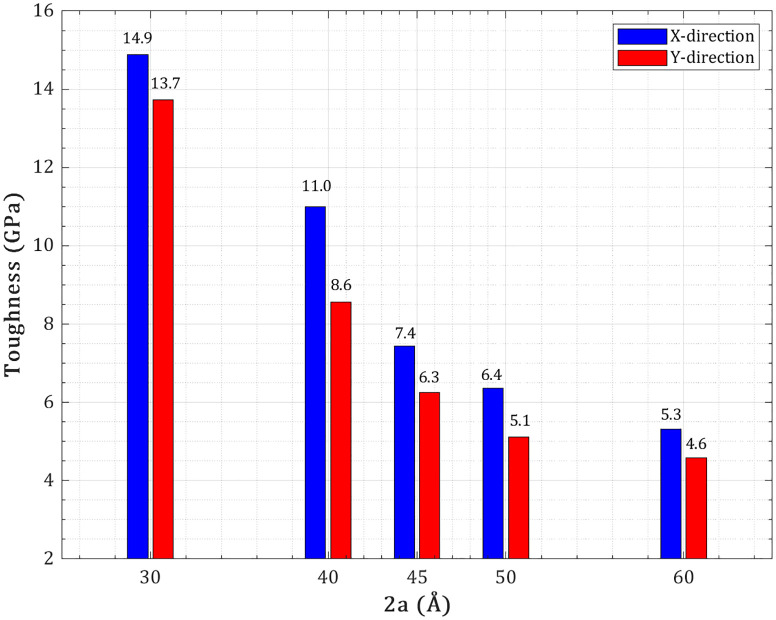 Figure 47
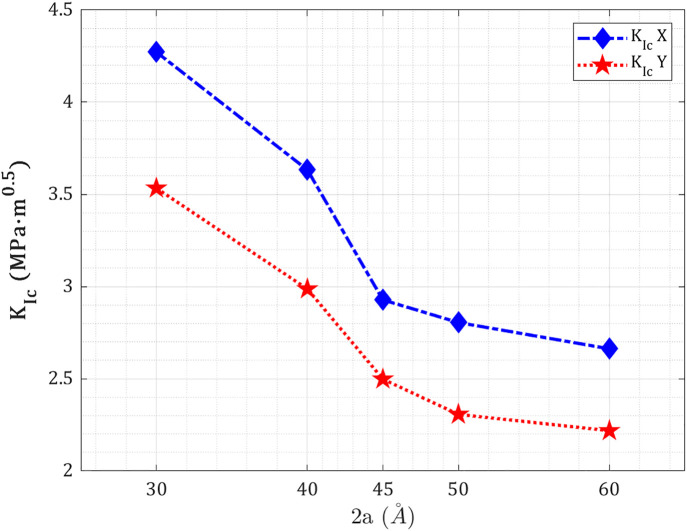 Figure 48
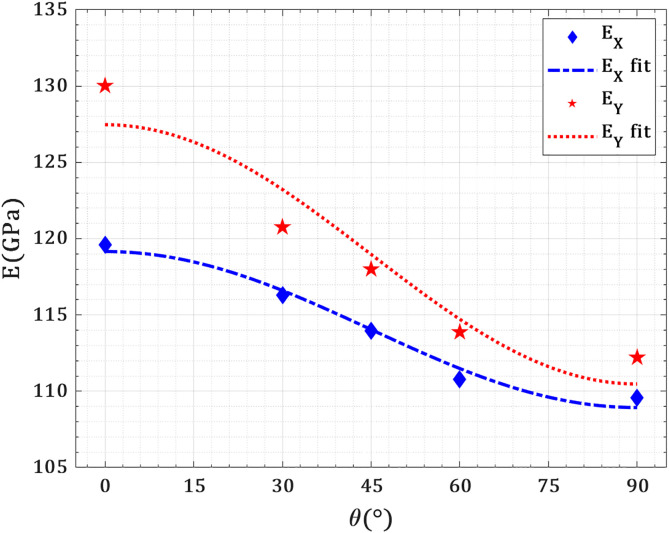 Figure 49
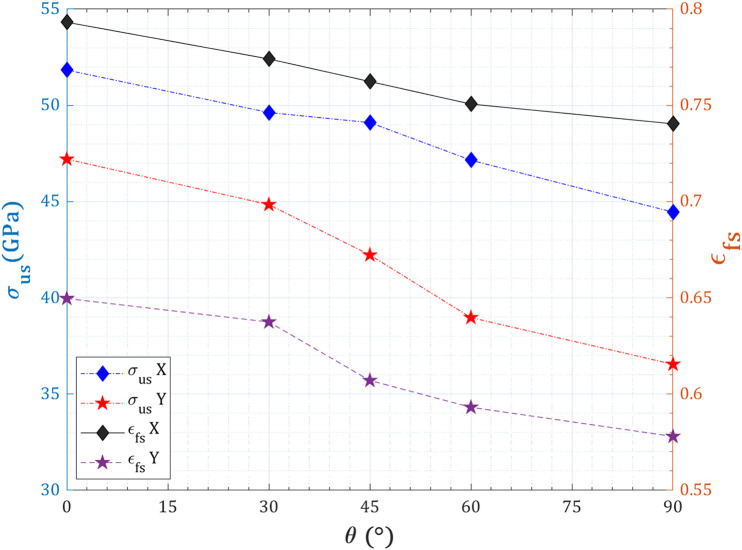 Figure 50
Peer Reviews
No public reviews on file for this paper yet. If you reviewed it on a platform where reviews are public (OpenReview, ICLR, NeurIPS, ICML), you can paste yours below so the community can read it here.
Videos
No videos yet. Explain this paper in a talk, walkthrough, or lecture? Add one.
Taxonomy
TopicsGraphene research and applications · Boron and Carbon Nanomaterials Research · 2D Materials and Applications