Physiological responses of sea urchin, Arbacia punctulata, exposed to temperature and lipopolysaccharides (LPS)
Nahian Fyrose Fahim, Kusum Parajuli, Israt Mishu, Sinthia Kabir Mumu, Eaint Honey Aung Win, Ahmed Mustafa

TL;DR
This study examines how temperature and lipopolysaccharides affect the physiology of sea urchins, revealing changes in immune cells and reproduction.
Contribution
The study provides new insights into the combined effects of physical and chemical stressors on sea urchin physiology.
Findings
Stressors caused significant changes in coelomocyte counts and cell types in sea urchins.
Increased temperature led to higher protein levels in coelomic fluid compared to controls.
Combined stressors reduced the gonadosomatic index, indicating negative impacts on reproduction.
Abstract
Sea urchins are interesting creatures that play important ecological roles in the sea and are popular for their culinary and medicinal uses, which belong to phylum of Echinodermata. However, rapid environmental changes create a significant impact on marine species, including sea urchins, causing them severe stress. To address this issue, scientists are attempting to cultivate sea urchins in aquaculture to aid both conservation and commercial efforts. In this study, we aimed to investigate the physiological effects of stressors on sea urchin Arbacia punctulata, using three different stress conditions: increased temperature as a physical stressor, inoculation of lipopolysaccharides (LPS) as a chemical stressor, and a combination of both (increased temperature and LPS). We collected coelomic fluid (CF) from all the experimental groups at day 1, day 3, day 7, and day 10 and observed…
Genes, proteins, chemicals, diseases, species, mutations and cell lines named across the full text — each resolved to its canonical identifier and authoritative record.
Click any figure to enlarge with its caption.
 Figure 1
 Figure 2
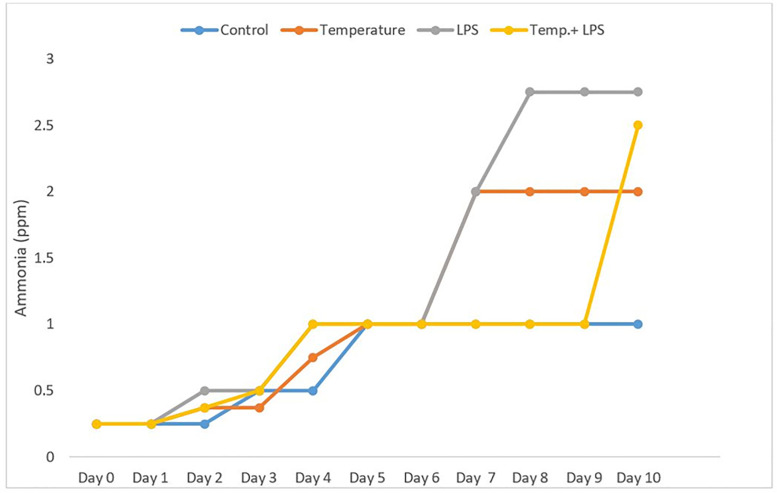 Figure 3
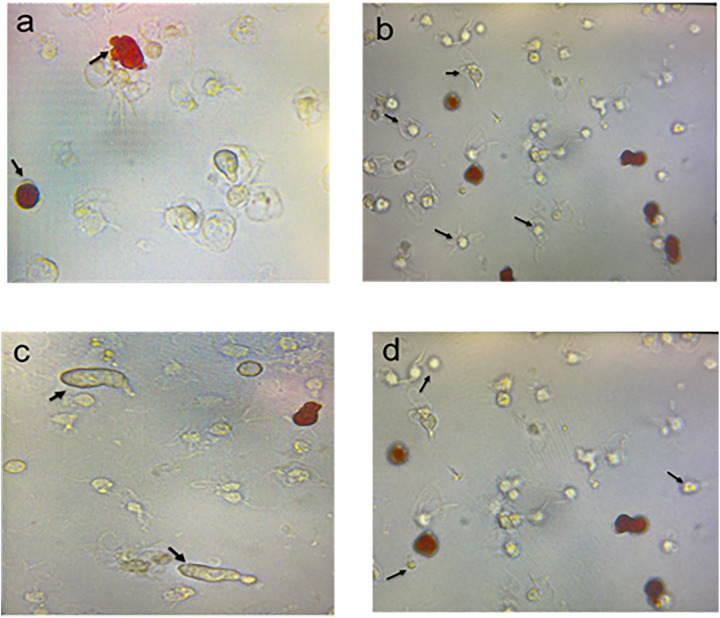 Figure 4
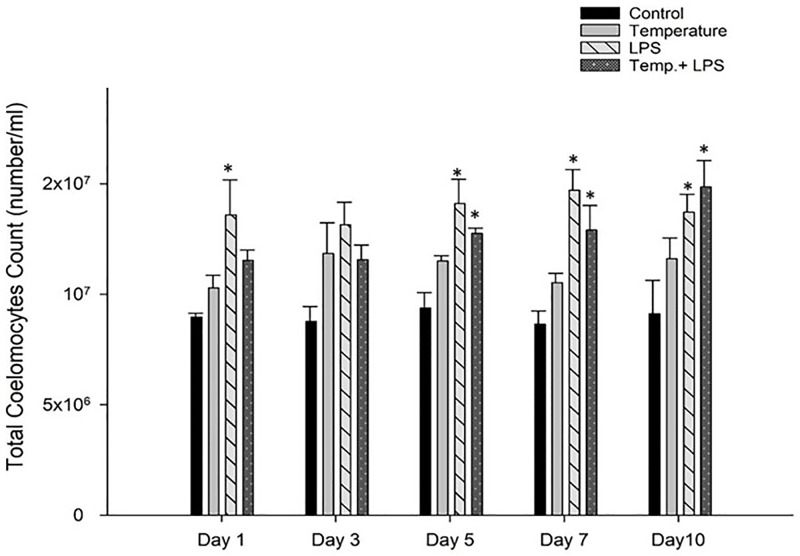 Figure 5
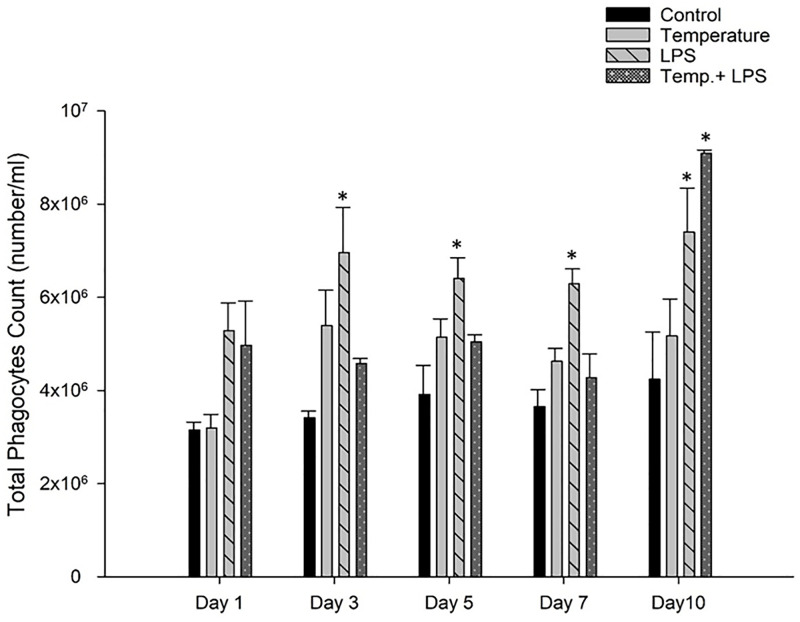 Figure 6
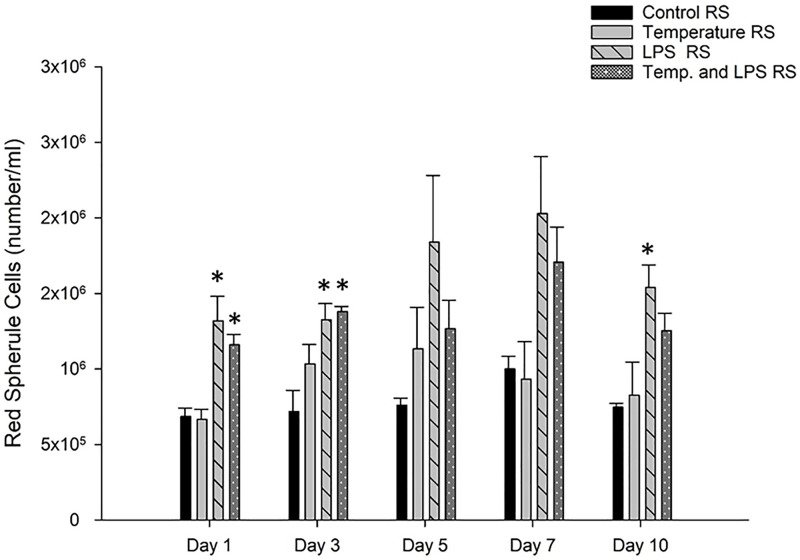 Figure 7
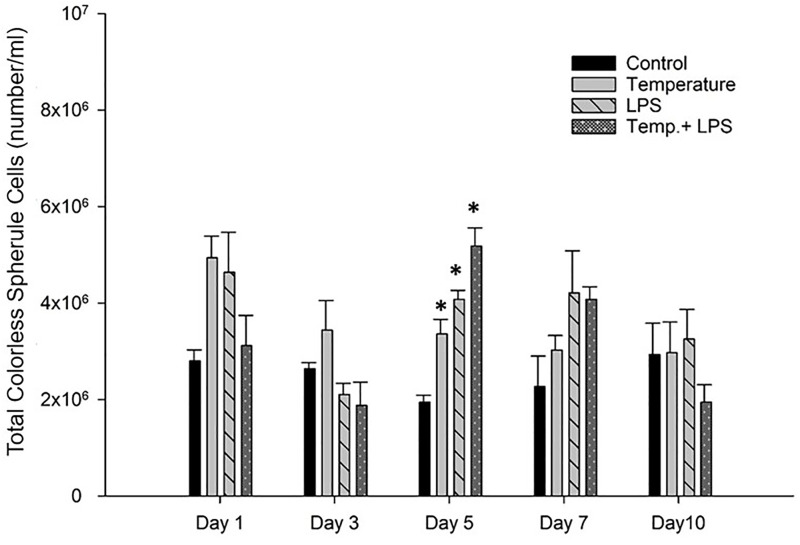 Figure 8
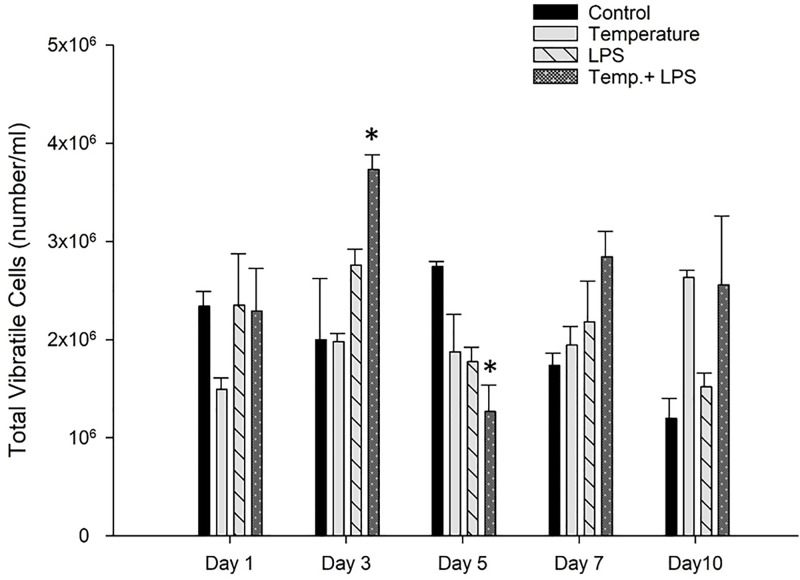 Figure 9
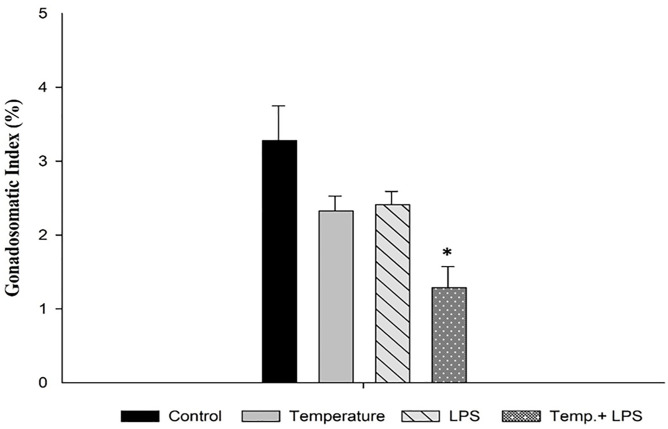 Figure 10
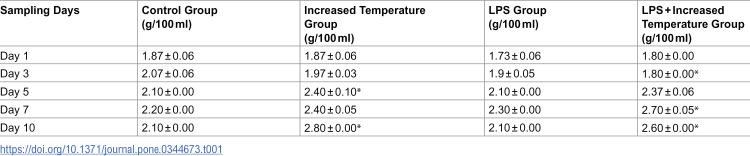 Figure 11
Peer Reviews
No public reviews on file for this paper yet. If you reviewed it on a platform where reviews are public (OpenReview, ICLR, NeurIPS, ICML), you can paste yours below so the community can read it here.
Videos
No videos yet. Explain this paper in a talk, walkthrough, or lecture? Add one.
Taxonomy
TopicsEchinoderm biology and ecology · Invertebrate Immune Response Mechanisms · Marine Bivalve and Aquaculture Studies