Transposable elements contribute substantially to naturally occurring genetic lethality in Drosophila melanogaster
Sarah B. Marion, Katrina Focht, Iman Hamid, Edwin S. Iversen, Hannah John, Brenda Manzano-Winkler, Amber Navarra, Saniya Pangare, Mehrnaz Zarei, Mohamed A. F. Noor, Richard Hodge, Richard Hodge, Richard Hodge, Richard Hodge

TL;DR
This study shows that transposable elements are a major cause of lethal mutations in fruit flies and explains how these mutations persist and decline over time.
Contribution
The study identifies transposable elements as a primary source of naturally occurring lethal mutations in Drosophila melanogaster.
Findings
Transposable elements like Transib1 and Kuruka are major causes of lethal mutations in Drosophila.
Newly invading transposable elements contribute to high frequencies of lethal alleles in natural populations.
Lethal mutation frequencies decline as Drosophila evolves suppression mechanisms over time.
Abstract
Recessive lethal mutations are widespread across studied species, with estimates suggesting that each individual carries at least one. Numerous lethal alleles persist in wild populations at higher frequencies than expected given their extreme deleterious nature. Though these findings spurred historical debate whether classical balancing selection maintains some lethal alleles at elevated frequencies (versus mutation-selection balance acting alone), we propose the question remained unanswered, especially given that the genetic basis of most naturally occurring lethal effects is still unknown. Given current genome-wide point mutation rate estimates, mutation-selection balance alone cannot explain some of this lethal variation in nature. However, evolutionary biologists have historically studied genetic variation through a lens of single-nucleotide variants, when in fact the spectrum of…
Genes, proteins, chemicals, diseases, species, mutations and cell lines named across the full text — each resolved to its canonical identifier and authoritative record.
Click any figure to enlarge with its caption.
 Figure 1
 Figure 2
 Figure 3
 Figure 4
 Figure 5
 Figure 6
 Figure 7
 Figure 8
 Figure 9
 Figure 10
 Figure 11
 Figure 12
 Figure 13
 Figure 14
 Figure 15
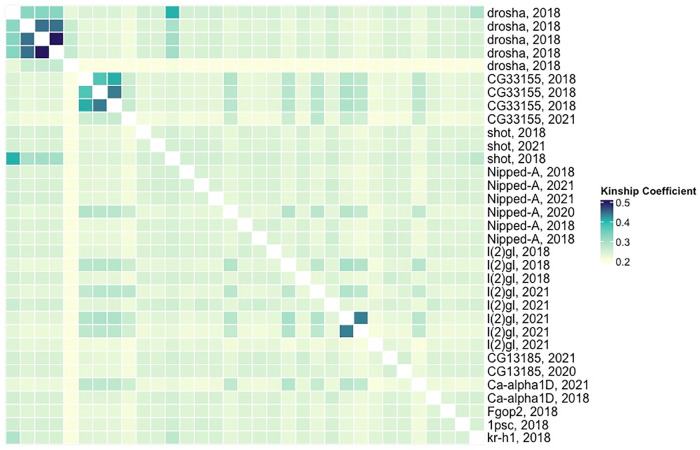 Figure 16
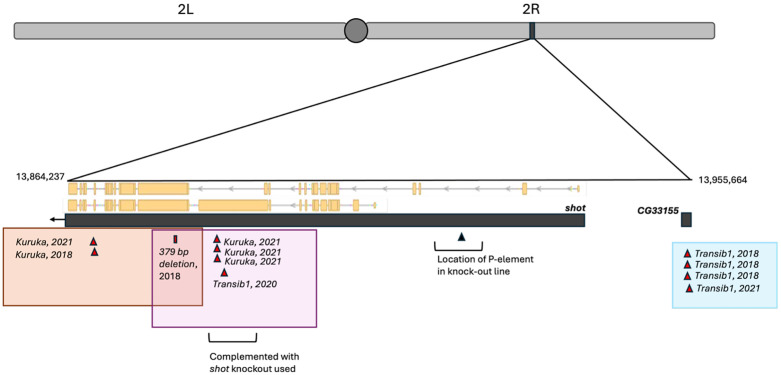 Figure 17
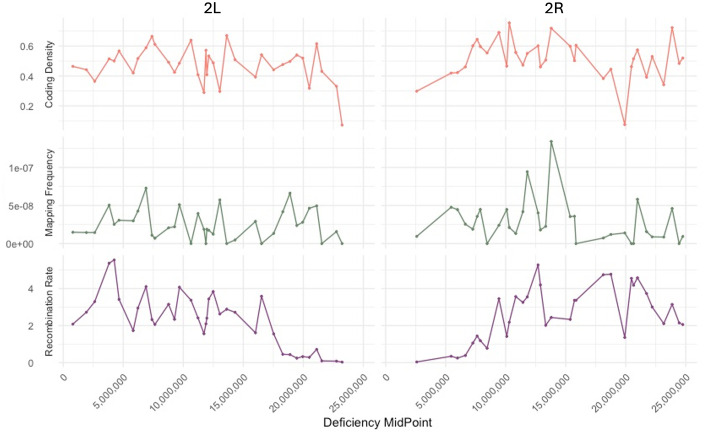 Figure 18
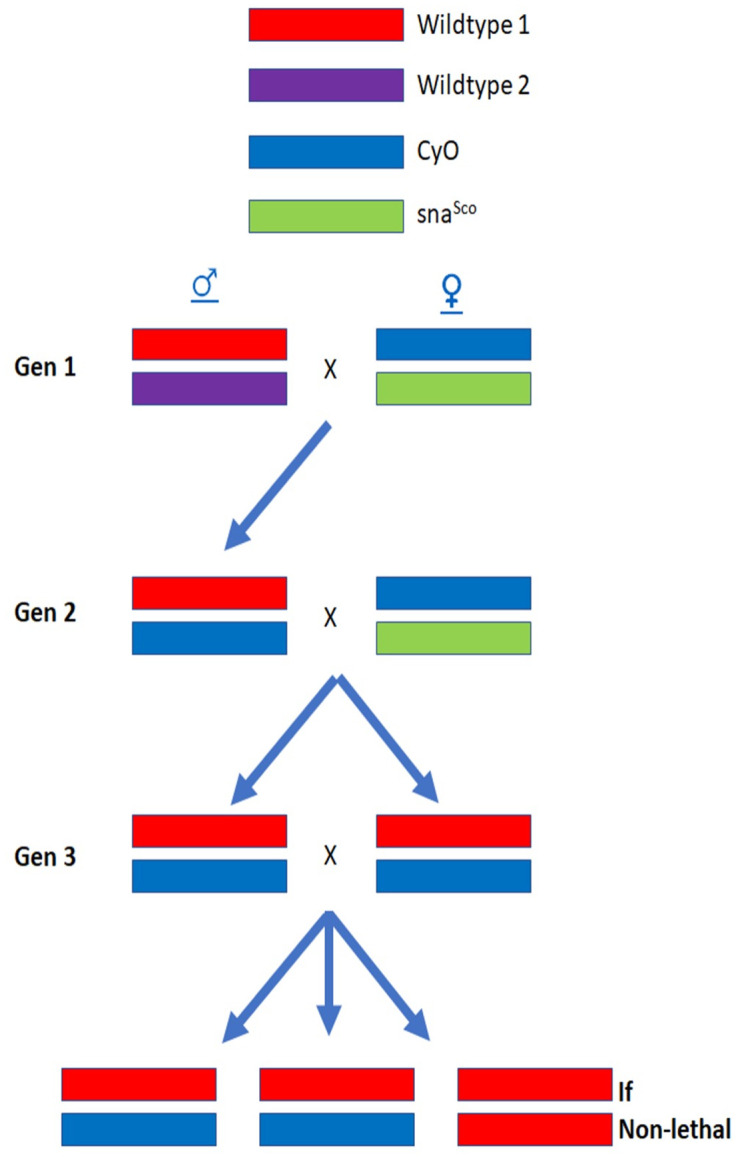 Figure 19
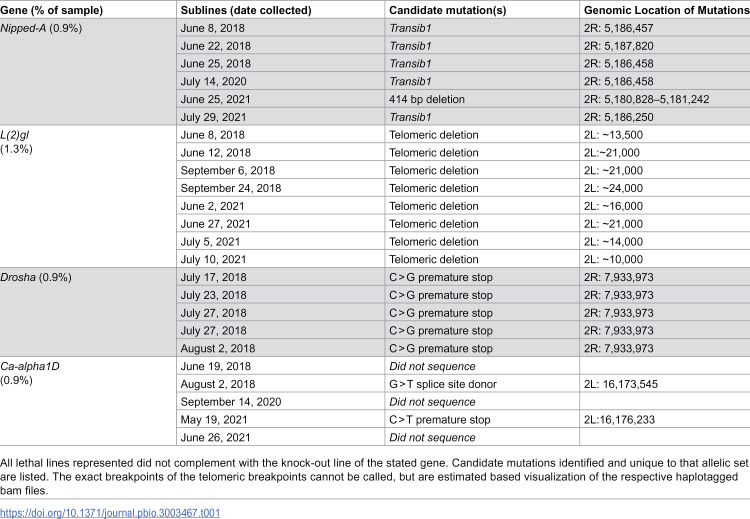 Figure 20
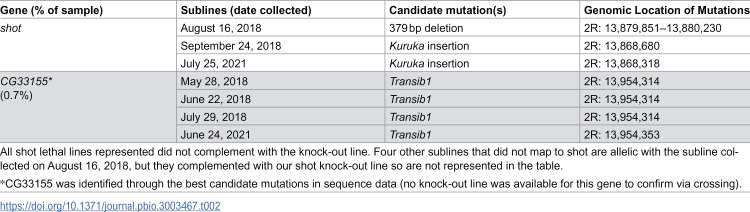 Figure 21
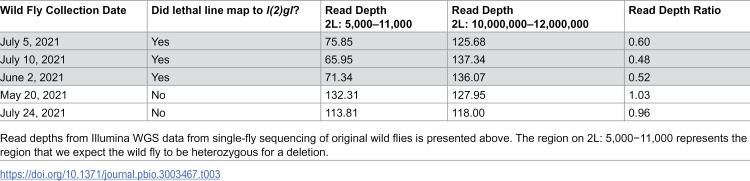 Figure 22
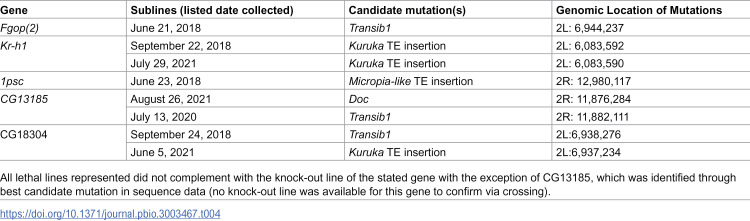 Figure 23
Peer Reviews
No public reviews on file for this paper yet. If you reviewed it on a platform where reviews are public (OpenReview, ICLR, NeurIPS, ICML), you can paste yours below so the community can read it here.
Videos
No videos yet. Explain this paper in a talk, walkthrough, or lecture? Add one.
Taxonomy
TopicsChromosomal and Genetic Variations · Genomics and Phylogenetic Studies · Genetic diversity and population structure