E1021K mutation in PIK3CD gene: clinical heterogeneity and therapeutic implications in three pediatric APDS cases
Changxiao Li, Linlin Han, Qian Li

TL;DR
This study examines three children with APDS caused by the same E1021K mutation in the PIK3CD gene, highlighting varied symptoms and treatment responses.
Contribution
The study demonstrates clinical heterogeneity in APDS patients with the same mutation and evaluates therapeutic responses including rapamycin.
Findings
Bronchoscopic nodular lymphoid hyperplasia is a key diagnostic feature of APDS.
Progressive T-cell exhaustion and immunoglobulin dysregulation correlate with disease severity.
Rapamycin treatment improved hepatosplenomegaly in one patient.
Abstract
The aim of this study was to characterize the clinical manifestations, treatment responses, and prognostic indicators of activated PI3K-δ syndrome (APDS) in pediatric patients. Clinical data from three patients diagnosed with APDS in our department were retrospectively analyzed. All patients carried the same heterozygous E1021K (c.3061G > A) gain-of-function mutation in the PIK3CD gene. Immunoglobulin levels varied: IgM was normal or elevated, while IgG and IgA were normal or decreased, with the extent of change correlating with disease severity. All three children received anti-infective therapy, resulting in significant improvement in clinical symptoms and chest imaging findings. Bronchoscopic re-evaluation in Cases 1 and 2 showed marked regression of airway mucosal hyperplasia. Following diagnosis, Cases 1 and 2 received regular immunoglobulin replacement therapy, which reduced the…
Genes, proteins, chemicals, diseases, species, mutations and cell lines named across the full text — each resolved to its canonical identifier and authoritative record.
Click any figure to enlarge with its caption.
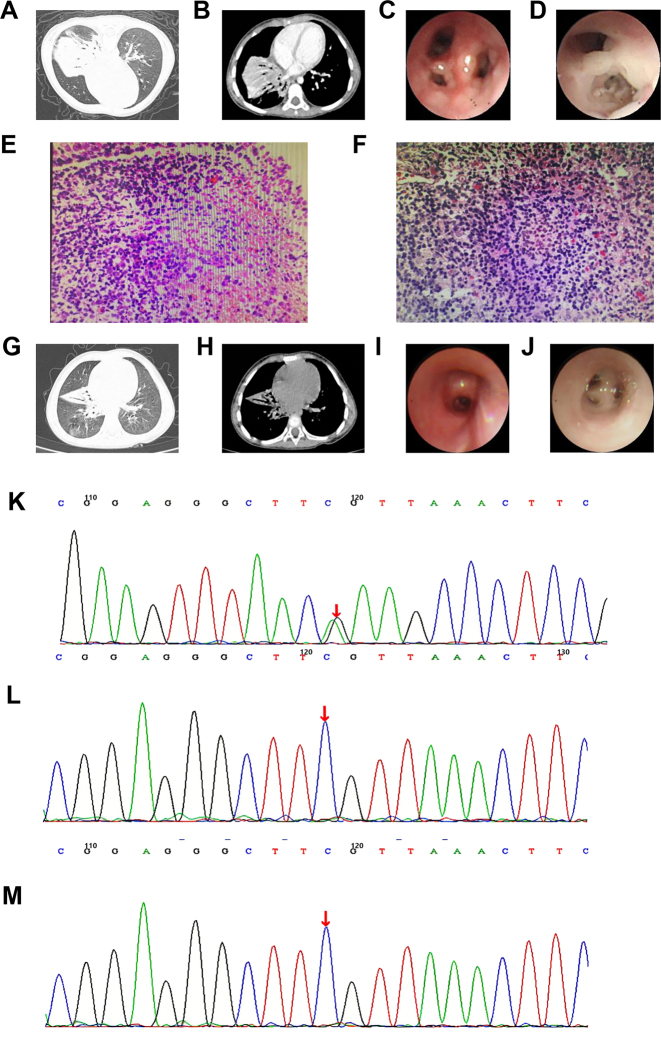 Figure 1
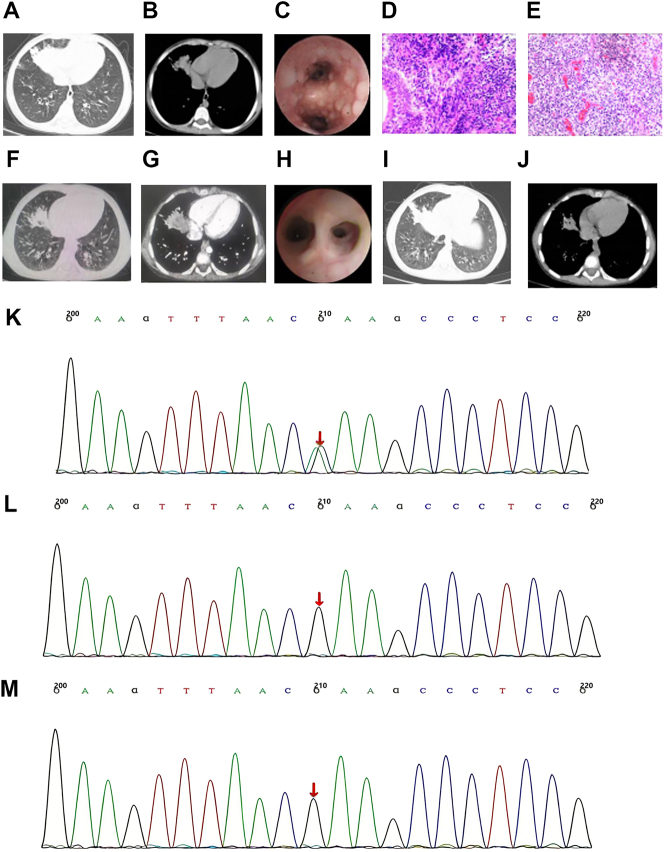 Figure 2
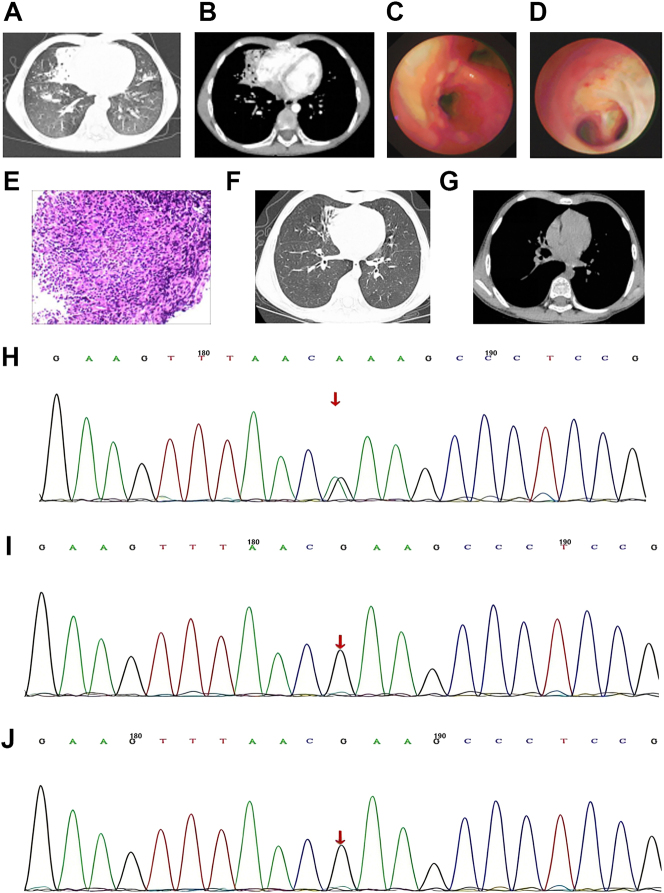 Figure 3
Peer Reviews
No public reviews on file for this paper yet. If you reviewed it on a platform where reviews are public (OpenReview, ICLR, NeurIPS, ICML), you can paste yours below so the community can read it here.
Videos
No videos yet. Explain this paper in a talk, walkthrough, or lecture? Add one.
Taxonomy
TopicsImmunodeficiency and Autoimmune Disorders · PI3K/AKT/mTOR signaling in cancer · Congenital Ear and Nasal Anomalies