Analyzing the potential of waste cooking oils as biolubricants for electric vehicles
Seshasai N. Ayyadevara, Pial Das, Majher I. Sarker, Brajendra K. Sharma, Sougata Roy

TL;DR
This study explores the use of waste cooking oils as sustainable biolubricants for electric vehicles, comparing their performance to soybean oil under electrified and unelectrified conditions.
Contribution
The paper introduces the first evaluation of waste cooking oils as biolubricants under electrified conditions relevant to electric vehicles.
Findings
WCO B-2 showed higher oxidation resistance due to high oleic acid content and lower unsaturation.
WCO B-3 and B-4 reduced average coefficients of friction by 18% and 23% under unelectrified conditions.
WCO B-4 maintained the lowest wear depth under electrified conditions despite frictional instability.
Abstract
The transition from internal combustion engines (ICE) to electric vehicles (EVs) has pushed the search for new sustainable lubricants that can withstand relevant lubrication challenges, like high torque loads and stray currents in drivetrains, which can accelerate oxidation and increase component wear, posing a critical challenge for electric powertrain components. Conventional Automatic Transmission Fluids like ATF III and ATF V have shown different wear mechanisms and coefficient of friction (CoF) trends in the presence of simulated stray currents. While many studies have focused on vegetable oils as biobased oils, waste cooking oils (WCO) offer a more sustainable alternative, yet their performance under electrified conditions is yet to be explored. In this study, four WCO samples were collected from different sources and evaluated against regular soybean oil (RSO) through structural,…
Genes, proteins, chemicals, diseases, species, mutations and cell lines named across the full text — each resolved to its canonical identifier and authoritative record.
Click any figure to enlarge with its caption.
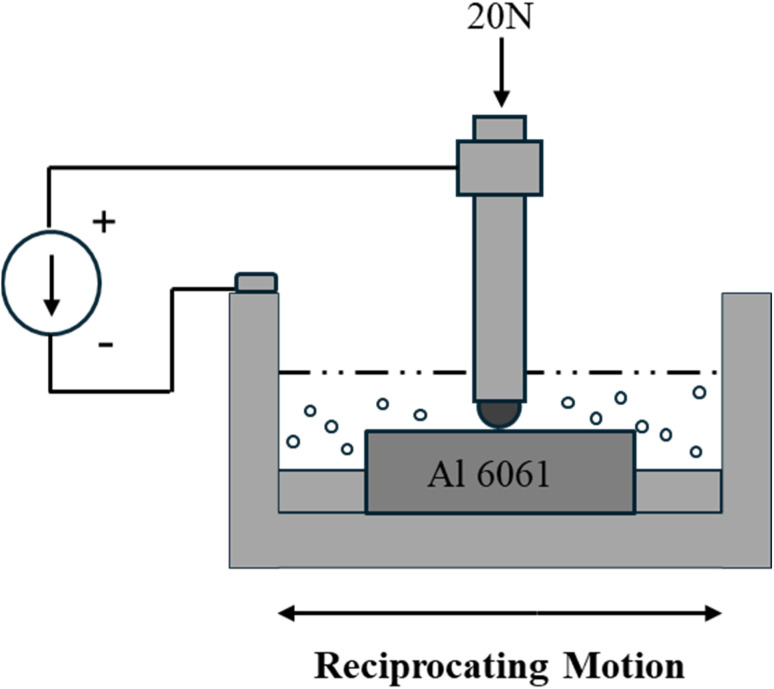 Figure 1
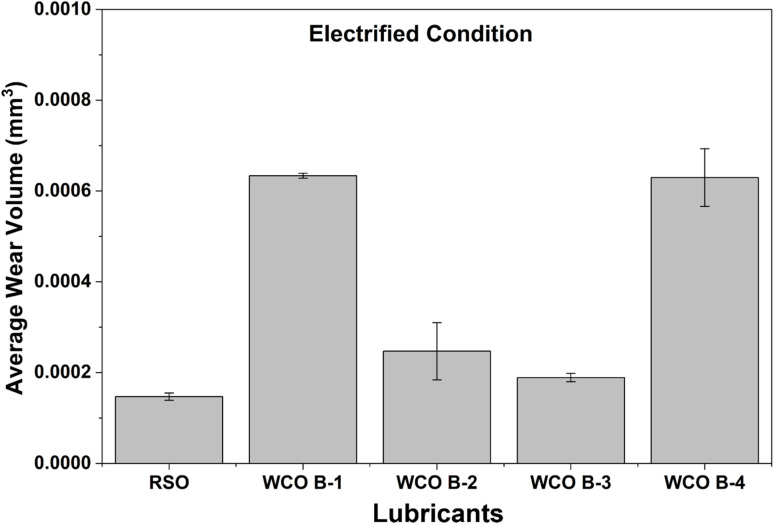 Figure 2
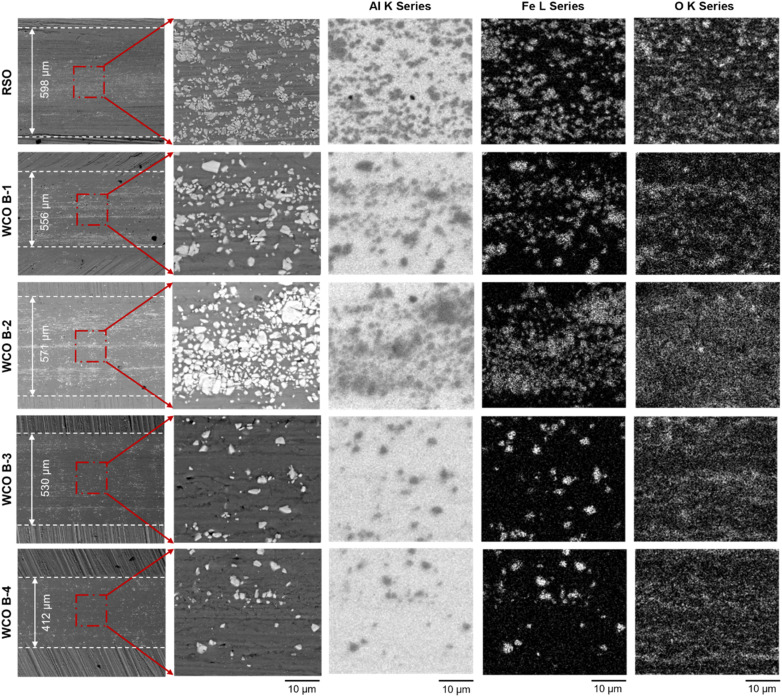 Figure 3
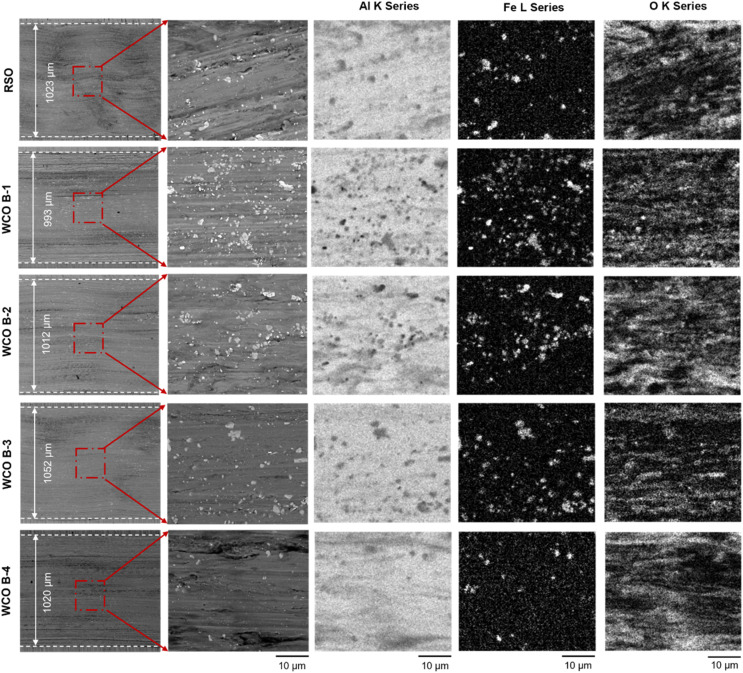 Figure 4
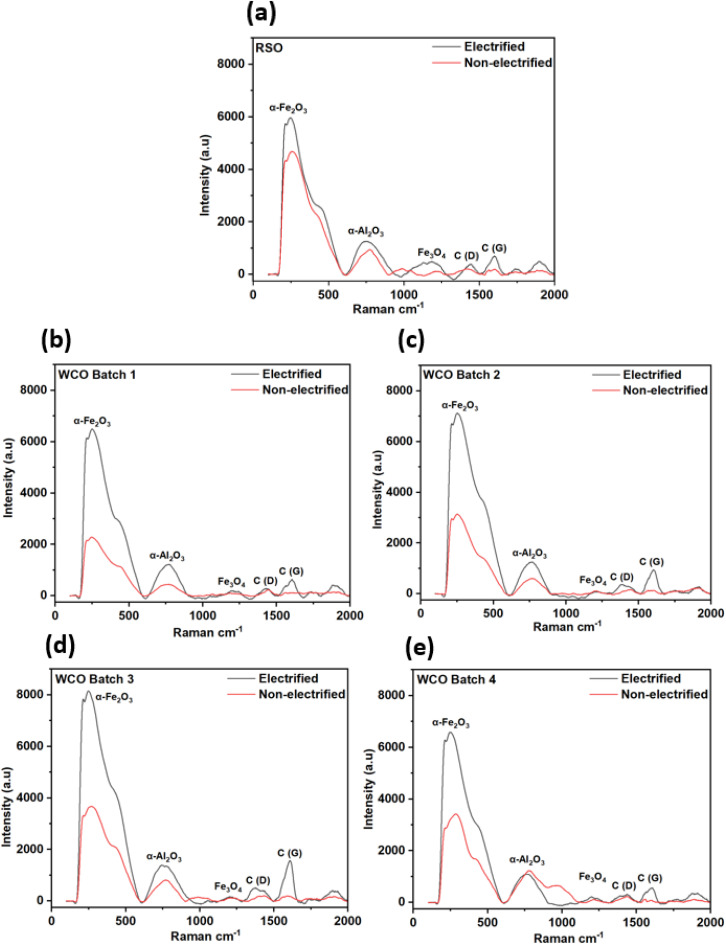 Figure 5
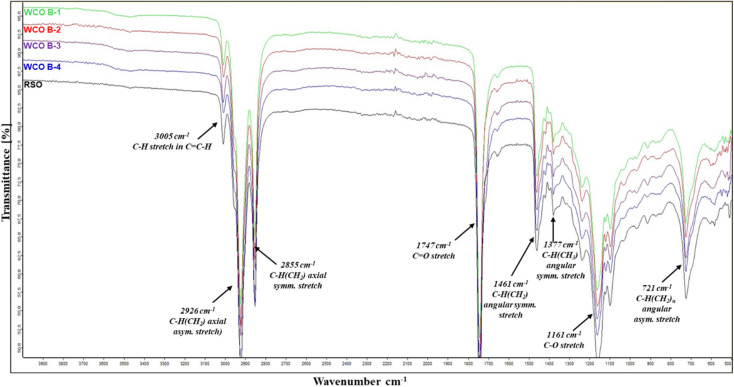 Figure 6
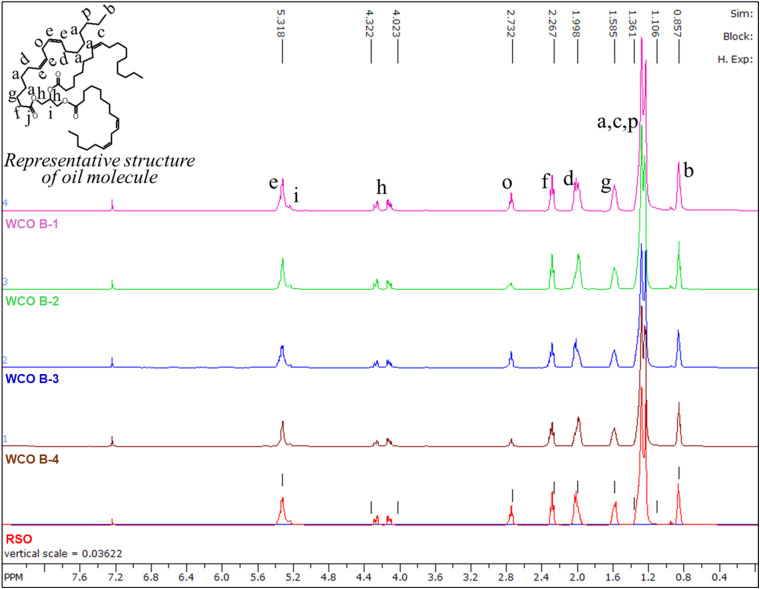 Figure 7
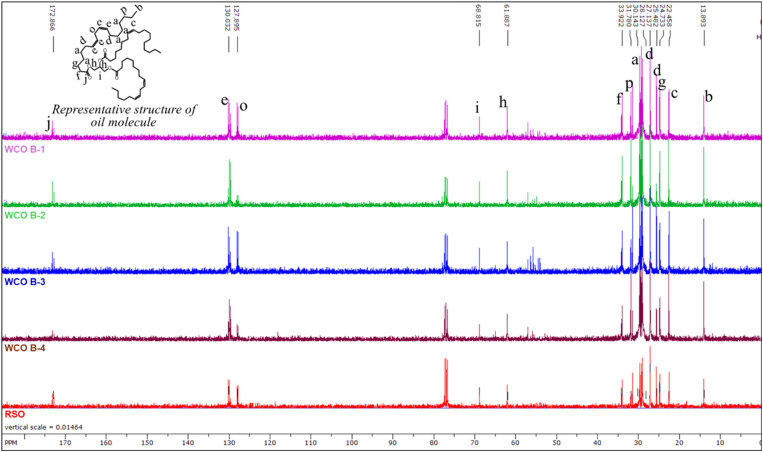 Figure 8
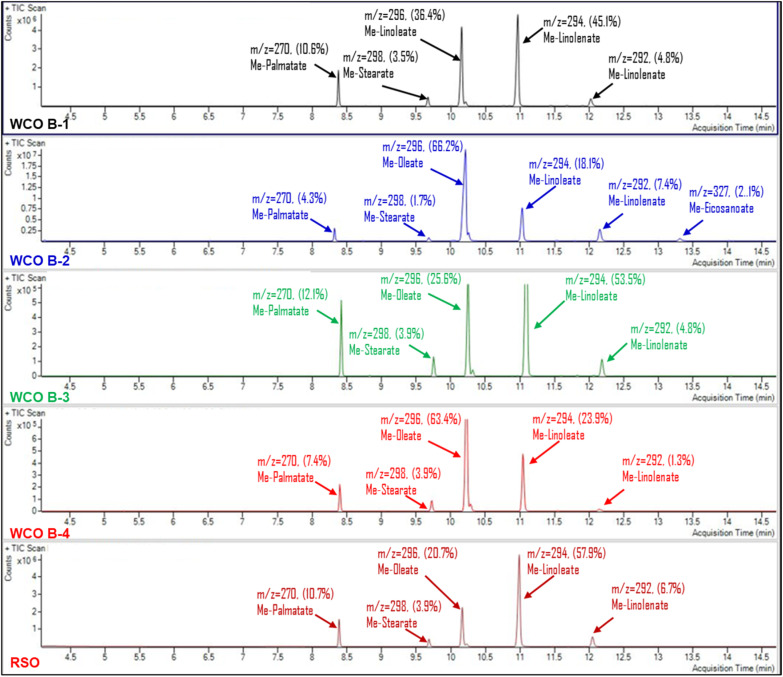 Figure 9
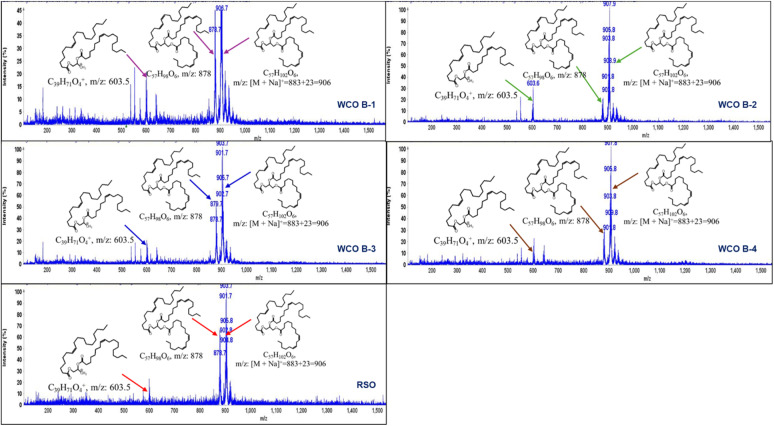 Figure 10
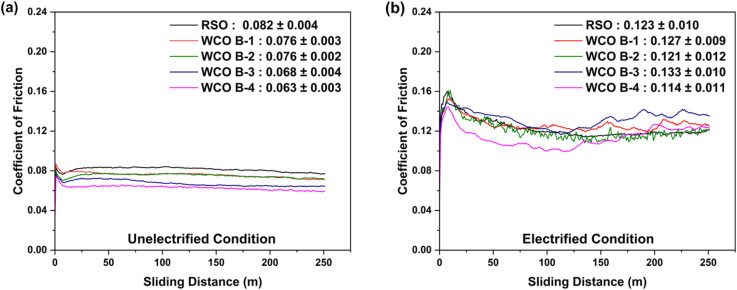 Figure 11
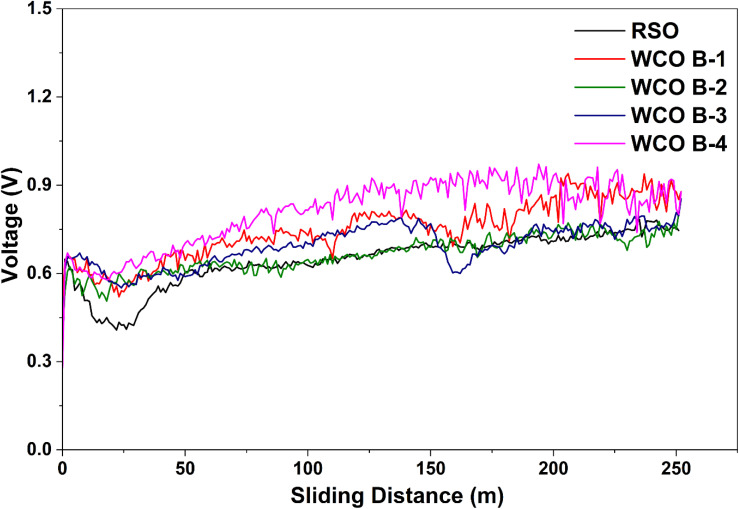 Figure 12
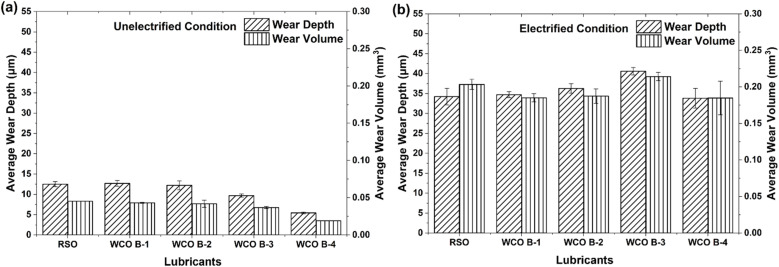 Figure 13
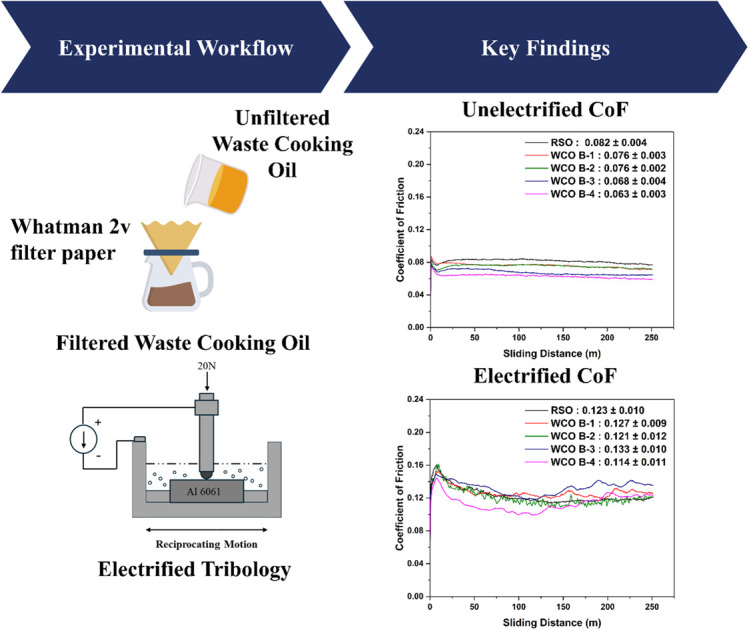 Figure 14
Peer Reviews
No public reviews on file for this paper yet. If you reviewed it on a platform where reviews are public (OpenReview, ICLR, NeurIPS, ICML), you can paste yours below so the community can read it here.
Videos
No videos yet. Explain this paper in a talk, walkthrough, or lecture? Add one.
Taxonomy
TopicsLubricants and Their Additives · Tribology and Wear Analysis · Tribology and Lubrication Engineering