A data-driven framework linking the connectome to spatial gene expression gradients inspired by chemoaffinity theory
Jigen Koike, Ken Nakae, Riichiro Hira, Yuichiro Yada, Honda Naoki

TL;DR
This paper introduces SPERRFY, a framework that uses gene expression and brain connectivity data to explore how molecular gradients guide brain wiring, extending Sperry's chemoaffinity theory to the whole brain.
Contribution
SPERRFY is a novel data-driven framework that applies chemoaffinity theory to whole-brain connectomics using spatial gene expression data.
Findings
SPERRFY identifies gradient patterns that capture major aspects of mouse brain connectome wiring.
Gradient-based connectivity reconstruction shows strong predictive performance and biological relevance.
The framework screens candidate genes potentially involved in positional wiring of neural circuits.
Abstract
Understanding how gene expression patterns determine the wiring of the brain is a fundamental question in neuroscience. SPERRFY offers a data-driven framework to decode spatial encoding of whole-brain connectivity by applying multivariate analysis to connectomic data and spatial gene expression patterns, grounded in Sperry’s chemoaffinity theory. Using mouse brain data, we identified specific gradient patterns that capture major aspects of the connectome’s wiring pattern. These findings place connectome-scale wiring patterns in line with key principles of the chemoaffinity theory, and also provide a versatile tool for mapping genetic determinants of brain-wide neural circuits. By integrating transcriptomics with connectomics, our approach potentially opens avenues for exploring the design principles underlying brain architecture. Understanding how brain-wide neural circuits are…
Genes, proteins, chemicals, diseases, species, mutations and cell lines named across the full text — each resolved to its canonical identifier and authoritative record.
Click any figure to enlarge with its caption.
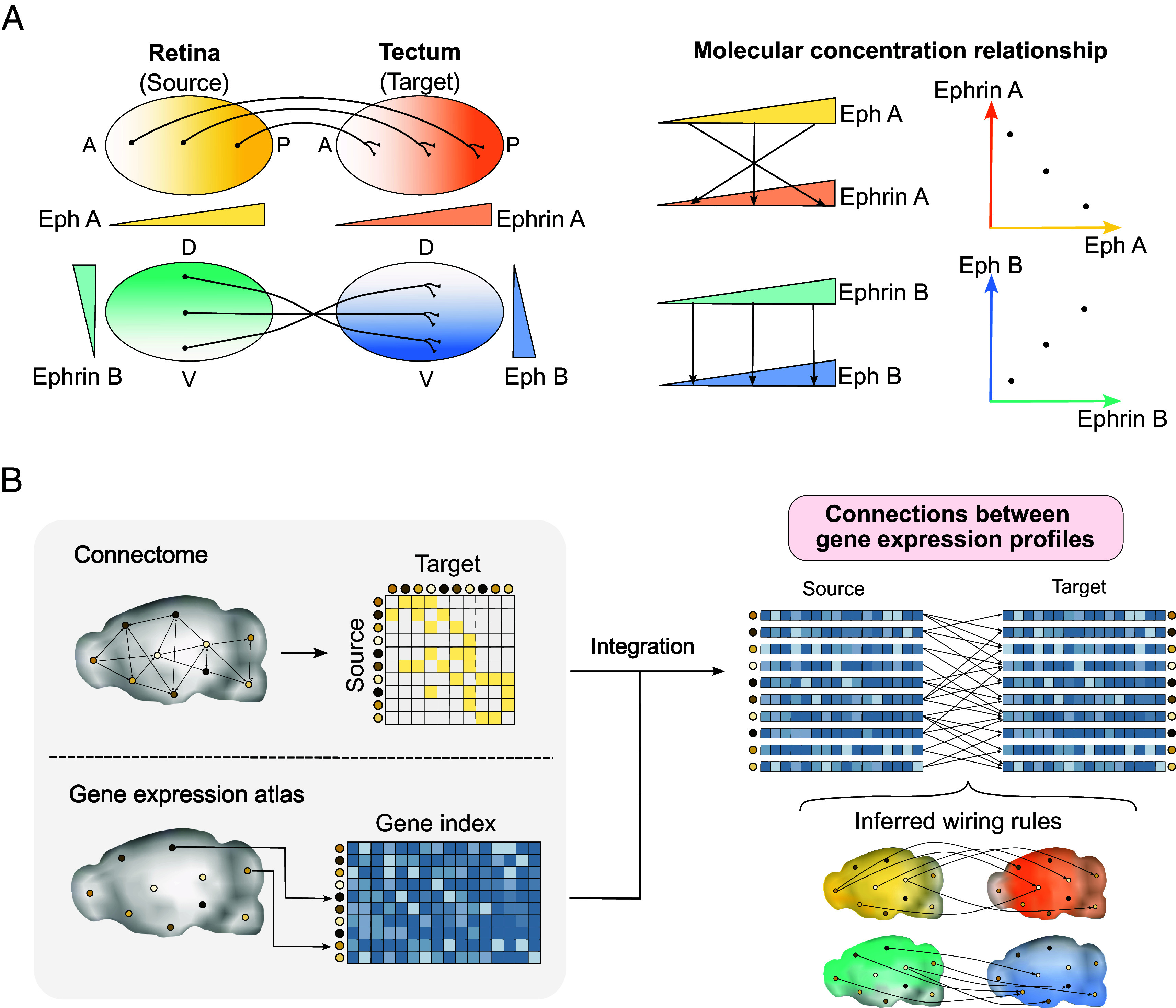 Figure 1
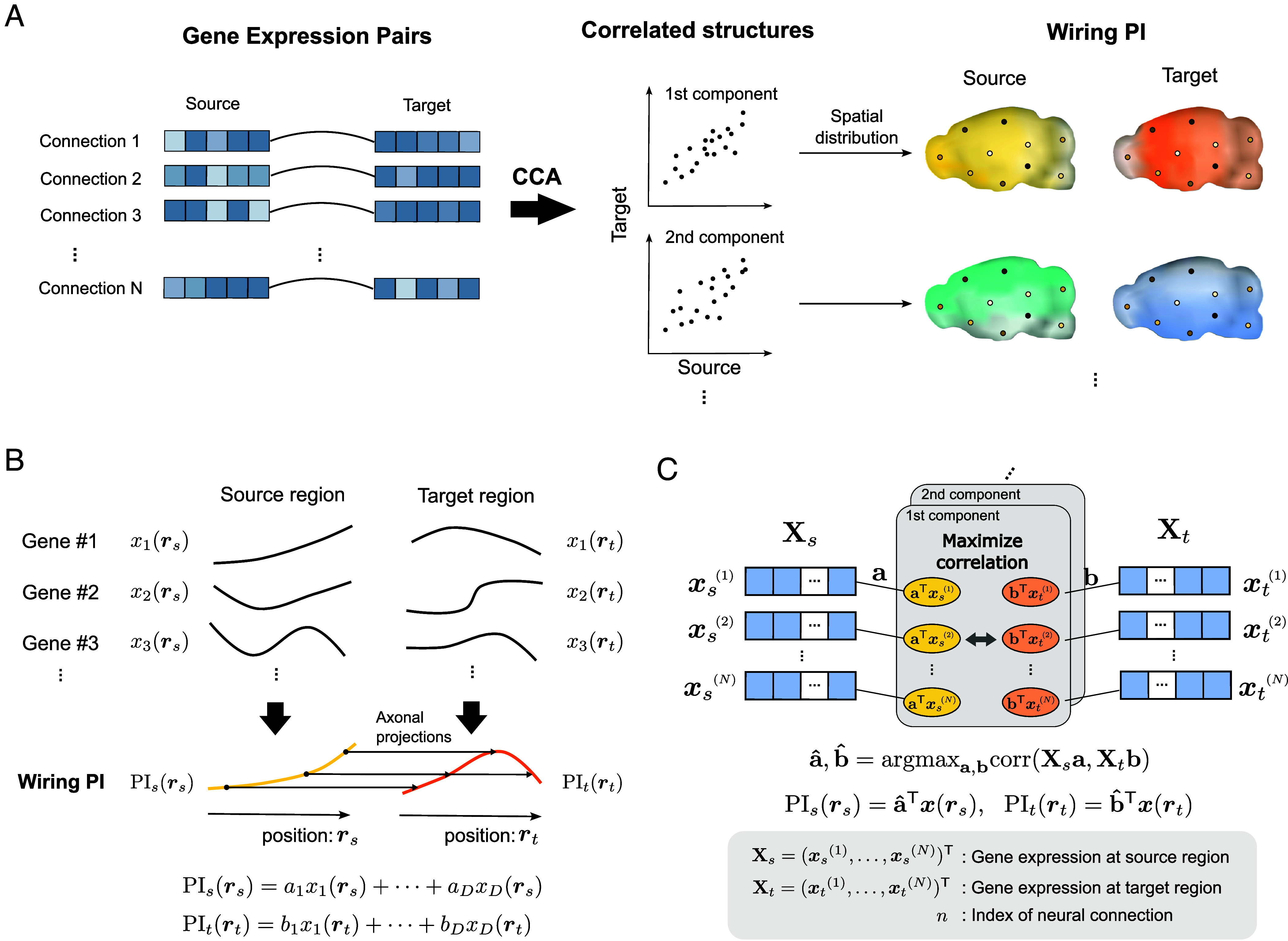 Figure 2
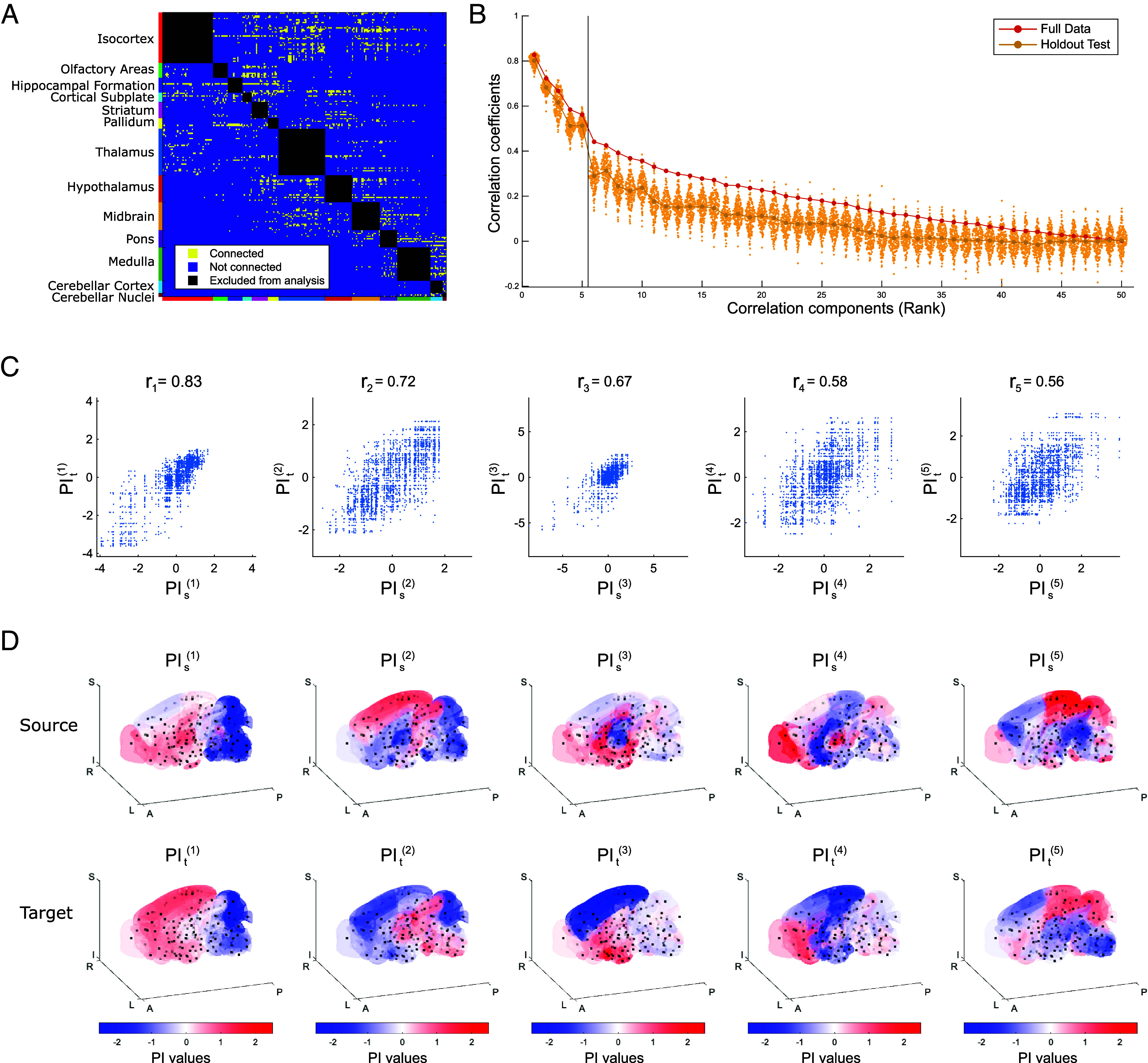 Figure 3
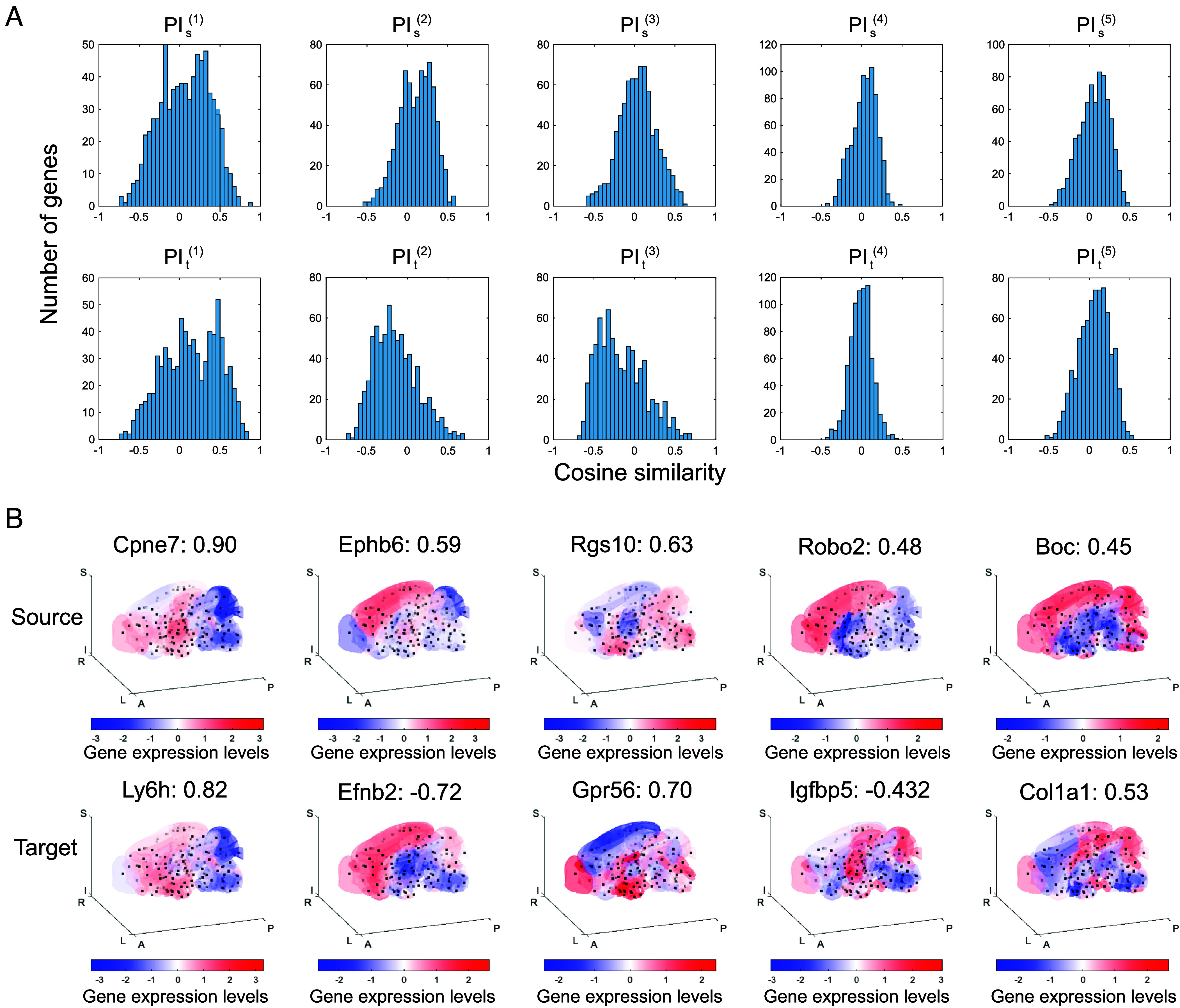 Figure 4
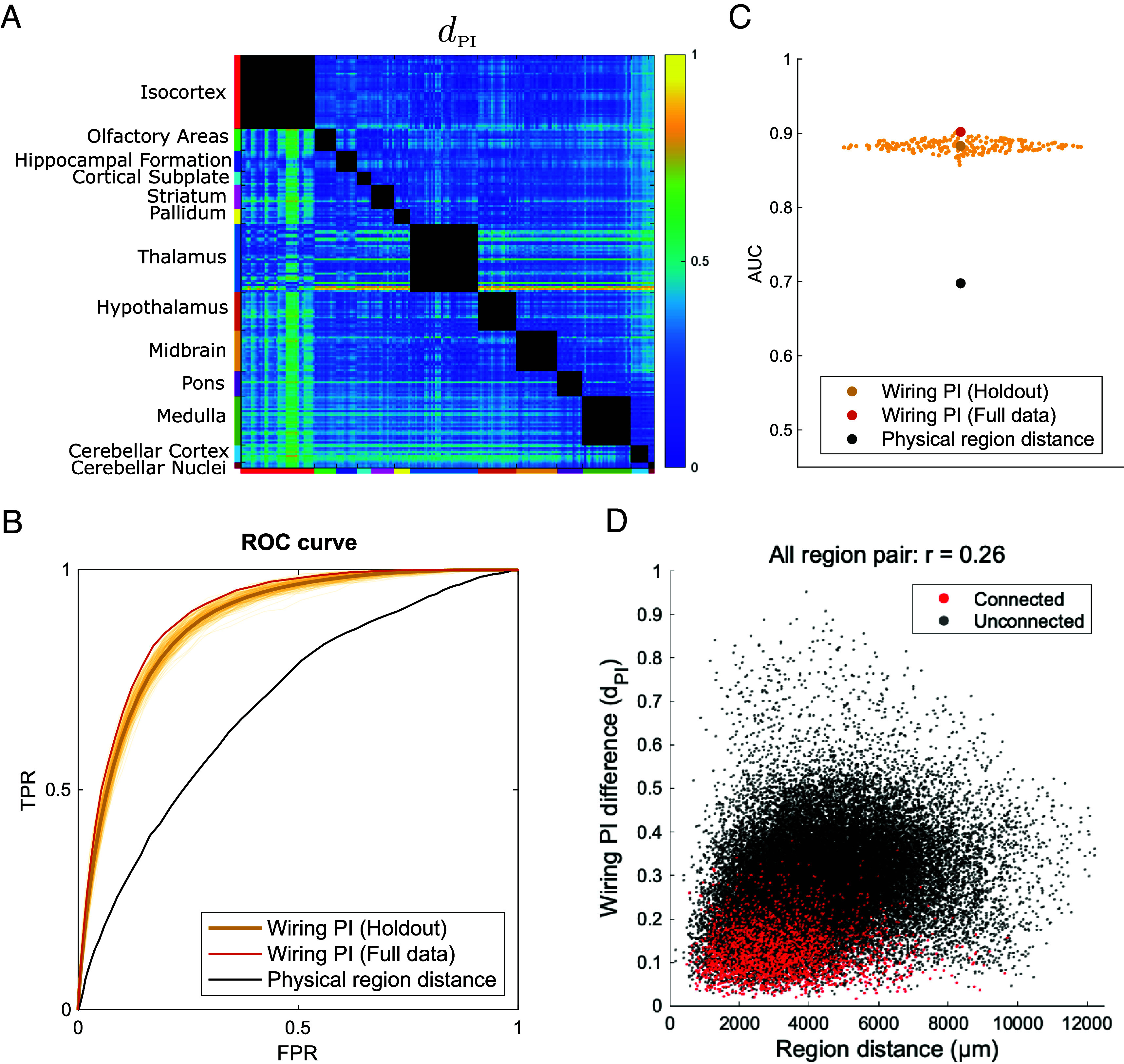 Figure 5
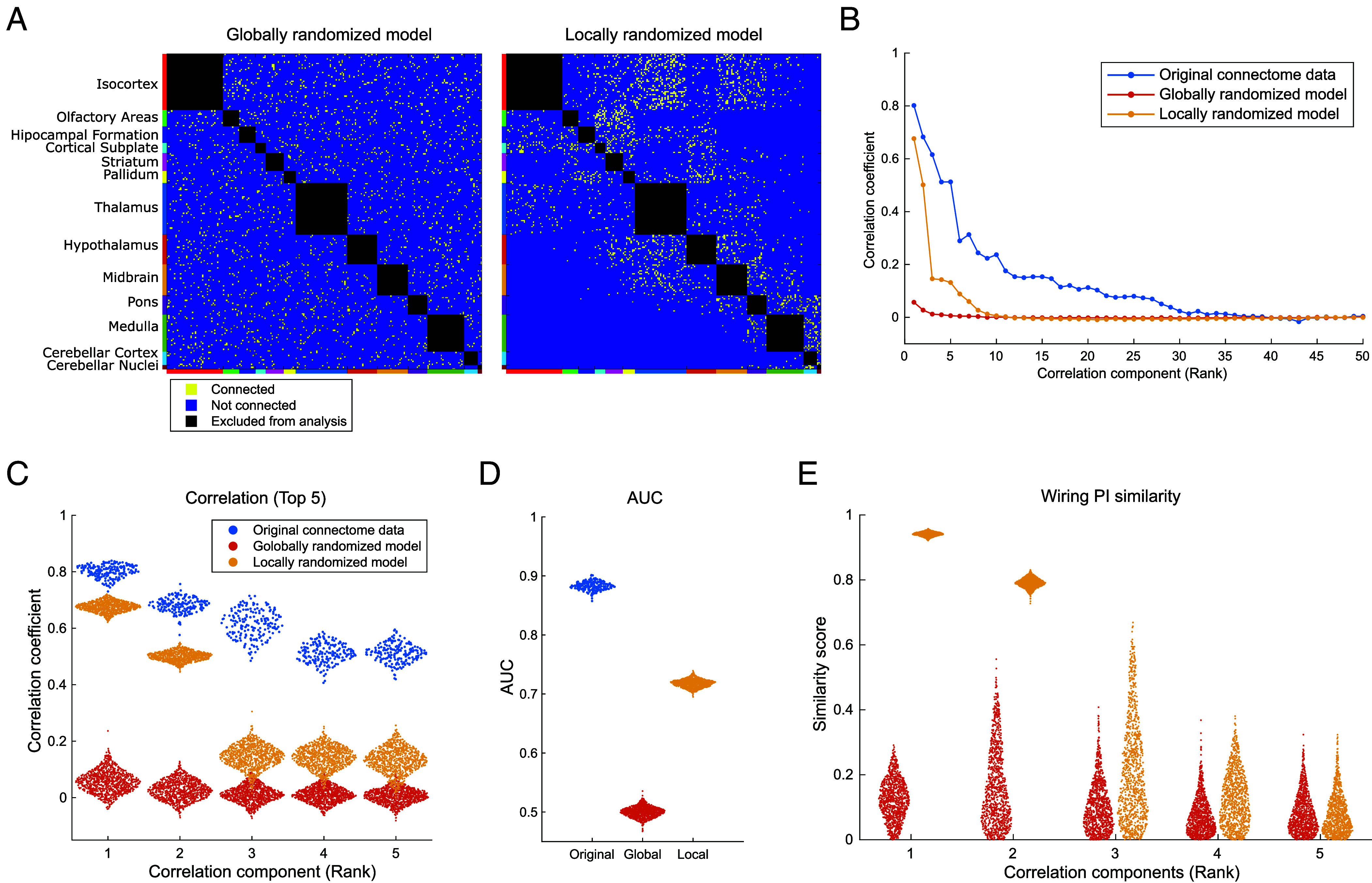 Figure 6
Peer Reviews
No public reviews on file for this paper yet. If you reviewed it on a platform where reviews are public (OpenReview, ICLR, NeurIPS, ICML), you can paste yours below so the community can read it here.
Videos
No videos yet. Explain this paper in a talk, walkthrough, or lecture? Add one.
Taxonomy
TopicsSingle-cell and spatial transcriptomics · Neural dynamics and brain function · Morphological variations and asymmetry