Reactivation of the silenced BASP1 gene suppresses oncogenic WNT signaling in human colorectal cancer cells
Leonie I. Weber, Lea E. Timpen, Anna-Sophia Egger-Hörschinger, Philemon Schöpf, Nesin D. Ayhan, David Demmel, Madlen Hotze, Yang Zhang, Mahdi Mehrabi, Kane Puglisi, Eduard Stefan, Nassim Ghaffari-Tabrizi-Wizsy, José M. Ramos-Pittol, Marcel Kwiatkowski, Markus Hartl

TL;DR
Reactivating the BASP1 gene in colorectal cancer cells suppresses harmful WNT and MYC signaling, reducing tumor growth and promoting normal cell behavior.
Contribution
Demonstrates that reactivating the silenced BASP1 gene can suppress oncogenic WNT and MYC signaling in colorectal cancer cells.
Findings
BASP1 reactivation leads to repression of WNT signaling and downregulation of MYC in colorectal cancer cells.
BASP1 interacts with β-catenin and binds to the MYC promoter to suppress its expression.
Inhibiting TNIK, a WNT-associated kinase, also represses MYC, offering new therapeutic strategies.
Abstract
Due to its pleiotropic functions in gene regulation, chromatin remodeling, and metabolism, MYC family members have a fundamental impact on cell growth control and proliferation. Aberrant activation of MYC provokes derailed cell signaling and malignant cell transformation in most human tumors. Therefore, genetic or pharmacological MYC inhibition represents a rational therapeutic approach. We have achieved this in colorectal cancer cells by genetically inducing transcriptional activation of BASP1 whose protein product interferes with MYC activity. This leads to suppression of tumor formation accompanied by WNT signaling repression and transcriptional downregulation of the effector target MYC. Furthermore, blocking WNT-associated protein kinase TNIK using a small molecule also results in transcriptional MYC repression, thereby expanding the tool repertoire to inhibit this oncogenic…
Genes, proteins, chemicals, diseases, species, mutations and cell lines named across the full text — each resolved to its canonical identifier and authoritative record.
Click any figure to enlarge with its caption.
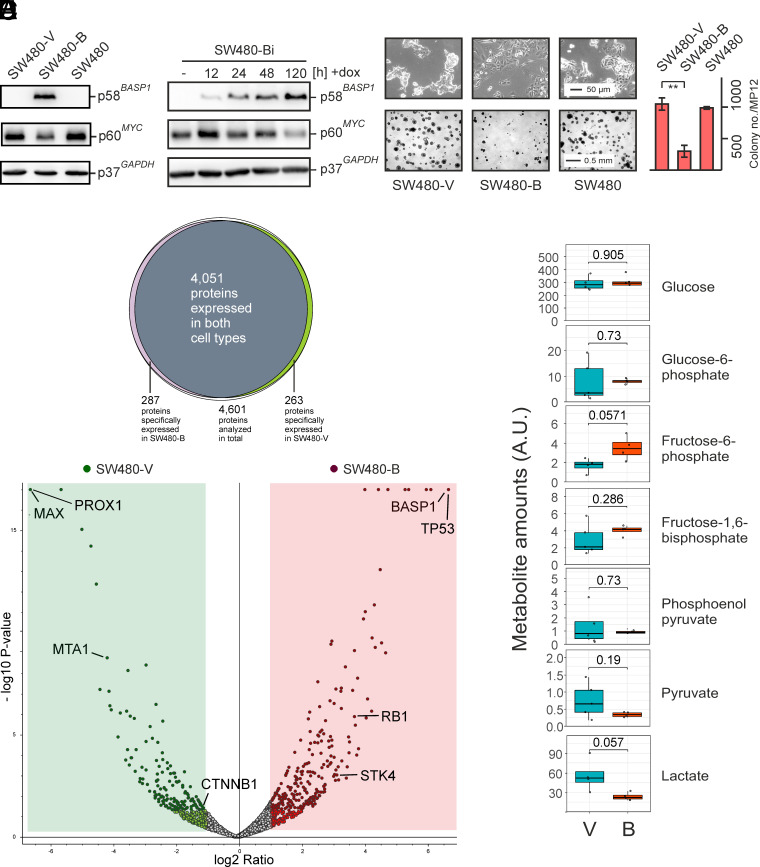 Figure 1
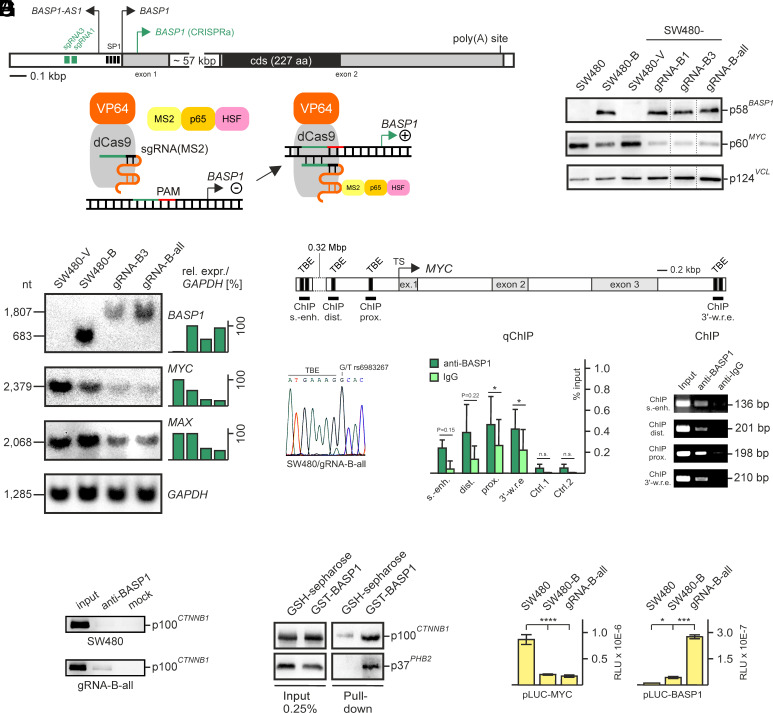 Figure 2
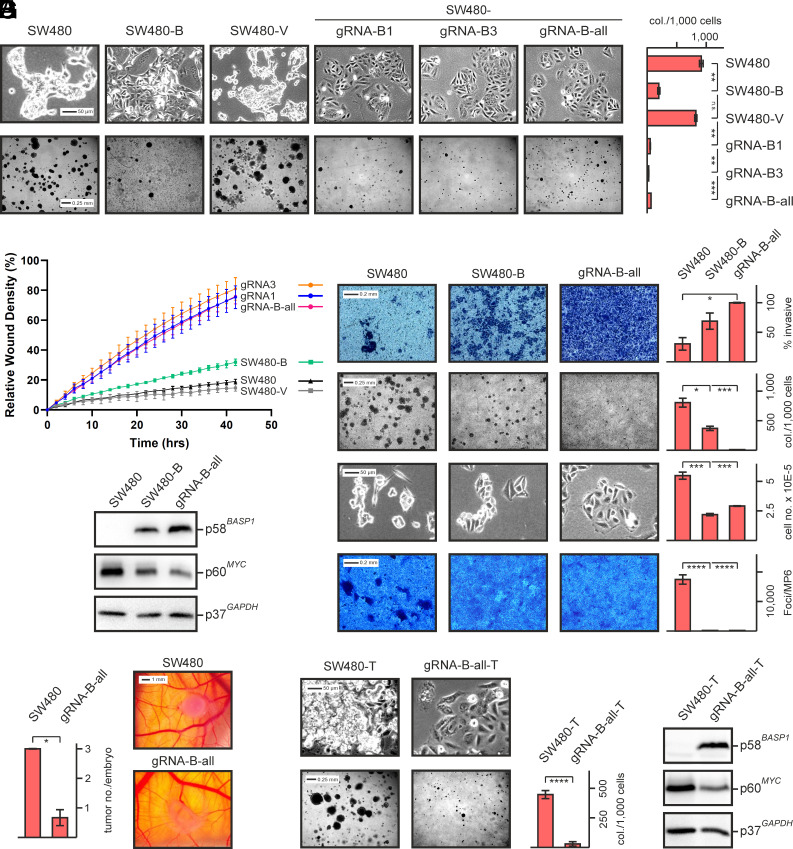 Figure 3
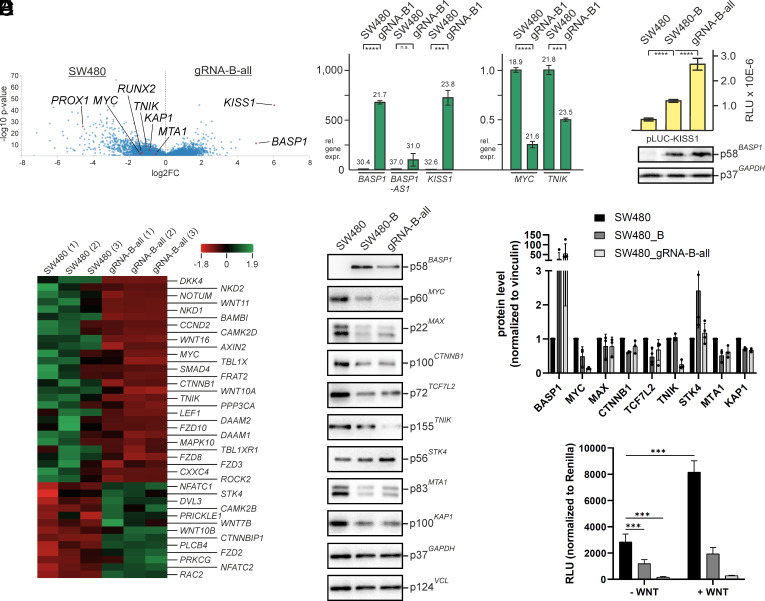 Figure 4
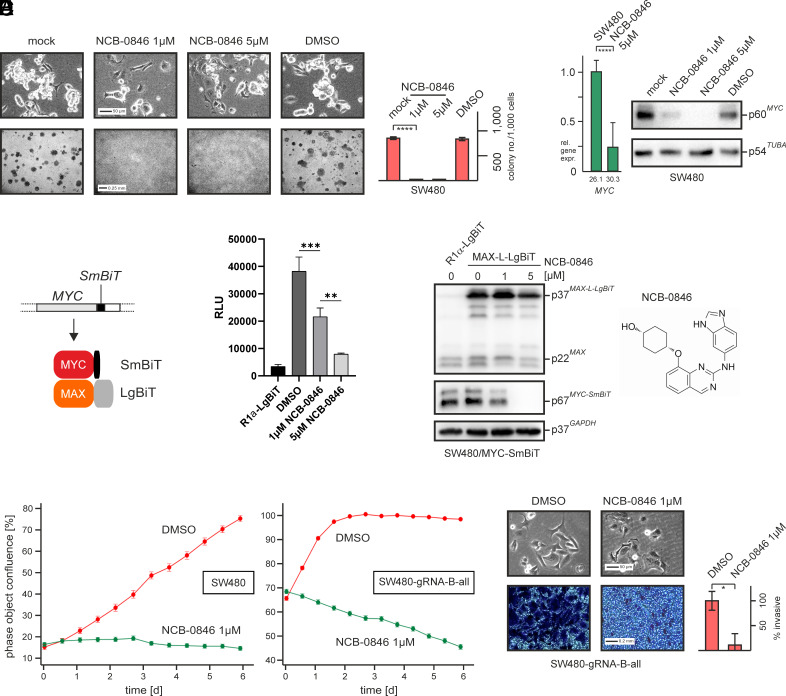 Figure 5
Peer Reviews
No public reviews on file for this paper yet. If you reviewed it on a platform where reviews are public (OpenReview, ICLR, NeurIPS, ICML), you can paste yours below so the community can read it here.
Videos
No videos yet. Explain this paper in a talk, walkthrough, or lecture? Add one.
Taxonomy
TopicsWnt/β-catenin signaling in development and cancer · Cell Adhesion Molecules Research · Cancer Cells and Metastasis