Maya Postclassic persistence in the Birds of Paradise Wetland Fields, Belize
Lara M. Sánchez-Morales, Timothy P. Beach, Sheryl Luzzadder-Beach, Samantha Krause, Duncan Cook, Byron Smith, David Lentz, Carlos Quiroz, William Pratt, Lori Phillips, Thomas Guderjan, Colleen Hanratty, Fred Valdez

TL;DR
Ancient Maya communities in Belize adapted to environmental and societal changes by using wetland agroecosystems, as revealed by preserved wooden structures and artifacts.
Contribution
The study presents preserved wooden architecture and a Bayesian chronological model showing Maya persistence in wetlands during societal and climate shifts.
Findings
Wetland agroecosystems supported Maya communities during the Terminal Classic to Postclassic transition.
A new Bayesian model refines the timeline of occupation in the Birds of Paradise wetlands using 14 radiocarbon dates.
Preserved wooden structures and artifacts highlight adaptation strategies amid environmental challenges.
Abstract
This research provides compelling evidence for ancient Maya adaptation to the profound challenges experienced during the Terminal Classic (CE 800 to 1000) to the Postclassic (CE 1000 to 1500) through the use of wetland agroecosystems. As large urban centers across the Maya regions succumbed to interconnected socioenvironmental factors, communities at the Birds of Paradise complex persisted through this transition by erecting a series of raised earthen, stone, and wood structures with direct access to the copious resources and connectivity afforded by this riverine wetland system. Our long-term study of this landscape and a recently uncovered settlement with uniquely preserved wooden architecture and domestic remains support urgent calls for wetland conservation in the race against modern climate change and land use. Rapid decay of organic artifacts obscures our view of ancient tropical…
Genes, proteins, chemicals, diseases, species, mutations and cell lines named across the full text — each resolved to its canonical identifier and authoritative record.
Click any figure to enlarge with its caption.
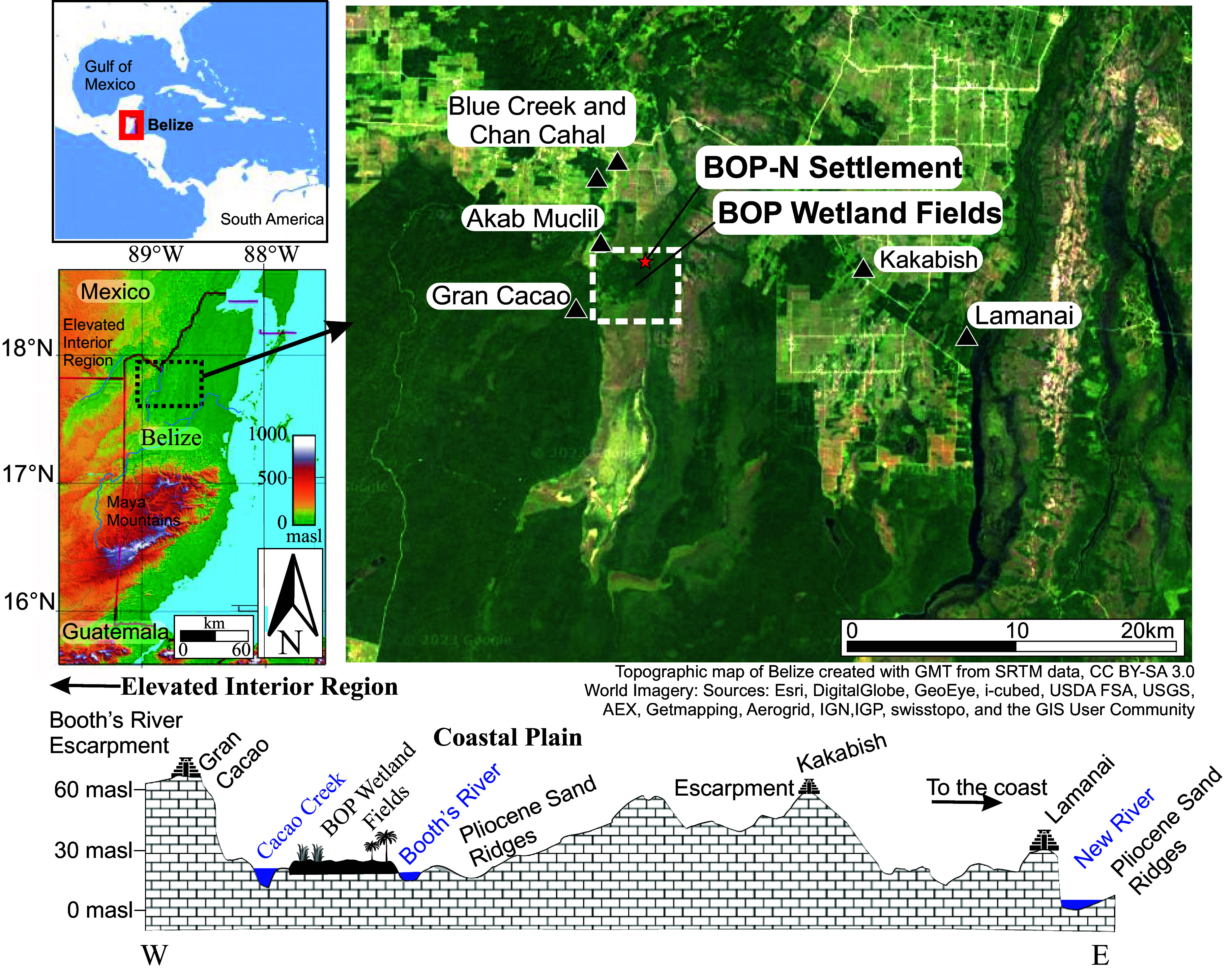 Figure 1
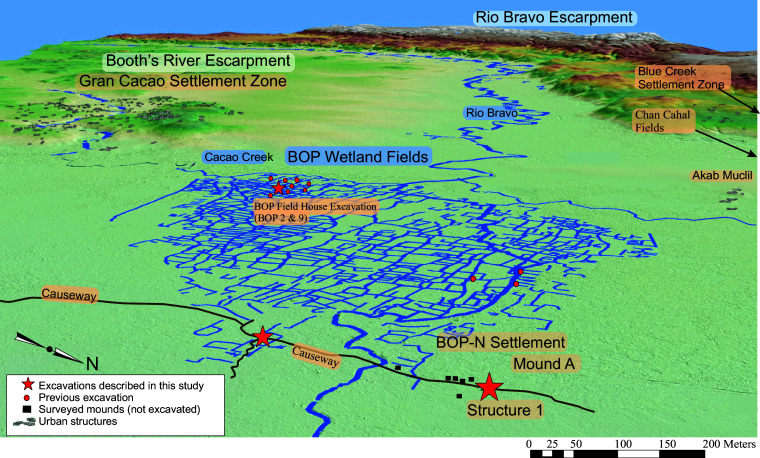 Figure 2
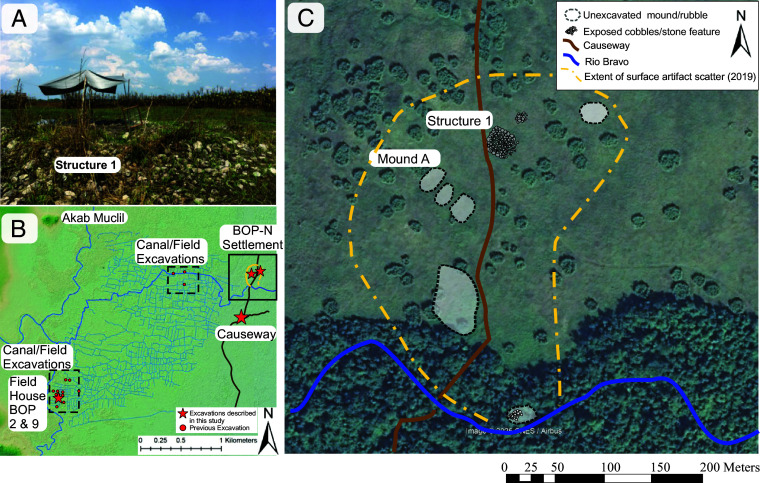 Figure 3
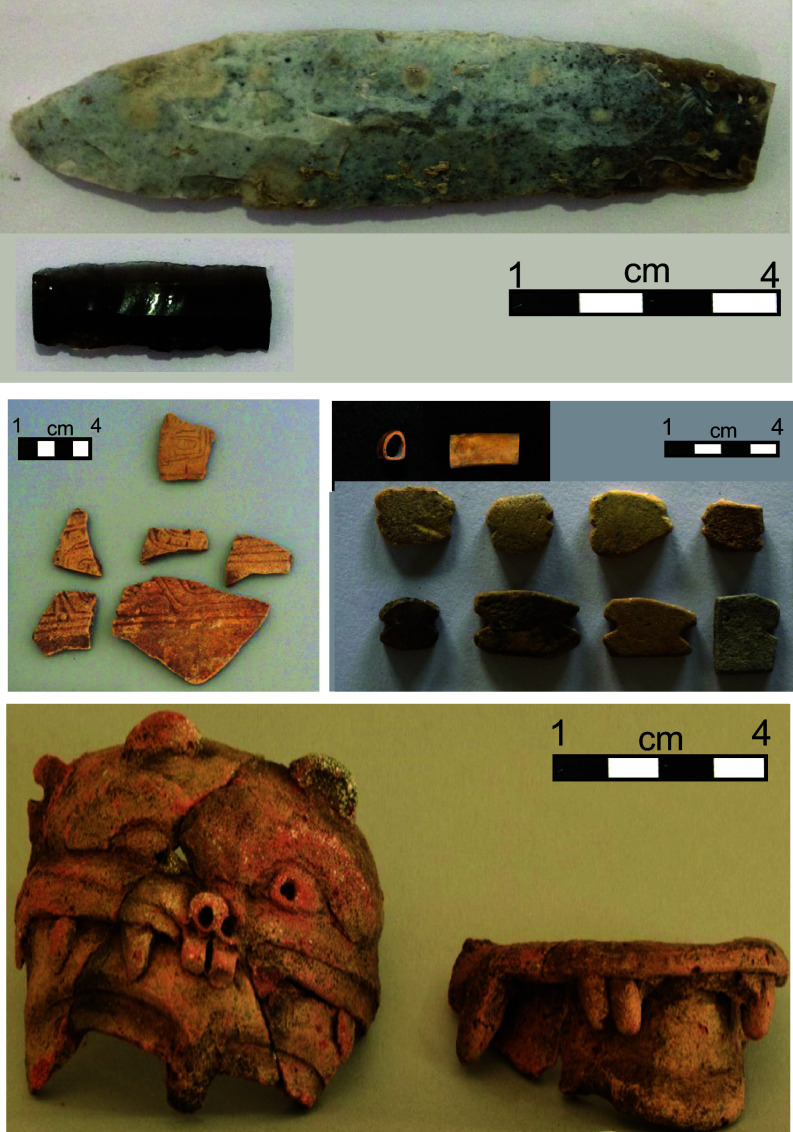 Figure 4
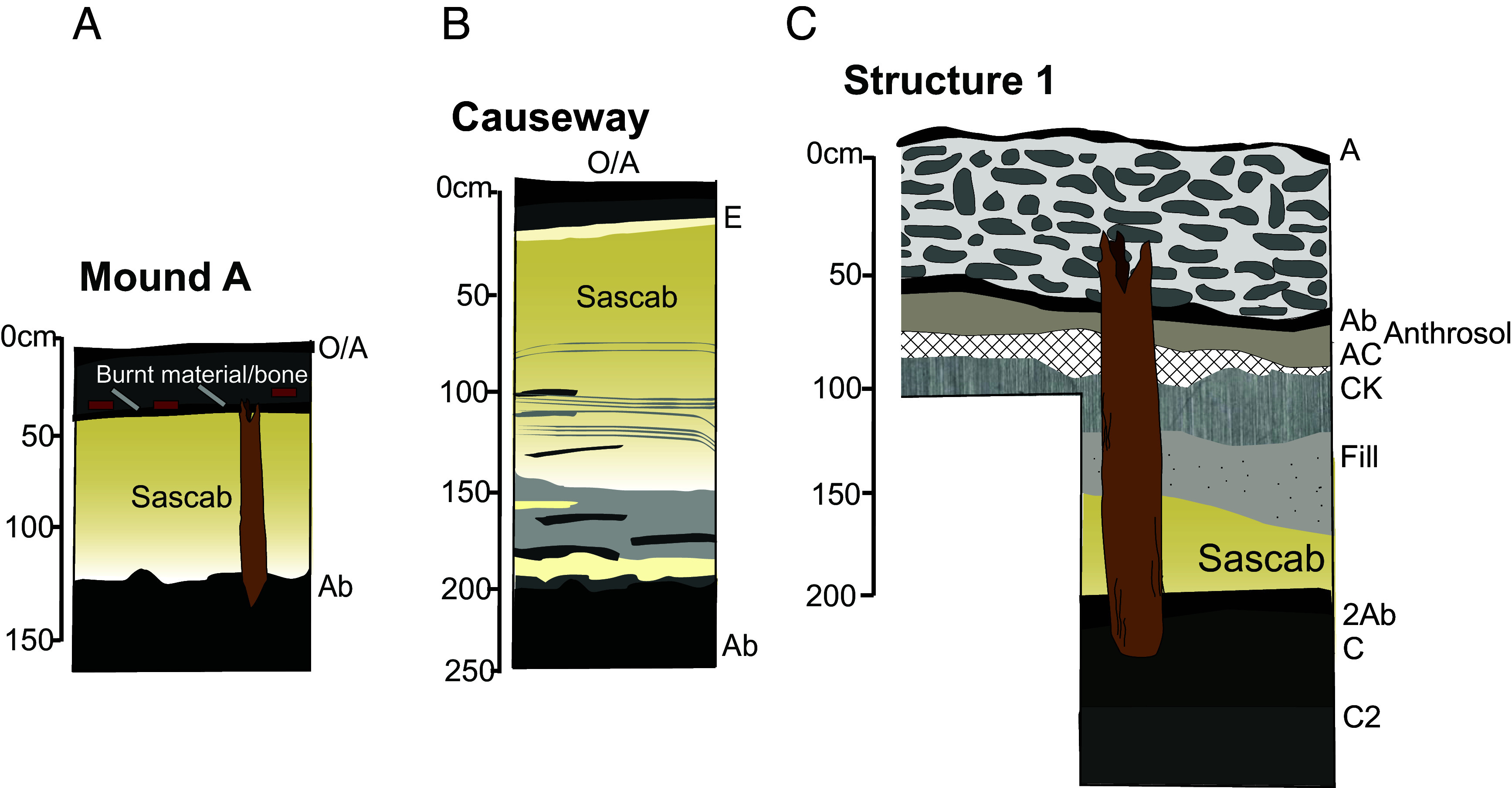 Figure 5
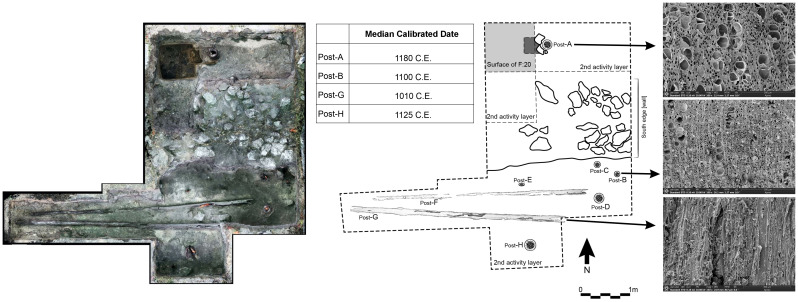 Figure 6
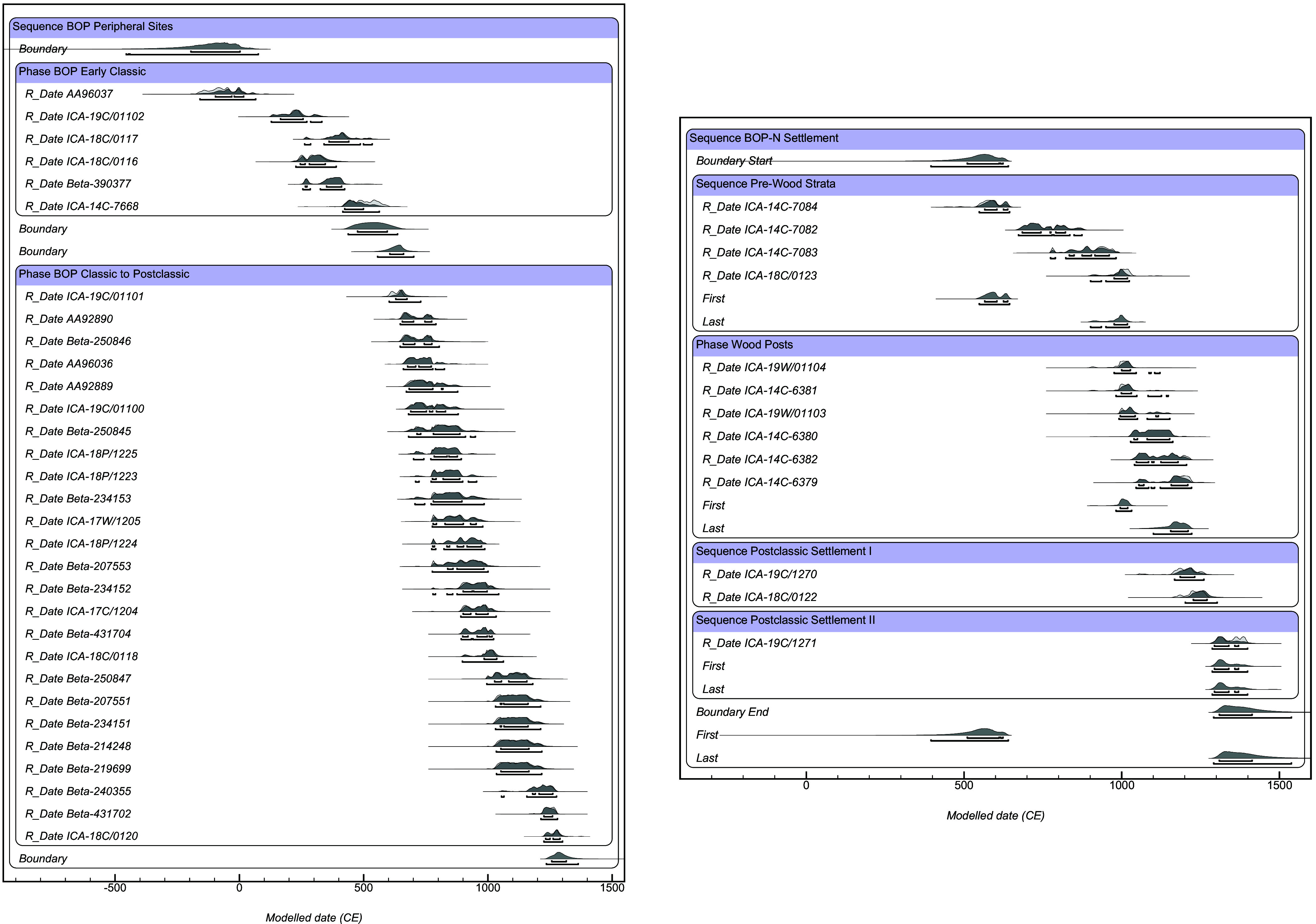 Figure 7
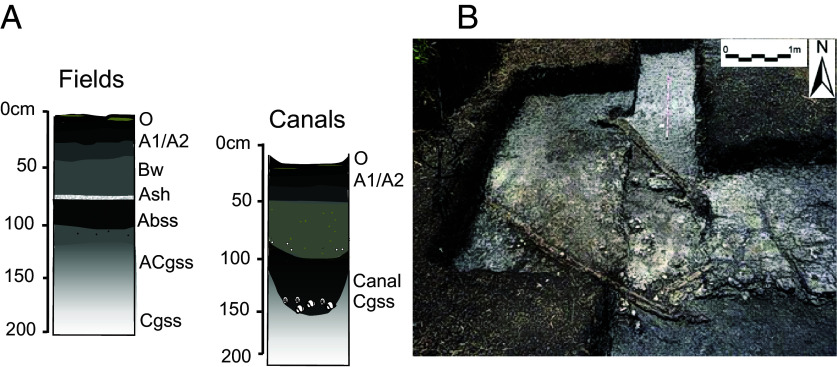 Figure 8
Peer Reviews
No public reviews on file for this paper yet. If you reviewed it on a platform where reviews are public (OpenReview, ICLR, NeurIPS, ICML), you can paste yours below so the community can read it here.
Videos
No videos yet. Explain this paper in a talk, walkthrough, or lecture? Add one.
Taxonomy
TopicsAmazonian Archaeology and Ethnohistory · Archaeology and ancient environmental studies · Pacific and Southeast Asian Studies