Med14 phosphorylation shapes genomic response to GLP-1 agonists
Sam Van de Velde, Jungting Yu, K. Garrett Evensen, Edmund Pakhlevanyan, April E. Williams, Reuben J. Shaw, Marc Montminy

TL;DR
This study shows how GLP-1 agonists improve beta cell function by phosphorylating Med14, a key transcriptional coactivator, leading to better insulin secretion and cell viability.
Contribution
The novel finding is that Med14 phosphorylation at Ser983 is essential for GLP-1 agonist-induced genomic responses in beta cells.
Findings
Phosphorylation of Med14 at Ser983 is required for GLP-1 agonist effects on gene expression in beta cells.
Mutation of Med14 at Ser983 disrupts CREB-mediated activation of beta cell-specific enhancers.
Med14 phosphorylation leads to improved beta cell viability and insulin secretion.
Abstract
Stable GLP-1 agonists like Exendin-4 and Ozempic have become a mainstay for treatment of type II diabetes; these peptides enhance insulin secretion and improve beta cell viability in part through sustained activation of the cAMP-CREB pathway. The long-term benefits of GLP-1 receptor agonists appear to reflect the genomic adaptation of beta cells to elevated levels of circulating glucose and lipids in the blood. We found that exposure of pancreatic islet beta cells to GLP-1 receptor agonist promotes phosphorylation of Med14, a subunit of the mediator transcriptional complex. As mutation of Med14 at this phosphorylation site blocks induction of GLP-1-responsive genes, our studies suggest how a general coactivator can promote the selective induction of metabolic programs in response to circulating hormones. Binding of GLP-1 to its receptor in pancreatic beta cells triggers activation of…
Genes, proteins, chemicals, diseases, species, mutations and cell lines named across the full text — each resolved to its canonical identifier and authoritative record.
Click any figure to enlarge with its caption.
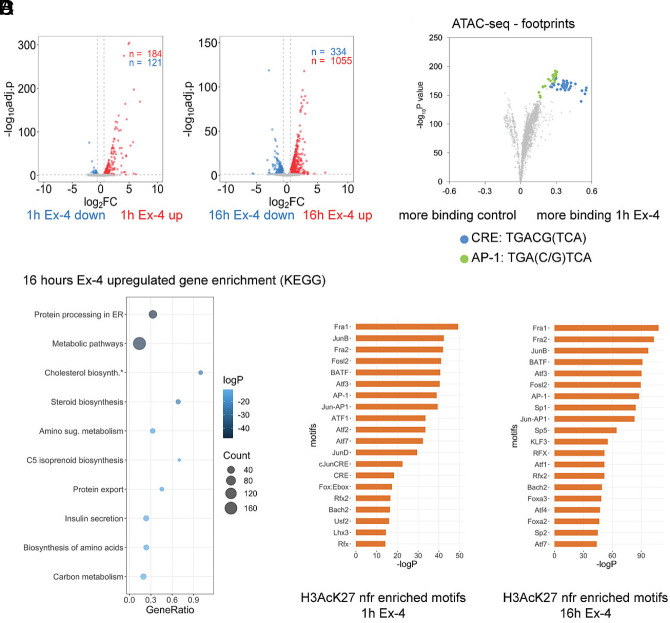 Figure 1
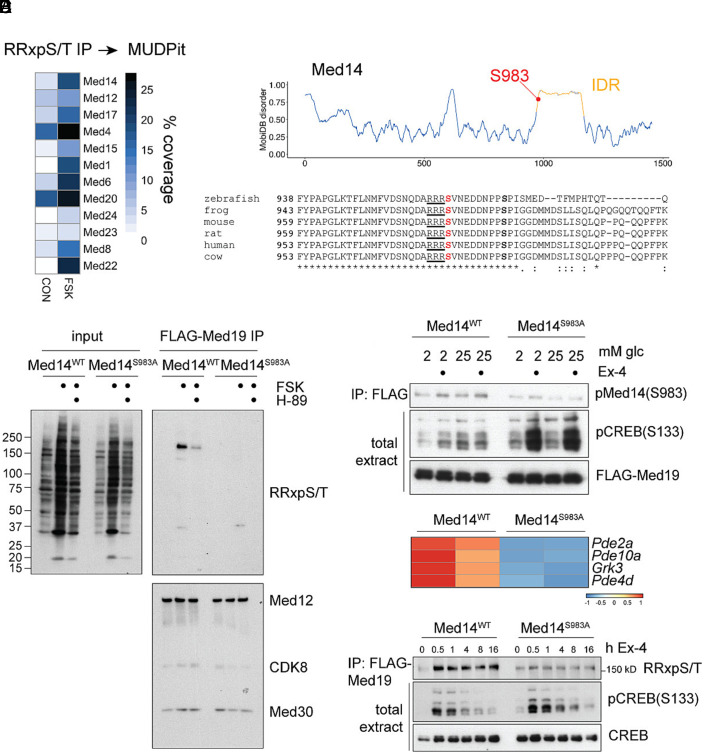 Figure 2
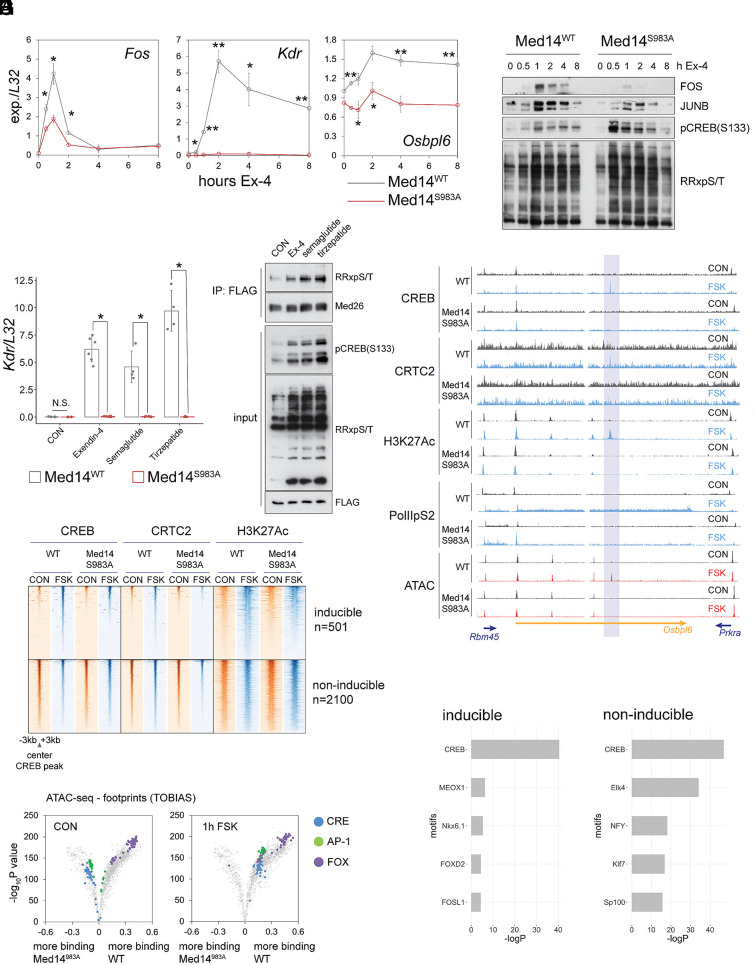 Figure 3
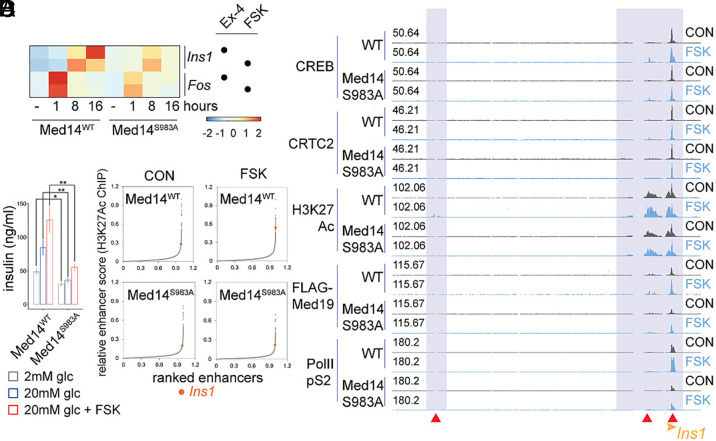 Figure 4
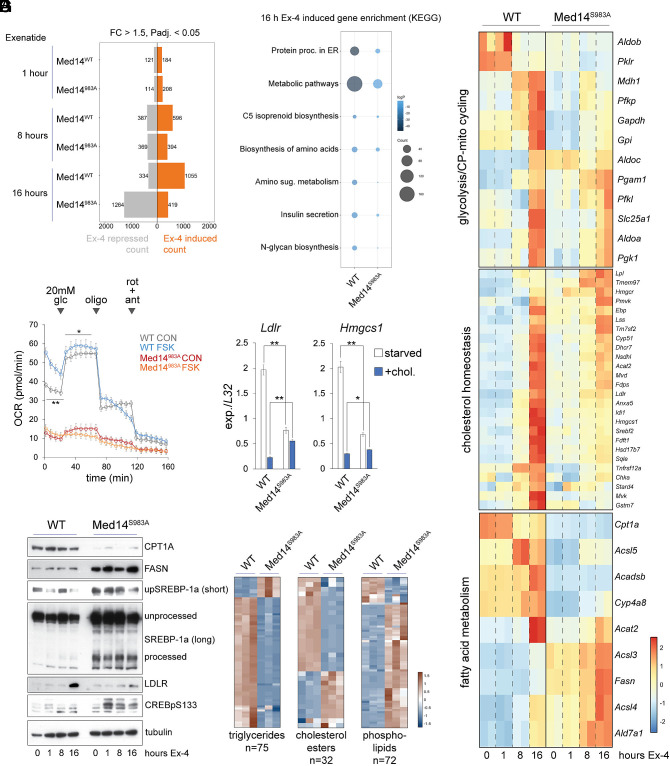 Figure 5
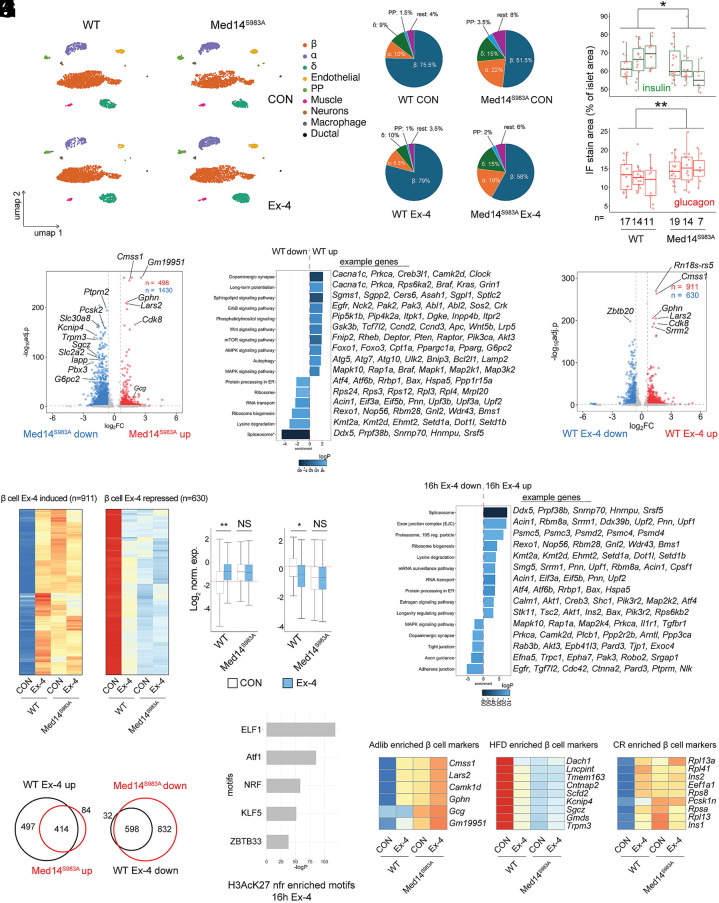 Figure 6
Peer Reviews
No public reviews on file for this paper yet. If you reviewed it on a platform where reviews are public (OpenReview, ICLR, NeurIPS, ICML), you can paste yours below so the community can read it here.
Videos
No videos yet. Explain this paper in a talk, walkthrough, or lecture? Add one.
Taxonomy
TopicsPancreatic function and diabetes · Diabetes Treatment and Management · Diabetes and associated disorders