Using MRI to guide surgical strategy for perianal fistulas: from conventional acquisition to 3D modeling
Priscilla Ornellas Neves, André Araújo de Medeiros Silva

TL;DR
MRI helps surgeons plan better treatments for perianal fistulas by providing detailed imaging and 3D models.
Contribution
The paper highlights the role of 3D modeling derived from MRI in improving surgical planning for perianal fistulas.
Findings
MRI is the gold standard for evaluating perianal fistulas and guiding surgical decisions.
3D modeling from MRI data can enhance spatial understanding and surgical outcomes.
Accurate 3D models require precise image segmentation by experienced radiologists.
Abstract
Magnetic resonance imaging (MRI) is the gold-standard imaging modality for evaluating perianal fistulas, playing a pivotal role in characterizing fistula anatomy and guiding optimal surgical strategies. Appropriate preoperative MRI assessment can significantly reduce recurrence rates and minimize the risk of complications, such as fecal incontinence. This article reviews the most relevant information that an MRI report should contain to aid effective surgical decision-making for perianal fistulas. These features influence therapeutic choices, including decisions regarding the suitability of techniques like fistulotomy, ligation of the intersphincteric fistula tract (LIFT), video-assisted anal fistula treatment (VAAFT), fistula-tract laser closure (FiLaC), and advancement flaps. The emerging role of three-dimensional (3D) modeling from MRI data is also discussed, highlighting its…
Genes, proteins, chemicals, diseases, species, mutations and cell lines named across the full text — each resolved to its canonical identifier and authoritative record.
Click any figure to enlarge with its caption.
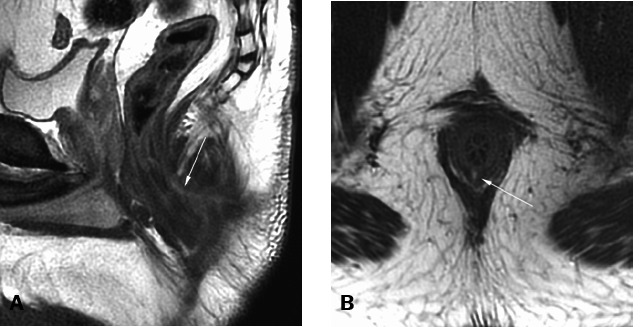 Figure 1
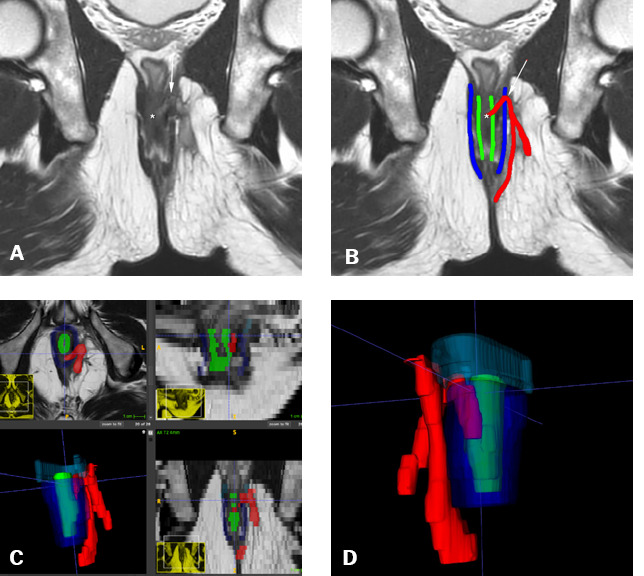 Figure 2
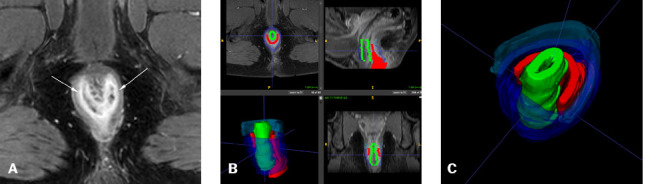 Figure 3
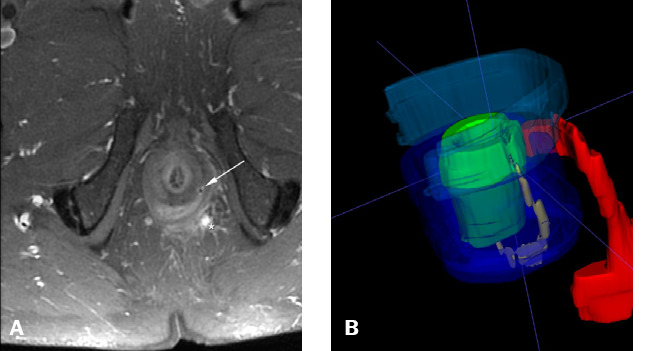 Figure 4
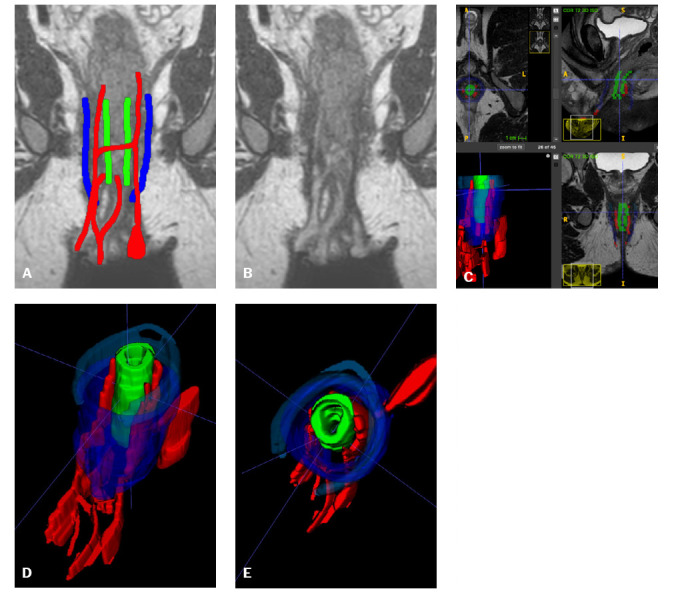 Figure 5
Peer Reviews
No public reviews on file for this paper yet. If you reviewed it on a platform where reviews are public (OpenReview, ICLR, NeurIPS, ICML), you can paste yours below so the community can read it here.
Videos
No videos yet. Explain this paper in a talk, walkthrough, or lecture? Add one.
Taxonomy
TopicsAnorectal Disease Treatments and Outcomes · Congenital gastrointestinal and neural anomalies · Pelvic floor disorders treatments