Virtual Reality for the Management of Postoperative Pain and Anxiety in Children and Adolescents Undergoing Nuss Repair of Pectus Excavatum: Randomized Controlled Trial
Charlotte M Walter, Dillon Froass, Nora Bell, Lauren Haack, Chloe Boehmer, Claudia Bruguera Torres, Rachel Spivak, Max Chou, Kristie Geisler, Keith O'Conor, Sara E Williams, Lili Ding, Christopher D King, Vanessa A Olbrecht

TL;DR
This study explores whether virtual reality can help reduce pain and anxiety in children after chest surgery, but found only small and not statistically significant effects.
Contribution
The study evaluates VR as a nonpharmacological intervention for postoperative pain and anxiety in children undergoing Nuss repair, a specific surgical procedure.
Findings
VR showed a small, transient decrease in pain intensity at 30 minutes post-session, but not after statistical correction.
There were no significant differences in pain scores, opioid use, or anxiety levels between VR and control groups.
VR sessions did not significantly reduce overall pain or opioid consumption, possibly due to short duration.
Abstract
Virtual reality (VR) is a novel technology with implications for pain and sensory processing. VR may serve as a novel, scalable method to deliver clinically validated therapy for pain management as an alternative or adjunct to opioids for acute pain. Given that psychological factors and pain perception are both components of postoperative pain, it may also be beneficial to incorporate modalities that decrease anxiety, such as active relaxation and guided meditation with VR. Unfortunately, these therapies are not widely available due to multiple barriers. VR has the potential to deliver pain-reducing, psychologically based therapy to children, thereby enhancing multimodal analgesia and potentially decreasing opioid use. This study investigates the role of VR in reducing pain and anxiety after surgery. Given the substantial risks associated with opioid use, particularly in younger…
Genes, proteins, chemicals, diseases, species, mutations and cell lines named across the full text — each resolved to its canonical identifier and authoritative record.
Click any figure to enlarge with its caption.
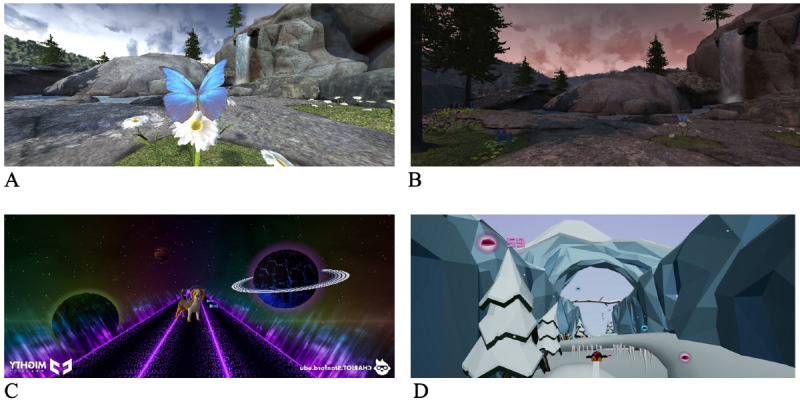 Figure 1
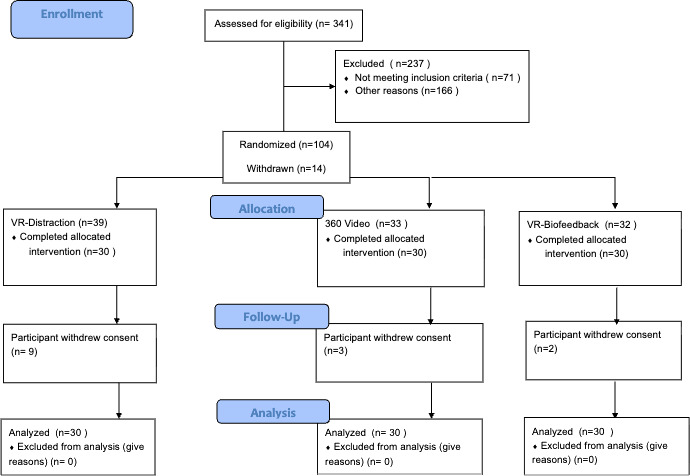 Figure 2
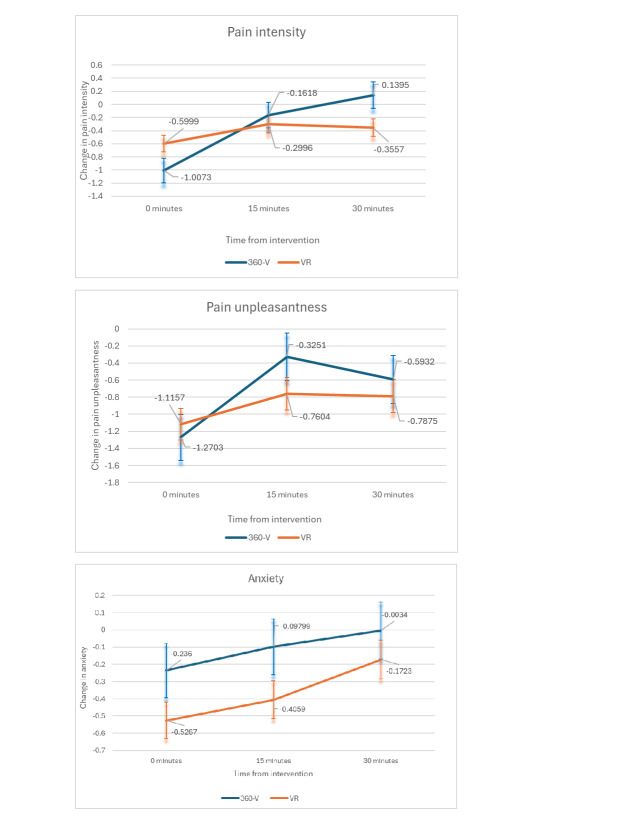 Figure 3
Peer Reviews
No public reviews on file for this paper yet. If you reviewed it on a platform where reviews are public (OpenReview, ICLR, NeurIPS, ICML), you can paste yours below so the community can read it here.
Videos
No videos yet. Explain this paper in a talk, walkthrough, or lecture? Add one.
Taxonomy
TopicsPectus Deformity Diagnosis and Treatment · Scoliosis diagnosis and treatment · Pediatric Pain Management Techniques