Preferences for mechanical ventilation modes among intensivists in Türkiye: a nationwide point-prevalence study
Süleyman YILDIRIM, Nurhayat KILINÇ ÖZGÜN, Özcan ALPDOĞAN, Hüseyin UÇAR, İmren TAŞKIRAN, Adnan ATA, Özhan ÖZCAN, Kıvanç ÖNCÜ, Saba Mukaddes ACARBAY, Temel GÜNER, Pınar ÖZGÜN, Zerrin ÖZÇELİK, Ayşegül ÇINAROĞLU, Gizem KURADA, L. Serap AVLAĞI, Onur GÖKÇE, Özkul YILMAZ ÇOLAK

TL;DR
This study surveyed mechanical ventilation preferences in Turkish ICUs and found conventional modes like SIMV are most commonly used.
Contribution
The study provides a nationwide snapshot of ventilation mode preferences and outcomes in Turkish ICUs without causal analysis.
Findings
Conventional modes were used in 84.5% of patients, with SIMV being the most common.
Adaptive and biphasic modes were used in 10.6% and 4.9% of cases, respectively.
43.4% of patients died during their ICU stay, and outcomes like weaning and tracheostomy were reported descriptively.
Abstract
Invasive mechanical ventilation (IMV) is a fundamental intervention for patients with respiratory failure in intensive care units (ICUs). This nationwide, multicenter point-prevalence study aimed to describe current mechanical ventilation mode preferences (conventional, adaptive, and biphasic) in Turkish ICUs and to report associated clinical outcomes descriptively, without assessing causal relationships. A nationwide, multicenter point-prevalence study was conducted on 17 April 2024 and included adult patients (≥18 years) who had been receiving IMV for more than 24 h. Data on patient demographics, ventilation mode distribution, ventilatory parameters, and descriptive clinical outcomes on day 28 (weaning status, tracheostomy, and mortality) were recorded without comparative outcome analysis. A total of 426 patients were included. Conventional modes were used in 84.5% of patients,…
Genes, proteins, chemicals, diseases, species, mutations and cell lines named across the full text — each resolved to its canonical identifier and authoritative record.
Click any figure to enlarge with its caption.
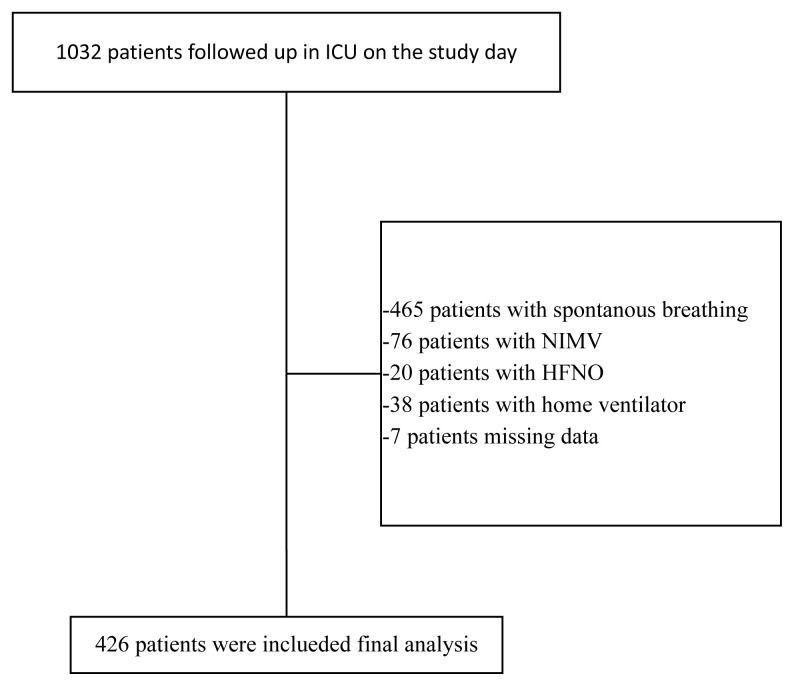 Figure 1
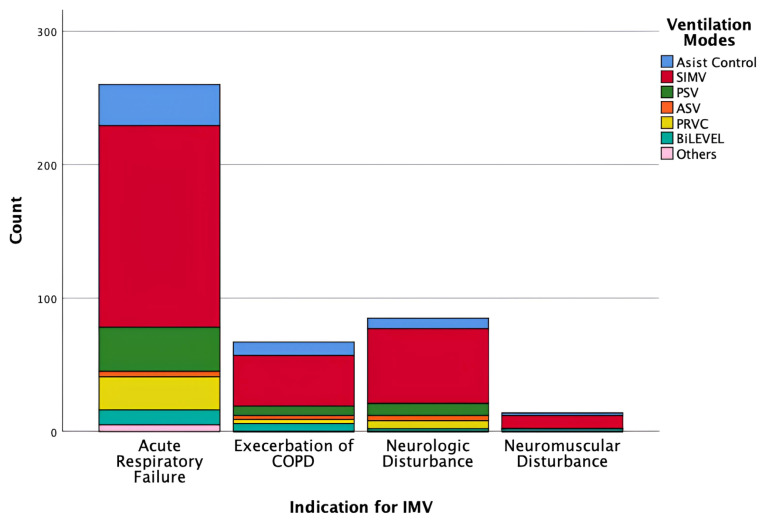 Figure 2
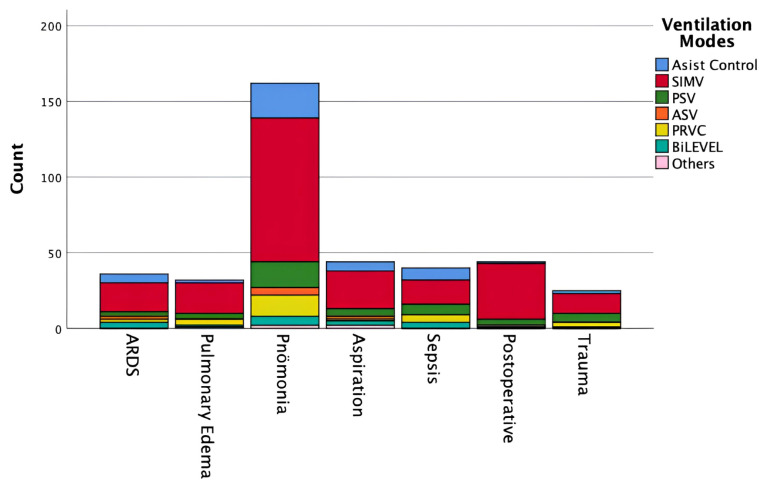 Figure 3
Peer Reviews
No public reviews on file for this paper yet. If you reviewed it on a platform where reviews are public (OpenReview, ICLR, NeurIPS, ICML), you can paste yours below so the community can read it here.
Videos
No videos yet. Explain this paper in a talk, walkthrough, or lecture? Add one.
Taxonomy
TopicsRespiratory Support and Mechanisms · Nosocomial Infections in ICU · Tracheal and airway disorders