Defining Sarcopenia Using the Third Lumbar Vertebra (L3) Skeletal Muscle Index (L3SMI): Establishing Imaging Biomarker Standards for the Middle Eastern Population
Abdulmalek Alzahrani, Badr Bannan, Mohammad Alsayed, Zergham Zia

TL;DR
This study establishes gender-specific L3 skeletal muscle index cutoffs for diagnosing sarcopenia in the Middle Eastern population using CT scans.
Contribution
The study provides region-specific sarcopenia criteria for Middle Eastern individuals using L3SMI.
Findings
Female and male L3SMI cutoffs were 29.7 cm²/m² and 37.7 cm²/m², respectively.
Western sarcopenia criteria misclassified a significant portion of the Middle Eastern population.
Gender-specific cutoffs may improve sarcopenia diagnosis and risk stratification in the region.
Abstract
This study aimed to define sarcopenia criteria using the third lumbar vertebra (L3) skeletal muscle index (L3SMI) in Middle Eastern individuals. In a retrospective review, abdominal CT imaging from 200 kidney donors was analyzed. Demographic data, BMI, body surface area, L3 skeletal muscle area (L3SMA), and L3SMI were evaluated. Mean ± SD L3SMA values were 98.63 ± 14.9 cm² for females (n = 48) and 157.52 ± 25.6 cm² for males (n = 152); corresponding L3SMI values were 40.9 ± 5.6 and 55.3 ± 8.8 cm²/m², respectively. Applying Western sarcopenia cutoffs classified 47.9% of females (n = 23/48) and 26.3% of males (n = 40/152) as sarcopenic. Defining cutoffs as two SDs below the mean yielded 29.7 cm²/m² for females and 37.7 cm²/m² for males. These gender-specific cutoffs may aid in the diagnosis of sarcopenia, support clinical risk stratification, and inform future population-based screening…
Genes, proteins, chemicals, diseases, species, mutations and cell lines named across the full text — each resolved to its canonical identifier and authoritative record.
Click any figure to enlarge with its caption.
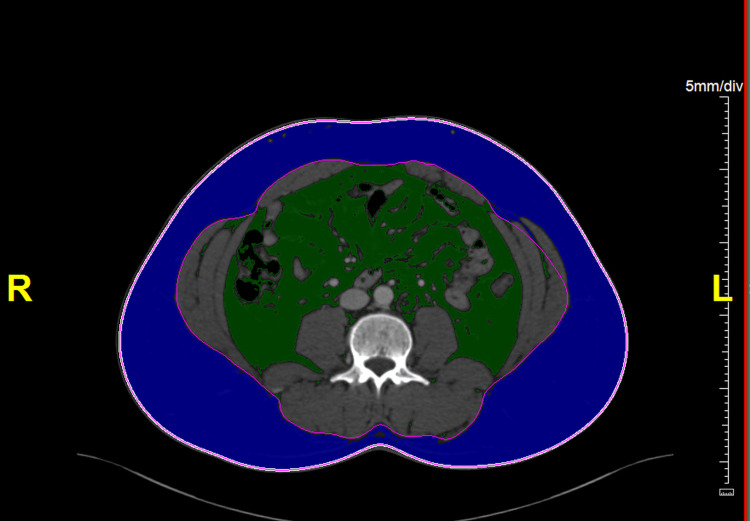 Figure 1
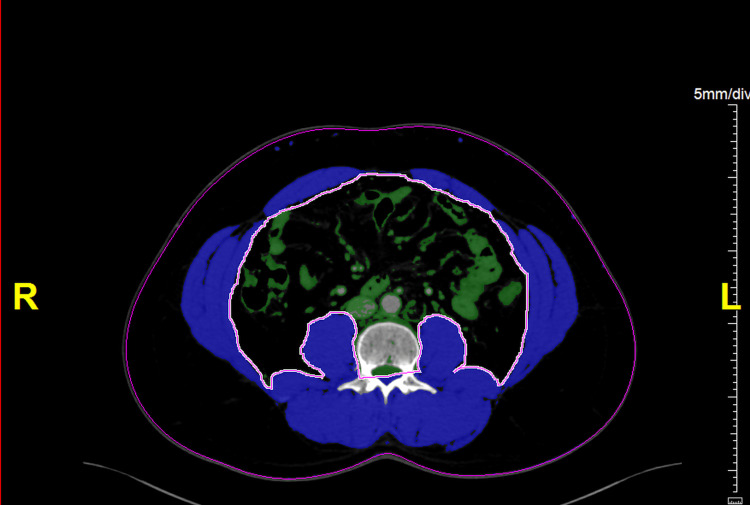 Figure 2
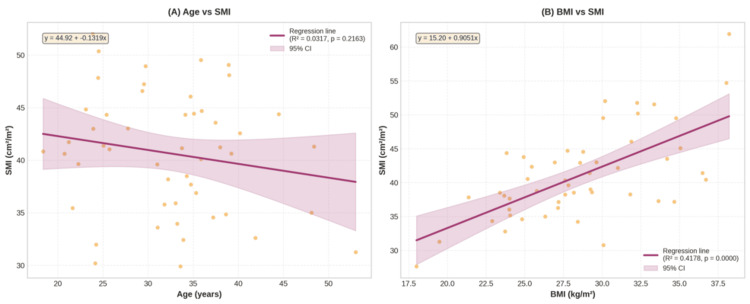 Figure 3
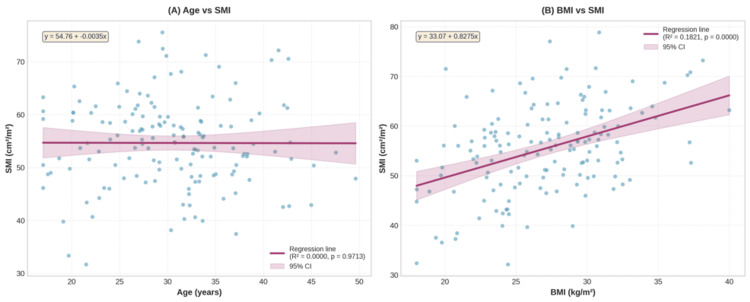 Figure 4
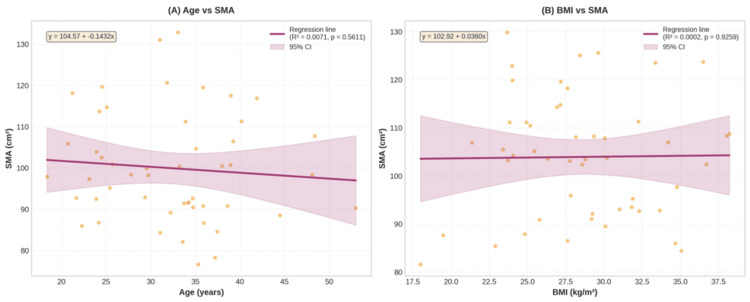 Figure 5
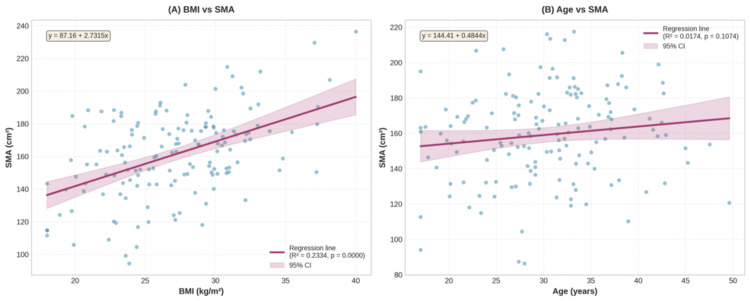 Figure 6
Peer Reviews
No public reviews on file for this paper yet. If you reviewed it on a platform where reviews are public (OpenReview, ICLR, NeurIPS, ICML), you can paste yours below so the community can read it here.
Videos
No videos yet. Explain this paper in a talk, walkthrough, or lecture? Add one.
Taxonomy
TopicsNutrition and Health in Aging · Body Composition Measurement Techniques · Parathyroid Disorders and Treatments