Comparative transcriptomics reveals genes commonly induced by distinct stressors in Chlamydia
Ronald Haines, Danny Wan, Guangming Zhong, Huizhou Fan

TL;DR
The study compares how Chlamydia bacteria change their gene activity in response to different stress conditions, revealing shared and unique patterns.
Contribution
The study identifies stressor-specific and shared transcriptomic responses in Chlamydia, highlighting potential vulnerabilities.
Findings
Transcriptomic overlap is reduced when heat shock is included with chronic stress conditions.
Tryptophan and iron starvation show closer transcriptomic similarity than with interferon-γ treatment.
Interferon-γ induces a distinct but partially overlapping transcriptome, suggesting additional host mechanisms.
Abstract
Chlamydia trachomatis is a leading cause of urogenital infections that can result in serious long-term complications. This obligate intracellular bacterium undergoes a biphasic developmental cycle alternating between the infectious elementary body and the replicative reticulate body and can enter a persistent state in response to adverse environmental conditions. Although transcriptomic reprogramming is central to chlamydial stress adaptation and persistence, how responses differ across biologically distinct stressors remains incompletely defined. Here, we performed a comparative reanalysis of five published, high-quality C. trachomatis RNA-Seq data sets generated under prolonged interferon-γ treatment, tryptophan starvation, iron starvation, penicillin exposure, or acute heat shock. Global transcriptomic analyses reveal stress-specific reprogramming and a clear separation between the…
Genes, proteins, chemicals, diseases, species, mutations and cell lines named across the full text — each resolved to its canonical identifier and authoritative record.
Click any figure to enlarge with its caption.
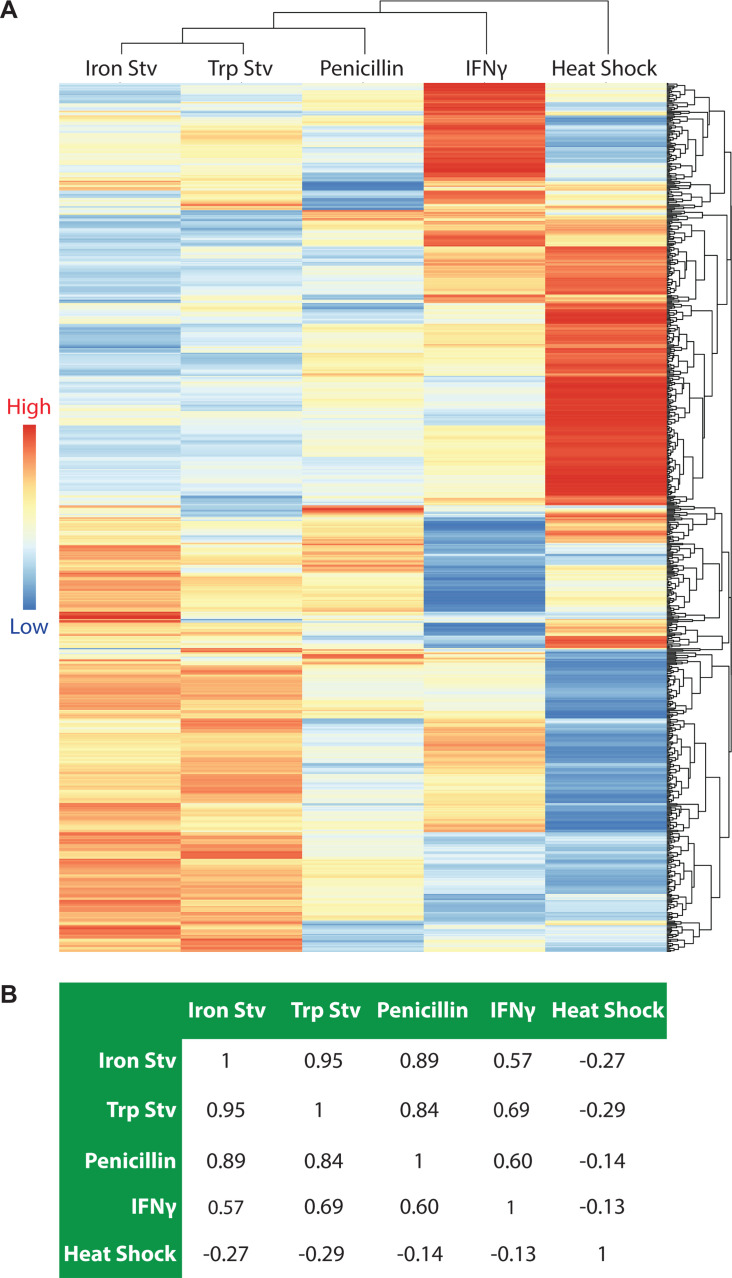 Figure 1
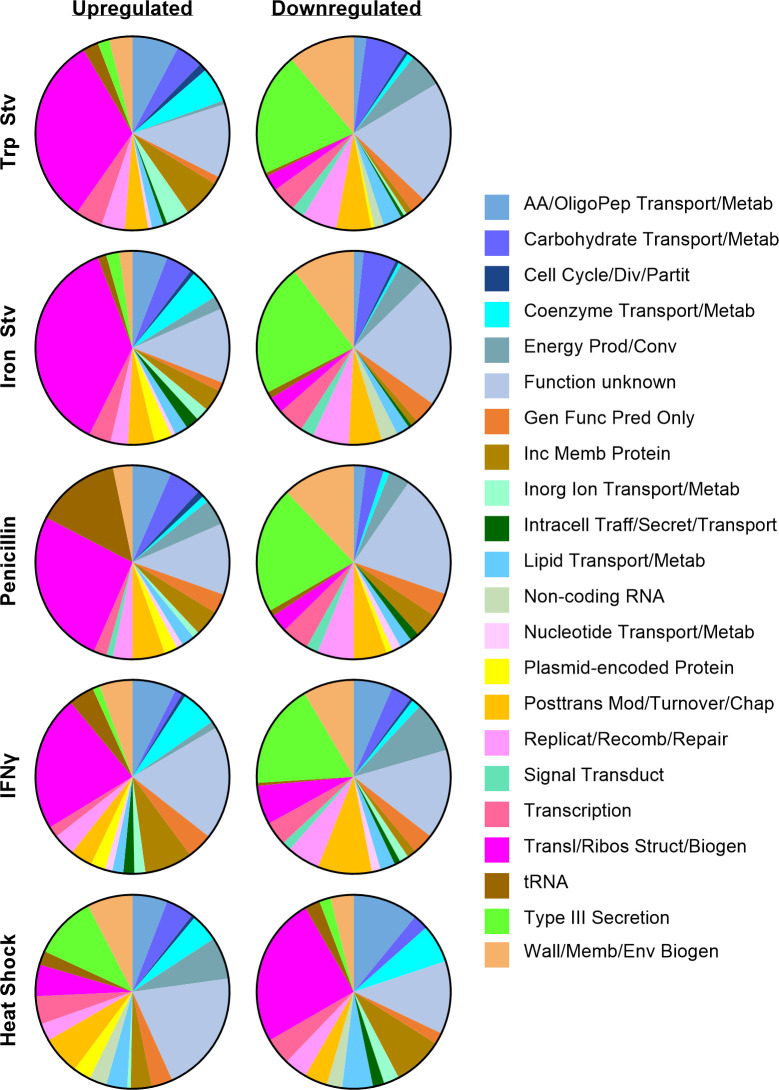 Figure 2
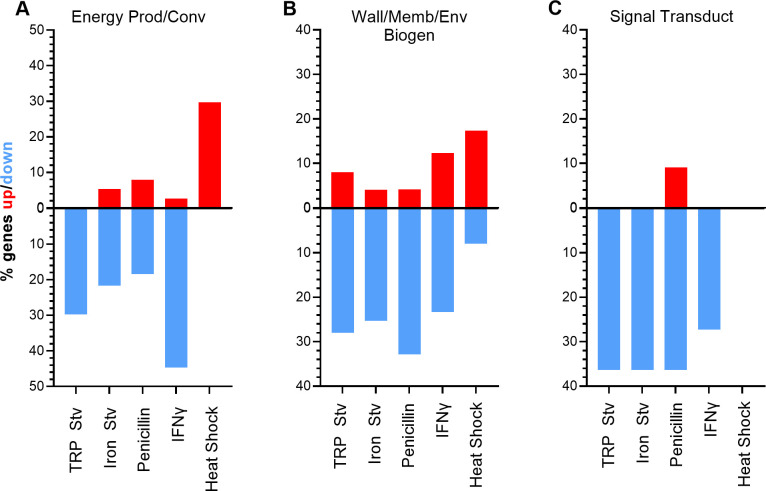 Figure 3
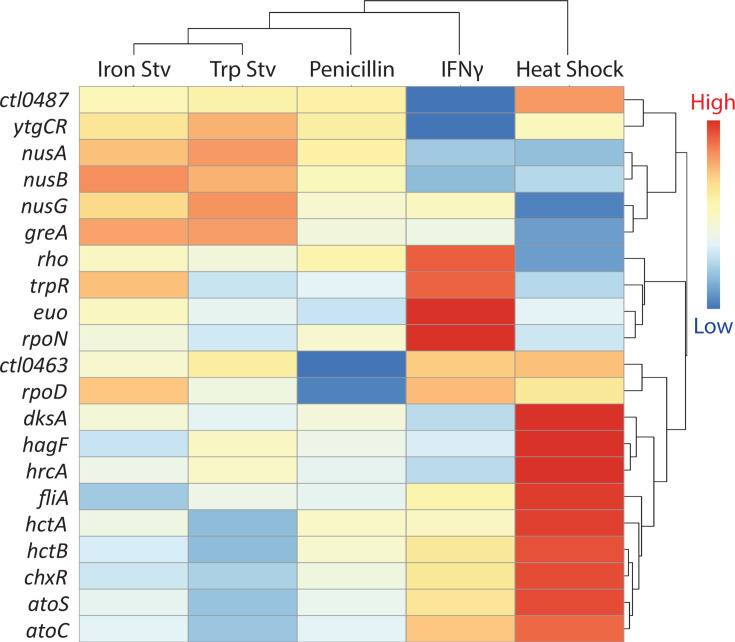 Figure 4
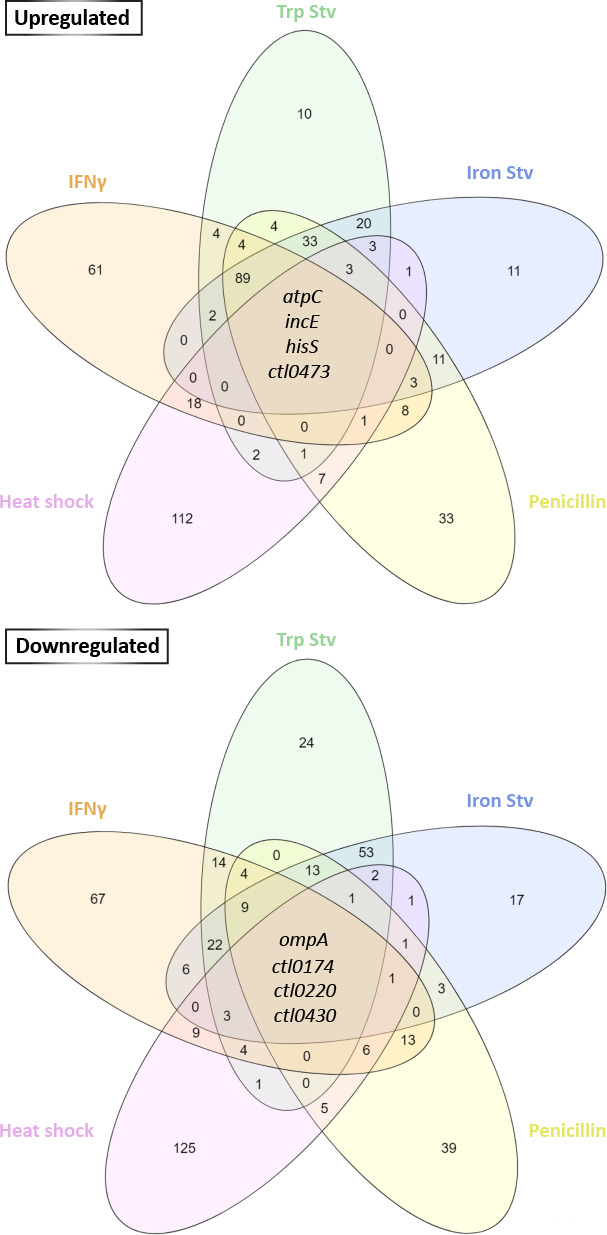 Figure 5
Peer Reviews
No public reviews on file for this paper yet. If you reviewed it on a platform where reviews are public (OpenReview, ICLR, NeurIPS, ICML), you can paste yours below so the community can read it here.
Videos
No videos yet. Explain this paper in a talk, walkthrough, or lecture? Add one.
Taxonomy
TopicsReproductive tract infections research · Reproductive System and Pregnancy · Adolescent Sexual and Reproductive Health