The Leptospira interrogans CdaA protein is a functional diadenylate cyclase
Edward J. A. Schuler, Dhara T. Patel, Aidan D. Moylan, Daniel P. Miller, Richard T. Marconi

TL;DR
This study identifies a functional diadenylate cyclase in Leptospira interrogans, which produces a signaling molecule important for its biology and disease-causing potential.
Contribution
The study demonstrates that the CdaA protein in Leptospira interrogans is a functional diadenylate cyclase involved in c-di-AMP production.
Findings
CdaA is an inner membrane-associated homodimeric protein with diadenylate cyclase activity.
CdaA requires cobalt or manganese for enzymatic activity and is regulated by potassium levels.
Site-directed mutagenesis identified key amino acid residues involved in CdaA's function.
Abstract
Leptospirosis is a zoonotic disease that affects humans, companion animals, livestock, and wildlife. There are over 60 species that are established pathogens. Leptospires must rapidly adapt to changing environmental conditions as they pass between the environment and vertebrates. Bioinformatic analyses have identified a putative CdaA-type diadenylate cyclase (DAC) in Leptospira interrogans Fiocruz L1-130 (lic10844). DACs catalyze the synthesis of cyclic di-adenosine monophosphate (c-di-AMP) from two ATP molecules. The potential regulatory roles and effector mechanisms of c-di-AMP among pathogenic Leptospira species have not been explored. Here, we demonstrate that lic10844 encodes a functional DAC (henceforth referred to as CdaA). Cellular localization analyses, size exclusion chromatography, and DAC assays revealed that CdaA is an inner membrane-associated protein that functions…
Genes, proteins, chemicals, diseases, species, mutations and cell lines named across the full text — each resolved to its canonical identifier and authoritative record.
Click any figure to enlarge with its caption.
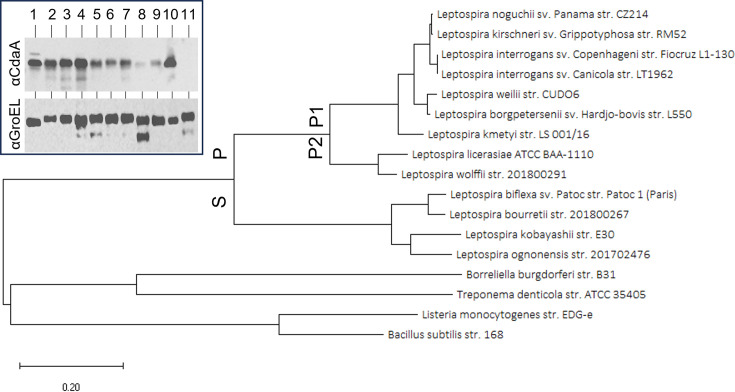 Figure 1
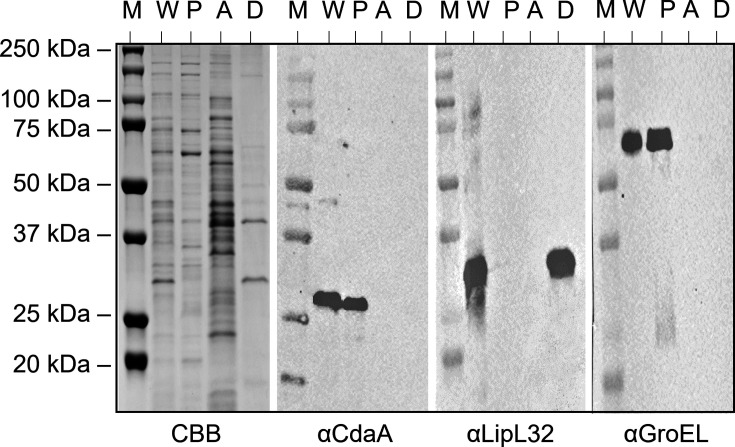 Figure 2
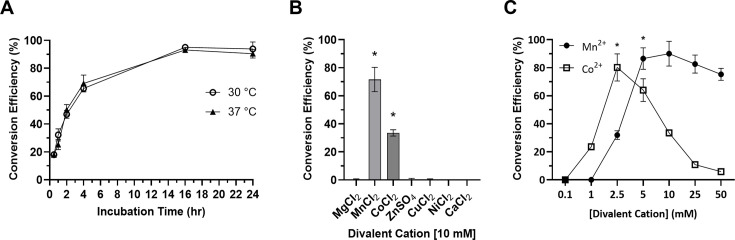 Figure 3
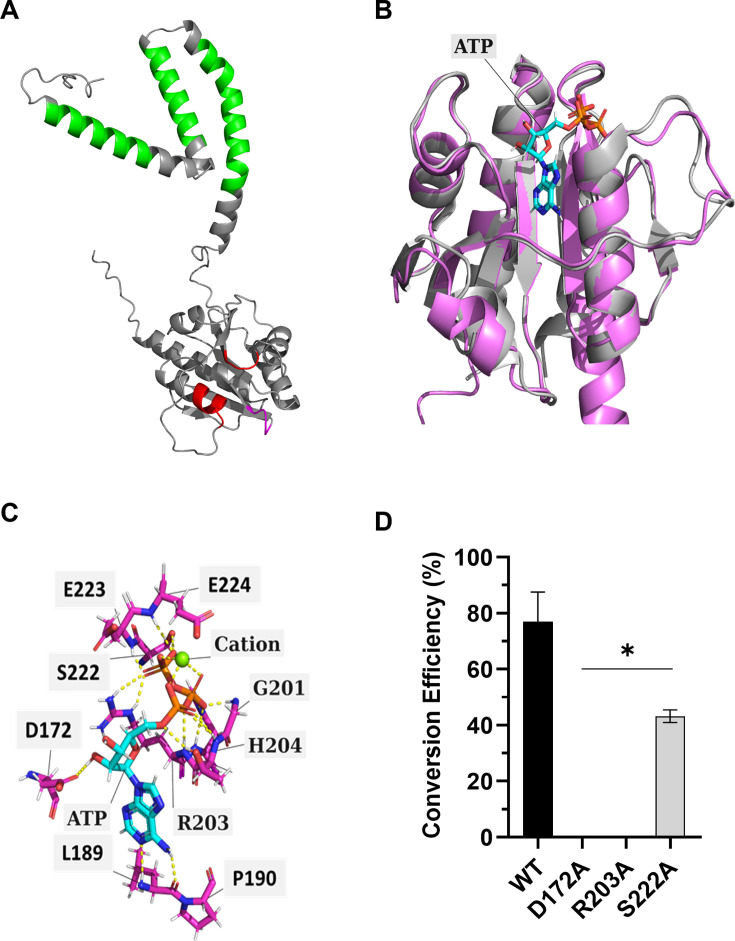 Figure 4
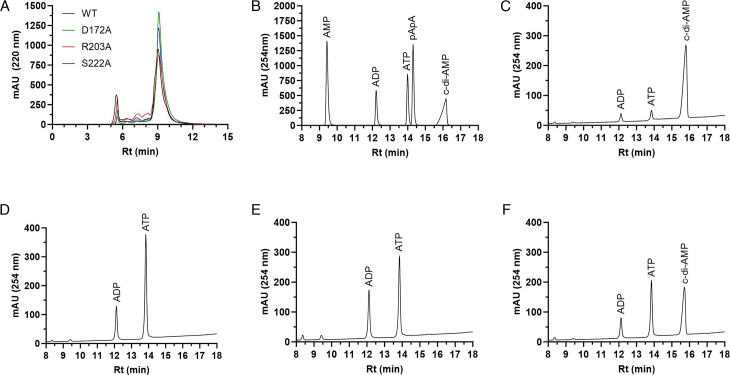 Figure 5
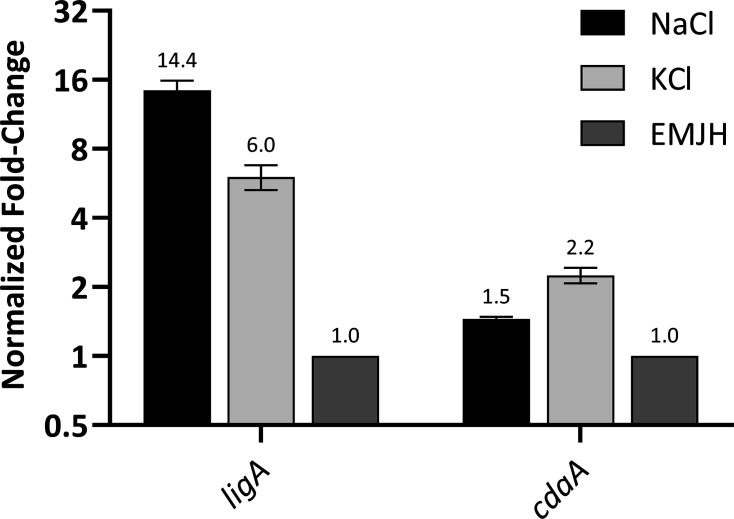 Figure 6
Peer Reviews
No public reviews on file for this paper yet. If you reviewed it on a platform where reviews are public (OpenReview, ICLR, NeurIPS, ICML), you can paste yours below so the community can read it here.
Videos
No videos yet. Explain this paper in a talk, walkthrough, or lecture? Add one.
Taxonomy
TopicsLeptospirosis research and findings · S100 Proteins and Annexins · Whipple's Disease and Interleukins