Integrative multi-stage deep learning framework for ovarian tumor ultrasound classification with explainability and confidence estimation
Shtwai Alsubai, Ahmad Almadhor, Abdullah Al Hejaili

TL;DR
This paper introduces EfficientOvaNet, a deep learning framework that improves ovarian tumor classification from ultrasound images with high accuracy and interpretability.
Contribution
The novel two-branch EfficientNet-B3 architecture with explainability tools enhances diagnostic accuracy and interpretability for ovarian tumor classification.
Findings
EfficientOvaNet achieves 91.9% mean accuracy and 91.9% F1-score using five-fold cross-validation.
The model outperforms baseline models with an AUC of 0.98.
Explainability tools like Grad-CAM and t-SNE visualization improve interpretability and credibility.
Abstract
Ovarian cancer is a major diagnostic problem because it is asymptomatic in its early stages and requires subjective interpretation of ultrasound images. This research presents the EfficientOvaNet framework, a deep learning-based model for classifying ovarian tumors using ultrasound images, trained on the Multi-Modality Ovarian Tumor Ultrasound (MMOTU) dataset. The framework employs a two-branch EfficientNet-B3 architecture that combines Region-of-Interest (ROI) features with global contextual information. Sophisticated preprocessing, data augmentation, and class-imbalance control using weighted Focal Loss are applied. Five-fold cross-validation is used for performance evaluation. Explainable methods, including Grad-CAM, Monte Carlo Dropout uncertainty estimation, and t-distributed Stochastic Neighbor Embedding (t-SNE)-based feature visualization, are incorporated to ensure…
Genes, proteins, chemicals, diseases, species, mutations and cell lines named across the full text — each resolved to its canonical identifier and authoritative record.
Click any figure to enlarge with its caption.
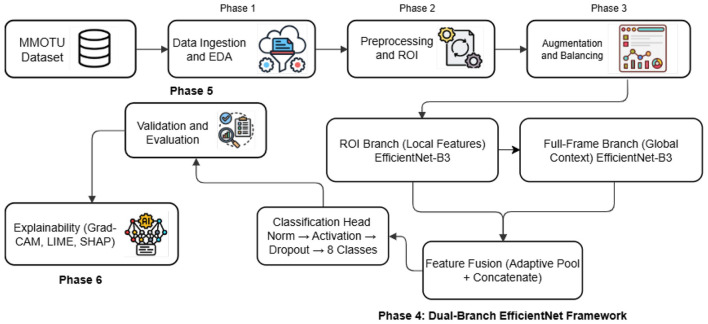 Figure 1
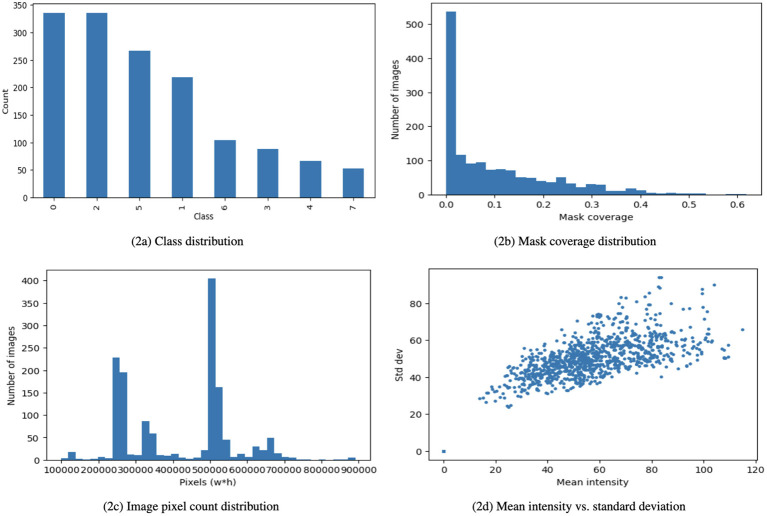 Figure 2
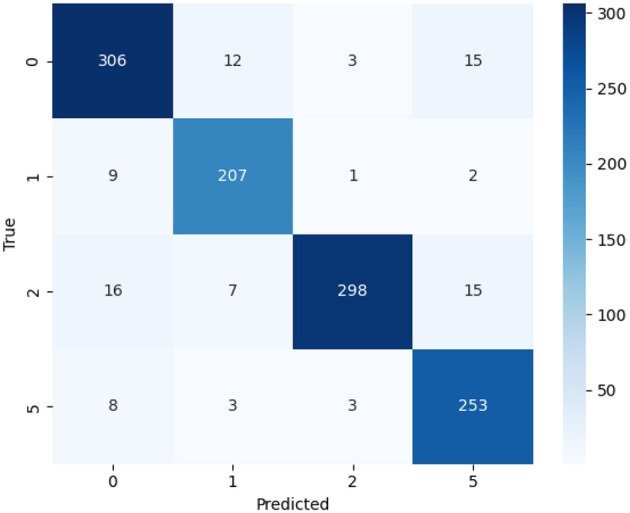 Figure 3
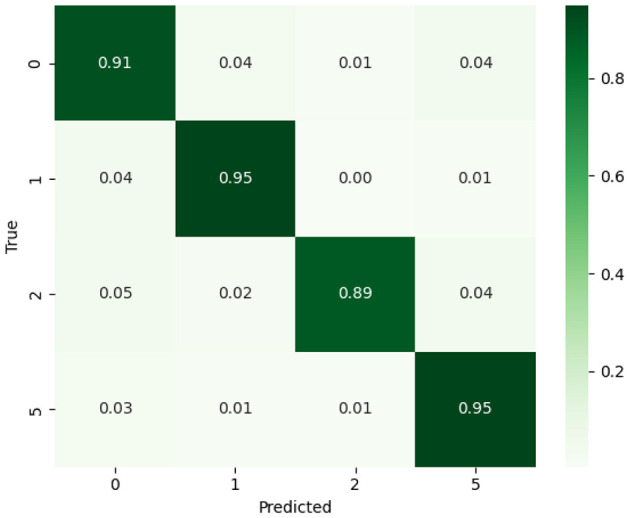 Figure 4
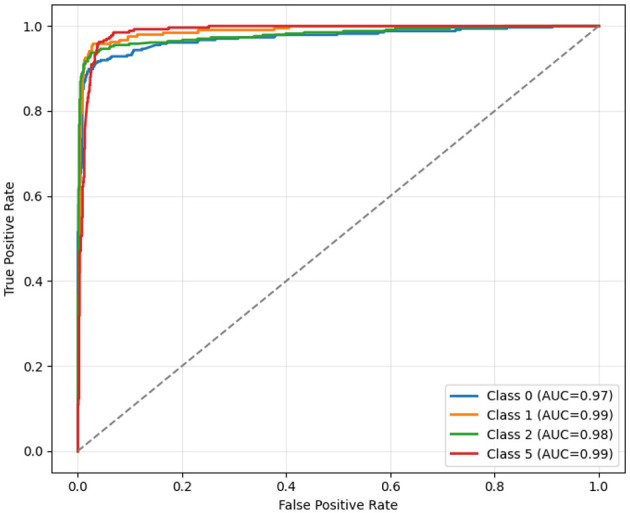 Figure 5
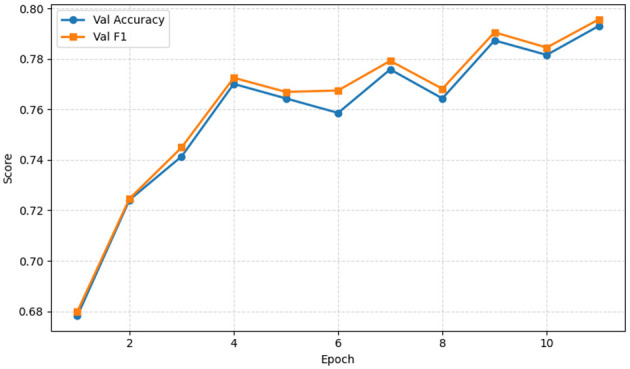 Figure 6
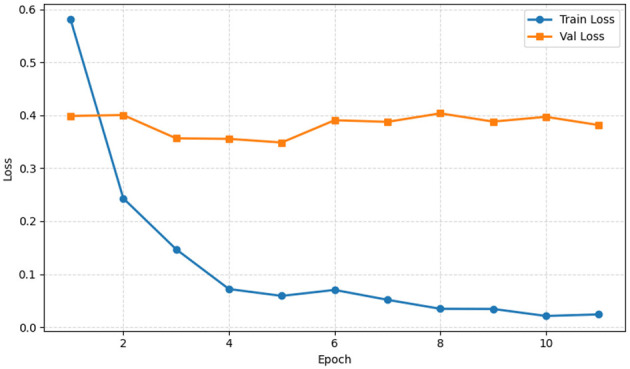 Figure 7
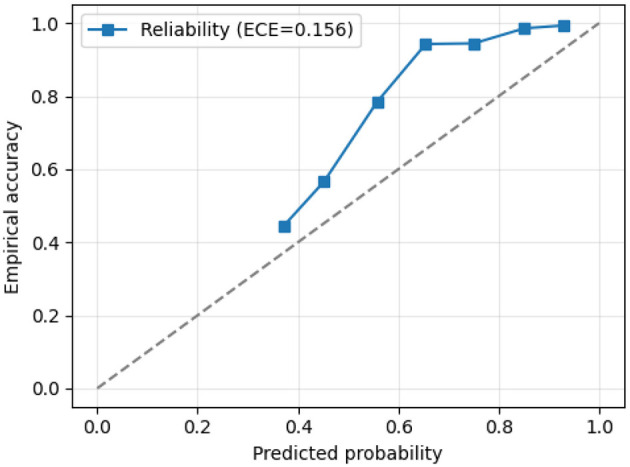 Figure 8
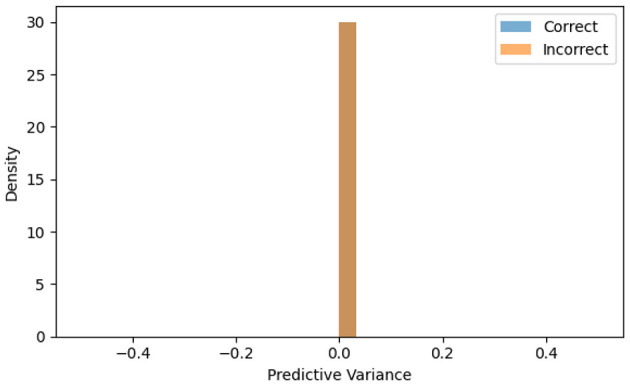 Figure 9
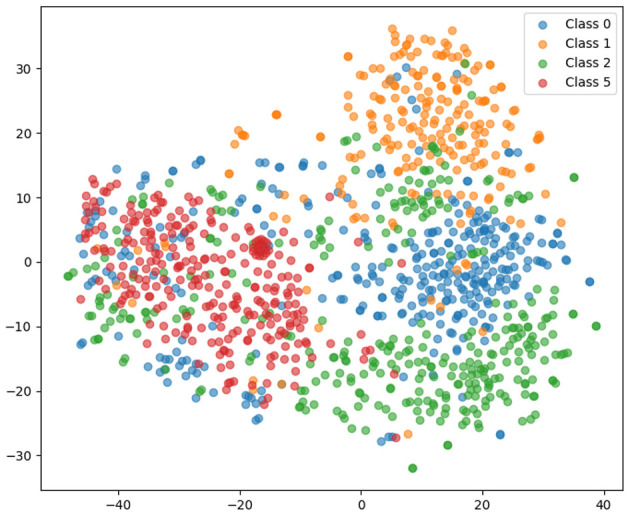 Figure 10
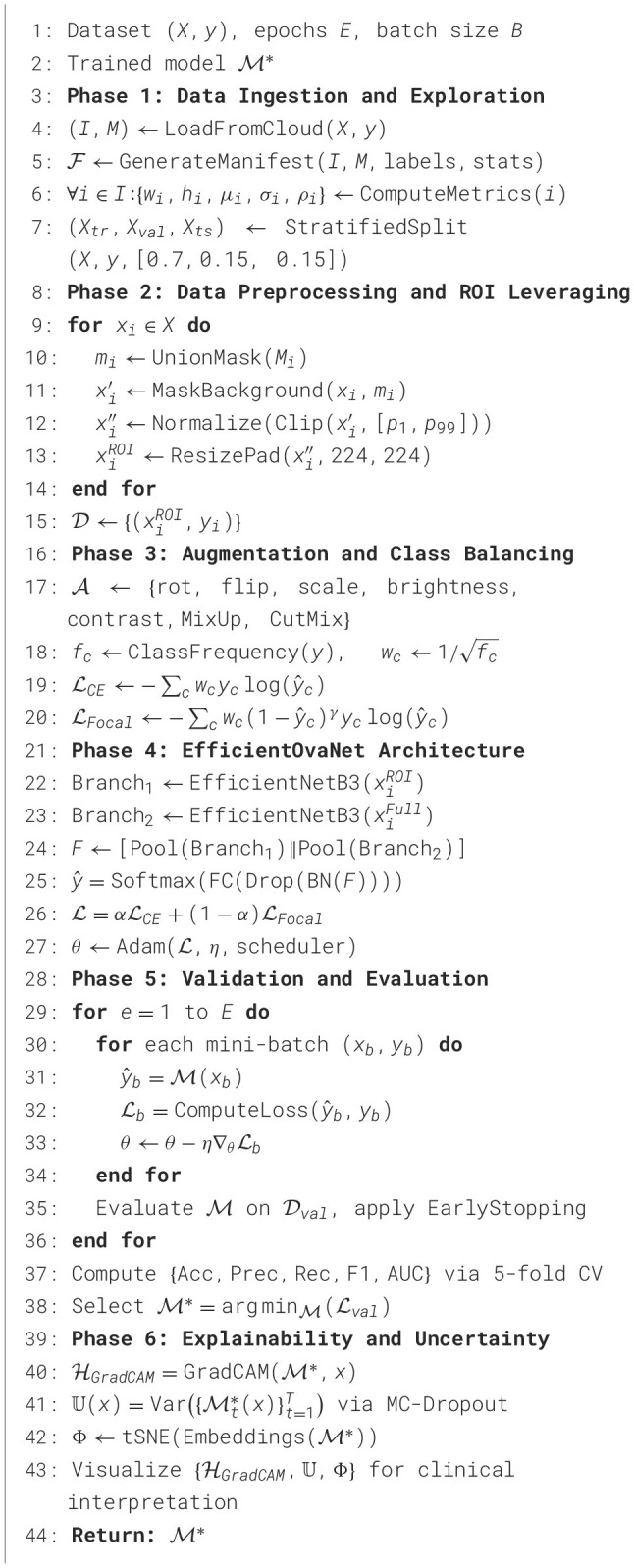 Figure 11
Peer Reviews
No public reviews on file for this paper yet. If you reviewed it on a platform where reviews are public (OpenReview, ICLR, NeurIPS, ICML), you can paste yours below so the community can read it here.
Videos
No videos yet. Explain this paper in a talk, walkthrough, or lecture? Add one.
Taxonomy
TopicsOvarian cancer diagnosis and treatment · AI in cancer detection · Generative Adversarial Networks and Image Synthesis